
This post may contain affiliate links. Please read my disclosure policy for details.
As an Amazon Associate, I earn from qualifying purchases.
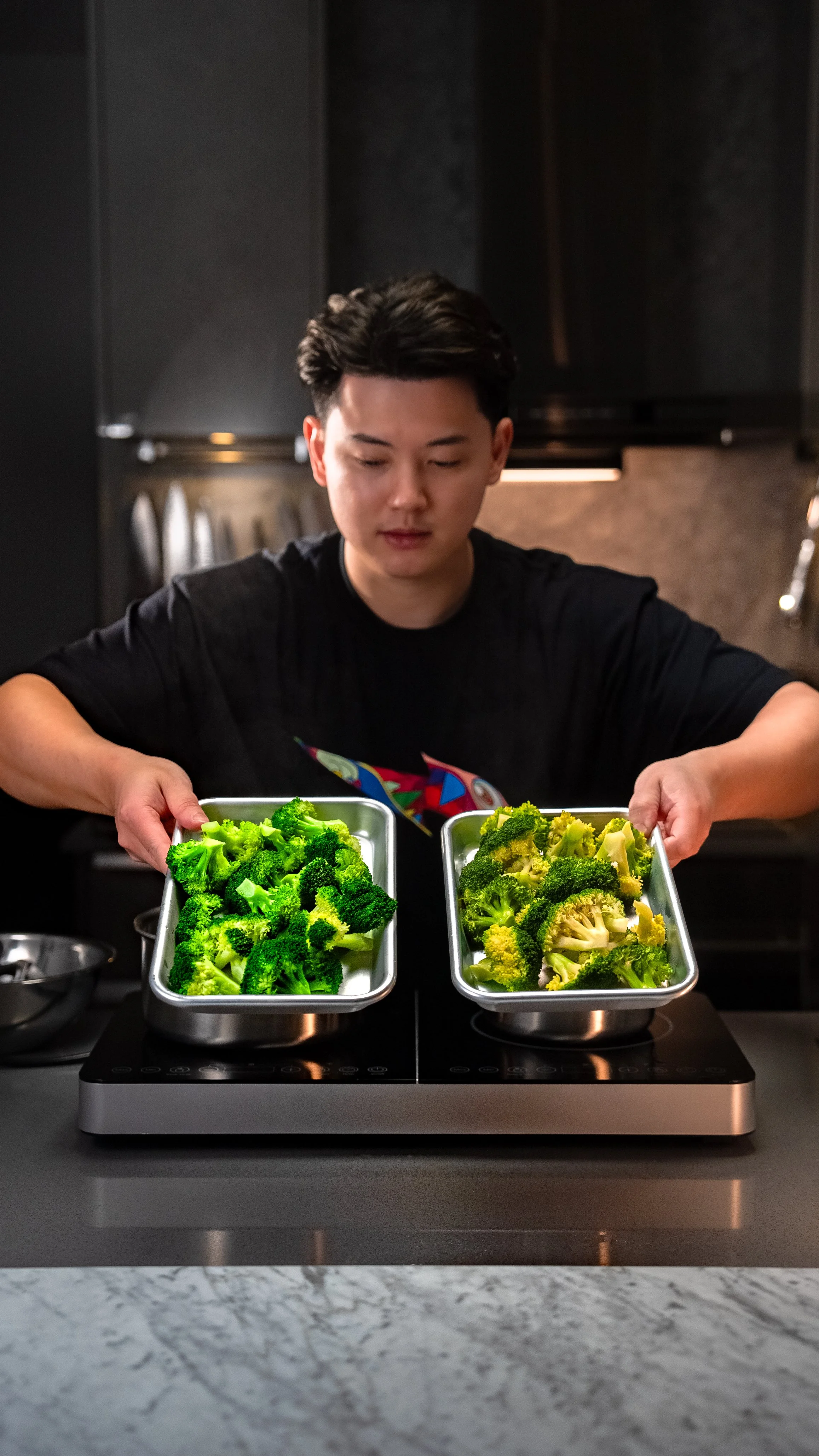
What is Steaming?
In steaming, broccoli is cooked by exposing it to steam. This is typically done by placing broccoli in a steamer basket or a steaming tray above simmering water. The steam cooks the broccoli without immersing it in water.
What is Boiling?
Boiling involves submerging broccoli in a pot of boiling water. The broccoli is fully immersed in the water during the cooking process.

Key Ingredient?
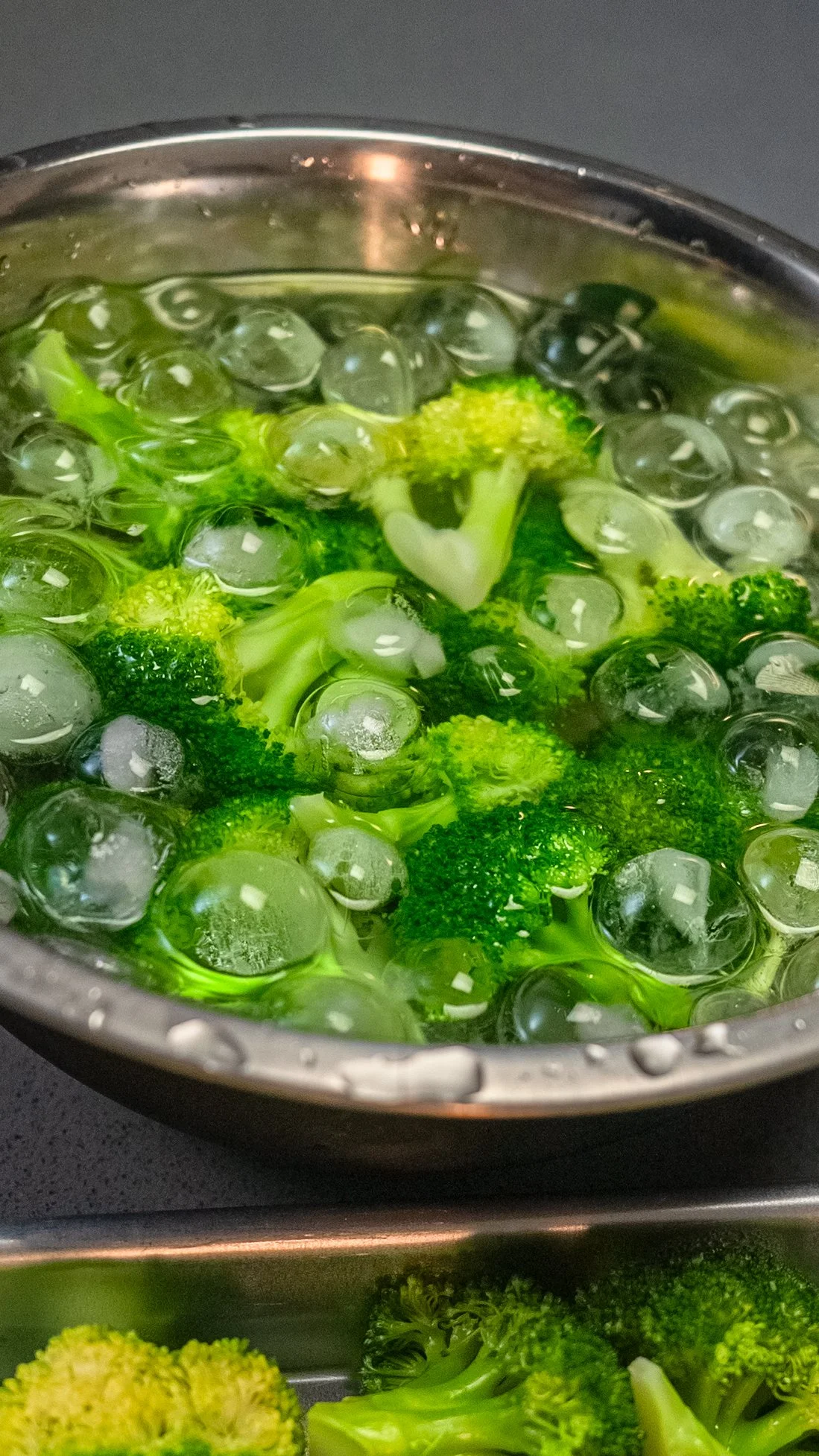
Ice Water
Shocking vegetables in ice water will stop carryover cooking, make vegetables more vibrant, and result in a crisp-tender snap. While doing this process, make sure not to leave vegetables in ice water longer than needed. This will cause waterlogging, giving vegetables a flimsy, rubbery bite.
How Do Restaurants Make Juicy and Tasty Chicken?
FAQs
Are poaching and blanching the same?
Poaching and blanching are similar cooking techniques, both involving the gentle cooking of food in simmering or boiling water, but they have distinct purposes and differences in terms of process and end results.
Poaching:
Purpose: Poaching involves cooking food gently in simmering liquid to cook it through without aggressive boiling. This method is commonly used for delicate items like eggs, fish, poultry, or fruit.
Process: The food is placed in a simmering (not boiling) liquid, which could be water, broth, or a flavorful poaching liquid. The temperature is usually kept below boiling, ensuring a slower and more delicate cooking process.
Results: Poaching retains the moisture and tenderness of the food being cooked. It is often used for items where maintaining a delicate texture is crucial.
In summary, blanching is a brief boiling process followed by rapid cooling and is often used as a preliminary step before other cooking methods, while poaching involves a gentler simmering process to fully cook food while preserving its delicate texture.
Blanching:
Purpose: The primary purpose of blanching is to partially cook the food, usually for a short period, before it undergoes further cooking processes like stir-frying, sautéing, freezing, or canning.
Process: Food is briefly submerged in boiling water, often for a very short time (typically 1-3 minutes), and then immediately transferred to an ice bath to halt the cooking process.
Results: Blanching helps to soften the outer layers of vegetables, makes them more vibrant in color, and can also aid in the removal of skins (as in the case of tomatoes) or facilitate freezing for preservation.
Does this work with other vegetables?
Yes! Both steaming and boiling are versatile cooking methods that can be applied to a wide variety of vegetables beyond broccoli. These methods are commonly used to cook vegetables while preserving their natural flavors, colors, and nutrients.
Does this work with frozen vegetables?
Yes! Both steaming and boiling can be used with frozen vegetables as well. Cooking times may need to be adjusted compared to fresh vegetables since frozen vegetables are typically partially cooked during the freezing process.
When would you want to steam?
Steaming vegetables is a popular and healthy cooking method that offers several advantages. Here are some situations when you might choose to steam vegetables:
Preserving Nutrients: Steaming is one of the gentlest cooking methods, and it helps preserve the nutritional content of vegetables. Since the vegetables are cooked with minimal water, fewer water-soluble vitamins and minerals are lost during the cooking process.
Maintaining Color and Texture: Steaming helps retain the vibrant color and natural texture of vegetables. The gentle heat prevents vegetables from becoming mushy, making them appealing in terms of both appearance and texture.
Quick Cooking: Steaming is a relatively quick cooking method. Most vegetables can be steamed in a matter of minutes, making it a convenient option for busy cooks.
Versatility: Steaming works well with a wide variety of vegetables, including broccoli, cauliflower, carrots, asparagus, green beans, and more. It's also suitable for delicate vegetables that might break apart if boiled.
Health Considerations: Steaming requires little to no added fats, making it a healthy cooking option. It's a suitable method for those looking to reduce their calorie intake or for individuals on specific dietary plans.
Preparing for Other Dishes: Steaming is often used as a preliminary step in recipes that involve additional cooking methods. For example, steaming vegetables before stir-frying or adding them to a casserole can partially cook them while maintaining their crispness.
Easy Cleanup: Steaming typically involves minimal mess and cleanup. Since there's no need for oil or extensive cooking equipment, it's an efficient way to cook vegetables with fewer dishes to wash.
In summary, steaming vegetables is a versatile and health-conscious cooking method that is well-suited for preserving nutrients, maintaining the visual appeal of vegetables, and providing a quick and convenient way to prepare them.
When would you want to boil?
Boiling is another common cooking method for vegetables, and it is suitable for various situations. Here are some instances when you might choose to boil vegetables:
Quick and Easy Cooking: Boiling is a straightforward and quick method for cooking vegetables. It's a simple way to prepare vegetables without the need for special equipment.
Softening Tough Vegetables: Boiling is effective for softening tougher vegetables or root vegetables like potatoes, carrots, and beets. Boiling can make these vegetables tender and suitable for mashing or pureeing.
Soups and Stews: Boiling is a fundamental step in making soups, stews, and broths. Vegetables are often boiled in the broth, allowing their flavors to infuse the liquid.
One-Pot Meals: Boiling is commonly used in one-pot meals where various ingredients, including vegetables, are cooked together. This method simplifies the cooking process and reduces the number of dishes to clean.
Preparing Pasta or Rice Dishes: Boiling water is essential for cooking pasta, rice, and grains. Vegetables can be added to the boiling water to cook simultaneously with the other ingredients.
Blanching: Boiling is the initial step in blanching, a technique where vegetables are briefly boiled and then quickly cooled. Blanching helps preserve the color and texture of vegetables, making them suitable for freezing or further cooking.
Adjusting Texture: Boiling allows you to control the texture of vegetables. For instance, if you prefer your vegetables to be very soft, you can boil them for a longer duration.
Bulk Cooking: Boiling is suitable for cooking vegetables in large quantities, making it an efficient method for preparing meals for a crowd.
It's important to note that boiling may lead to some nutrient loss due to the leaching of water-soluble vitamins into the cooking water. However, using minimal water and not overcooking can help mitigate nutrient loss. The choice between steaming and boiling often depends on the specific vegetables you are cooking and the desired outcome in terms of texture and flavor.
What does shocking in an ice bath do?
"Shocking" in the context of cooking refers to the process of rapidly cooling a food item, usually by immersing it in an ice bath after it has been partially or fully cooked. The primary purposes of shocking in an ice bath are:
Halting Cooking Process: Shocking in an ice bath quickly stops the cooking process. This is particularly useful for blanching or par-cooking vegetables, pasta, or other items where you want to retain a specific level of doneness without overcooking.
Preserving Color and Texture: Rapidly cooling vegetables or other foods in an ice bath helps preserve their vibrant color and crisp texture. It prevents them from continuing to cook from residual heat, which could lead to a loss of color and result in a mushy texture.
Setting Color: For certain vegetables, like green beans or asparagus, shocking in an ice bath helps set the green color by stopping the enzymatic reactions that cause discoloration. This is important for maintaining the visual appeal of the food.
Safety: Shocking in an ice bath is also a safety measure to prevent foodborne bacteria growth. By quickly lowering the temperature, you reduce the time that the food spends in the temperature danger zone (between 40°F or 4°C and 140°F or 60°C), where bacteria multiply most rapidly.
The process of shocking is commonly used in various culinary techniques, such as blanching vegetables before freezing, preparing vegetables for salads, or in professional kitchens to efficiently manage the cooking and cooling of large quantities of food.
To shock food in an ice bath, simply transfer the partially or fully cooked item from the hot water directly into a bowl or basin filled with ice and cold water. Allow the food to sit in the ice bath for a few minutes until it is completely cooled, then drain and pat dry if necessary.
How do I know I’m losing nutrients in veggies?
The loss of nutrients in vegetables can occur during the cooking process, and several factors contribute to nutrient degradation. While it's challenging to quantify the exact nutrient loss in each cooking method, there are some general indicators that can help you understand when nutrient loss may be occurring:
Color Change: The vibrant color of vegetables is often a result of pigments, such as chlorophyll and carotenoids. If you notice a significant change in color, such as vegetables becoming dull or faded, it may indicate nutrient loss.
Texture Changes: Overcooking can lead to a mushy texture in vegetables. If the vegetables become overly soft, it might be an indication that nutrients have been compromised.
Aroma: Certain vitamins and antioxidants contribute to the aroma of vegetables. If you perceive a loss of flavor or a less vibrant aroma, it could suggest nutrient loss.
Cooking Water: If you boil vegetables, some water-soluble vitamins like vitamin C and some B vitamins can leach into the cooking water. If you discard the cooking water, you may lose some of these nutrients. Consider using the cooking water in soups or sauces to minimize nutrient loss.
Cooking Time: Longer cooking times generally result in greater nutrient loss. Quick-cooking methods like steaming or microwaving tend to preserve more nutrients compared to prolonged boiling or simmering.
Size of Cut: Smaller pieces of vegetables tend to cook faster and may experience less nutrient loss than larger pieces.
Type of Vegetable: Different vegetables react differently to various cooking methods. Some vegetables are more sensitive to nutrient loss than others. For example, leafy greens may be more susceptible to nutrient loss than sturdy root vegetables.
To minimize nutrient loss, consider the following tips:
Use cooking methods that require shorter cooking times, such as steaming or microwaving.
Cook vegetables in larger pieces or leave them raw if appropriate for the dish.
Keep the cooking water when boiling vegetables and use it in other dishes.
Use minimal water when cooking, as nutrients can leach into the water.
While cooking does cause some nutrient loss, it's important to balance this with the benefits of making vegetables more palatable and digestible. Additionally, a varied and balanced diet can provide a range of nutrients even if some are lost during cooking.
Does adding salt or oil work?
Yes, adding salt or oil to boiling water when cooking vegetables can enhance the flavor and texture of the vegetables. Here's how each element can contribute:
Salt:
Flavor Enhancement: Salt not only adds flavor to the boiling water but also helps enhance the natural taste of the vegetables. It can make the vegetables more palatable and enjoyable.
Seasoning Throughout: Adding salt to the boiling water allows the seasoning to penetrate the vegetables, providing a more even distribution of flavor. This can be especially useful for vegetables with denser textures.
Tip: Start with a pinch of salt and adjust according to your taste preferences.
Oil:
Flavor and Texture: Adding a small amount of oil to boiling water can improve the flavor of the vegetables and contribute to a smoother texture. The oil coats the vegetables, enhancing their richness.
Preventing Stickiness: Some vegetables, particularly those with natural sugars, can become sticky during boiling. The oil can help prevent this by creating a barrier that reduces stickiness.
Tip: Use a neutral oil like vegetable oil or a light olive oil to avoid overpowering the natural flavors of the vegetables.
While adding salt and oil to boiling water can enhance the culinary qualities of the vegetables, it's essential to strike a balance and not overuse these ingredients. Additionally, consider the specific cooking method you'll be using after boiling (e.g., roasting, sautéing) and adjust the seasonings accordingly.
Keep in mind that some people prefer to salt vegetables after cooking to better control the saltiness, especially when considering dietary restrictions or health concerns. Experiment with different seasoning methods to find what suits your taste preferences and dietary needs best.
How about cooking in the microwave?
Yes, you can cook vegetables in a microwave. Microwave cooking is a quick and convenient method for preparing vegetables, especially when you need to save time. Here are some tips for microwaving vegetables:
Choose Microwave-Safe Containers: Use microwave-safe dishes or containers to cook vegetables. Many vegetables release steam during cooking, and microwave-safe containers allow the steam to escape safely.
Cut Vegetables into Uniform Sizes: Cut the vegetables into uniform sizes to ensure even cooking. Smaller pieces will cook faster than larger ones.
Add a Bit of Water: Vegetables can dry out in the microwave, so you might want to add a tablespoon or two of water to the dish before microwaving. This helps create steam and keeps the vegetables moist.
Cover the Dish: Cover the dish with a microwave-safe lid or microwave-safe plastic wrap. This helps retain steam and speed up the cooking process.
Microwave in Batches: Depending on the quantity of vegetables and the power of your microwave, you may need to cook vegetables in batches to ensure even cooking.
Stir or Rotate: If you're microwaving a larger quantity, pause the microwave to stir or rotate the vegetables for more even cooking.
Use Microwave-Specific Cookware: Consider using microwave-specific cookware designed for steaming vegetables. These often have built-in vents or steamers to facilitate the cooking process.
Adjust Cooking Time: Microwave cooking times can vary based on the type of vegetable, its size, and the power of your microwave. Start with shorter cooking times and adjust as needed.
Let It Stand: Allow the vegetables to stand for a minute or two after cooking. The residual heat will continue to cook them slightly, and this standing time helps distribute the heat evenly.
Season After Cooking: You can season your vegetables before or after microwaving. Adding herbs, spices, or a drizzle of olive oil after cooking can enhance the flavor.
Keep in mind that microwaving is best for certain vegetables like broccoli, cauliflower, carrots, and green beans. Root vegetables may take longer to cook, and it's recommended to pierce them with a fork before microwaving to allow steam to escape.
Experiment with different vegetables, cooking times, and methods to find the best approach for your preferences and microwave.
Other How-To Guides
Love the recipe?
Make sure to follow me on Instagram, TikTok, YouTube, and Pinterest to stay up to date with all of my content!
Sign up for my free newsletter to receive cooking tips & recipe updates!
If you made this recipe, send me a picture and tag it with #W2Recipes.
I would love to see your re-creations on Instagram @willhkwong.


Chicken brine is a solution of salt, water, and often other flavor-enhancing ingredients used to soak chicken before…