
This post may contain affiliate links. Please read my disclosure policy for details.
As an Amazon Associate, I earn from qualifying purchases.
What is Taiwanese Popcorn Chicken?
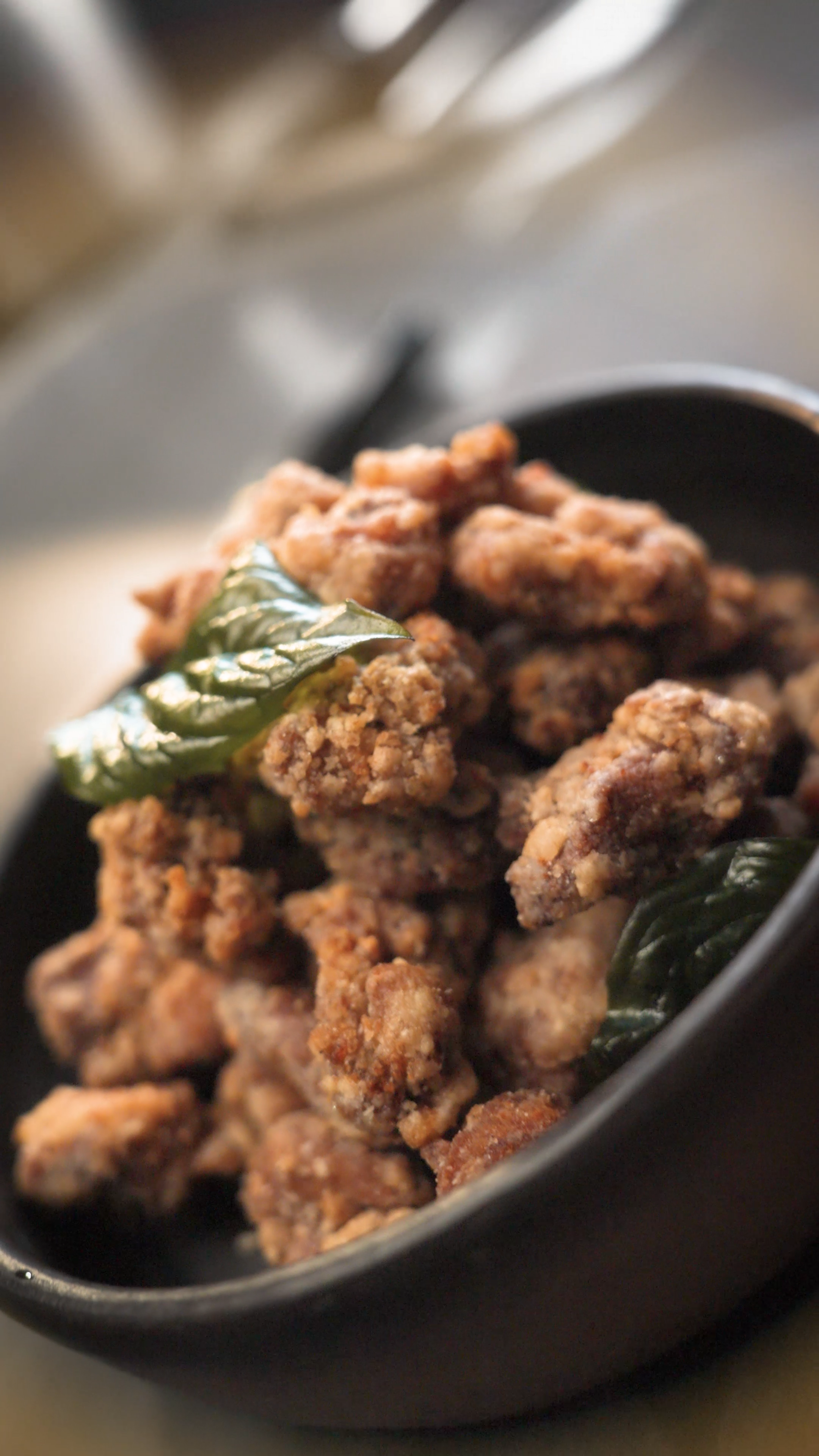
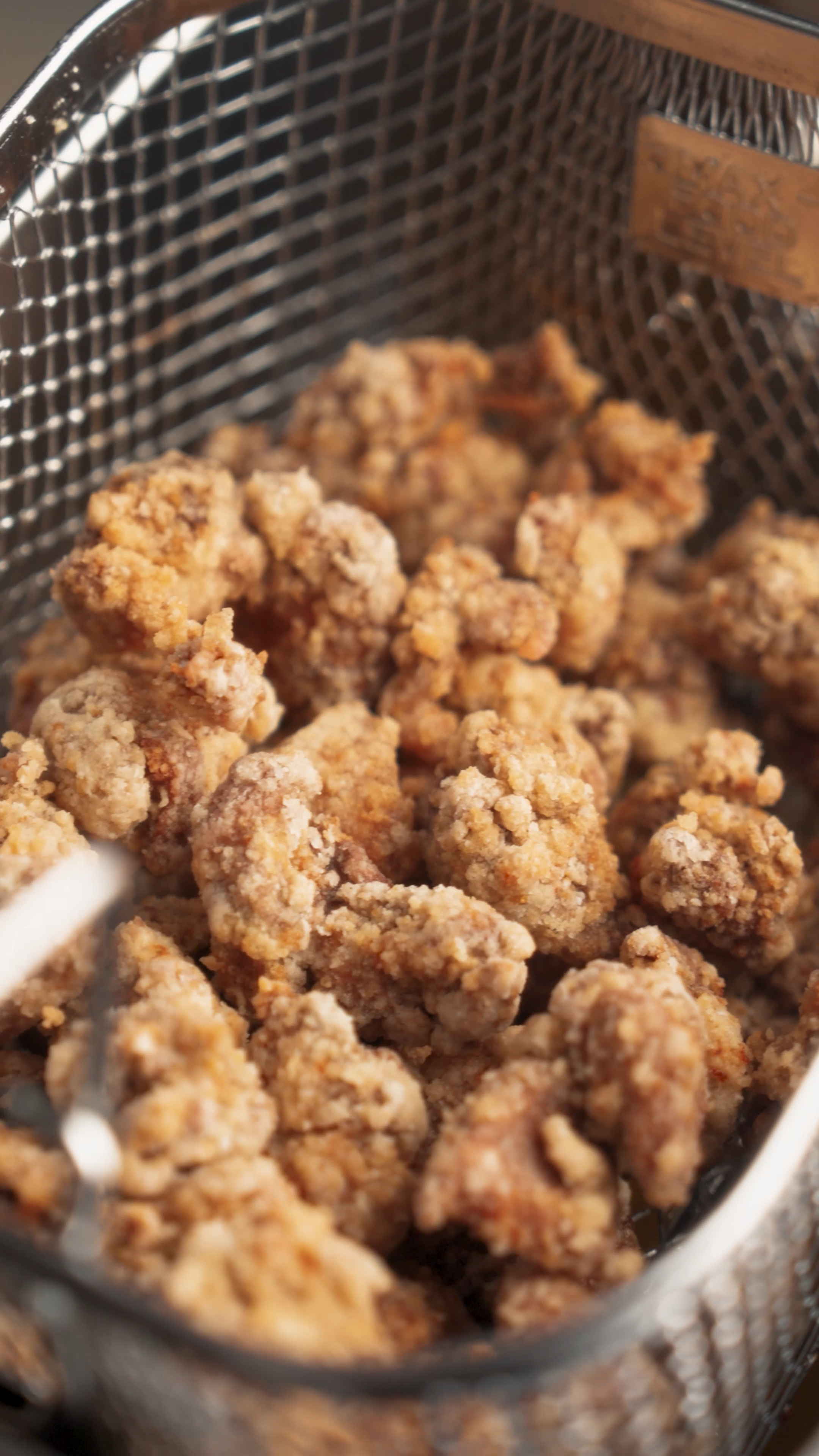
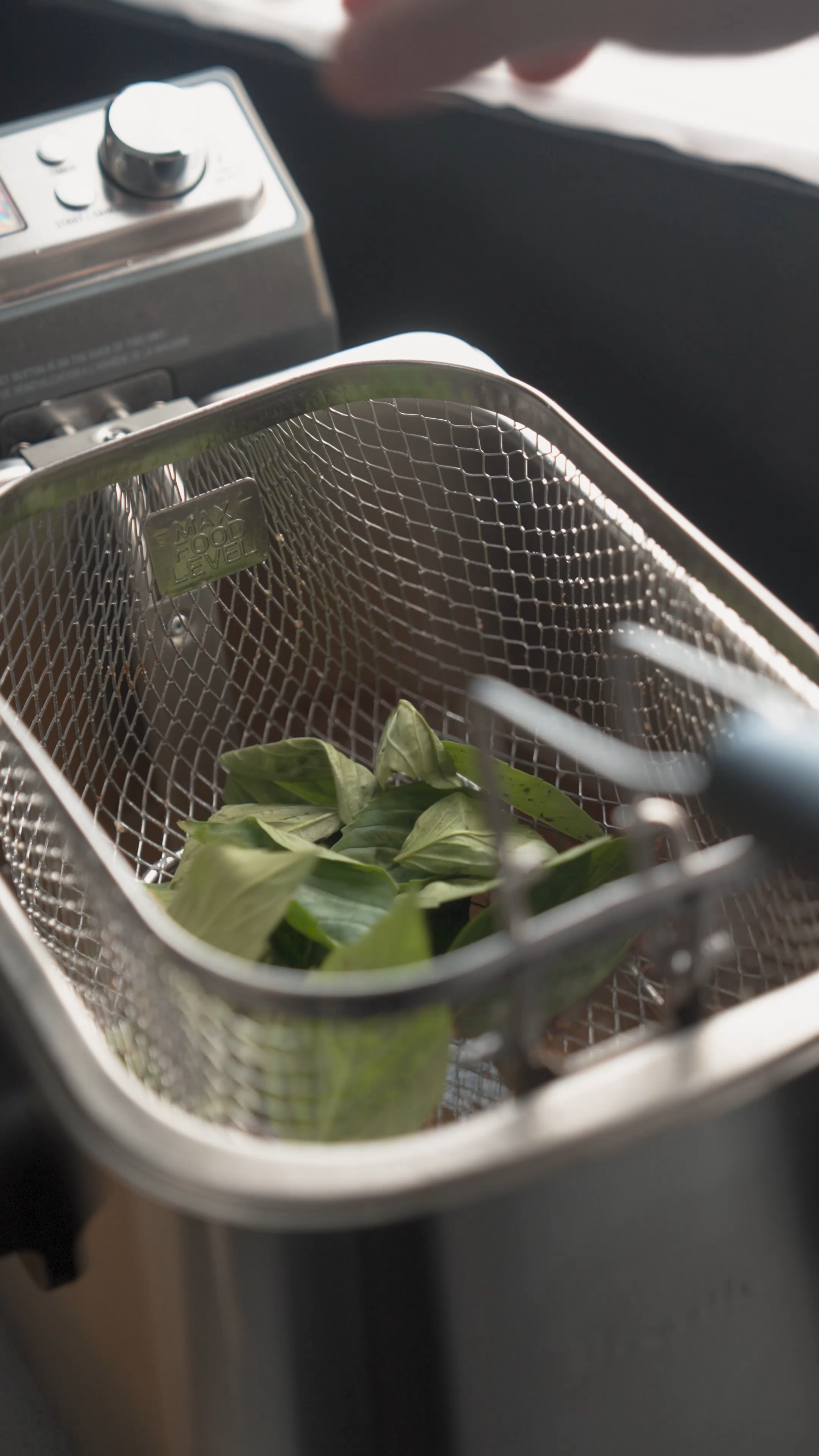
Taiwanese popcorn chicken (鹽酥雞, yán sū jī) is a popular street food dish in Taiwan, consisting of bite-sized pieces of marinated chicken that are deep-fried until crispy and typically seasoned with a mix of salt, pepper, and sometimes five-spice powder. The dish is known for its crunchy texture and bold, savory flavor, often enhanced with fried Thai basil leaves for extra fragrance and crispiness.
Key Features:
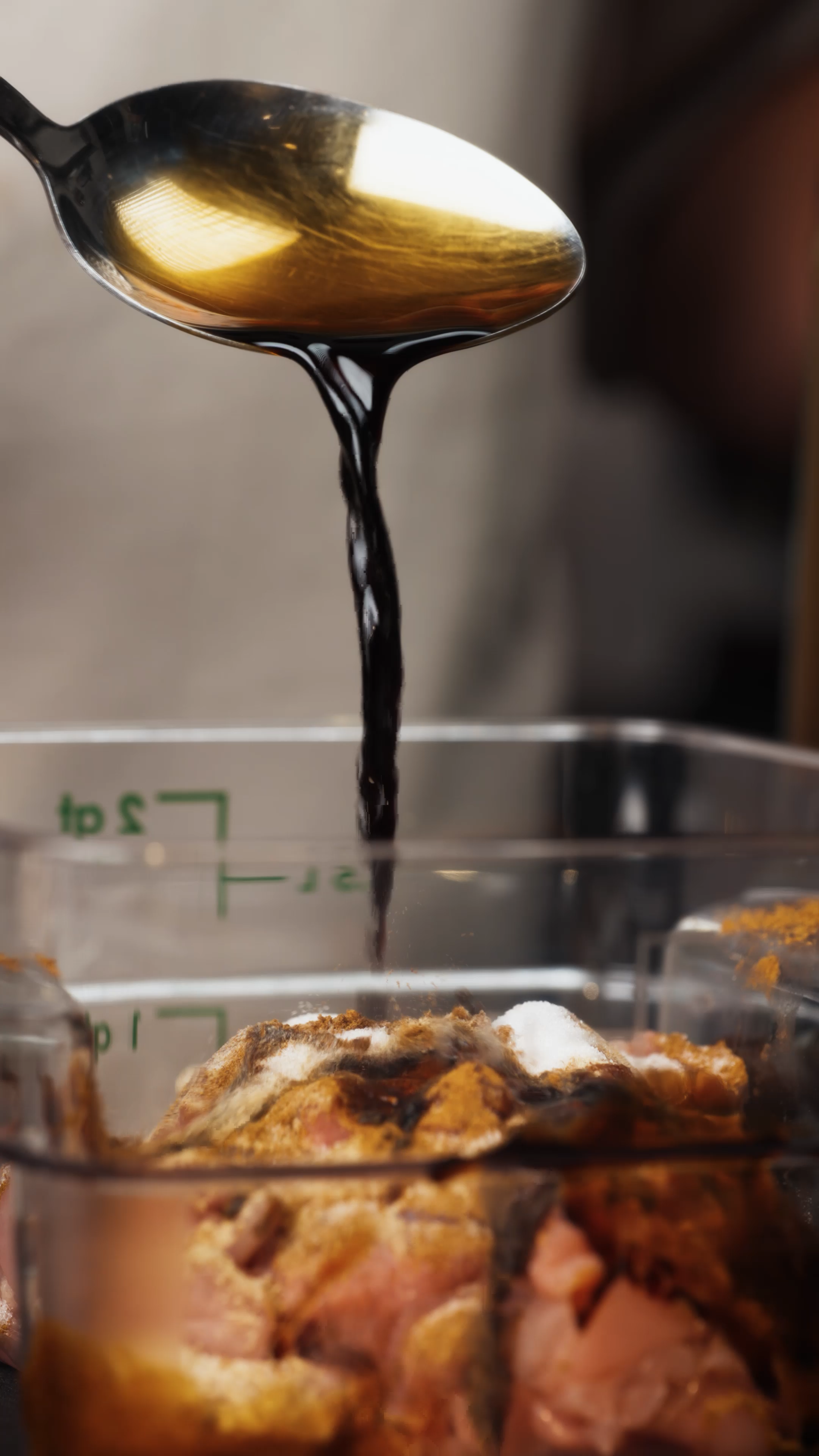
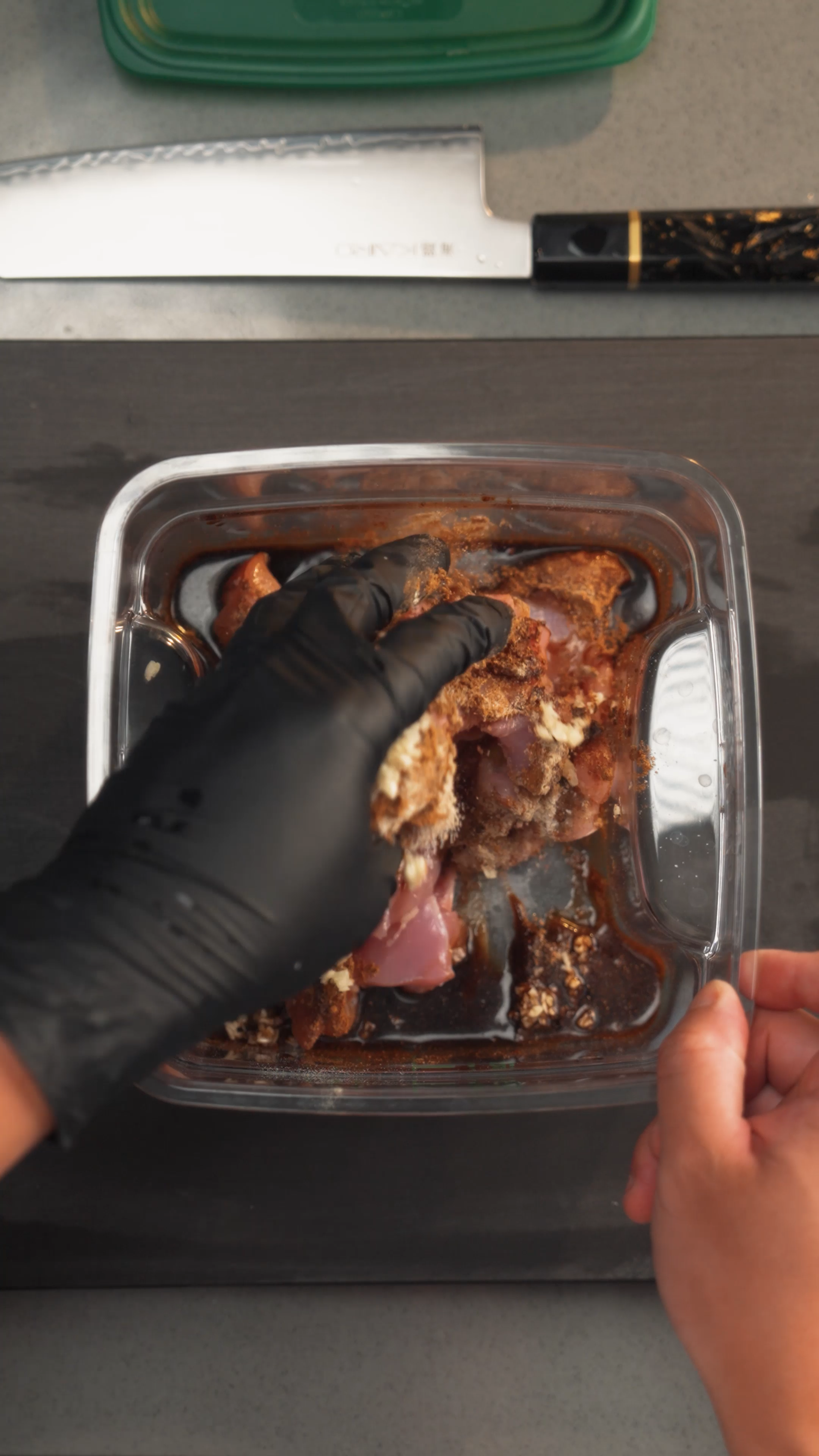
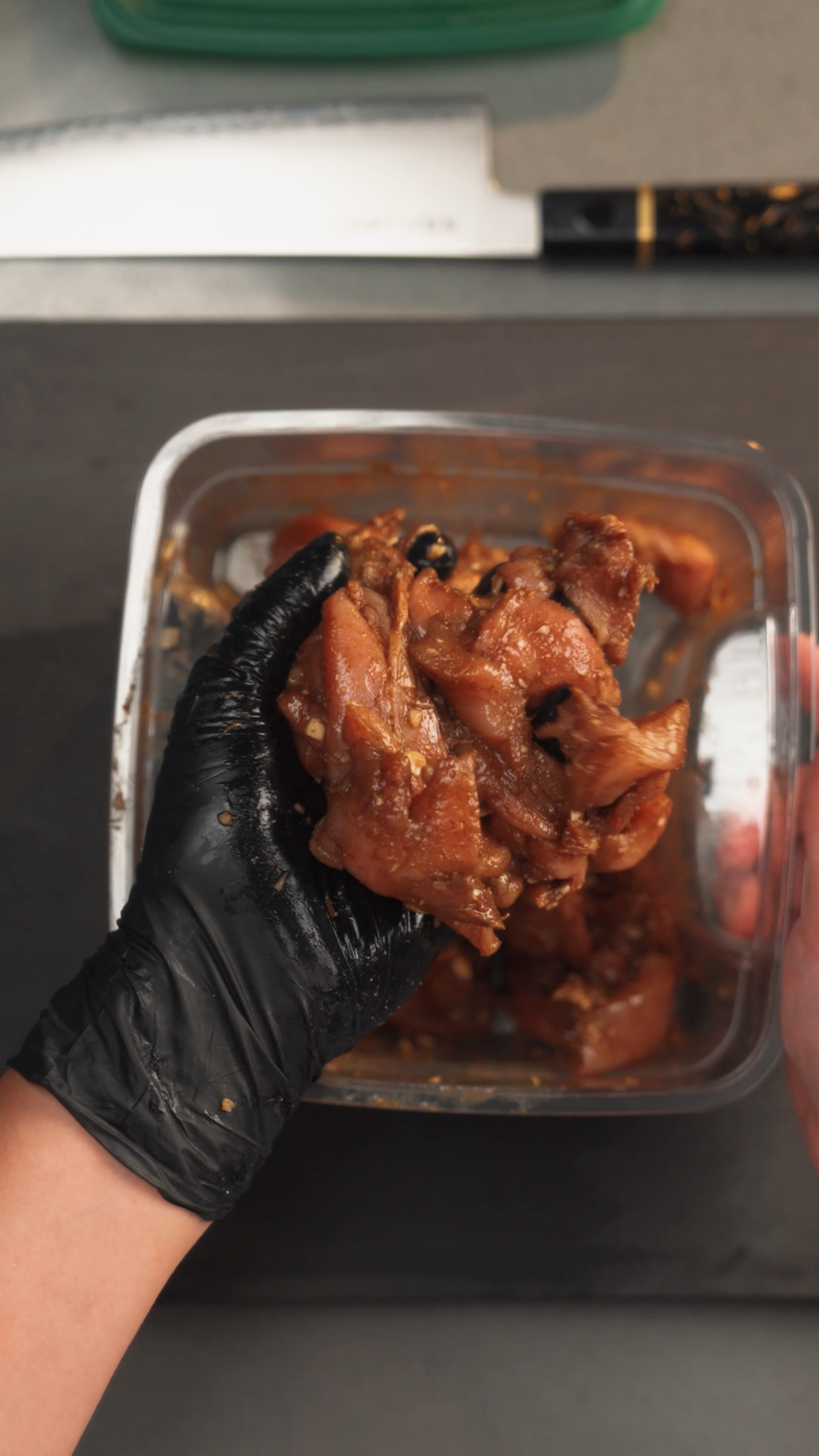
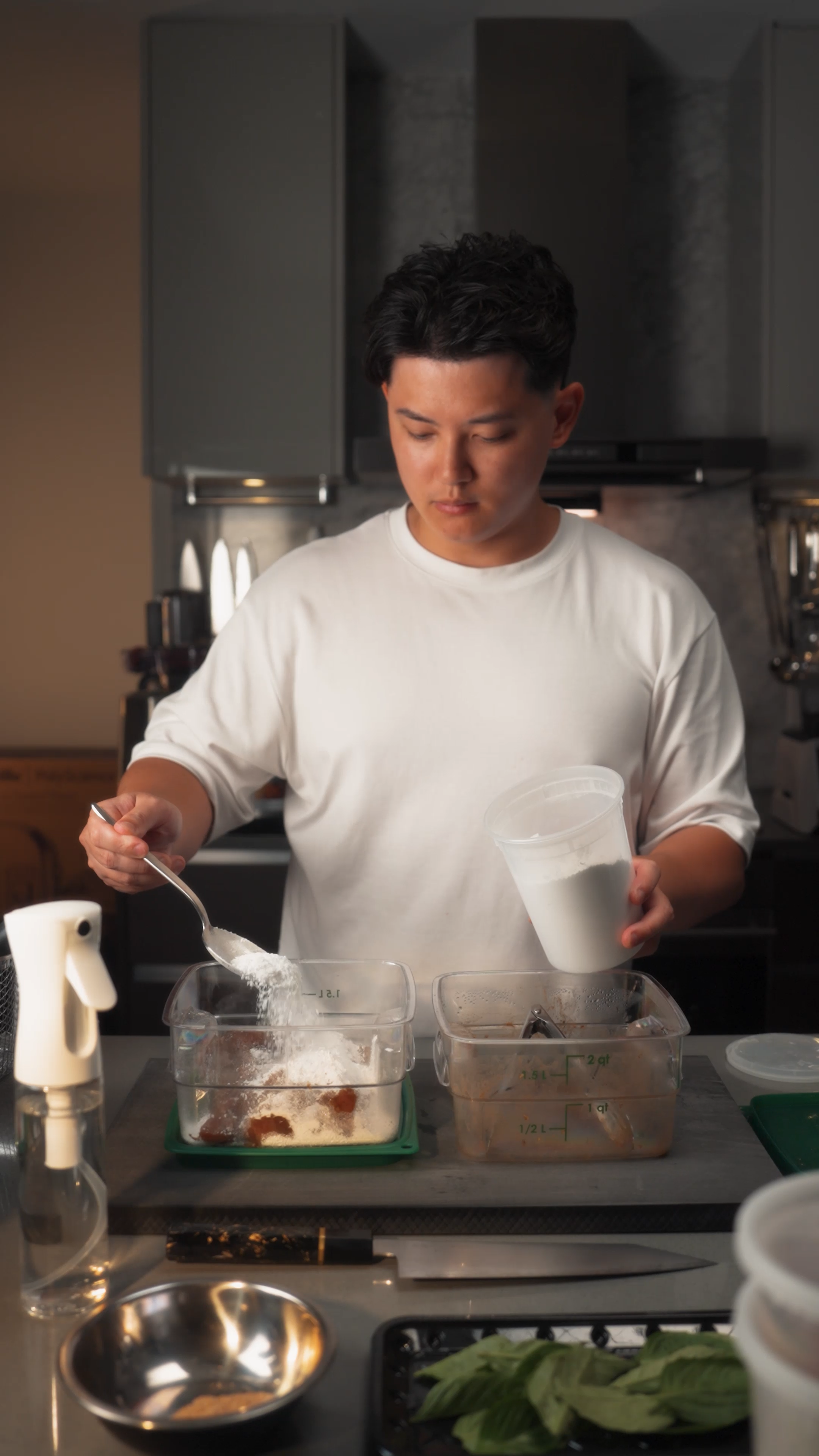
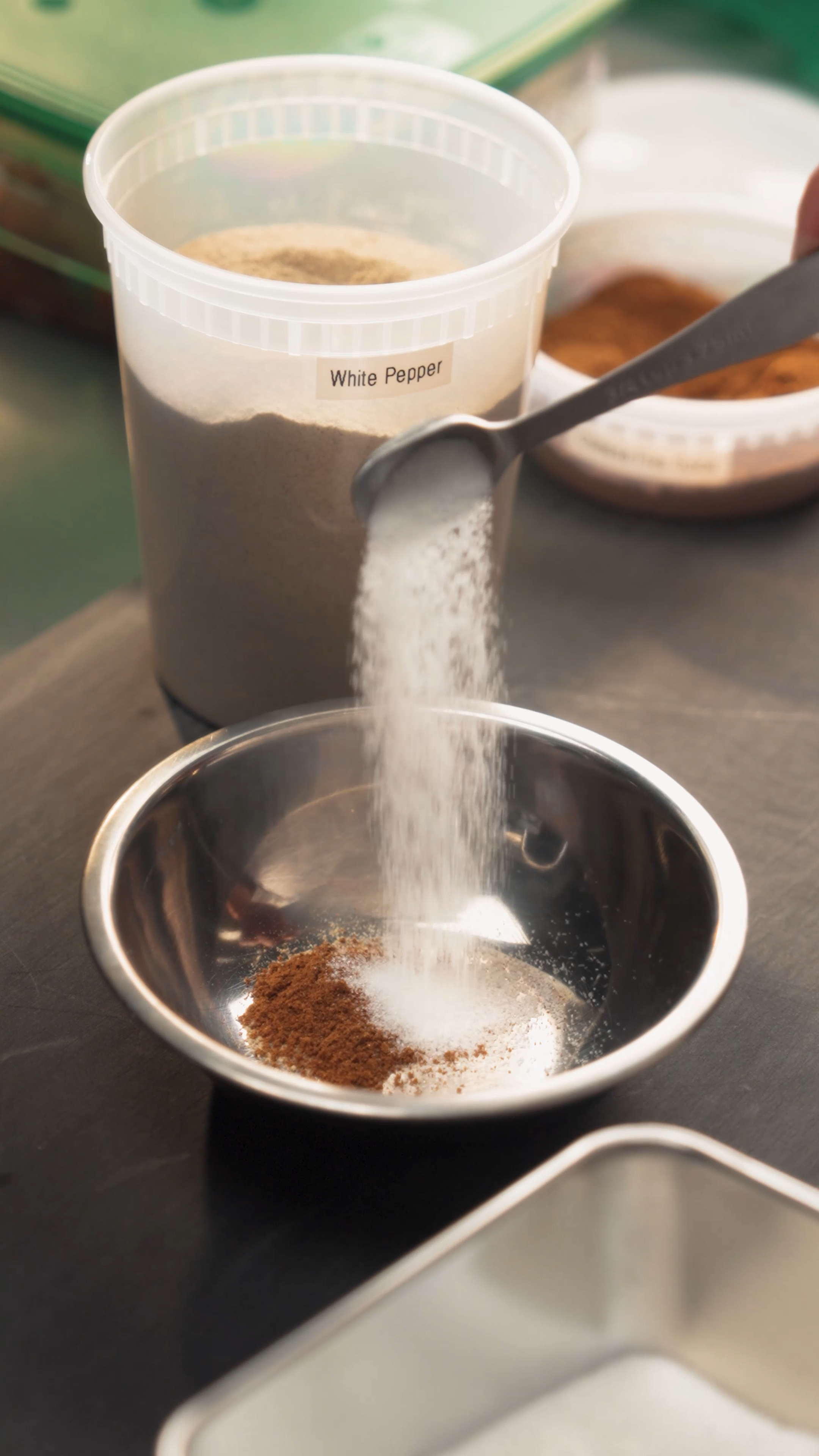
Marinade: The chicken is usually marinated in soy sauce, garlic, and a blend of spices (such as white pepper, five-spice powder, and sugar) to infuse it with deep flavors before frying.
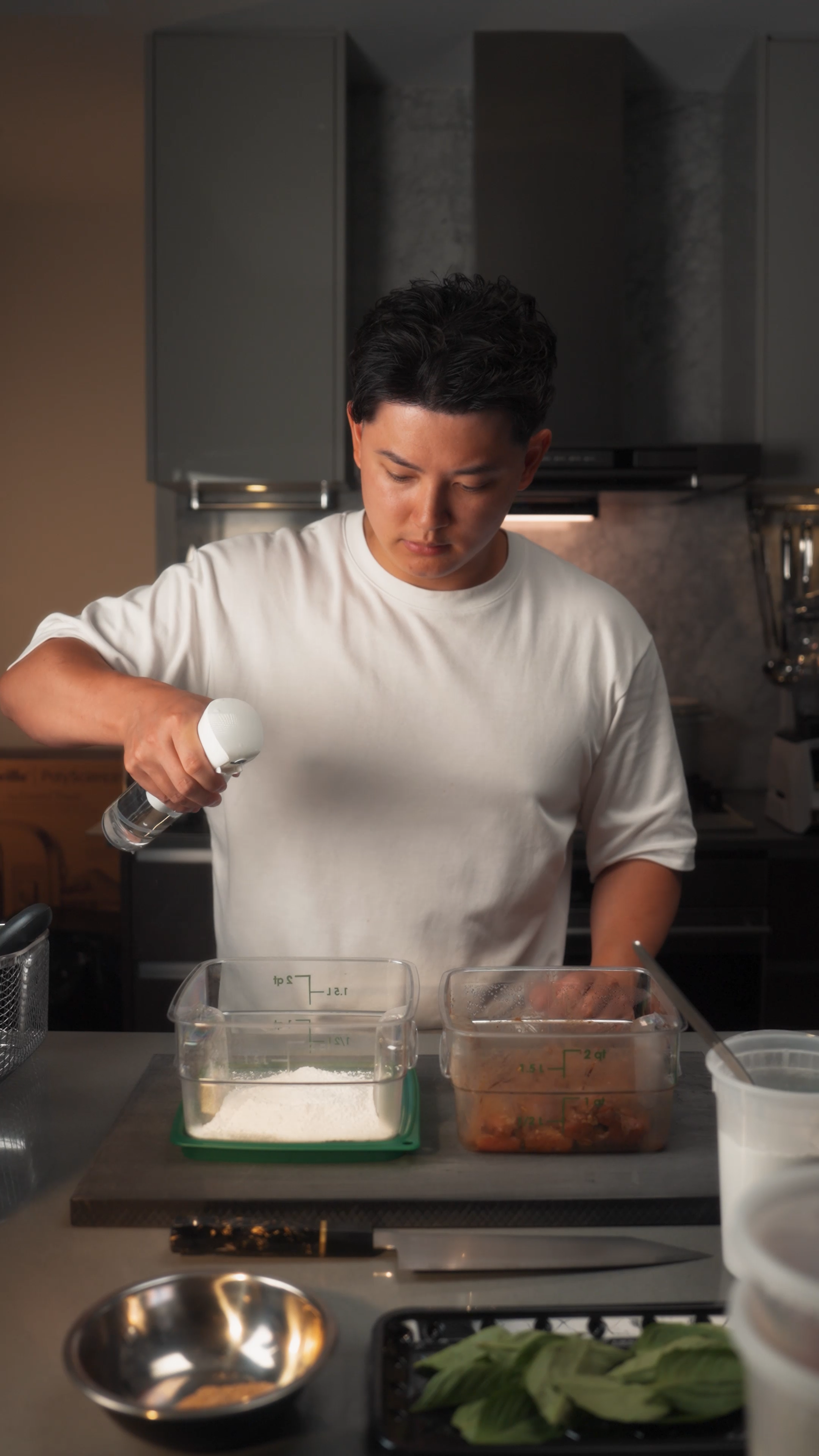
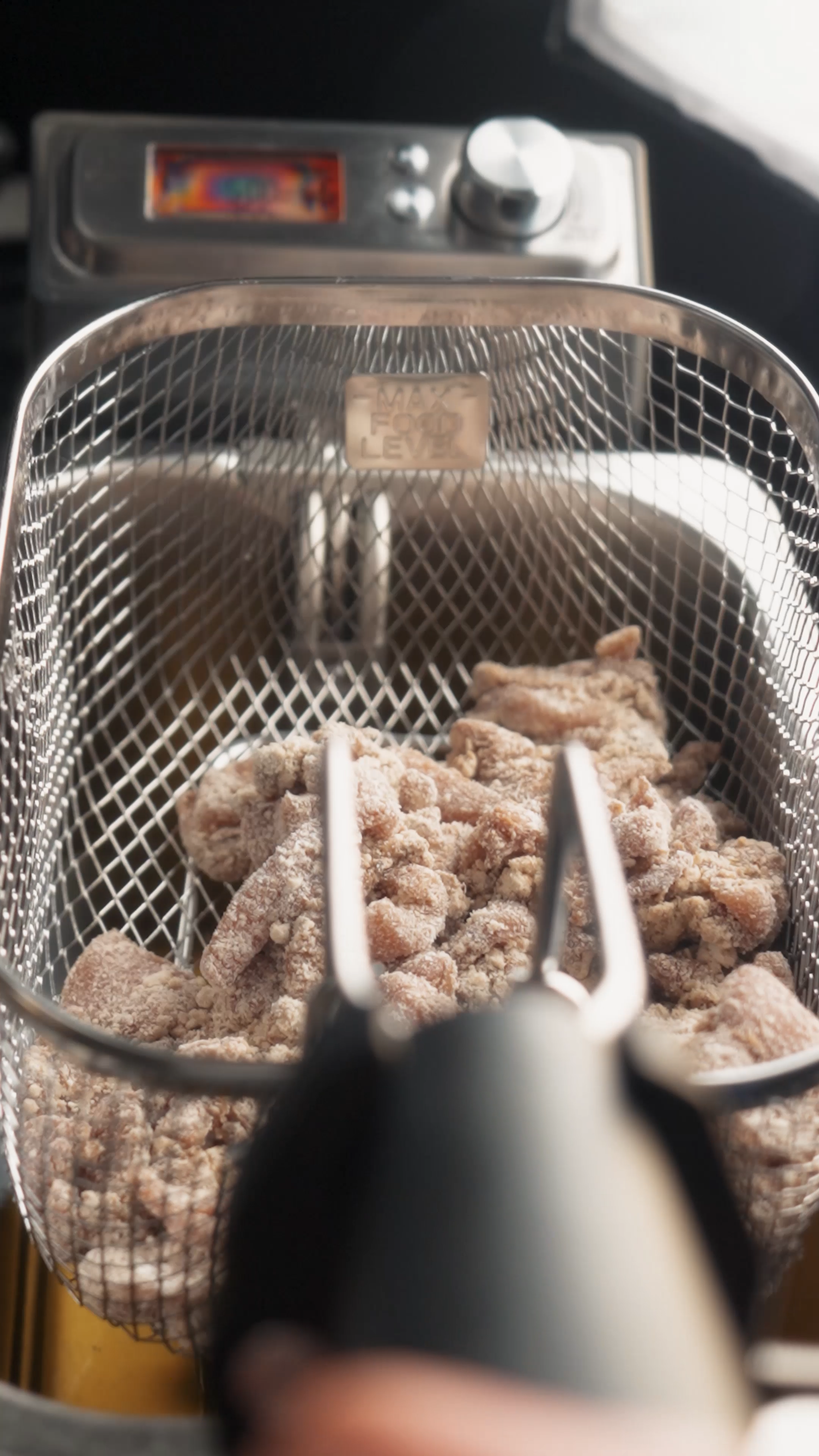
Batter: Instead of a heavy batter, Taiwanese popcorn chicken is coated lightly in sweet potato starch, which gives the chicken a distinctive light, crunchy coating.
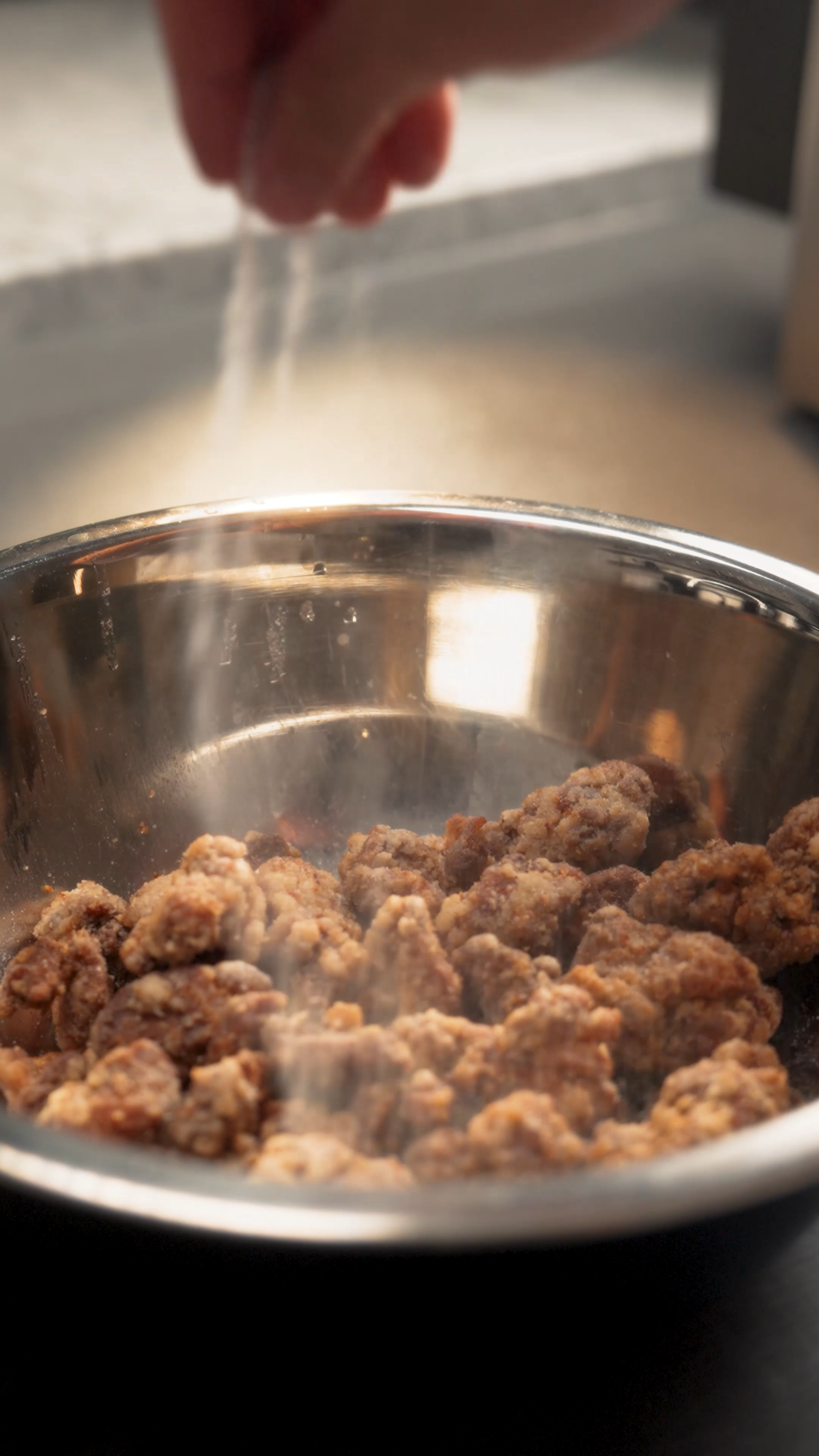
Seasoning: After frying, the chicken is typically dusted with additional seasonings like salt, white pepper, and sometimes chili powder or five-spice powder, providing a slightly spicy and aromatic finish.
Serving Style:
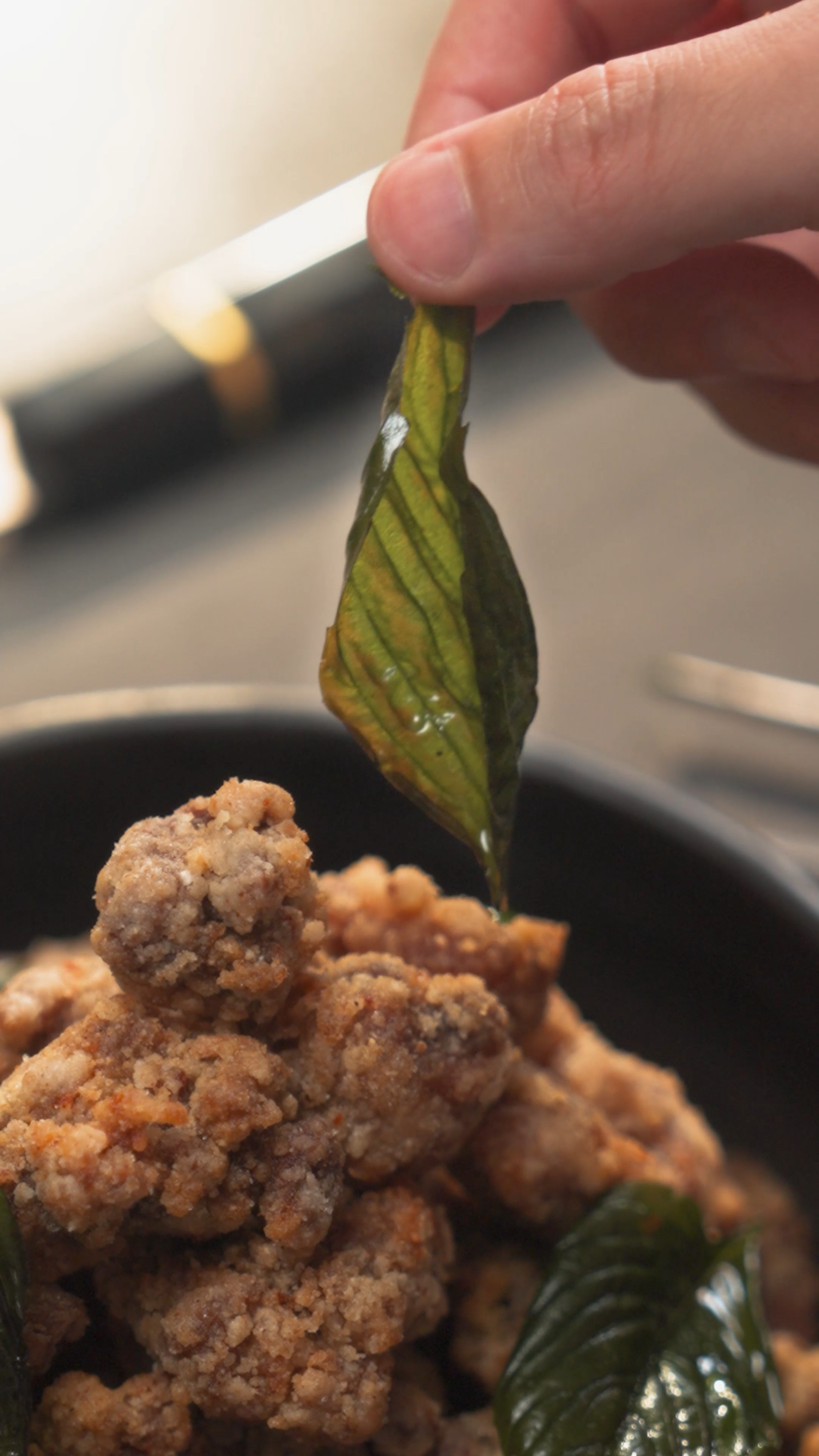
Taiwanese popcorn chicken is often served in a paper bag, making it easy to enjoy as a snack on the go. It's commonly paired with crispy fried Thai basil leaves, which add a unique herbaceous flavor.
Variations:
In Taiwan, street vendors may offer different levels of spiciness by adjusting the amount of chili powder used.
Some versions include extra toppings like fried garlic or green onions.
This dish has become popular internationally and can be found in many Taiwanese and Asian fusion restaurants. It's a delicious example of Taiwanese street food, blending crispy textures with bold, savory, and sometimes spicy flavors.
Key Ingredient?
Thai Basil
The key ingredient for Taiwanese popcorn chicken is basil (specifically Thai basil or holy basil). This herb is deep-fried along with the chicken, imparting a distinctive, aromatic flavor that sets Taiwanese popcorn chicken apart from other fried chicken dishes.
FAQs
What If I Don’t Have It?
See substitution suggestions above. For this recipe, the combination of all other ingredients is mandatory to create this flavorful dish.
What makes Taiwanese Popcorn Chicken different from other fried chicken?
Taiwanese popcorn chicken is unique because it's marinated in a flavorful mix of soy sauce, garlic, five-spice powder, and sometimes rice wine. It is then coated in sweet potato starch, which gives the chicken its signature light, crispy texture. It's also typically served with fried Thai basil leaves, adding an aromatic touch.
What type of chicken should I use for Taiwanese Popcorn Chicken?
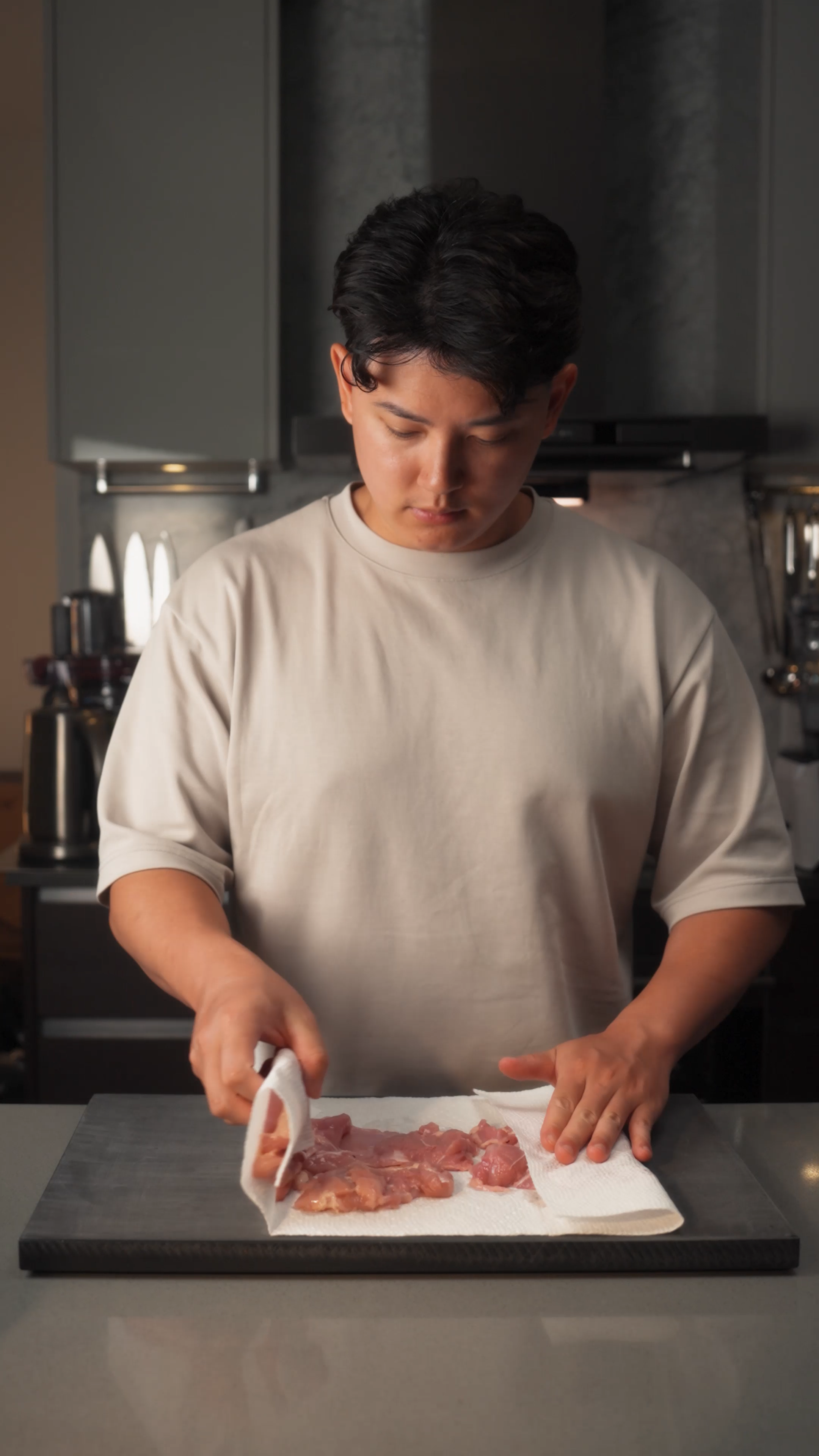
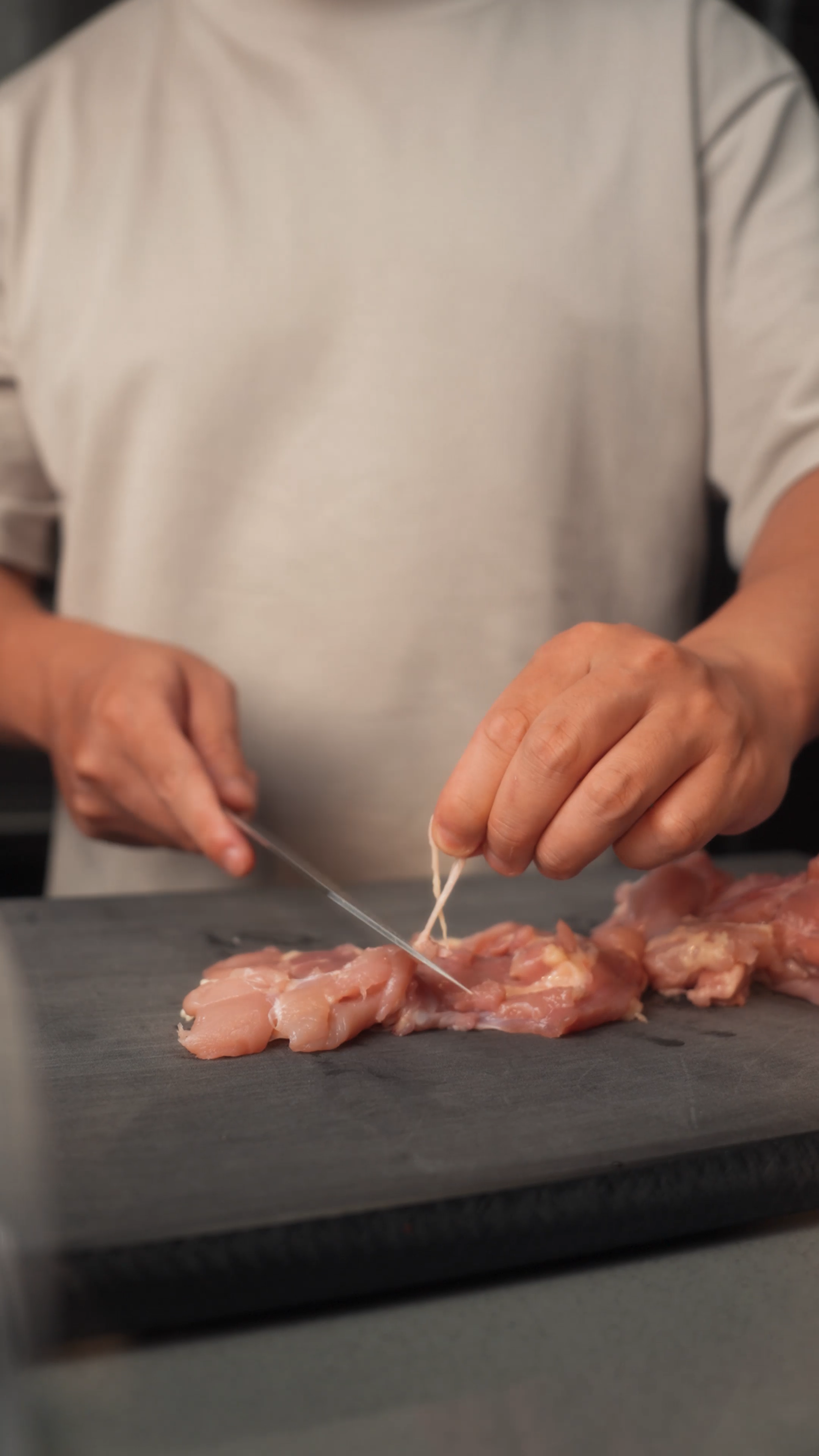
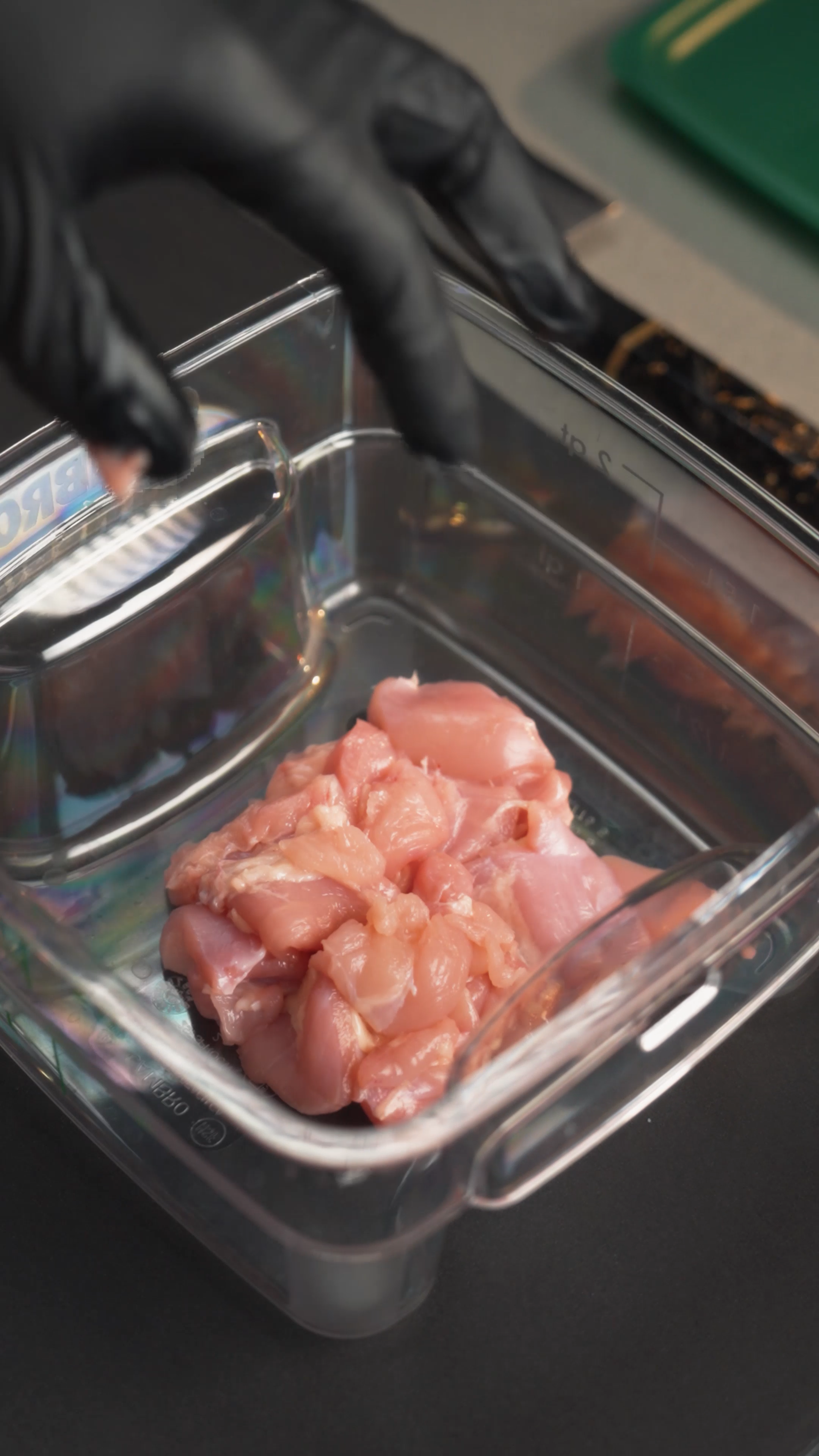
Traditionally, boneless chicken thighs are used because they are more flavorful and juicier than chicken breast. However, you can use chicken breast if you prefer a leaner option, though it may be less tender.
How do you achieve the extra crispiness in Taiwanese Popcorn Chicken?
The secret to the crispiness lies in using sweet potato starch or tapioca starch for coating the chicken. This creates a light, crunchy texture when fried. Additionally, double frying—frying the chicken twice—ensures a crispier result.
Can I make Taiwanese Popcorn Chicken in an air fryer?
Yes, you can! To make it in an air fryer, spray the coated chicken with a light coat of oil to help it crisp up. Cook at around 375°F (190°C) for about 15 minutes, flipping halfway through. While the texture might be slightly different from deep-frying, it’s a healthier alternative.
What should I serve with Taiwanese Popcorn Chicken?
Taiwanese popcorn chicken is typically served as a snack or street food. Common accompaniments include fried Thai basil leaves, dipping sauces (like sweet chili or spicy mayo), and seasoning powder (such as salt, pepper, and chili powder). You can also serve it with rice or as part of a bento meal.
Using Tapioca Starch versus Potato Starch? Why Coarse?
When deep frying, coarse tapioca starch and coarse potato starch are commonly used as coatings, and both have unique properties that affect the texture and crispiness of the fried food. Here's a comparison:
Coarse Tapioca Starch:
Texture: Tapioca starch creates a light and crunchy texture when fried. The crunch is typically more delicate and has a slight chewiness, making it popular in Asian fried dishes like Taiwanese popcorn chicken.
Crispiness: It tends to stay crispy for a longer period, even after cooling. The starch’s ability to absorb less oil during frying helps maintain the crunch.
Transparency: Fried coatings made with tapioca starch often have a translucent, glass-like appearance, giving the food a shiny finish.
Coarse Potato Starch:
Texture: Potato starch produces a thicker and more robust crispiness than tapioca starch. The coating tends to be heartier, giving a stronger crunch.
Crispiness: While it also offers excellent crispiness, potato starch may become softer faster as it cools, compared to tapioca starch.
Oil Absorption: Potato starch can absorb more oil during frying, which may result in a richer texture but could affect the lightness of the coating.
Summary:
Tapioca starch is ideal for dishes where you want a lighter, crisper finish that holds its texture longer.
Potato starch is better for a thicker, heartier crunch, but it may soften quicker after frying.
Both starches are great for different applications, but if you want a super-light, long-lasting crisp, tapioca starch might be your best bet, while potato starch works well for a crunchier bite.
The coarse kind of starch is used for Taiwanese Popcorn Chicken because it creates a unique crispy and crunchy texture that is highly valued in this dish. Adding water to form small beads before dredging and deep frying gives it that crispy, beaded texture.
Other Recipes You’ll Love
Love the recipe?
Make sure to follow me on Instagram, TikTok, YouTube, and Pinterest to stay up to date with all of my content!
Sign up for my free newsletter to receive cooking tips & recipe updates!
If you made this recipe, send me a picture and tag it with #W2Recipes.
I would love to see your re-creations on Instagram @willhkwong.
If you liked this recipe, Pin it to Pinterest! 👇🏻


XO sauce is a luxurious Cantonese condiment born in 1980s Hong Kong, known for its deep umami flavor and premium…