
This post may contain affiliate links. Please read my disclosure policy for details.
As an Amazon Associate, I earn from qualifying purchases.

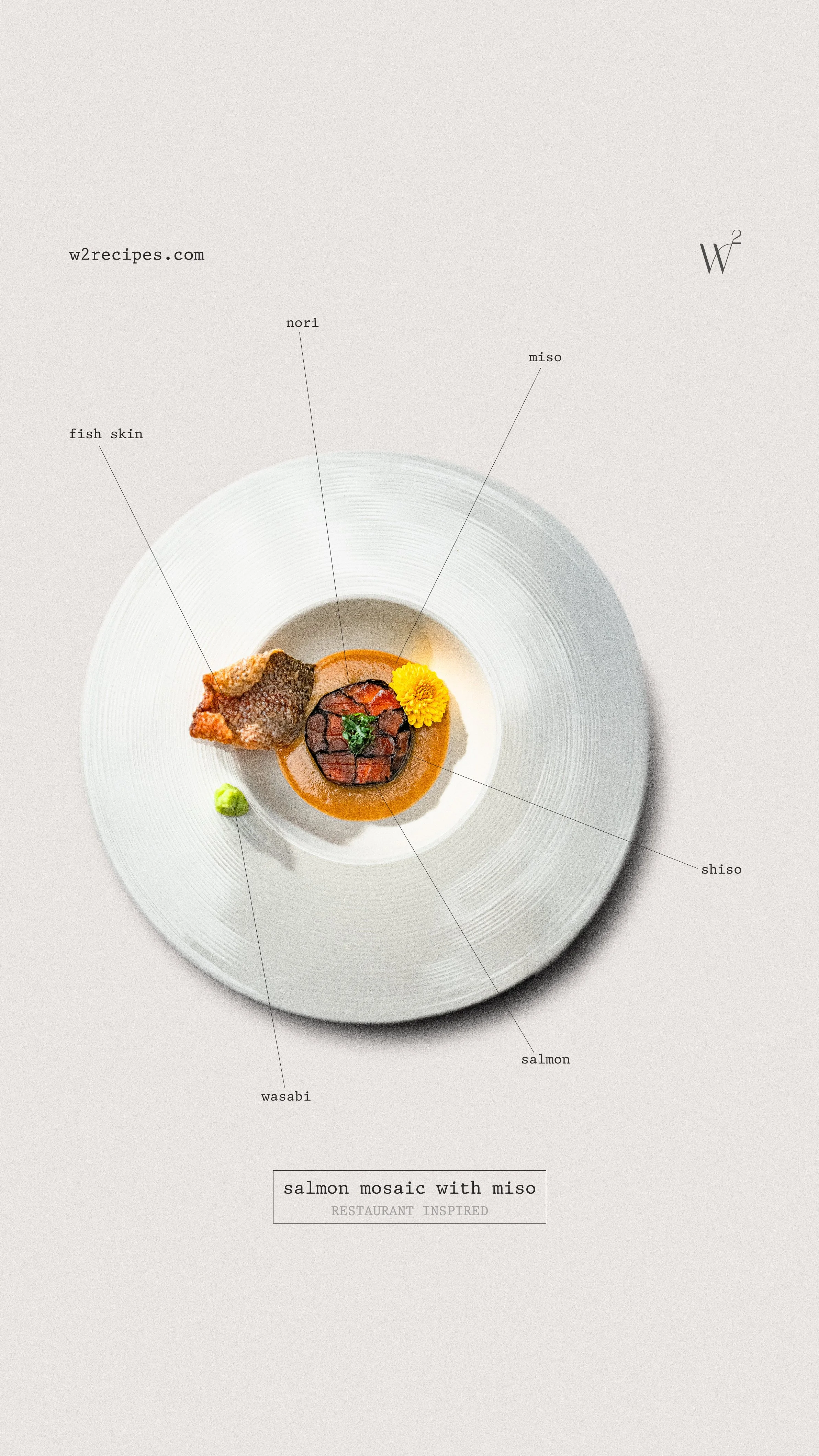
Re-Creation of Nobu | Global

Nobu is a renowned international restaurant and hotel chain known for its fusion of traditional Japanese and Peruvian ingredients, flavors, and culinary techniques. The first Nobu restaurant was co-founded by Japanese chef Nobu Matsuhisa, actor Robert De Niro, and film producer Meir Teper. The opening of the first Nobu restaurant took place in New York City in 1994.
Nobu restaurants have gained worldwide acclaim for their innovative dishes and sophisticated atmosphere. The culinary style of Chef Nobu Matsuhisa, often referred to as "Nobu-style" or "Nobu-Matsuhisa cuisine," incorporates Japanese techniques with Peruvian influences, resulting in a unique and memorable dining experience.
Key features of Nobu restaurants include:
Signature Dishes: Nobu is known for its signature dishes such as Black Cod Miso, Yellowtail Jalapeño, and Tiradito, among others. These dishes showcase Chef Nobu's creativity and the fusion of flavors from different culinary traditions.
High-Quality Ingredients: Nobu emphasizes the use of high-quality, fresh ingredients in its dishes, with an emphasis on seafood.
Sushi and Sashimi: While Nobu is famous for its innovative hot dishes, the restaurants also offer a variety of sushi and sashimi options, prepared with a modern twist.
Sake and Cocktails: Nobu often features an extensive selection of sake, as well as creative cocktails that complement the flavors of the cuisine.
International Presence: Since the opening of the first Nobu in New York, the brand has expanded globally with locations in major cities around the world, including London, Tokyo, Los Angeles, Dubai, and more.
Luxury Hotels: In addition to restaurants, the Nobu brand has expanded into the hospitality industry with Nobu Hotels. These hotels often feature the signature Nobu restaurant as part of their offerings.
It's important to note that each Nobu restaurant may have its own unique menu and atmosphere, but they generally share a commitment to delivering an elevated dining experience with a blend of Japanese and Peruvian culinary influences.
What is a Salmon Mosaic?
A salmon mosaic typically refers to a dish where salmon fillets are arranged in a decorative or artistic pattern, often with other ingredients such as vegetables, herbs, or sauces. The term "mosaic" suggests that the dish resembles an artistic mosaic made of various colorful elements. In culinary terms, it's a visually appealing presentation of salmon and other components arranged in an attractive manner on a plate. The specific ingredients and presentation can vary widely depending on the chef's creativity and the style of cuisine.


Key Ingredient?
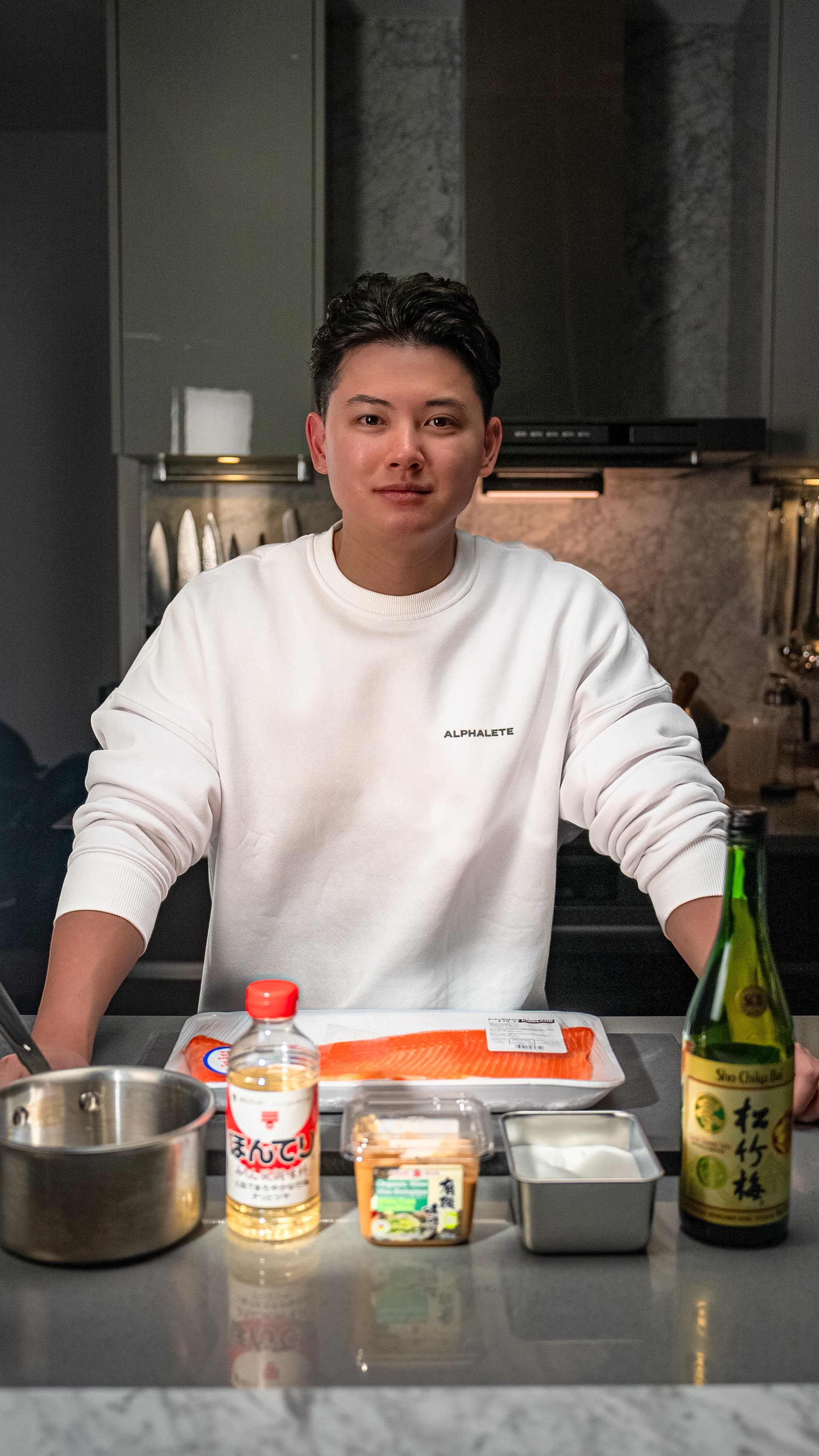
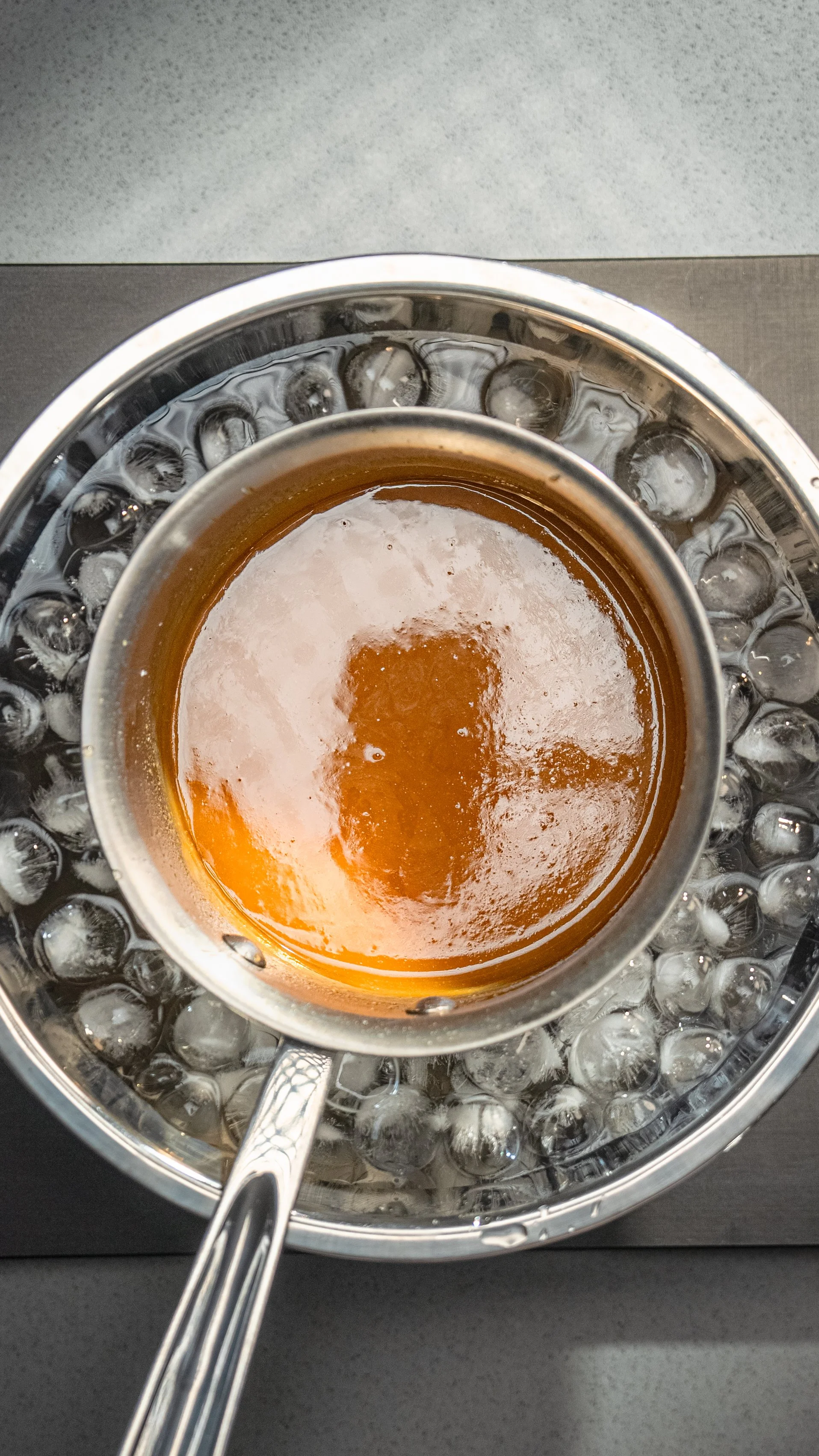
Miso
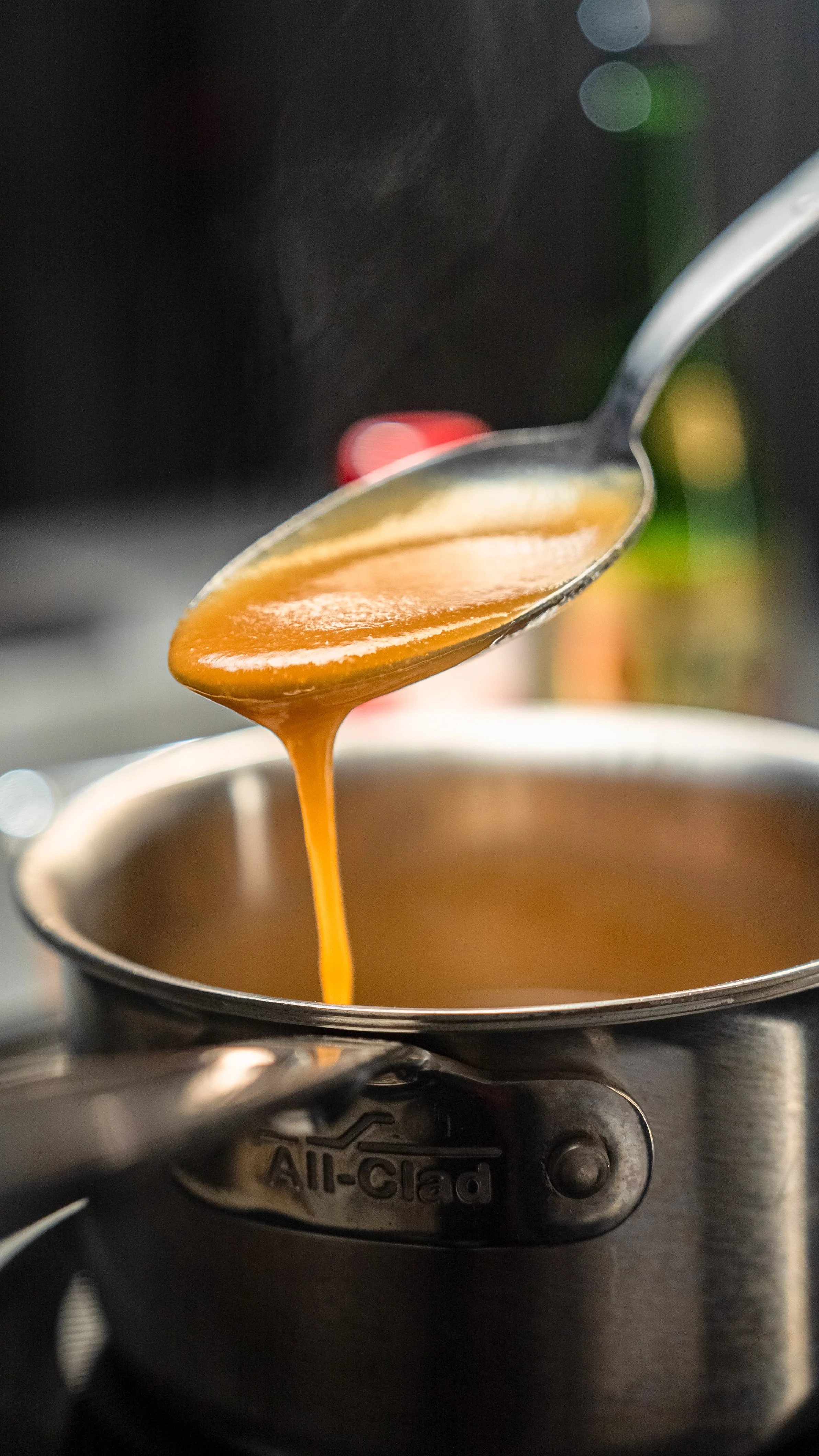
Nobu’s restaurant-inspired Miso, famously paired with the Black Cod served in all of his restaurants, adds a unique sweetness to any fish of your choice.
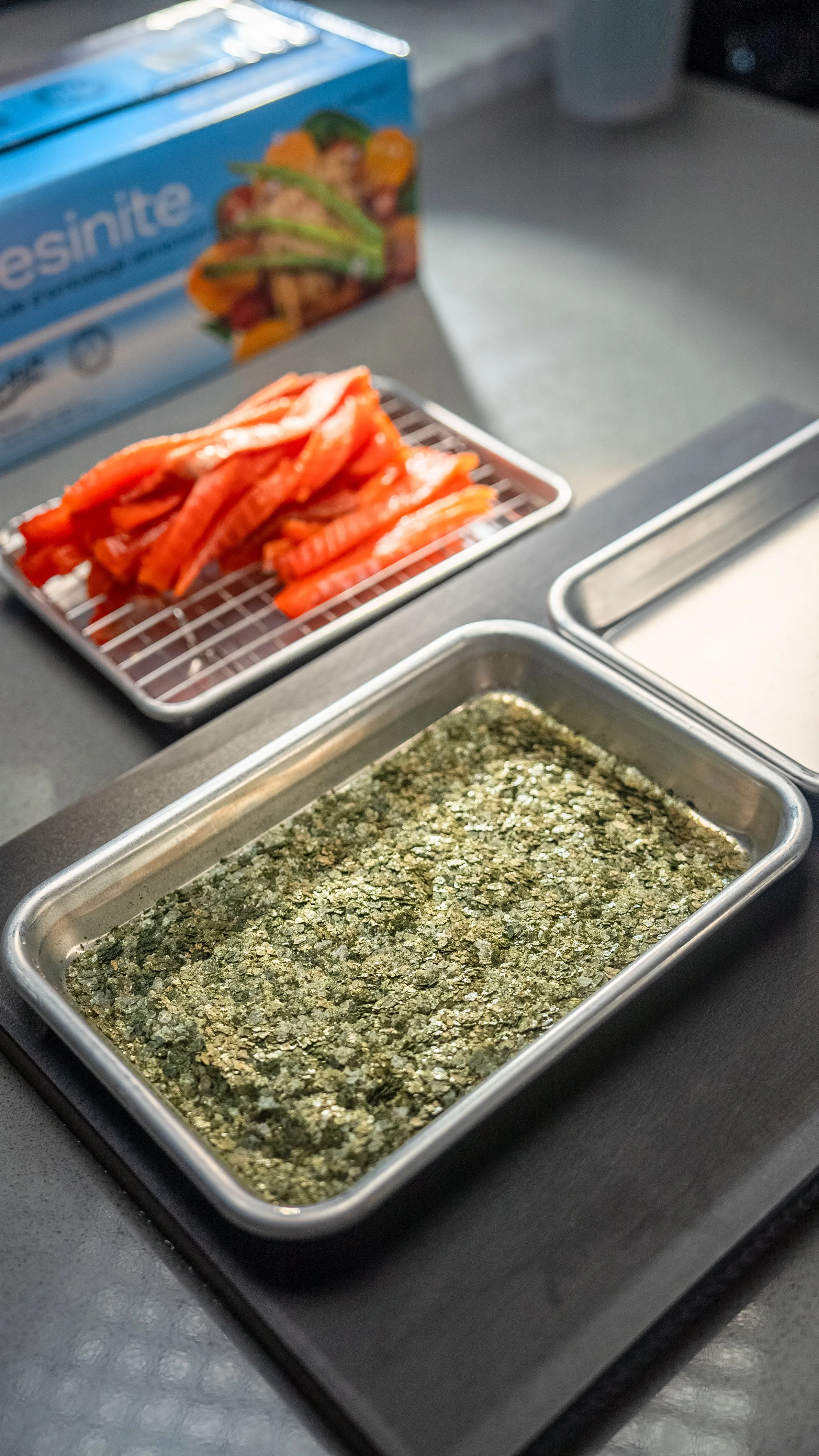
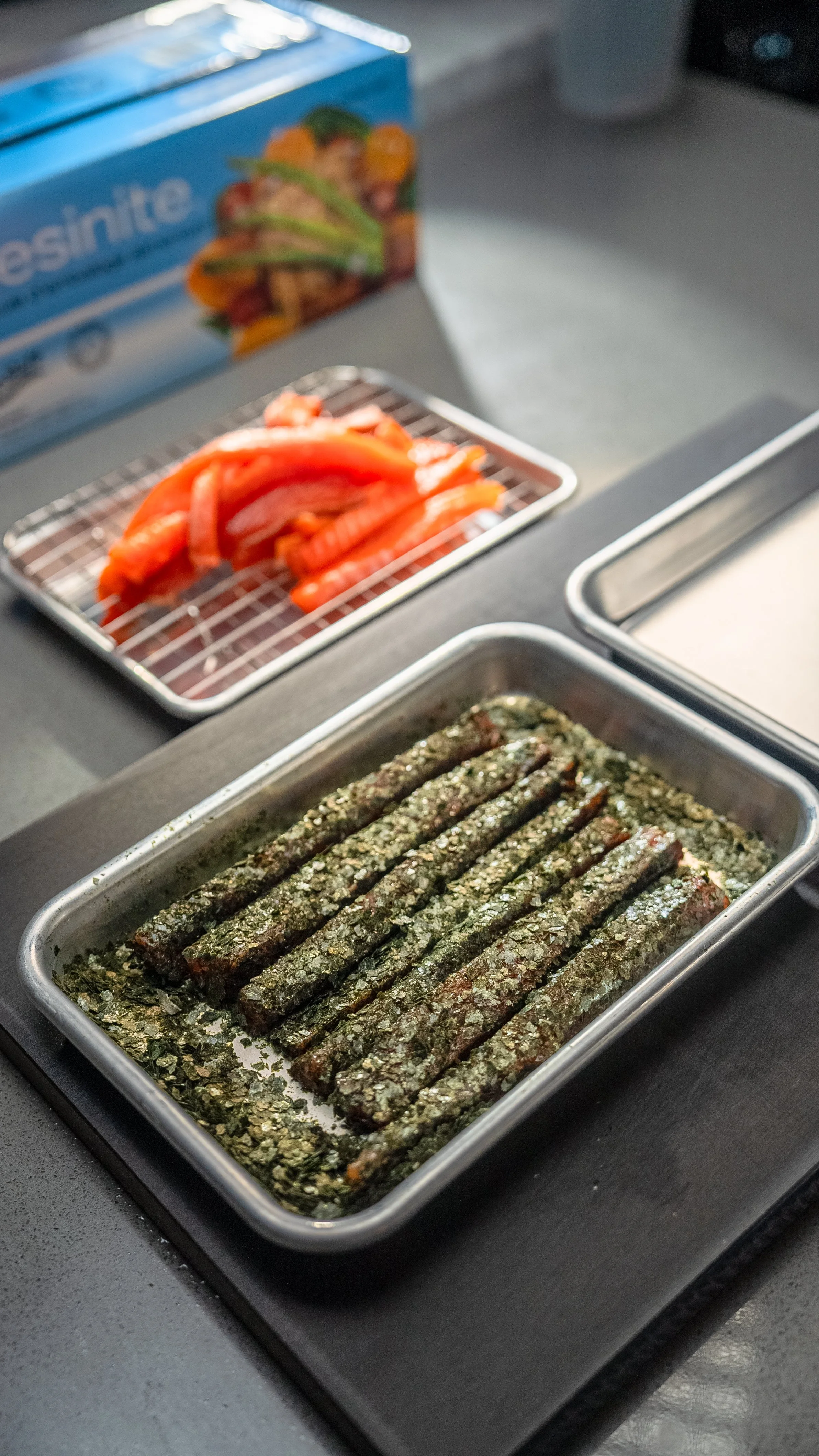
Marinade must be cooled completely before marinating. Reserve additional marinade for brushing before broiling and/or plating.




FAQs
What If I Don’t Have It?
See substitution suggestions above. For this recipe, the combination of all other ingredients is mandatory to create this flavorful dish.
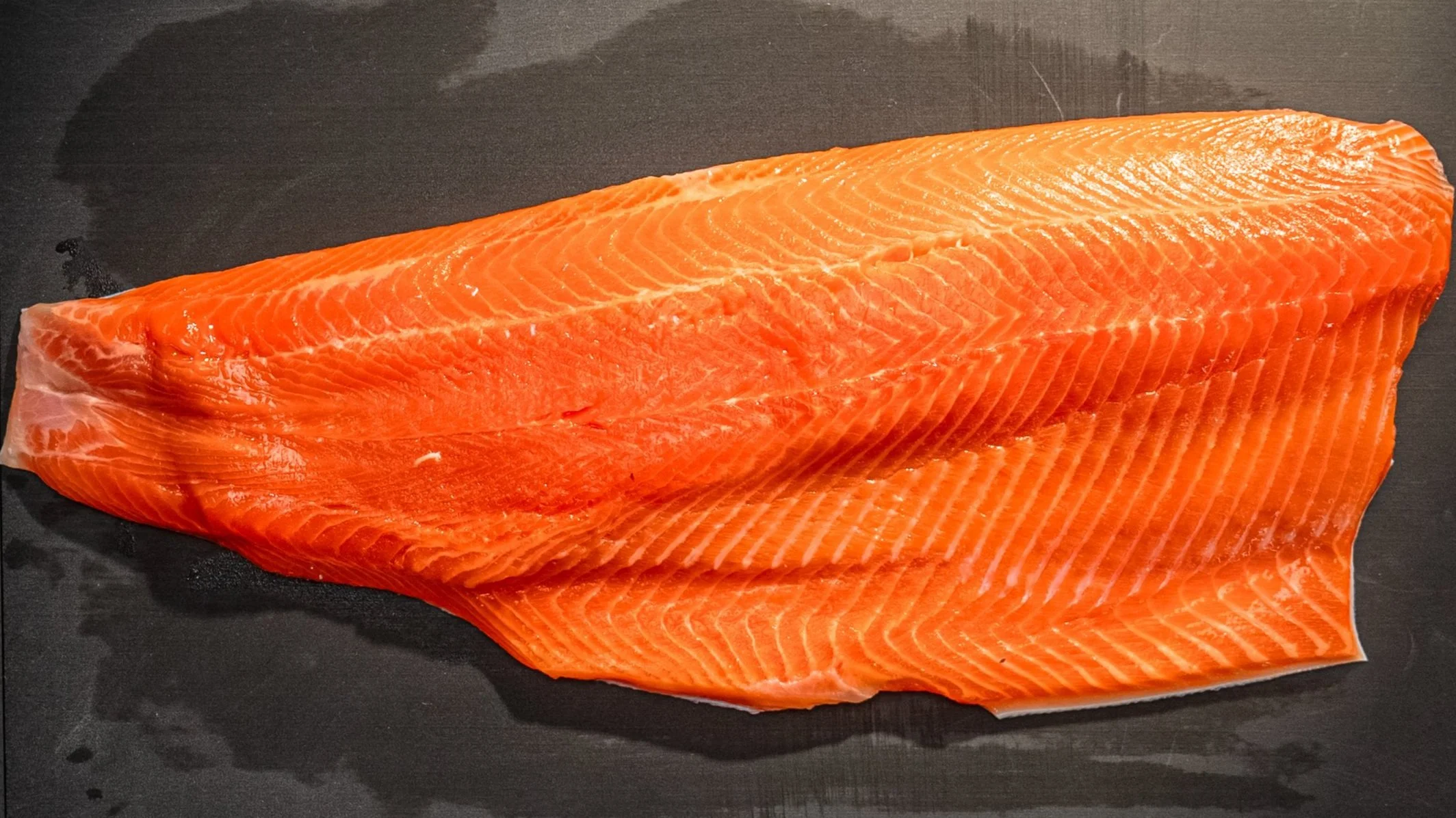
Farmed Salmon vs. Wild Salmon?
Farmed salmon and wild salmon are two distinct types of salmon with differences in their environment, diet, nutritional content, taste, and environmental impact:
Environment:
Farmed Salmon: Raised in aquaculture facilities, where conditions such as water temperature, quality, and feed are controlled. Farmed salmon spend their entire lives in captivity.
Wild Salmon: Born and raised in natural habitats such as oceans, rivers, and streams. They migrate and feed in the wild, facing natural environmental conditions and predators.
Diet:
Farmed Salmon: Typically fed a controlled diet consisting of fishmeal, fish oil, grains, and other supplements. The exact composition of the feed can vary depending on the farming practices and regulations.
Wild Salmon: Feed on a natural diet of smaller fish, plankton, shrimp, and other marine organisms found in their habitat.
Nutritional Content:
Farmed Salmon: Generally higher in fat content due to the controlled diet, which can lead to higher levels of omega-6 fatty acids. Farmed salmon may contain lower levels of omega-3 fatty acids compared to wild salmon.
Wild Salmon: Typically leaner and richer in omega-3 fatty acids, particularly eicosapentaenoic acid (EPA) and docosahexaenoic acid (DHA). Wild salmon also tend to have higher levels of essential nutrients such as vitamin D and selenium.
Taste and Texture:
Farmed Salmon: Often described as milder in flavor and having a softer texture compared to wild salmon. The taste can vary depending on factors such as the farming method, diet, and processing.
Wild Salmon: Generally considered to have a more pronounced flavor, with a firmer texture. The taste of wild salmon can vary depending on the species, habitat, and season.
Environmental Impact:
Farmed Salmon: Can have environmental concerns related to water pollution, disease transmission, use of antibiotics and chemicals, and impacts on wild fish populations and ecosystems.
Wild Salmon: Generally considered more environmentally sustainable, as they support natural ecosystems and fisheries. However, wild salmon populations may face threats from overfishing, habitat destruction, pollution, and climate change.
When choosing between farmed and wild salmon, individuals may consider factors such as taste preference, nutritional content, environmental impact, and budget. Both types of salmon can be part of a healthy diet, but it's essential to make informed choices based on personal preferences and values.
Is Costco salmon okay to eat?
Yes, Costco sells a variety of salmon products, including fresh, frozen, and smoked salmon, which are generally safe to eat when handled and cooked properly. However, as with any perishable food, it's essential to follow proper food safety practices to minimize the risk of foodborne illness.
Costco will not publicly state that eating salmon raw is okay as it poses a huge liability in case something goes wrong. But numerous employees have reached out to me and said that they know people that eat Costco salmon raw without any issues. This is not 100% reliable as it will be dependent on which region’s Costco you’re buying from and how each fish is treated.
When purchasing salmon from Costco or any other retailer, consider the following tips:
Freshness: Choose salmon fillets or whole fish that appear fresh and have firm flesh. Avoid fish with an off odor, slimy texture, or discoloration.
Storage: If purchasing fresh salmon, refrigerate it promptly and store it at or below 40°F (4°C) to prevent bacterial growth. Use fresh salmon within a few days of purchase or freeze it for longer storage.
Handling: Use clean utensils and surfaces when handling raw salmon to prevent cross-contamination with other foods. Wash your hands thoroughly before and after handling raw fish.
Cooking: Cook salmon thoroughly to an internal temperature of at least 145°F (63°C) to kill any harmful bacteria or parasites that may be present. If consuming raw salmon, consider freezing it first to reduce the risk of parasite contamination.
Labeling: Pay attention to product labels and packaging to ensure that the salmon meets your preferences and dietary needs. Look for information about whether the salmon is wild-caught or farm-raised, as well as any added ingredients or preservatives.
Overall, Costco's salmon products are generally safe to eat when handled and prepared properly. However, it's essential to inspect the fish for freshness, follow recommended storage and cooking guidelines, and practice good food safety habits to minimize the risk of foodborne illness.
How to treat parasites and worms in farmed salmon?
I would say that improper food handling such as leaving fish at room temperature poses a higher risk of bacteria growth than eating farmed salmon with parasites and worms. Depending on how you look at it and what the perceived risks are, take caution on how to prepare your salmon.
If you're concerned about parasite worms in farmed salmon, there are several steps you can take to treat the fish before consumption:
Freezing: Freezing salmon at temperatures of -4°F (-20°C) or below for at least 7 days is an effective method for killing parasites, including worms. This process should be done before consuming the salmon raw or undercooked.
Cooking: Cooking salmon thoroughly to an internal temperature of at least 145°F (63°C) will kill any parasites or worms present. Ensure that the fish is cooked evenly and that the flesh is opaque and flakes easily with a fork.
Visual Inspection: Before cooking or consuming the salmon, inspect it for any signs of parasites or worms. Look for any visible worms or larvae in the flesh or around the abdominal cavity. If you notice any abnormalities, discard the fish.
Source Selection: Choose farmed salmon from reputable suppliers and retailers that adhere to strict hygiene and safety standards. Look for salmon products labeled as sushi-grade or suitable for raw consumption if you plan to eat it raw or undercooked.
Prevention: To minimize the risk of parasite contamination in farmed salmon, ensure that it is handled and stored properly. Keep the fish refrigerated or frozen until ready to use, and avoid cross-contamination with other foods.
It's important to note that while parasite worms in salmon are relatively rare, taking these precautions can help ensure the safety of the fish for consumption. If you're unsure about the quality or safety of the salmon, it's best to cook it thoroughly or consult a healthcare professional for guidance.
What is sushi grade?
"Sushi grade" is a term used to describe fish or seafood that is of a high enough quality to be consumed raw in sushi or sashimi dishes. However, it's essential to understand that "sushi grade" is not a regulated term in most countries, including the United States, and there are no specific industry standards or certifications for labeling fish as such.
The term "sushi grade" is more of a marketing term used by fishmongers, seafood suppliers, and retailers to indicate that the fish has been handled and processed in a way that minimizes the risk of foodborne illness when consumed raw. This typically involves:
Freshness: Sushi-grade fish should be exceptionally fresh, ideally caught and processed on the same day. Freshness is critical to ensure the fish has a pleasant texture and flavor and to minimize the risk of spoilage.
Quality: Sushi-grade fish is typically of high quality, with firm flesh and a clean, fresh aroma. It should be free from any off odors, discoloration, or other signs of spoilage.
Handling: Sushi-grade fish is handled with care to prevent contamination and maintain its quality. This includes proper storage and transportation at controlled temperatures, as well as strict sanitation practices to minimize the risk of bacterial growth and foodborne illness.
Freezing: Some suppliers may freeze fish intended for raw consumption to kill parasites and ensure safety. Freezing fish at temperatures of -4°F (-20°C) or below for at least 7 days is an effective method for killing parasites.
When purchasing fish labeled as "sushi grade," it's essential to buy from reputable suppliers and retailers known for their quality and freshness. Additionally, if you plan to consume raw fish at home, it's crucial to handle and store it properly, following food safety guidelines to minimize the risk of foodborne illness.
Overall, while the term "sushi grade" can be helpful in indicating fish suitable for raw consumption, it's essential to use discretion and rely on trusted sources when selecting fish for sushi or sashimi dishes.
What is the technique to skin salmon?
Cut a slit at the tail end of the fillet, always maximize your yield. Enough to give yourself grip and leverage. You can also cut a hole through the skin, enough for your thumb to go into for grip.
Using a sharp knife, keep your knife at a 45-degree angle while wiggling the skin back and forth holding your knife in place. Wrap the skin around your hand as you get closer to the end for better leverage. You should not be slicing with your knife. By doing so, you will lose flesh and tear your fillet.
Why is my Fish Skin not crispy?
The most important tip for making Fish Skin crispy is to draw out as much moisture as possible by air-drying for long enough.
Salt can also be used to help draw out moisture. This applies to meats, fish, and vegetables.
When fish skin looks dry, it will start to curl up a little. Before baking/broiling, put another baking tray on top to keep fish skin flat for a nice even visual.
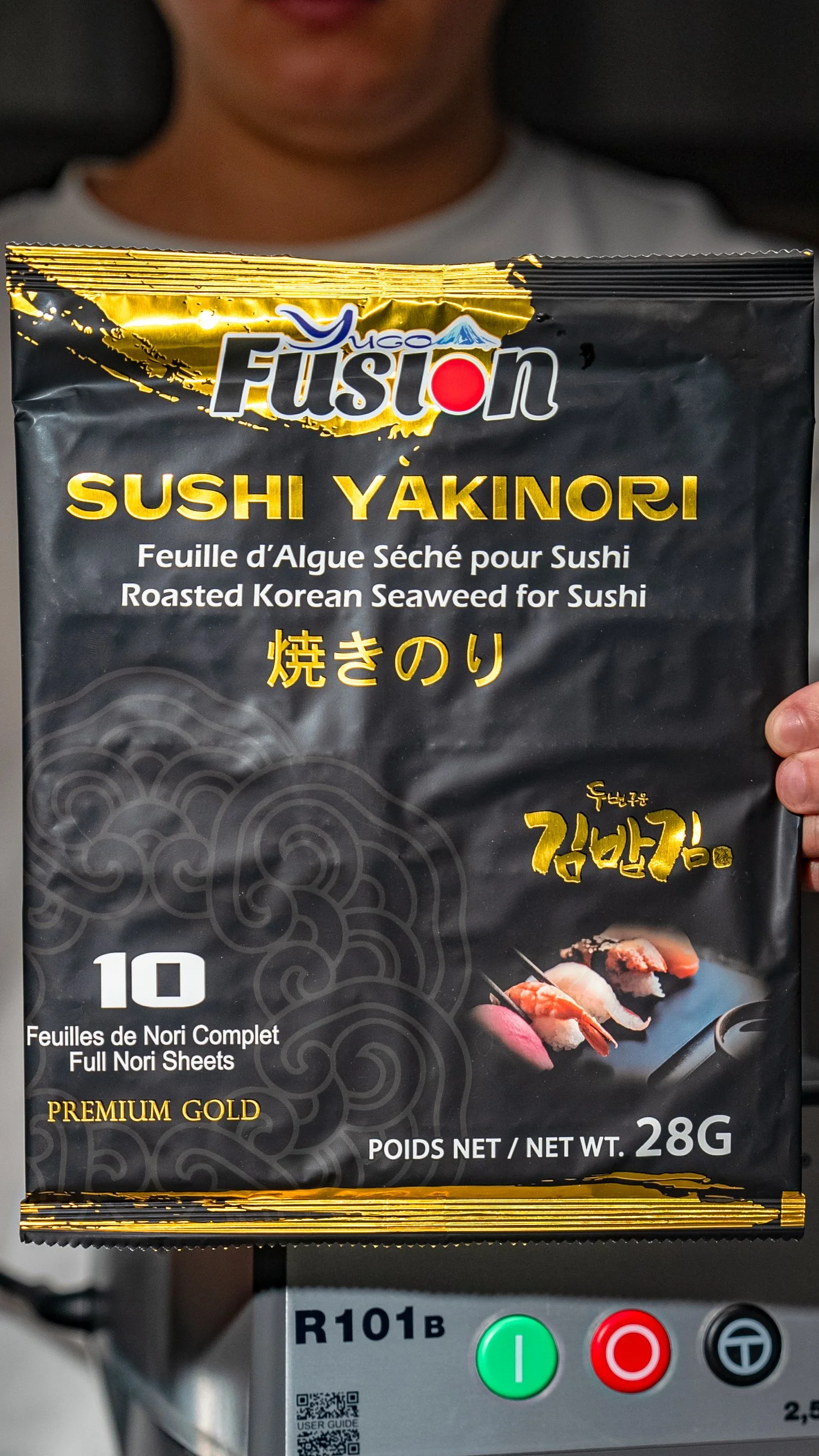
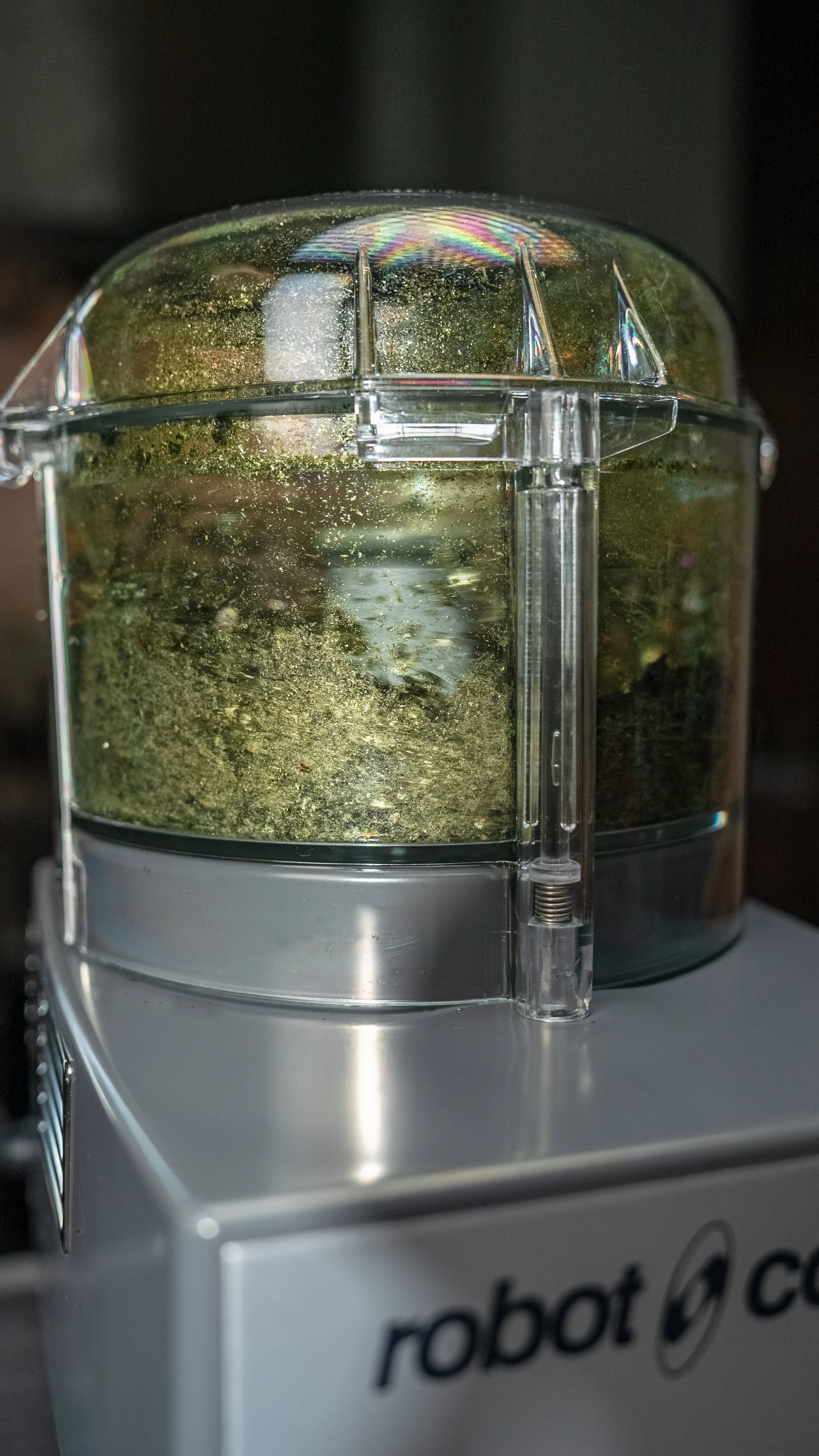
Why does Roasted Nori need to be heated?
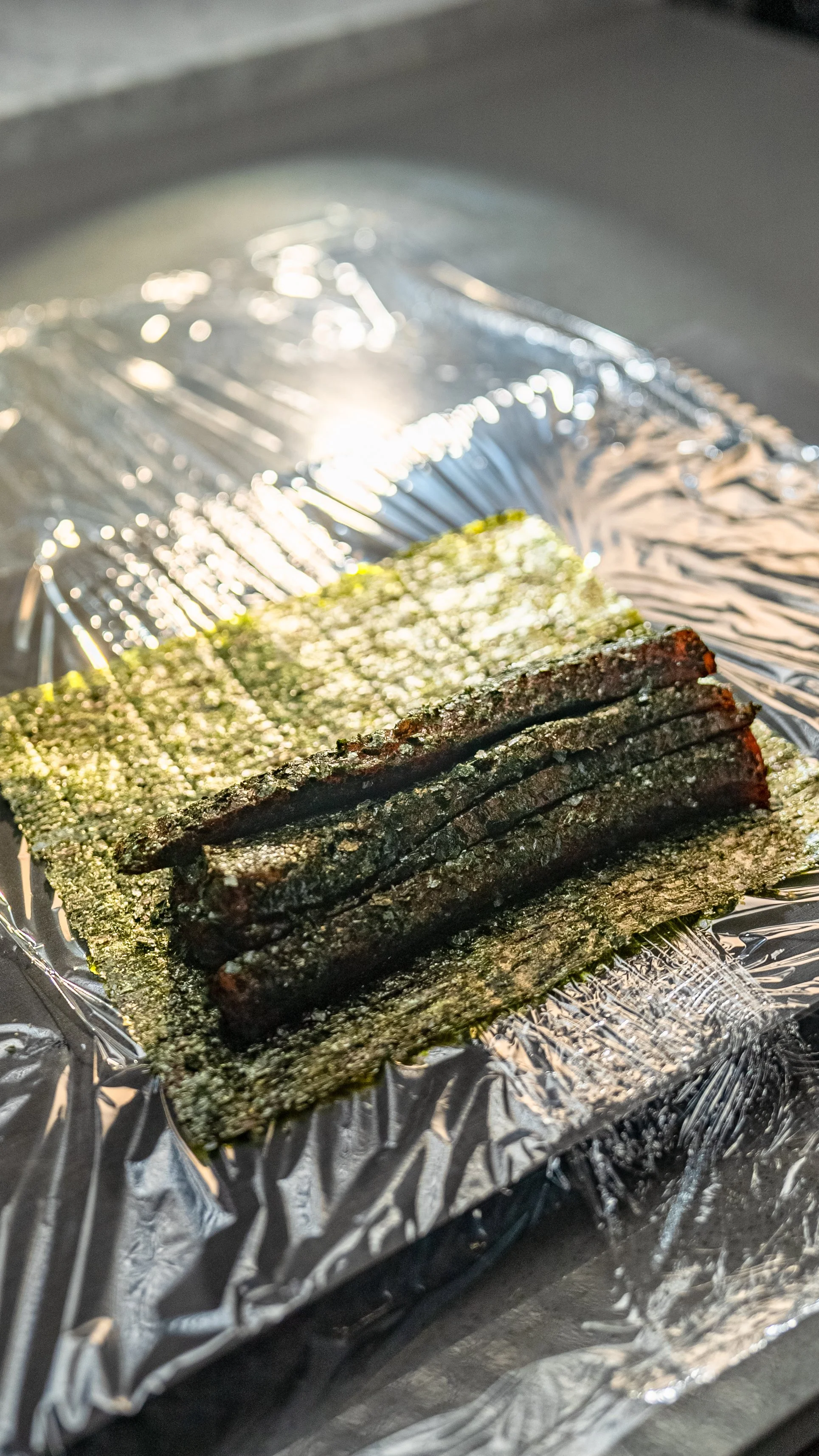
Roasted nori, or seaweed sheets, is a common ingredient used in sushi rolls and other Japanese dishes. Heating roasted nori before rolling serves a couple of purposes:
Enhanced Flavor and Aroma: Heating the nori briefly over a flame or stove can help release its natural oils and enhance its flavor and aroma. This step adds depth to the overall taste of the mosaic.
Texture and Pliability: Heating the nori makes it more pliable and easier to work with when rolling. It helps prevent the nori from cracking or tearing during the rolling process, resulting in a smoother and more uniform mosaic.
While heating roasted nori is a common practice in sushi making, it's not strictly necessary, especially if the nori is fresh and pliable. However, many sushi chefs prefer to heat the nori briefly before rolling to ensure optimal flavor, texture, and presentation of the mosaic.
Why does this recipe use Xylitol?
According to an insider at Nobu Restaurants, they use Xylitol instead of White Sugar in their Miso marinades.
Xylitol and white sugar are both sweeteners, but they differ in several aspects, including their chemical composition, sweetness, taste, and potential health effects. Here's a comparison:
Chemical Composition:
Xylitol: Xylitol is a sugar alcohol, which is a type of carbohydrate. It occurs naturally in many fruits and vegetables but is also produced commercially from plant sources such as birch trees or corn cobs.
White Sugar: White sugar, also known as sucrose, is a disaccharide composed of one molecule of glucose and one molecule of fructose. It is typically extracted from sugar cane or sugar beets.
Sweetness:
Xylitol: Xylitol is approximately as sweet as sucrose (white sugar) but has fewer calories. It is often used as a sugar substitute in foods and beverages marketed to people with diabetes or those seeking to reduce their calorie intake.
White Sugar: White sugar is a high-intensity sweetener and provides a strong sweetness to foods and beverages. It is commonly used in cooking, baking, and sweetening beverages.
Taste:
Xylitol: Xylitol has a sweet taste similar to sugar but with a slightly cooling sensation, similar to mint. Some people may find it less sweet than sugar, but it generally provides a pleasant sweetness.
White Sugar: White sugar has a sweet taste without any additional sensations. It is often described as having a clean, neutral sweetness.
Health Effects:
Xylitol: Xylitol has a lower glycemic index than sugar, meaning it has less of an impact on blood sugar levels. It also has fewer calories than sugar. Xylitol is considered tooth-friendly and may help reduce the risk of cavities, as it does not promote tooth decay like sugar does. However, excessive consumption of xylitol can cause digestive issues such as gas, bloating, and diarrhea, especially when consumed in large quantities.
White Sugar: White sugar is high in calories and can contribute to weight gain and an increased risk of chronic diseases such as obesity, type 2 diabetes, and heart disease. It also promotes tooth decay when consumed frequently and in large amounts.
In summary, xylitol is often used as a sugar substitute due to its lower calorie content, tooth-friendly properties, and lower impact on blood sugar levels compared to white sugar. However, it's essential to use xylitol in moderation and be aware of its potential digestive side effects, especially when consumed in large quantities.
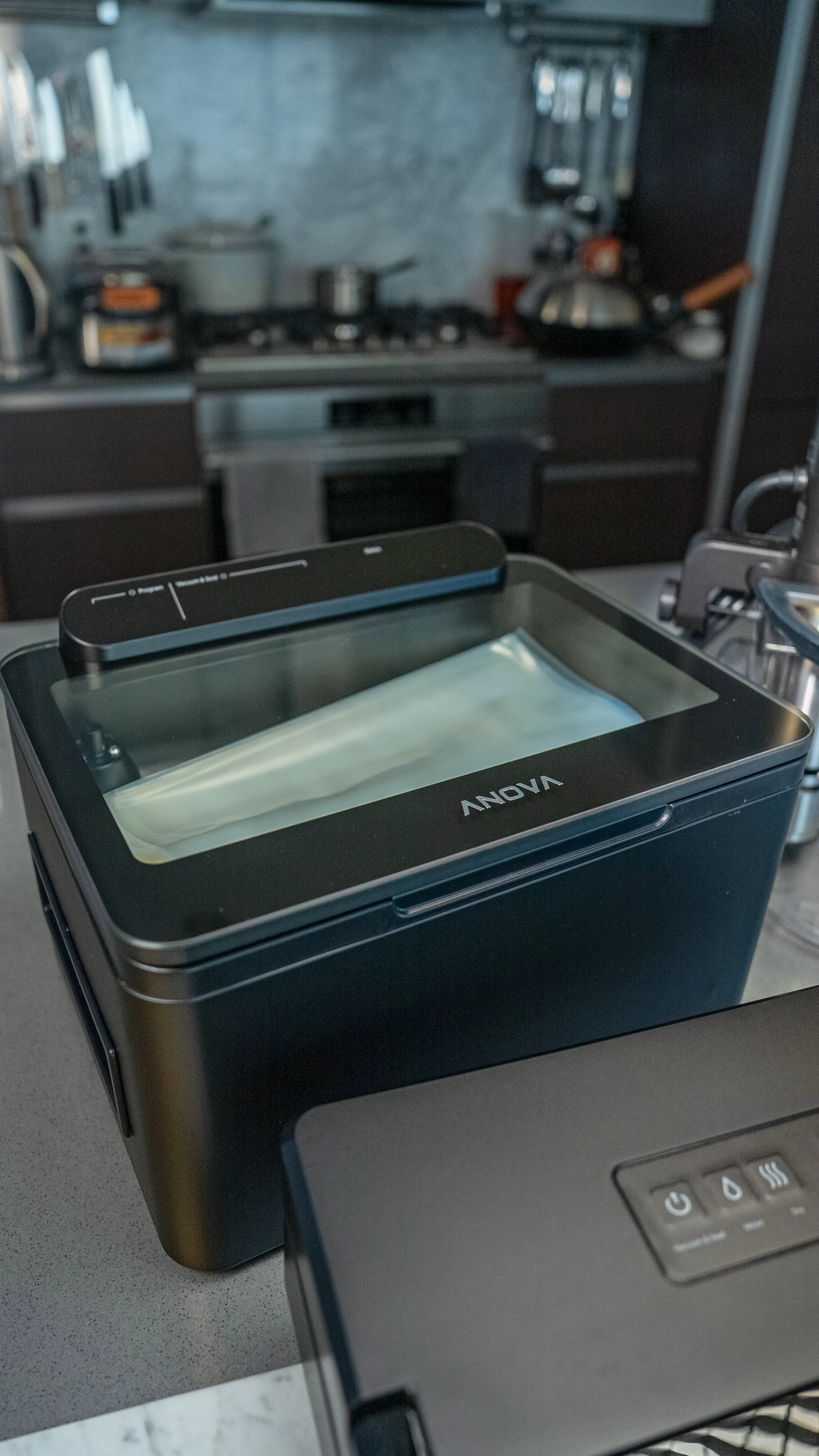
Vacuum Sealing vs. Ziploc
Both vacuum sealing and using Ziploc bags are effective methods for marinating food, but they have some differences in their advantages and uses:
Advantages:
Removes air from the package, ensuring maximum contact between the marinade and the food, which can result in more thorough and even marination.
Helps prevent oxidation and freezer burn, extending the shelf life of the marinated food when stored in the refrigerator or freezer.
Can be more efficient for marinating large quantities of food or items with irregular shapes, as vacuum-sealed bags conform closely to the shape of the food.
Disadvantages:
Requires a vacuum sealer machine, which can be an additional expense if you don't already own one.
Vacuum sealing liquids can be tricky, as the liquid can be sucked into the machine's vacuum chamber, potentially damaging the equipment.
May not be suitable for delicate or soft foods, as the vacuum pressure can crush or deform them.
Ziploc Bags:
Advantages:
Convenient and widely available, with no need for special equipment.
Easy to seal and open, allowing for quick and simple access to the marinated food.
Suitable for marinating both small and large quantities of food, as you can use bags of various sizes.
Disadvantages:
Does not remove air from the package, so there may be less contact between the marinade and the food, resulting in less thorough marination.
May be more prone to leaks or spills, especially if the bag is overfilled or not sealed properly.
Can be less effective for long-term storage in the refrigerator or freezer, as the lack of air removal may lead to faster deterioration of the food.
Ultimately, the choice between vacuum sealing and using Ziploc bags for marinating depends on factors such as convenience, available equipment, the type of food being marinated, and personal preference. Both methods can be effective, so it's essential to use the one that best suits your needs and circumstances.
Do I have to air-dry salmon for 24 hours?
It is not necessary if using prepared “sushi grade” salmon.
Air-drying concentrates flavor, improves texture by firming up slightly, and draws out moisture. Drawing out moisture will help with extracting any parasites or worms but is not a reliable method to remove. Deep freezing for 7 days when freshly caught is the best way to ensure salmon can be safely eaten raw.
Other Restaurant Inspired Recipes
Restaurant Inspired (Cactus Club Cafe, Din Tai Fung, Mui Garden, Nobu, Phnom Penh Restaurant, The Lunch Lady)
Love the recipe?
Make sure to follow me on Instagram, TikTok, YouTube, and Pinterest to stay up to date with all of my content!
Sign up for my free newsletter to receive cooking tips & recipe updates!
If you made this recipe, send me a picture and tag it with #W2Recipes.
I would love to see your re-creations on Instagram @willhkwong.
If you liked this recipe, Pin it to Pinterest! 👇🏻


Chicken brine is a solution of salt, water, and often other flavor-enhancing ingredients used to soak chicken before…