
This post may contain affiliate links. Please read my disclosure policy for details.
As an Amazon Associate, I earn from qualifying purchases.
What is Soondubu Jjigae?
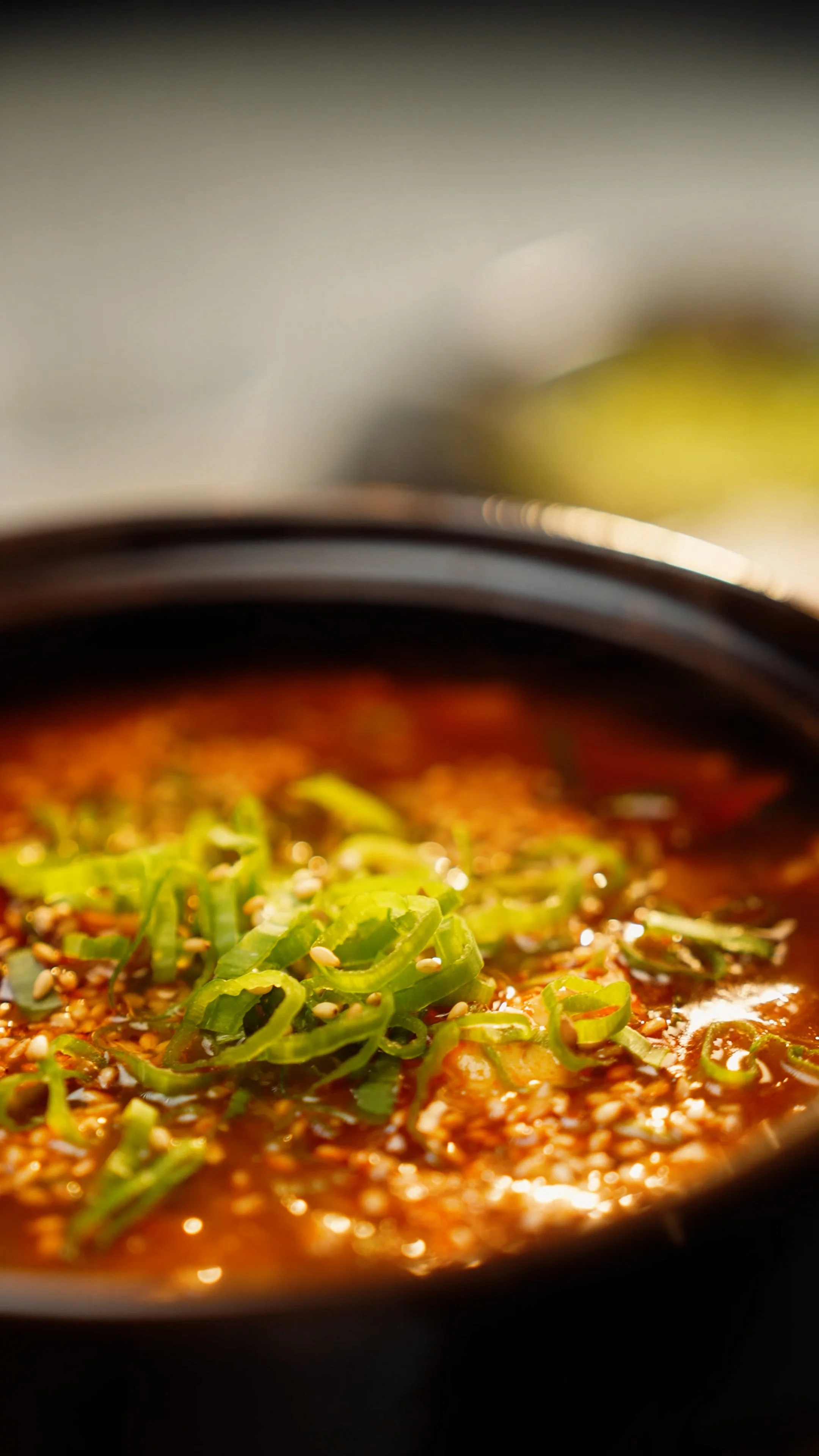
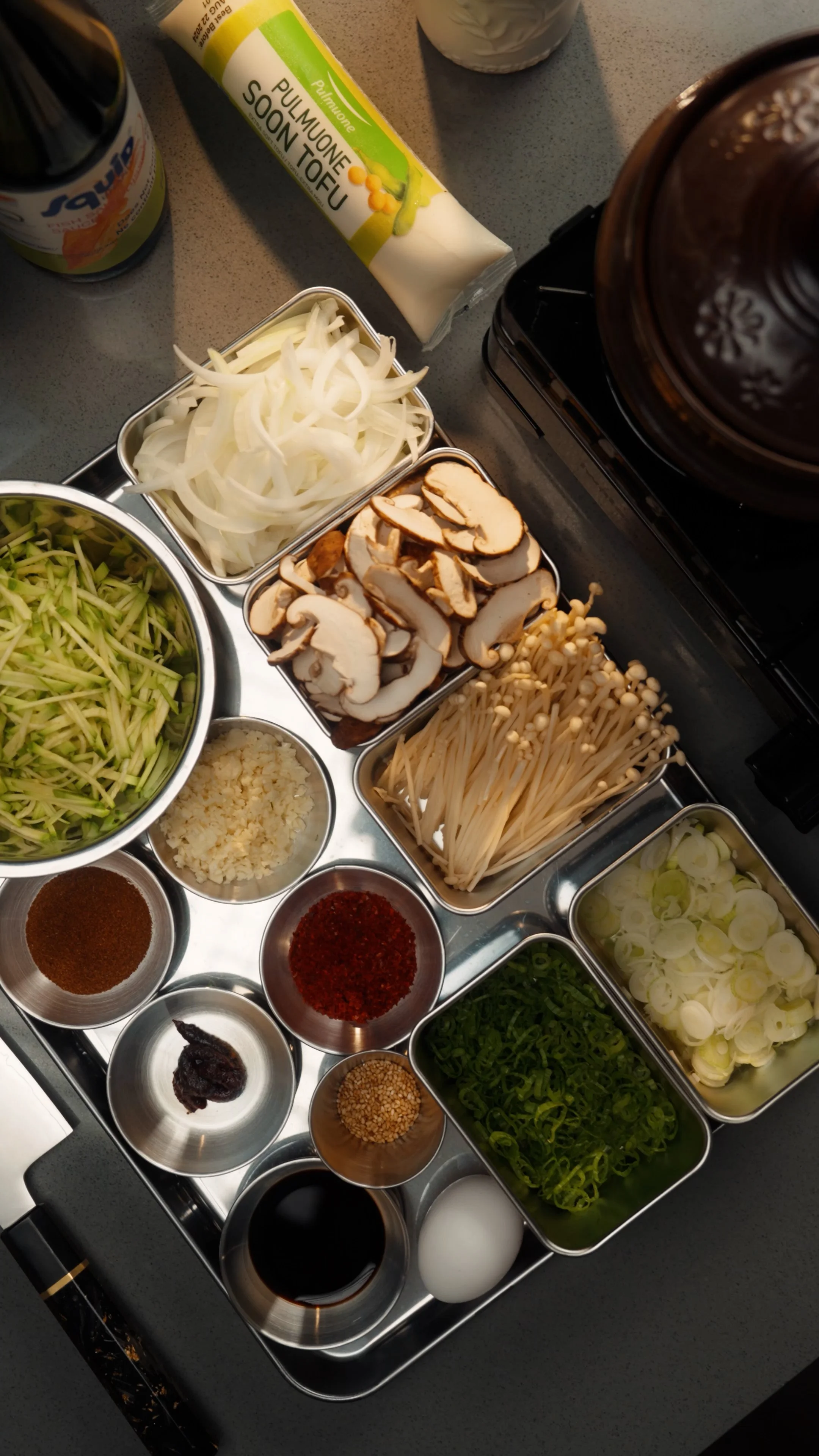
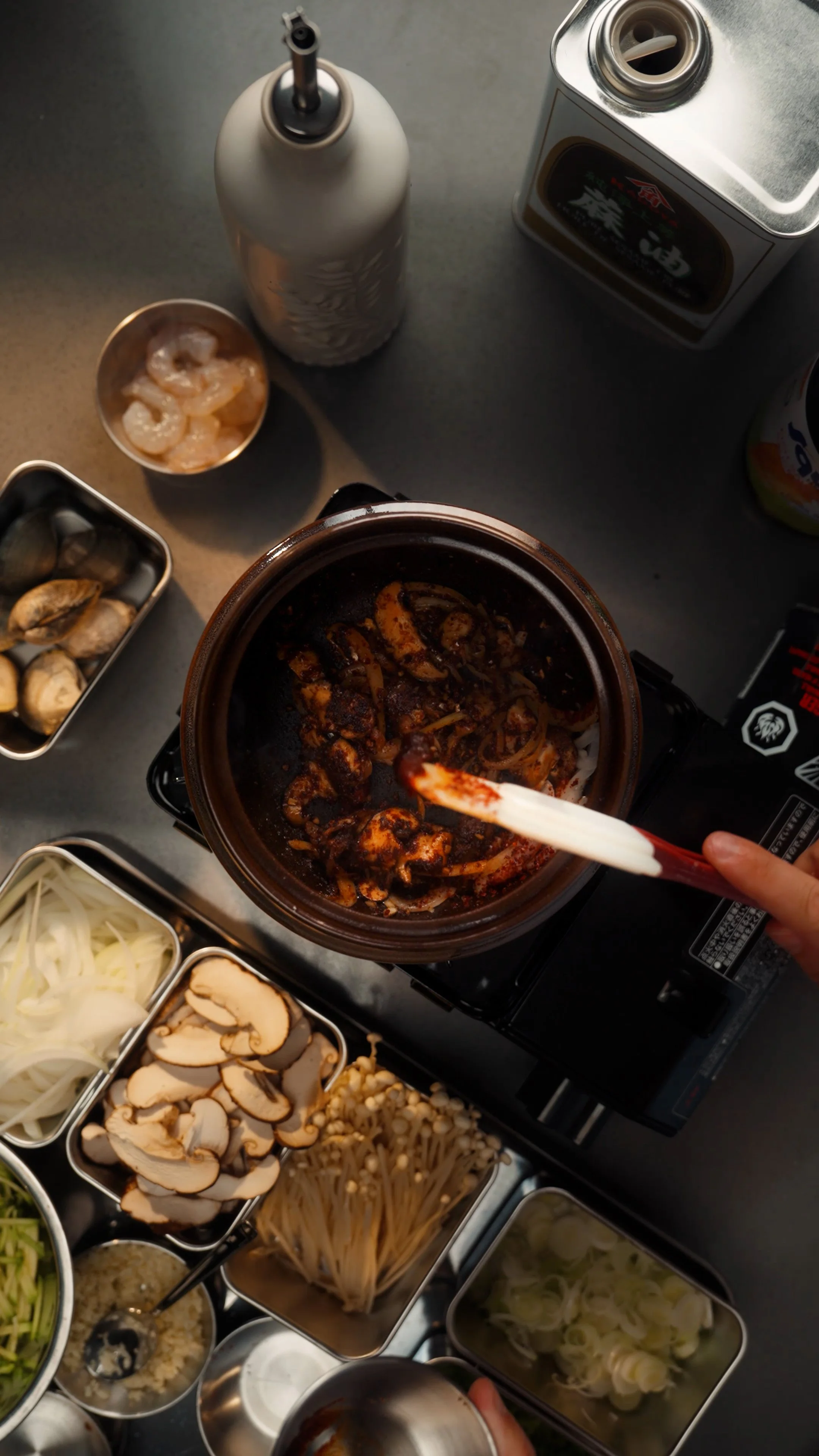
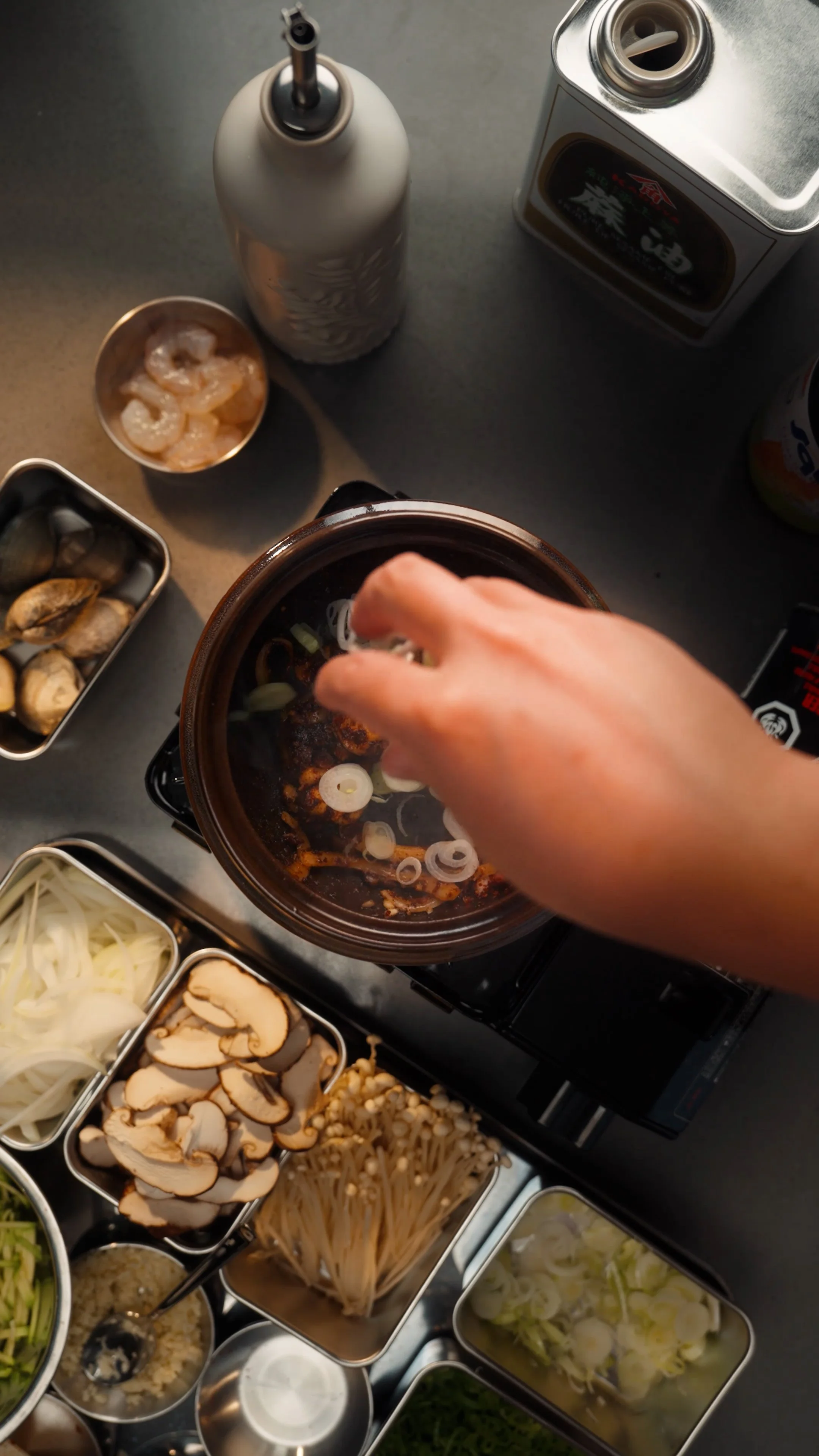
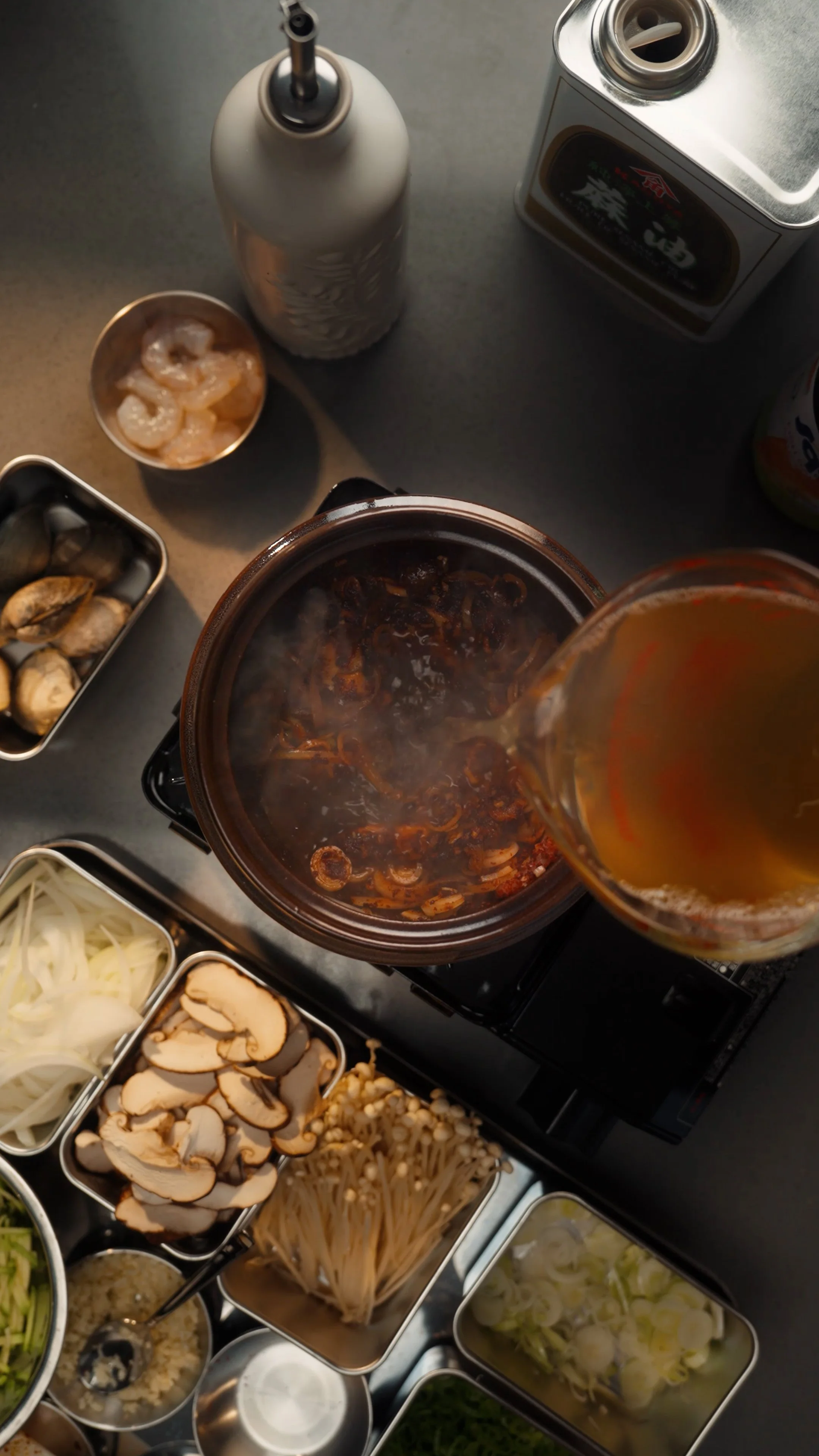
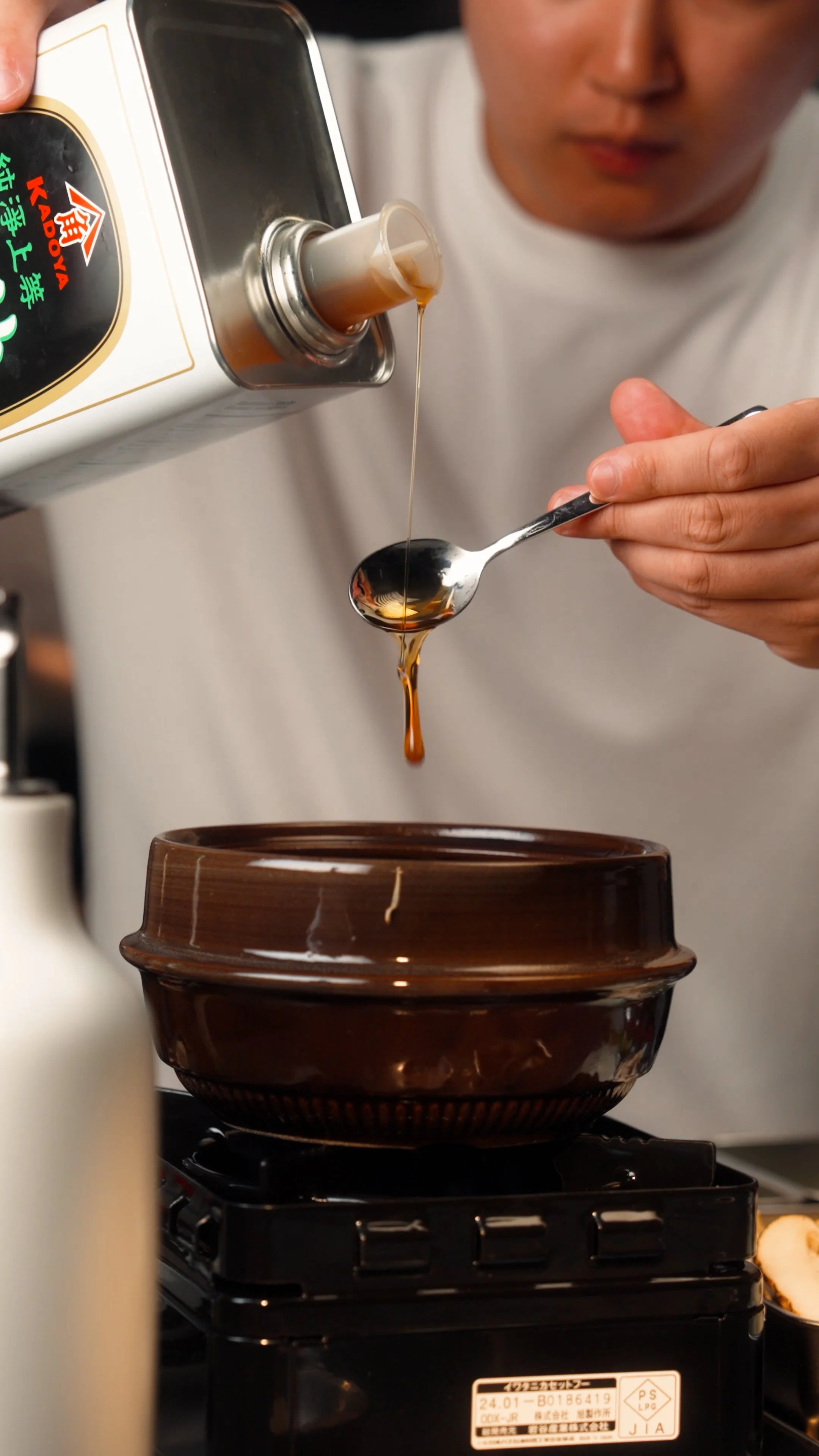
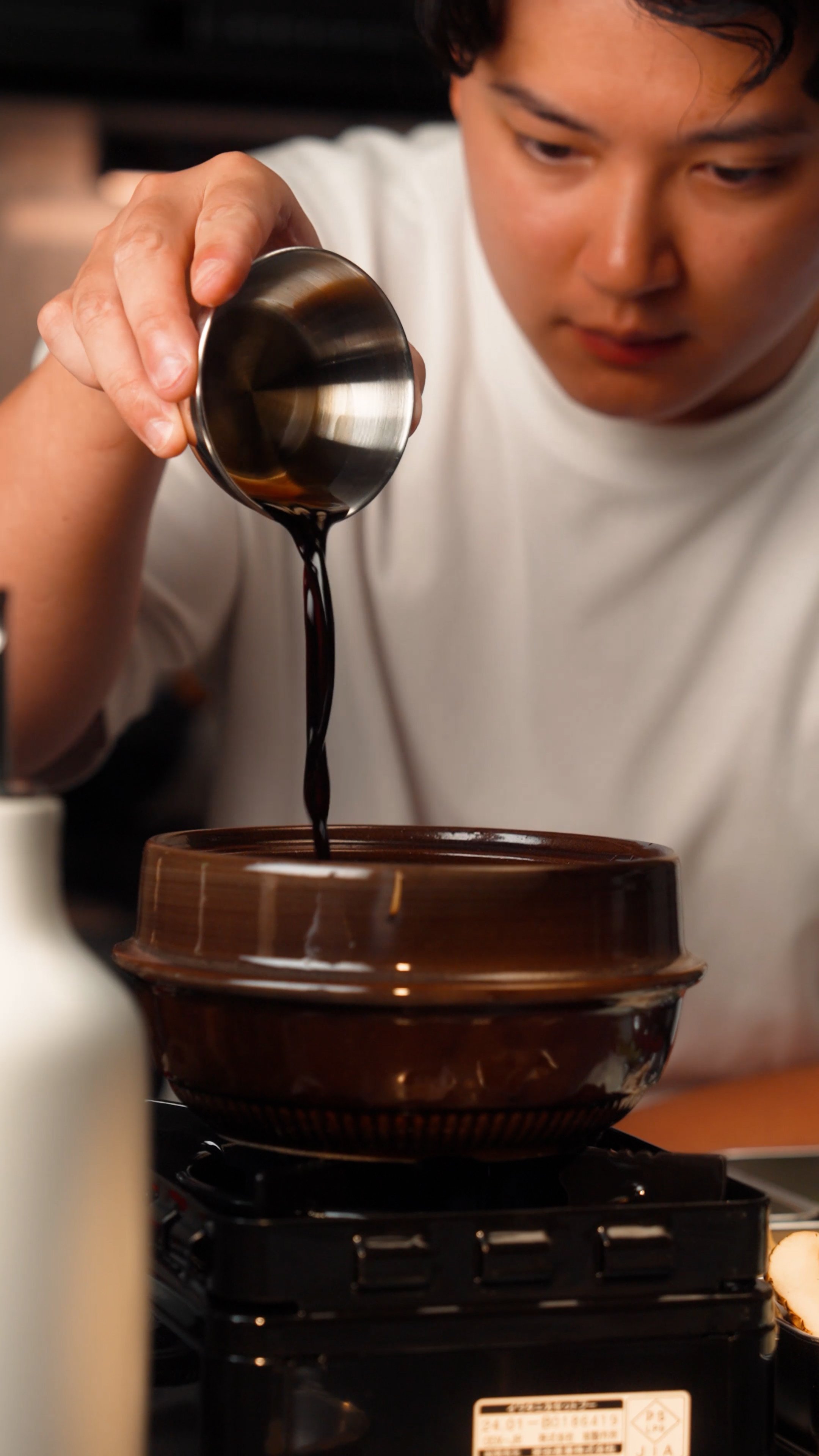
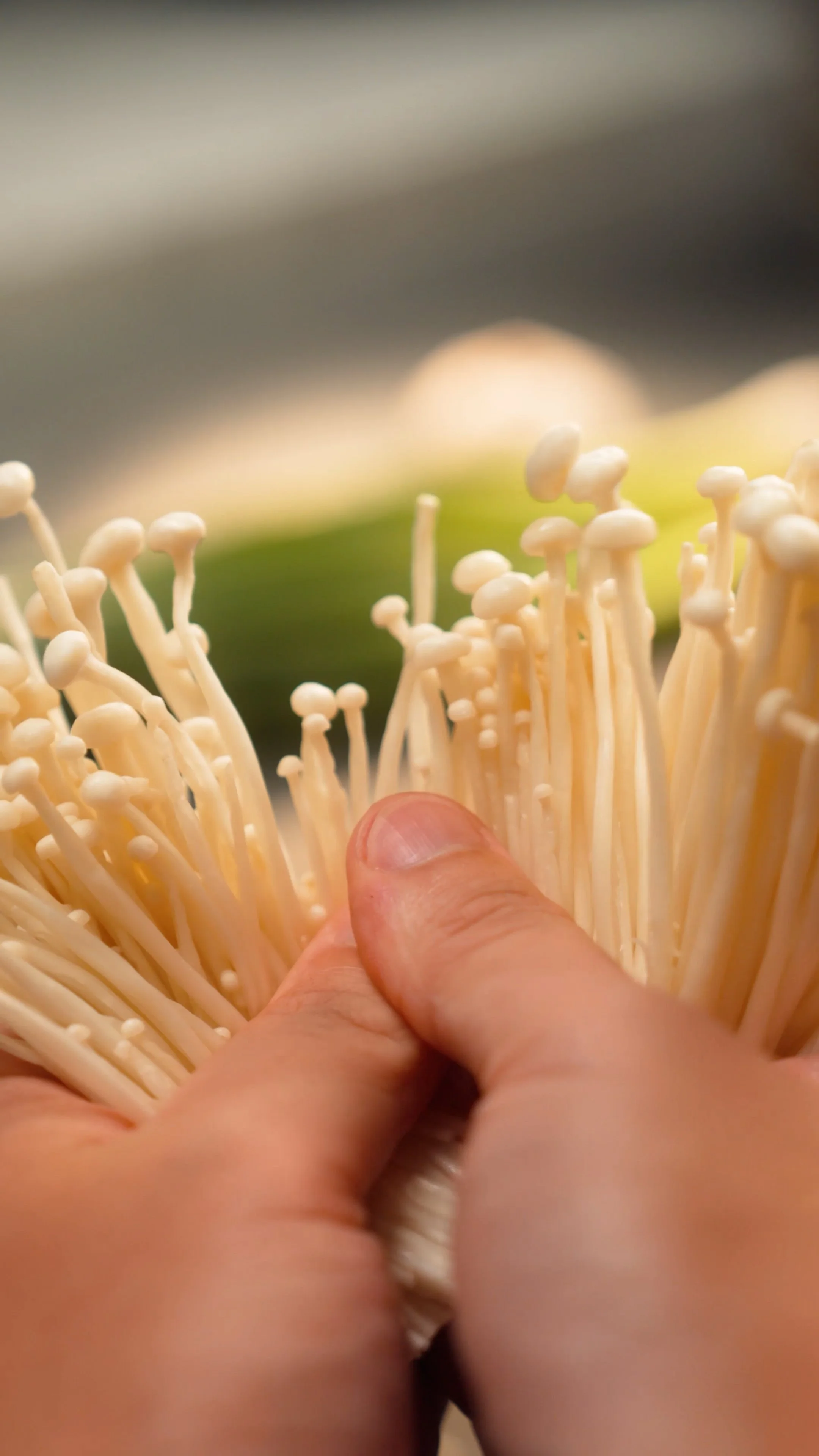
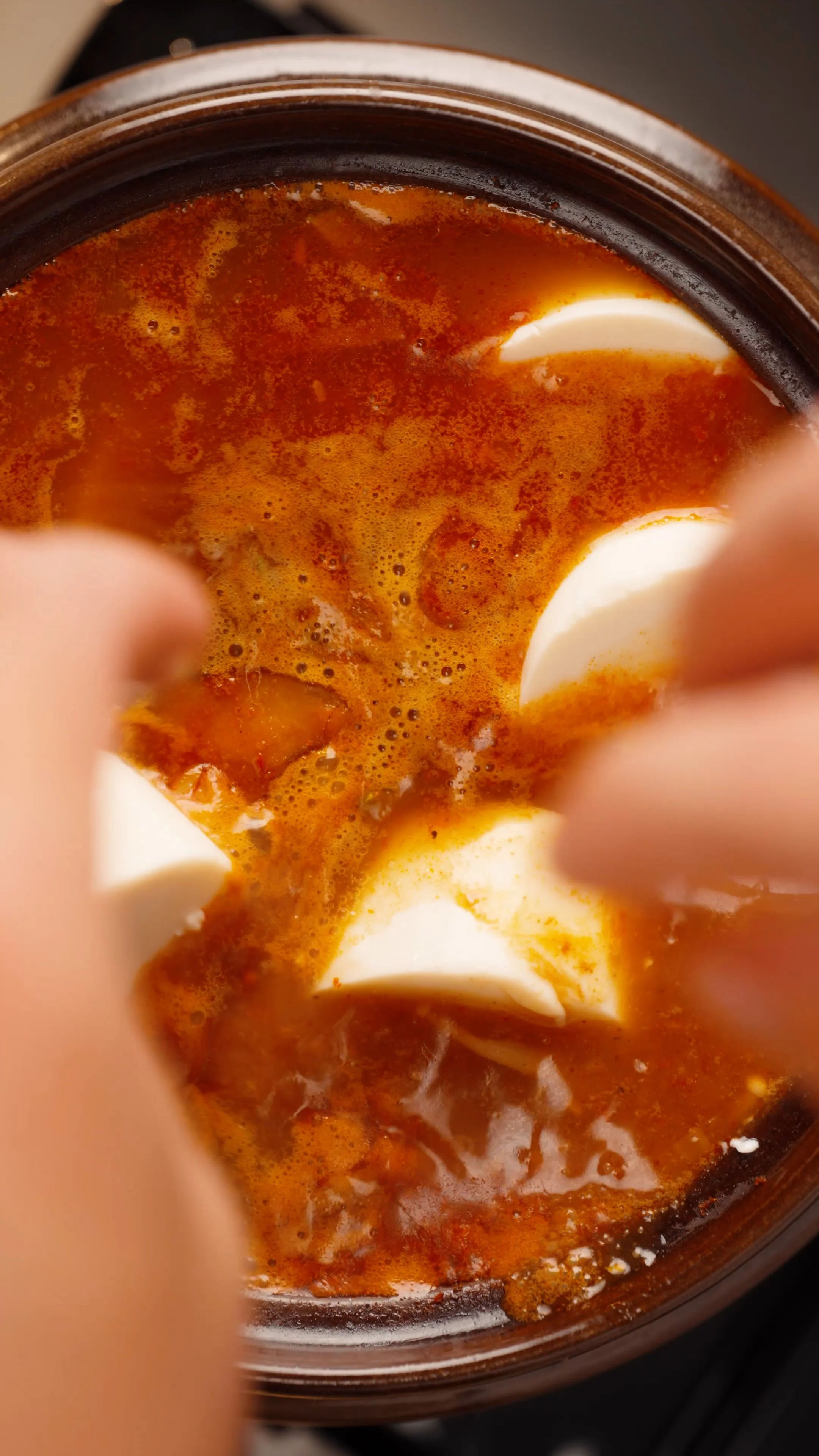
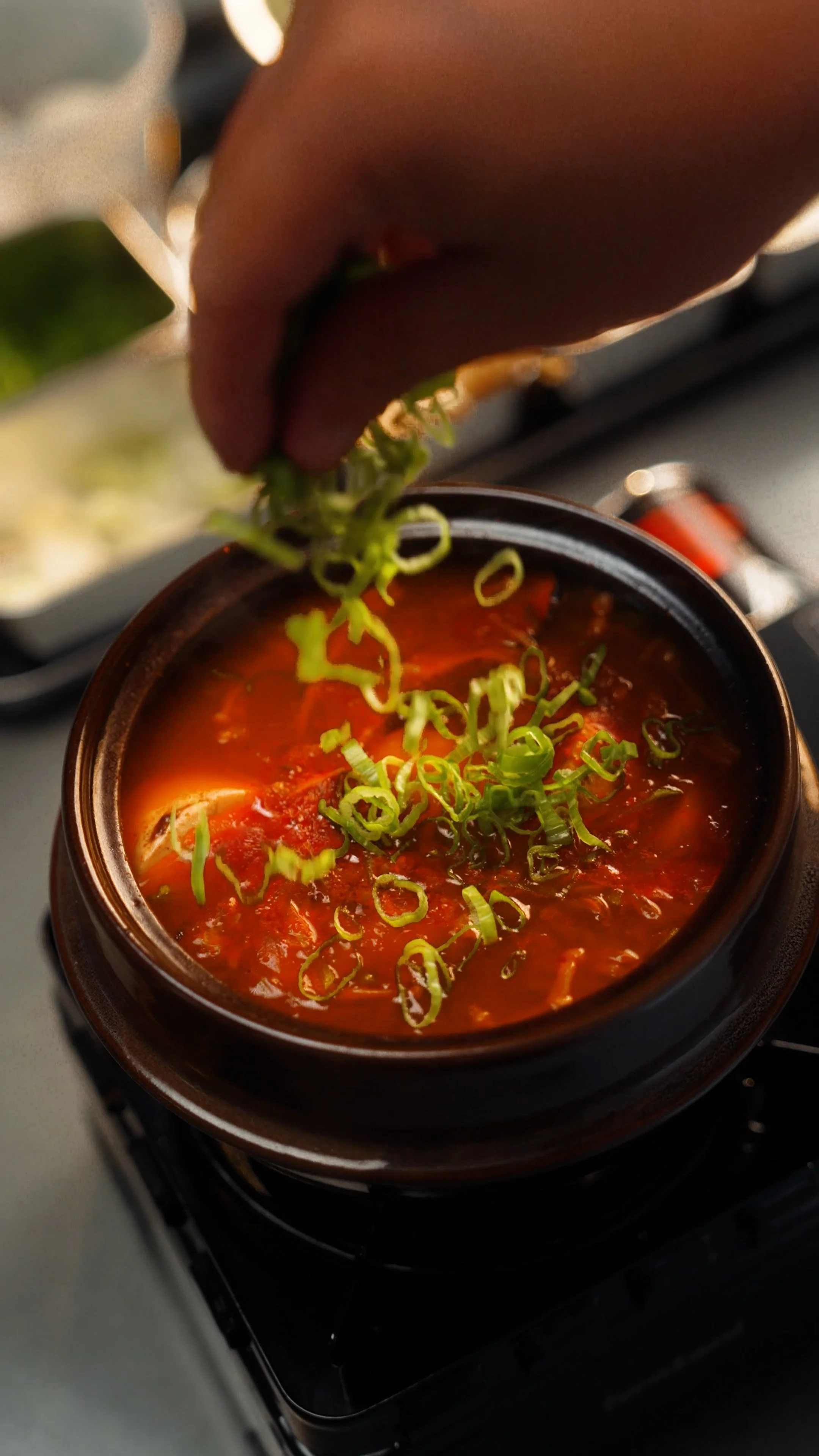
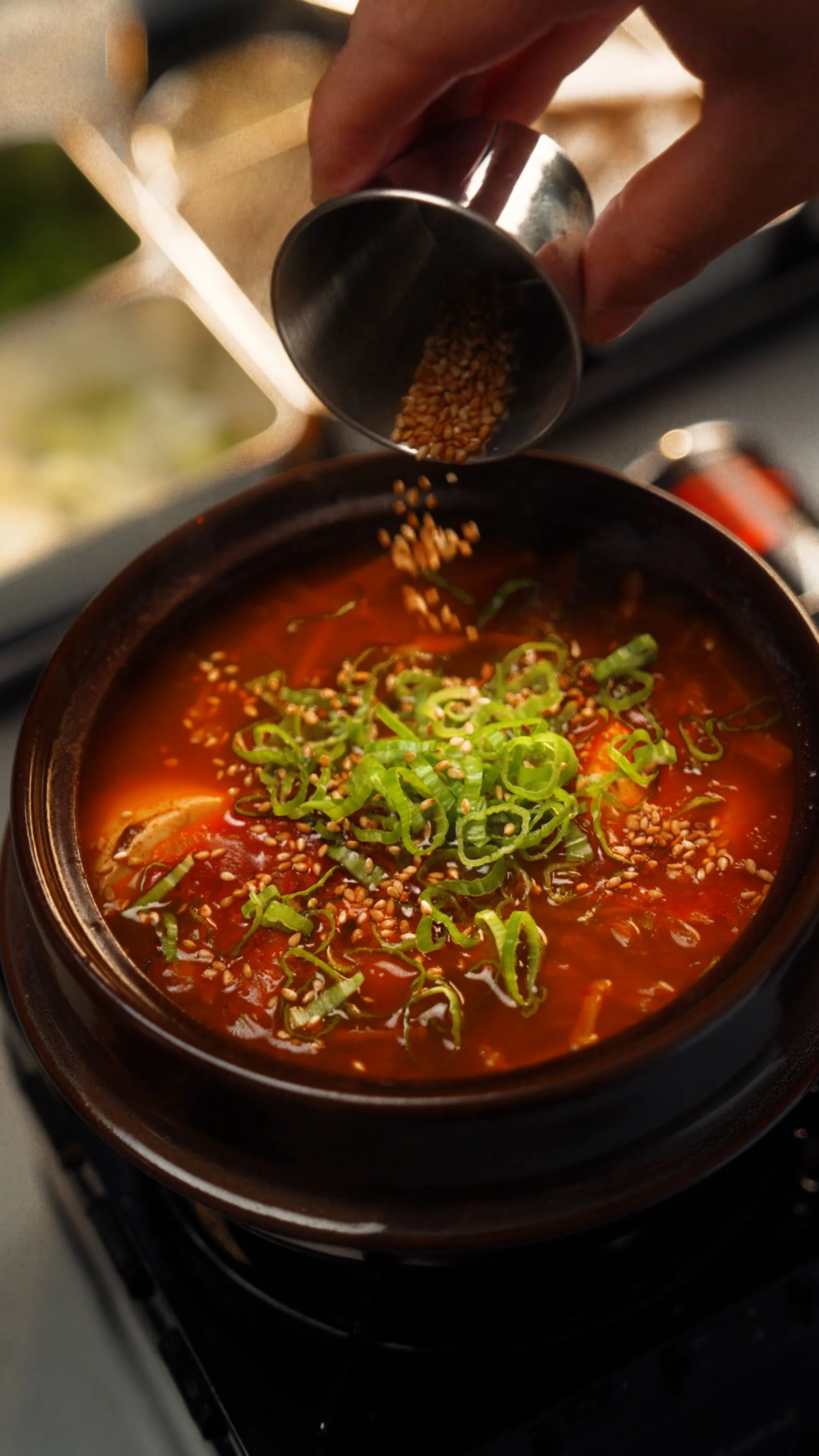
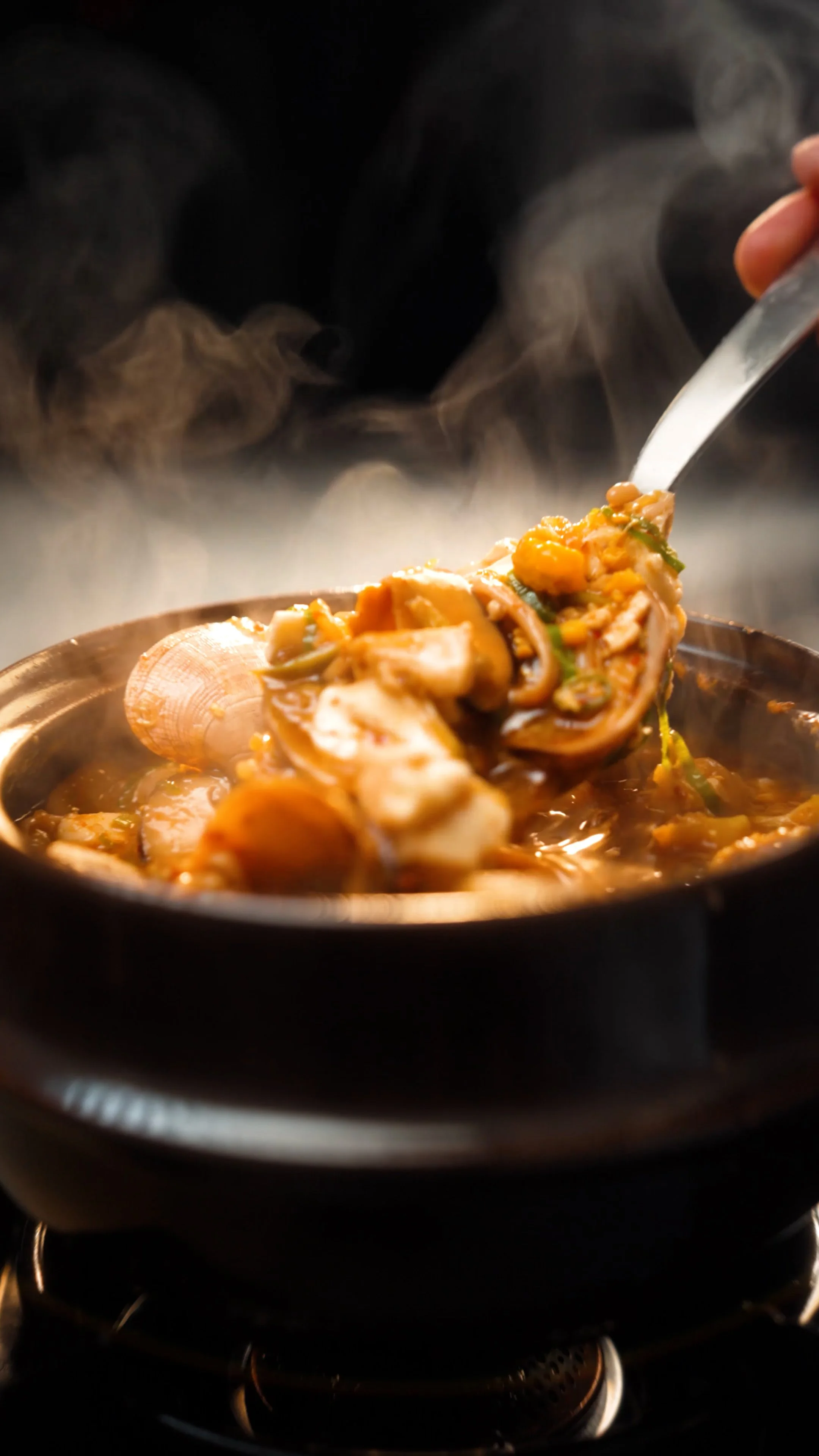
Soondubu Jjigae is a Korean soft tofu stew. It is typically made with uncurdled extra-soft tofu (called soondubu or sundubu), a rich broth, gochugaru (Korean chili flakes), and seasonings like garlic, soy sauce, and sesame oil. The stew often includes ingredients such as pork belly, beef, seafood, or mushrooms, along with vegetables like zucchini and onions.
It is served bubbling hot in a stone pot and usually finished with a raw egg cracked on top right before serving, which cooks gently in the heat. The dish is eaten with rice and traditional side dishes (banchan).


FAQs
What If I Don’t Have It?
See substitution suggestions above. For this recipe, the combination of all other ingredients is mandatory to create this flavorful dish.
What type of tofu should I use for Soondubu Jjigae?
Use uncurdled soft tofu (soondubu), usually sold in a tube at Korean markets. If unavailable, silken tofu from any grocery store works.
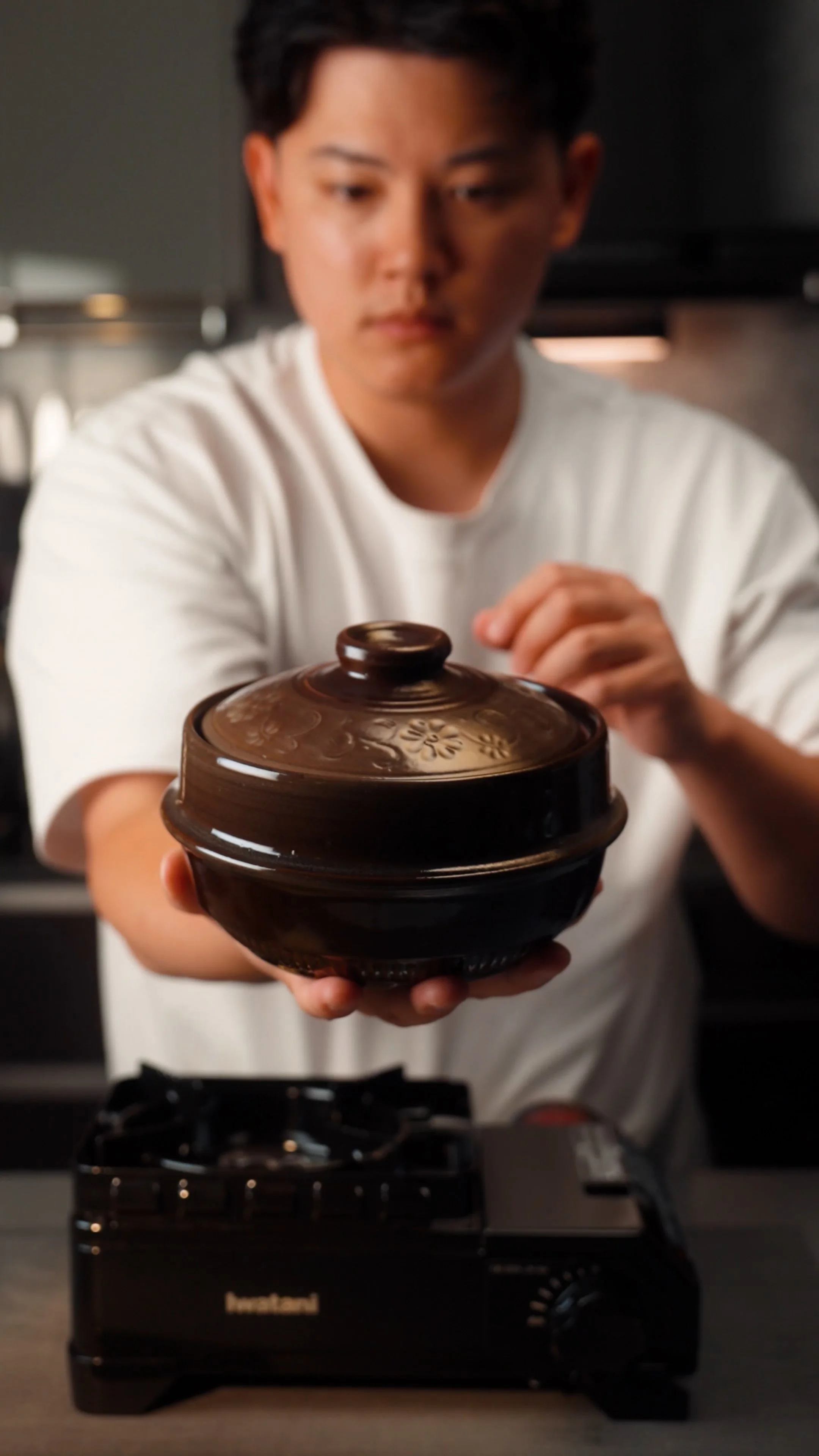
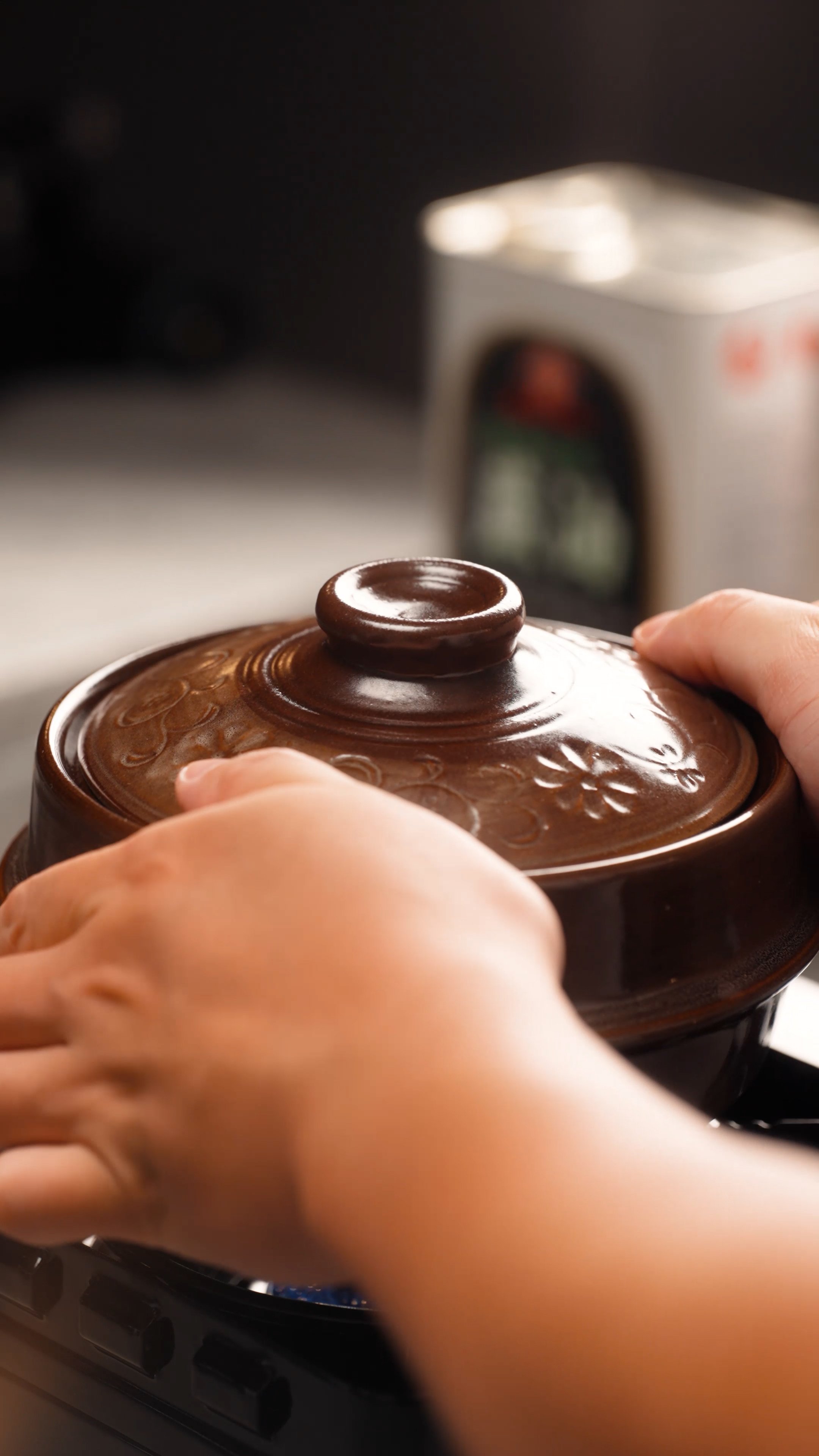
Do I need a ttukbaegi (earthenware pot)?
It is traditional because it keeps the stew bubbling hot, but you can use a small saucepan, Dutch oven, or cast-iron pot instead.
What broth is best?
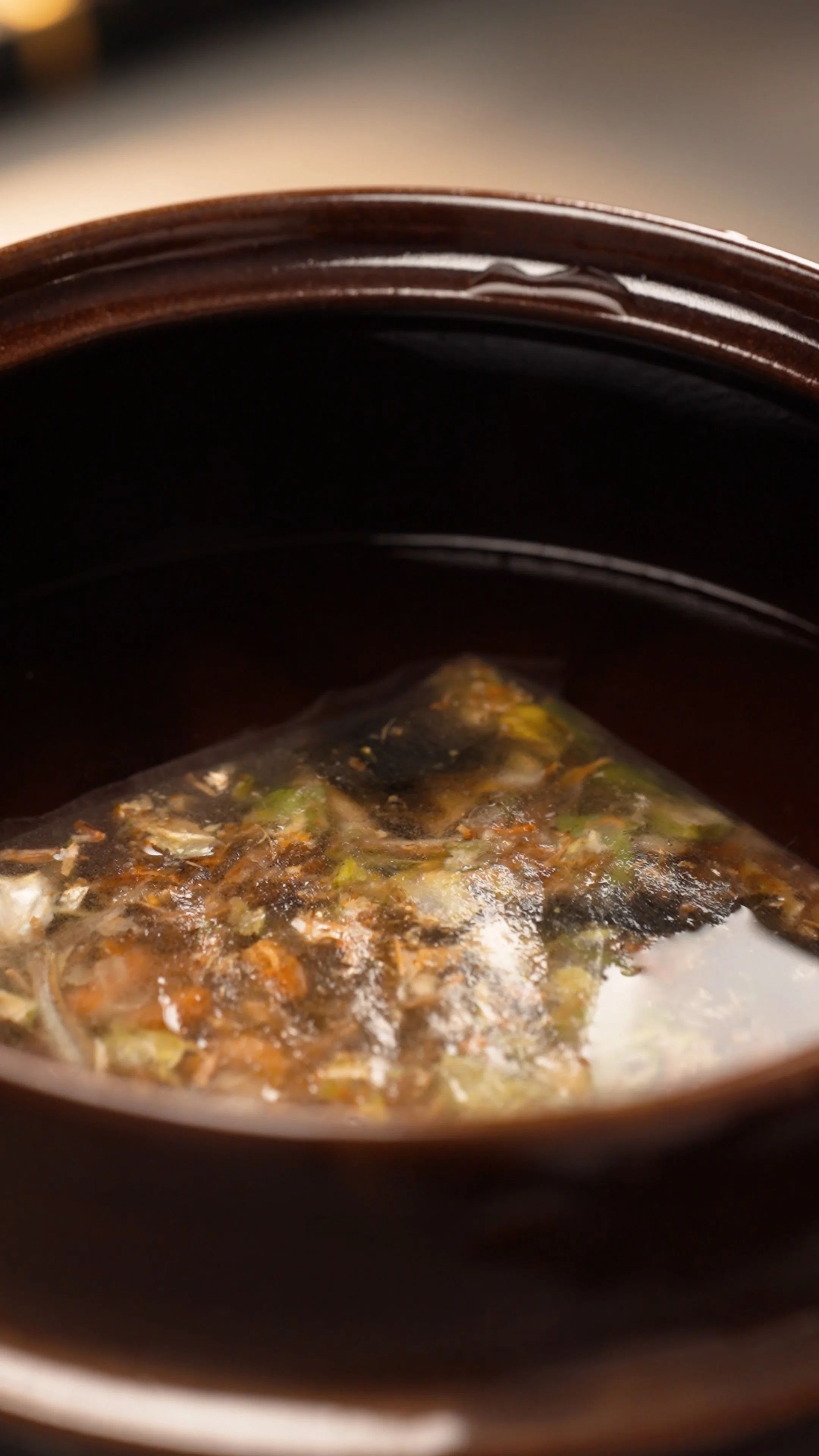
Anchovy-kelp stock is classic. Beef or chicken broth works too, and vegetarians can use a mushroom or vegetable broth.
Can I make it without gochugaru (Korean chili flakes)?
Yes. Use gochujang (chili paste) for a slightly sweeter stew, or substitute with paprika and a little cayenne, though the flavor changes.
What proteins can I add?
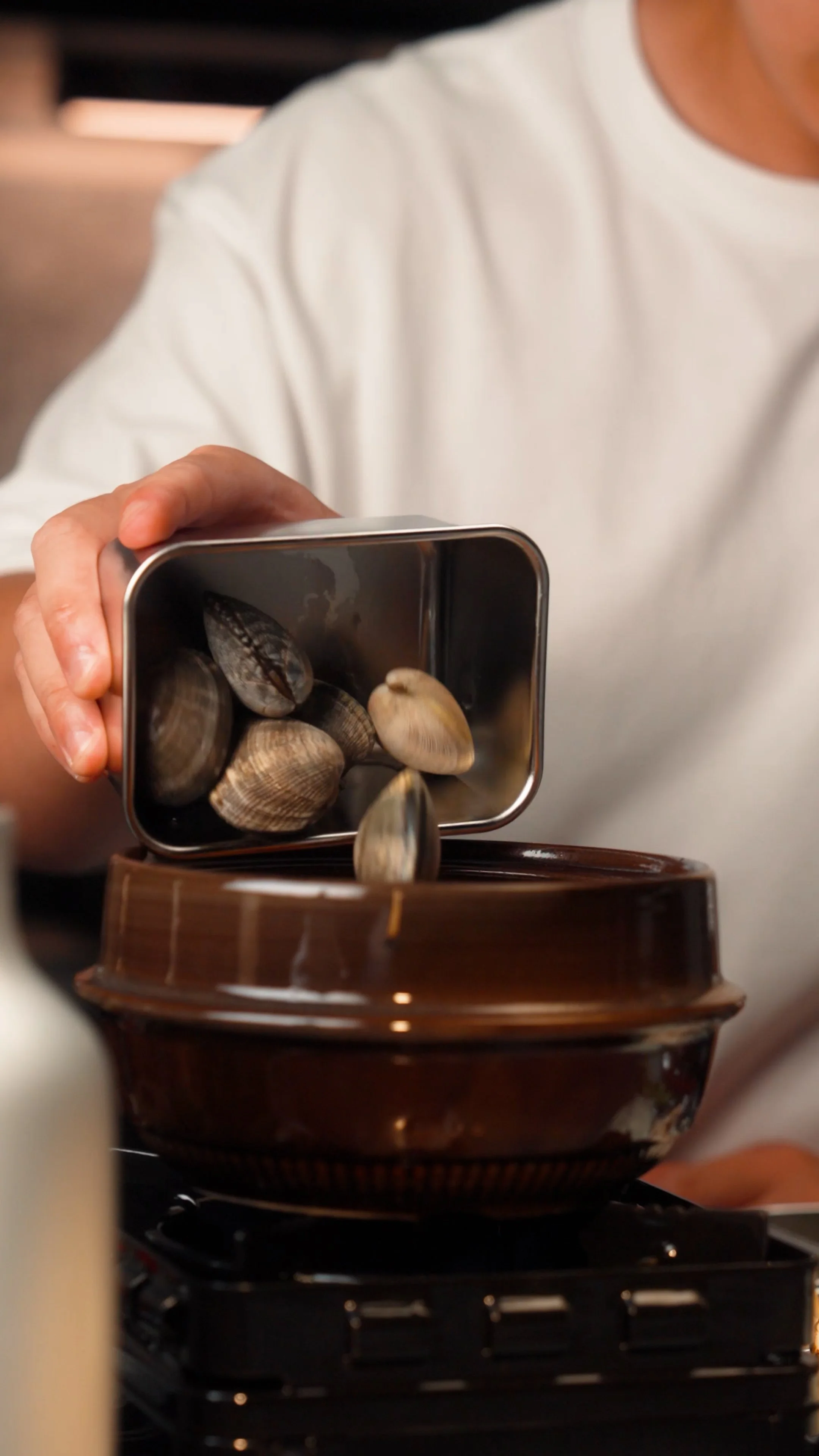
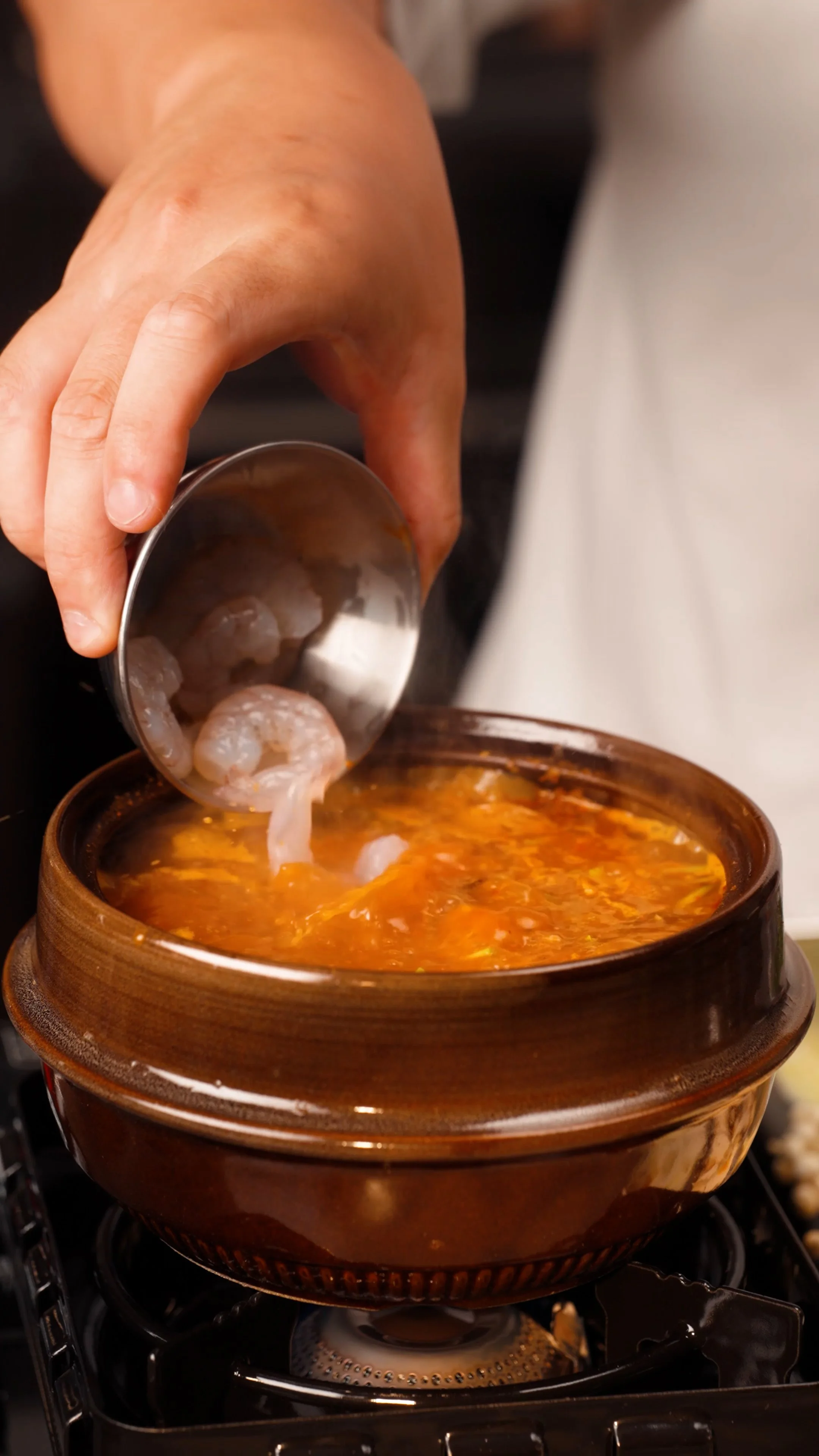
Common options include pork belly, beef, clams, mussels, shrimp, or a mix. You can also make a vegetarian version with mushrooms.
How spicy should it be?
Spice level is adjustable. Start with 1 tablespoon of gochugaru for mild heat, and increase for more. You can also add fresh chili slices.
When should I crack the egg in?
Add the egg at the very end, while the stew is still bubbling. The residual heat will cook it to your preferred doneness.
Can I make soondubu jjigae ahead of time?
It tastes best freshly cooked since the tofu is delicate, but you can make the broth and base in advance, then add tofu and egg right before serving.
What do I serve with soondubu jjigae?
Always serve with a bowl of steamed rice and side dishes (banchan) like kimchi, pickled radish, or seasoned spinach.
Can I make it vegetarian or vegan?
Yes. Use vegetable or mushroom broth, skip seafood or meat, and season with soy sauce or doenjang (fermented soybean paste) instead of fish sauce.
What is the difference between soondubu and sundubu?
They are the same word for “extra soft tofu.” The spelling varies because of romanization: soondubu is an older spelling, while sundubu is closer to the modern Korean pronunciation.
Where can I buy Anchovy-Kelp Packets?
Local Asian grocery stores like T&T Supermarket, H-Mart, Hanaam Market, Sungiven Foods, or Chong Lee Market. Even Amazon!
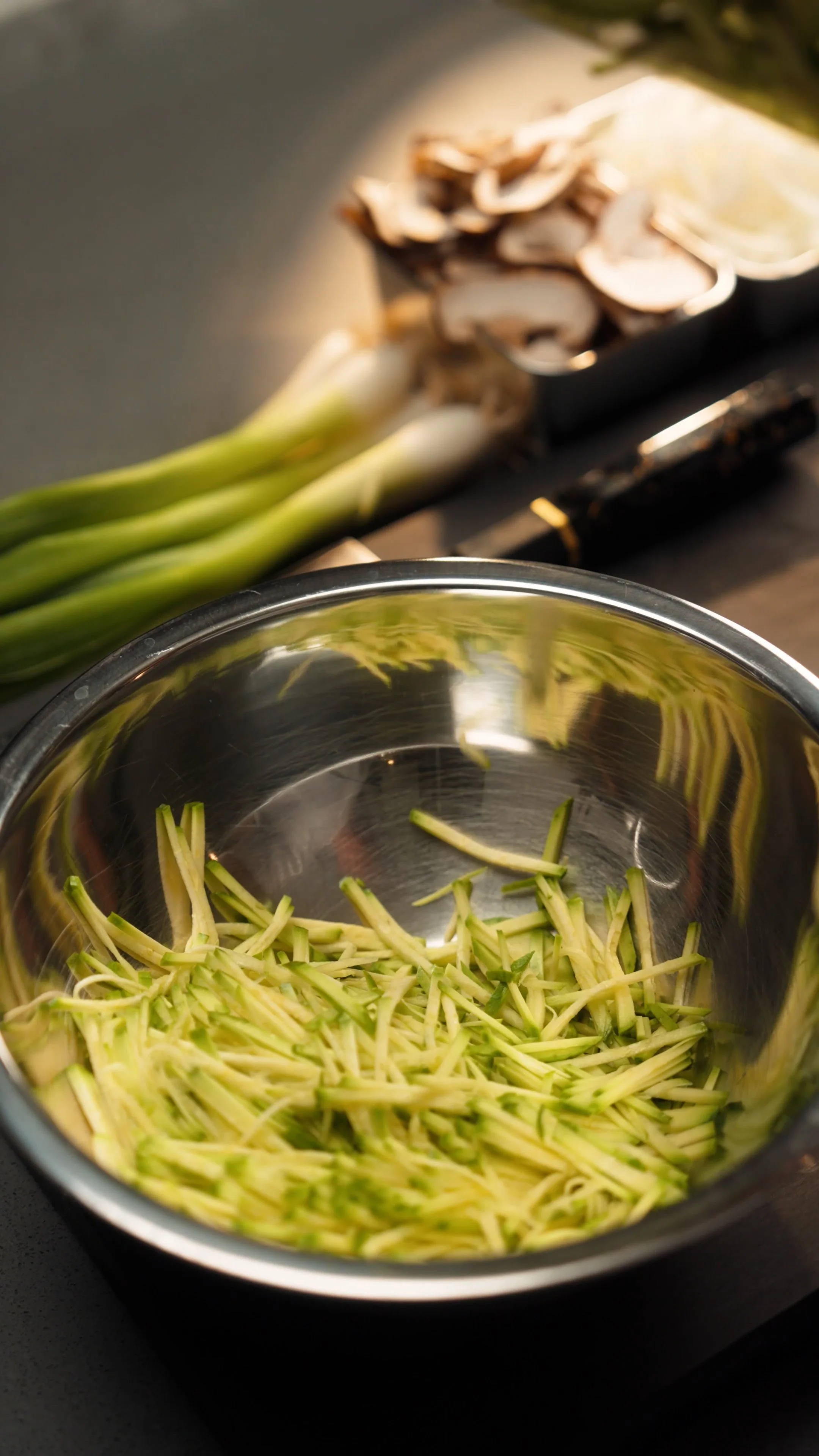
What is the difference between regular zucchini and Korean zucchini?
Korean Zucchini (Aehobak, 애호박)
Lighter green skin, often more uniform and smooth.
Flesh is softer, more tender, and cooks faster.
Flavor is milder and slightly sweeter.
Commonly used in Korean stews (jjigae), stir-fries (bokkeum), or pan-fried fritters (jeon).
Often sold pre-sliced in Korean markets for convenience.
Regular Zucchini (Western variety)
Darker green skin, sometimes with speckles.
Flesh is firmer and denser, with more bite.
Flavor is earthier, less sweet.
More common in roasting, grilling, and Western-style sautés.
Usually larger in size than Korean zucchini.
Cooking Difference
Korean zucchini softens quickly, ideal for soups like soondubu jjigae or doenjang jjigae.
Regular zucchini holds shape longer, so if you use it in Korean stews, slice it thinner to mimic the soft texture of aehobak.
Other Recipes You’ll Love
Love the recipe?
Make sure to follow me on Instagram, TikTok, YouTube, and Pinterest to stay up to date with all of my content!
Sign up for my free newsletter to receive cooking tips & recipe updates!
If you made this recipe, send me a picture and tag it with #W2Recipes.
I would love to see your re-creations on Instagram @willhkwong.
If you liked this recipe, Pin it to Pinterest! 👇🏻


Ginger Scallion Sauce is a versatile and flavorful condiment commonly used in Asian cuisine, particularly in Chinese…