
This post may contain affiliate links. Please read my disclosure policy for details.
As an Amazon Associate, I earn from qualifying purchases.
Re-Creation of Culinary Class Wars | Netflix
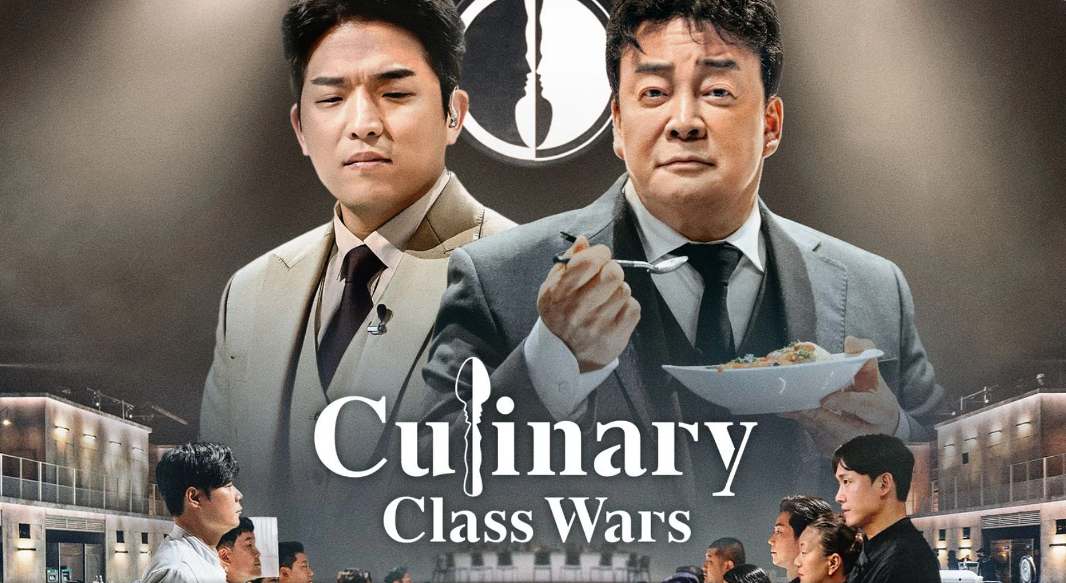
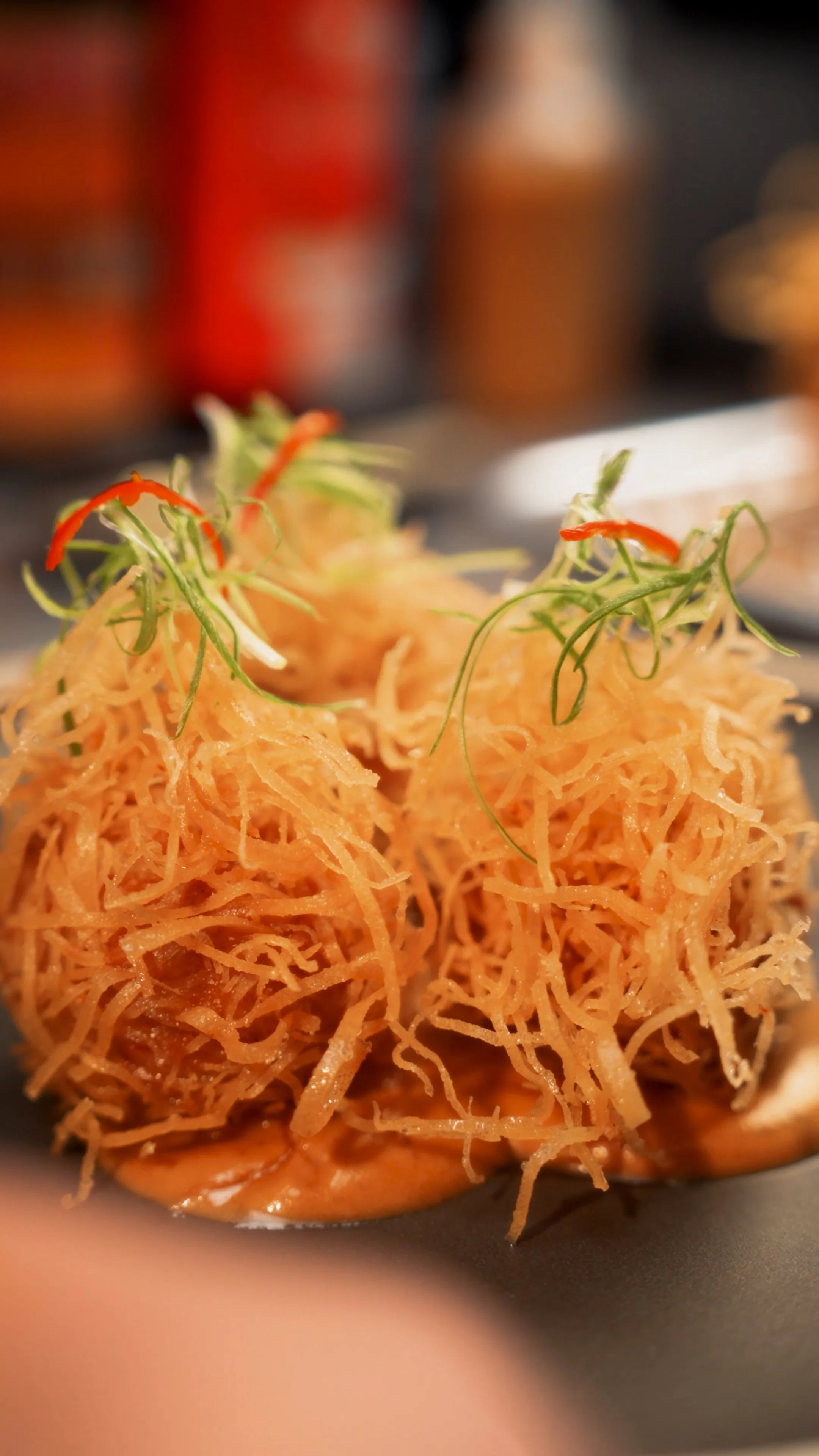
What is Mala Cream Shrimp?
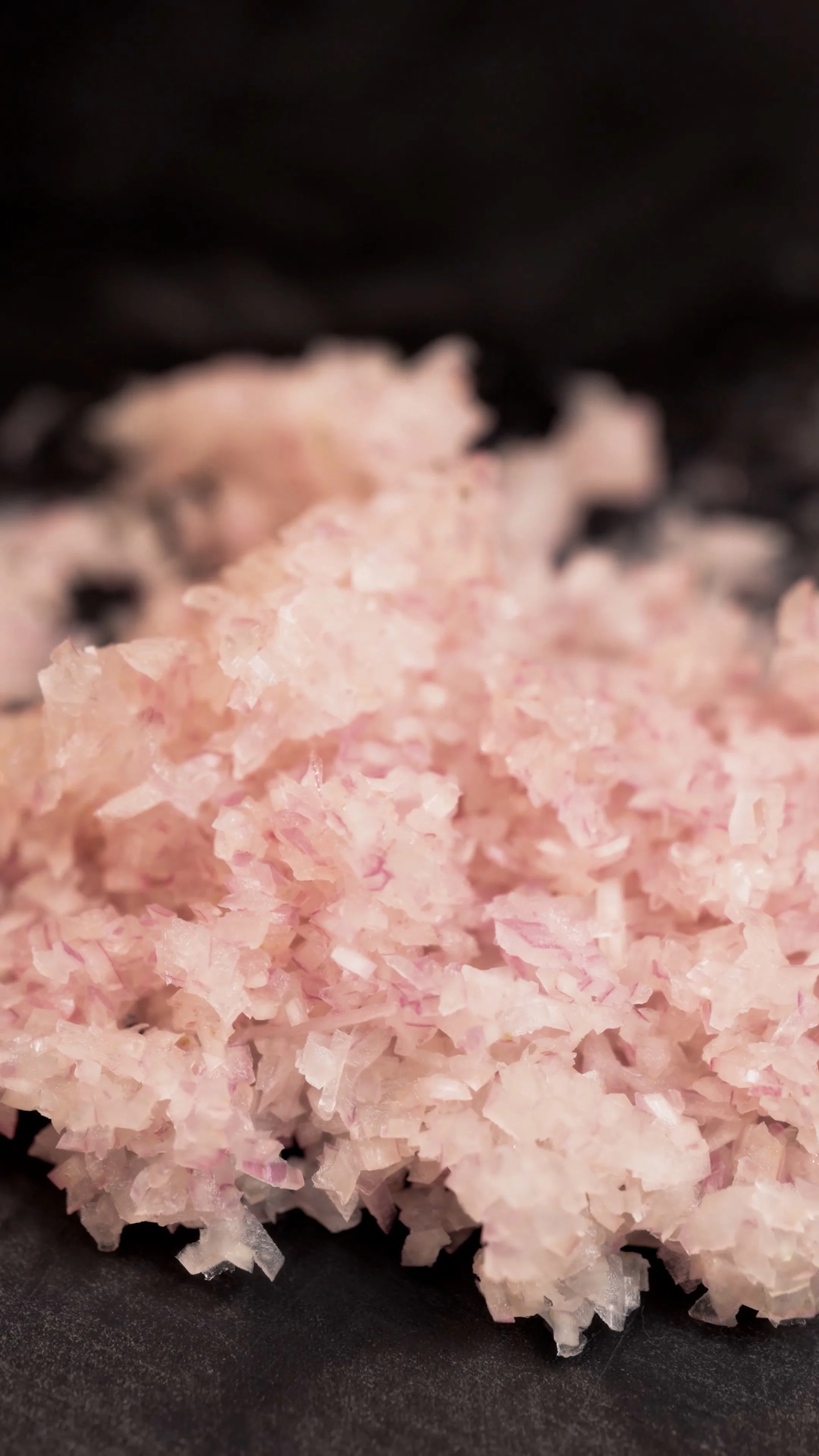
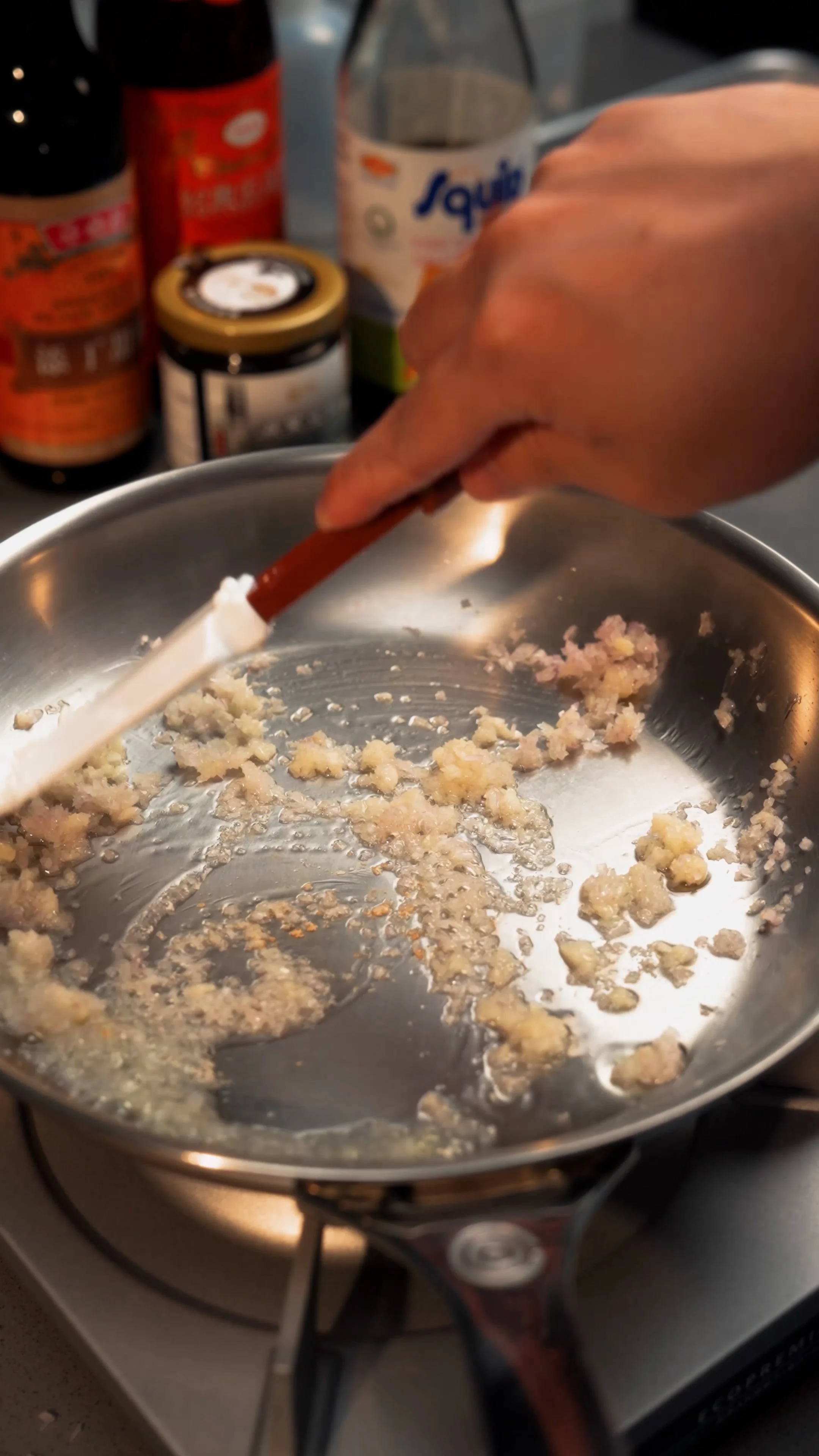
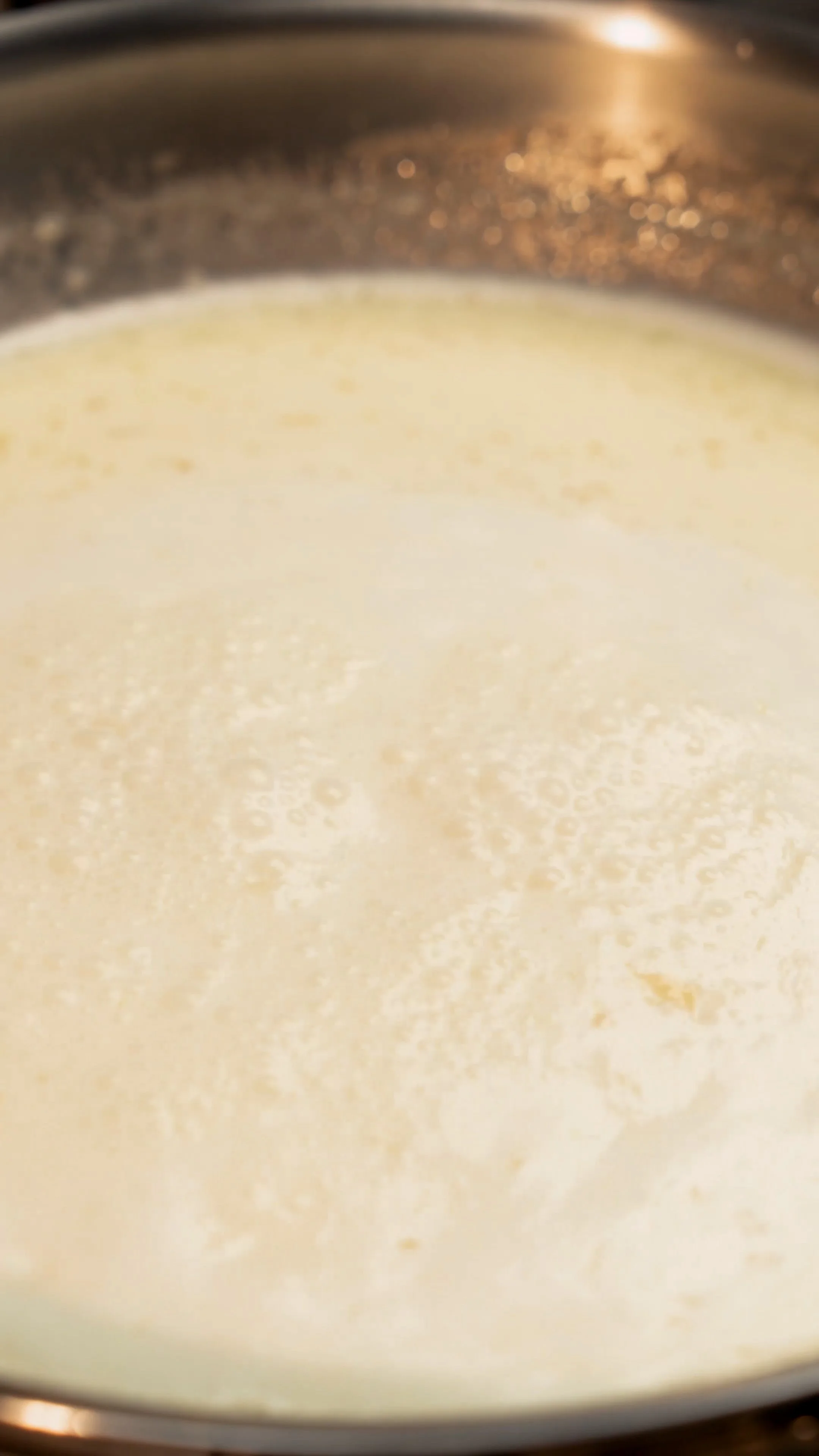
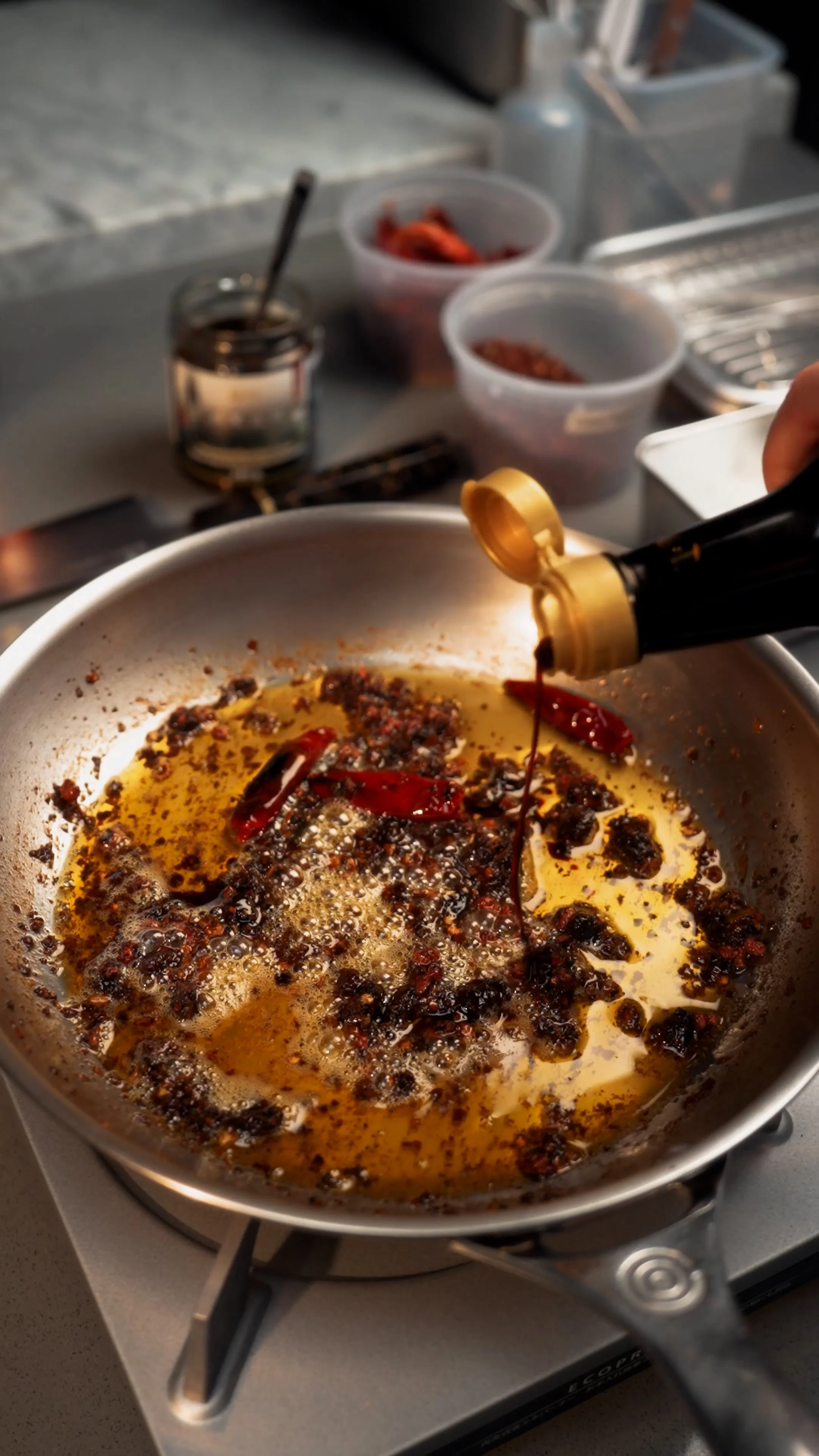
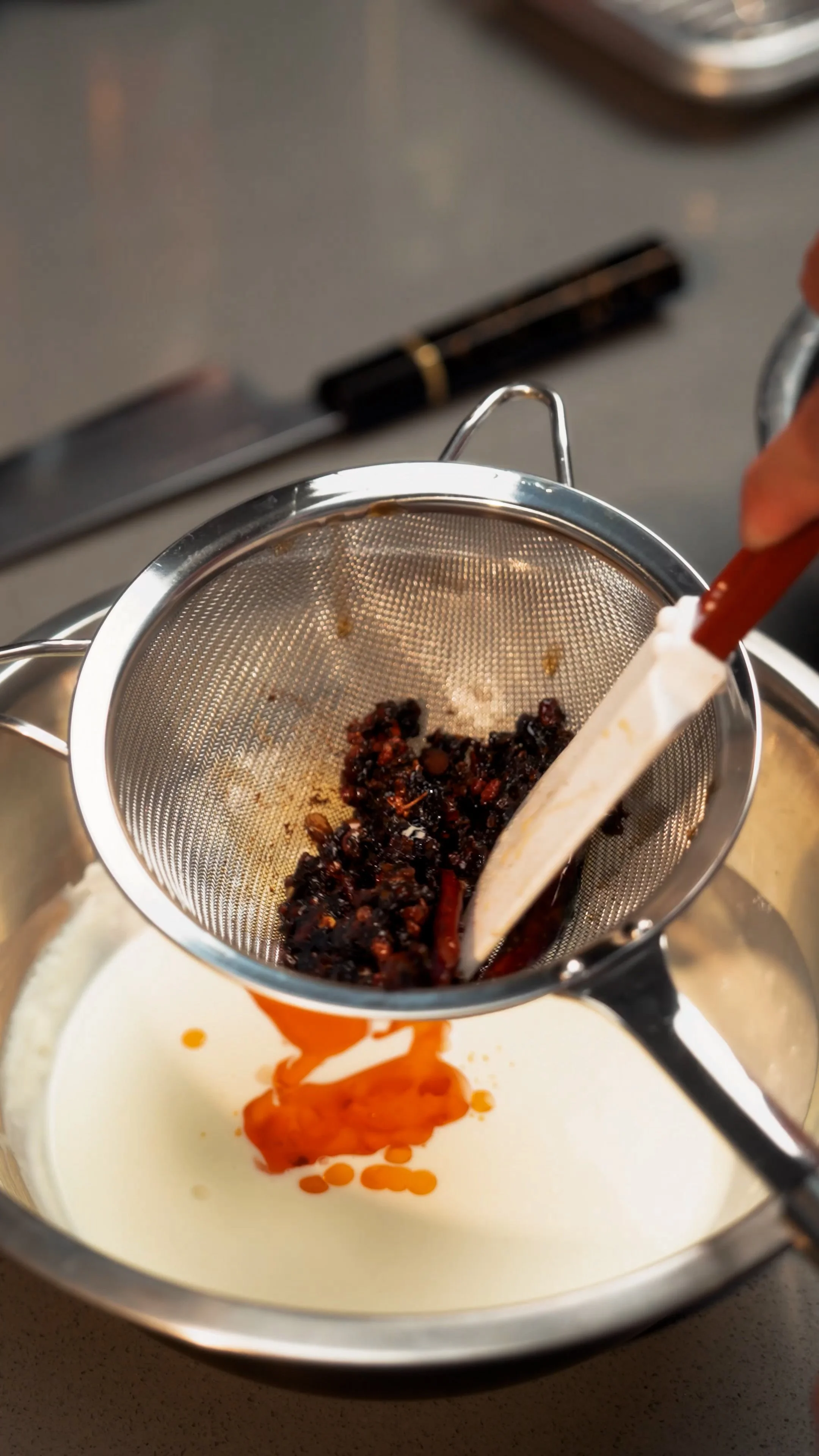
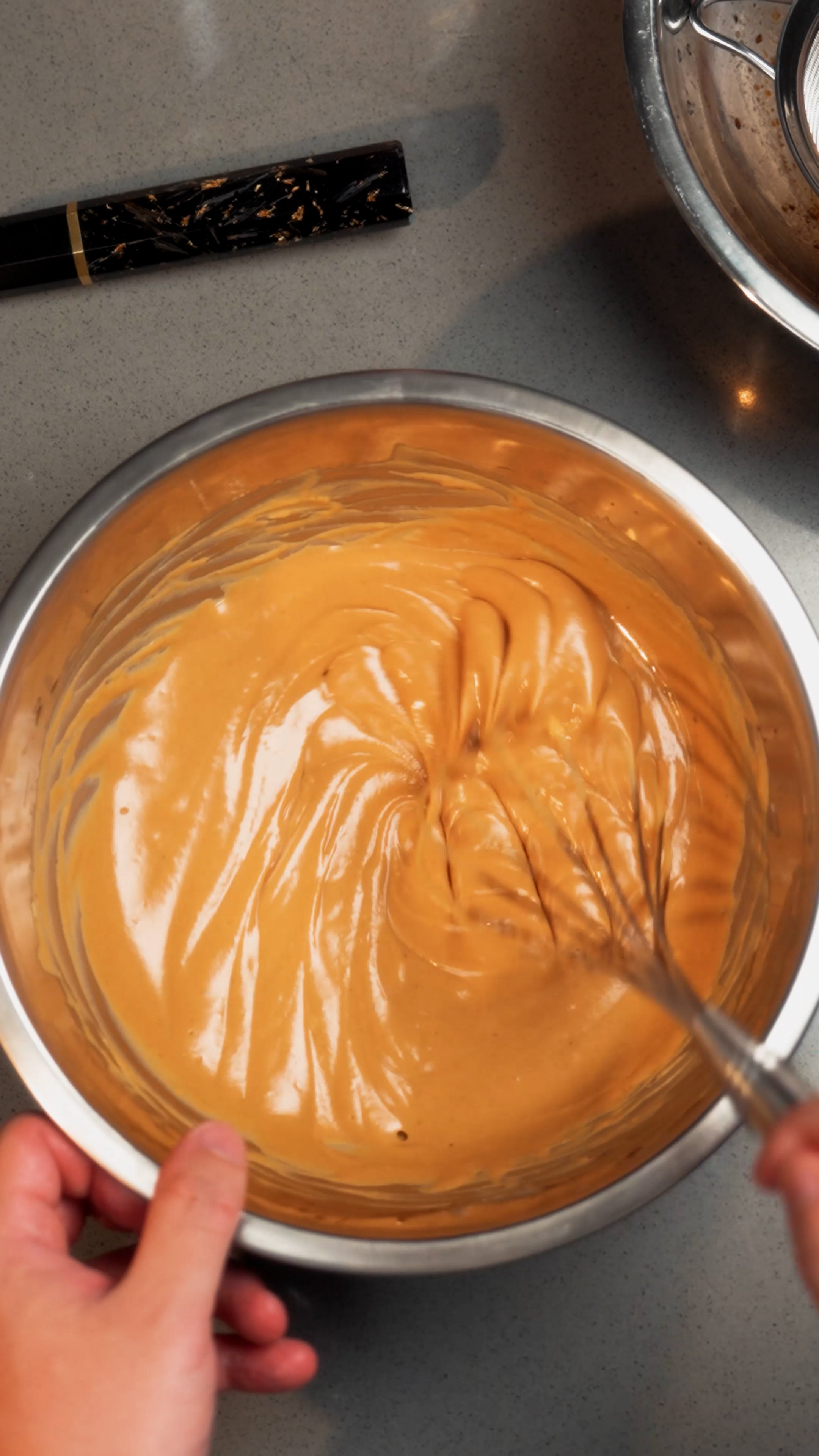
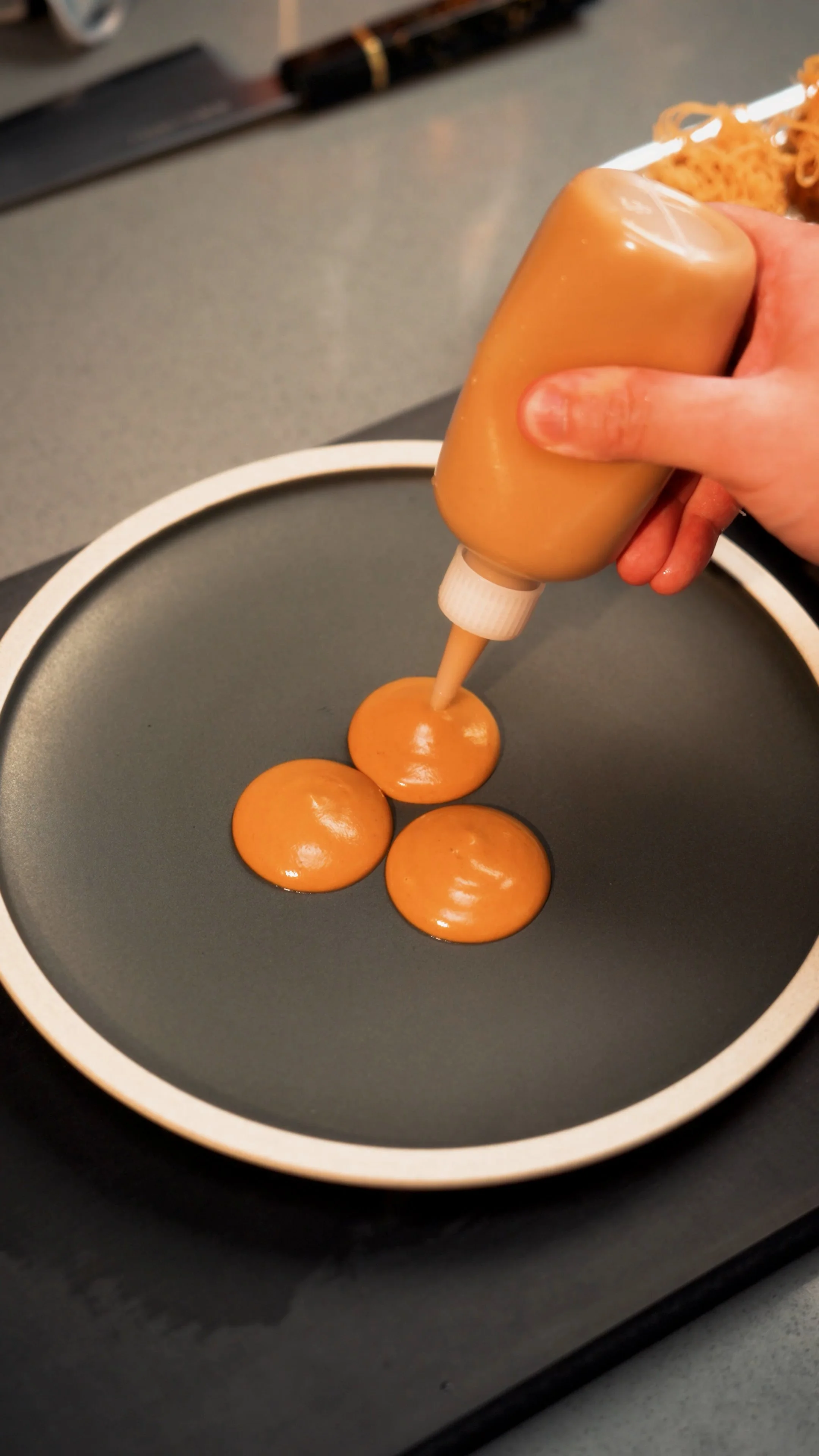
It is a fusion dish combining the numbing, spicy flavors of Sichuan mala with creamy shrimp filling in a dumpling wrapper. "Mala" refers to the distinctive Sichuan flavor profile known for its ma (numbing sensation) from Sichuan peppercorns and la (spiciness) from chili oil, often mixed with other spices like garlic, ginger, and star anise. Once the mala oil is made, it is combined with a garlic- and onion-infused cream. This is the sauce component of the dish.
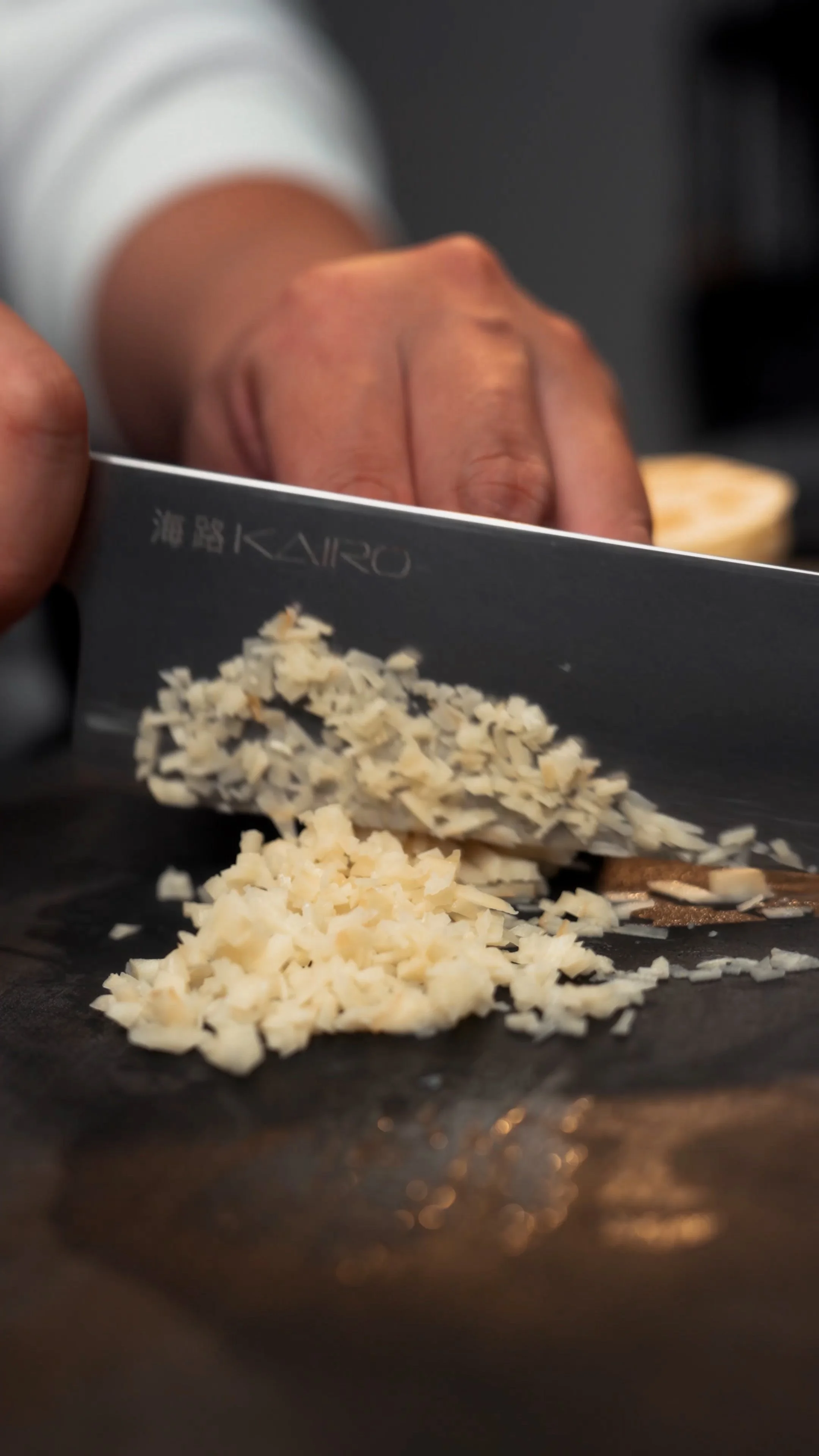
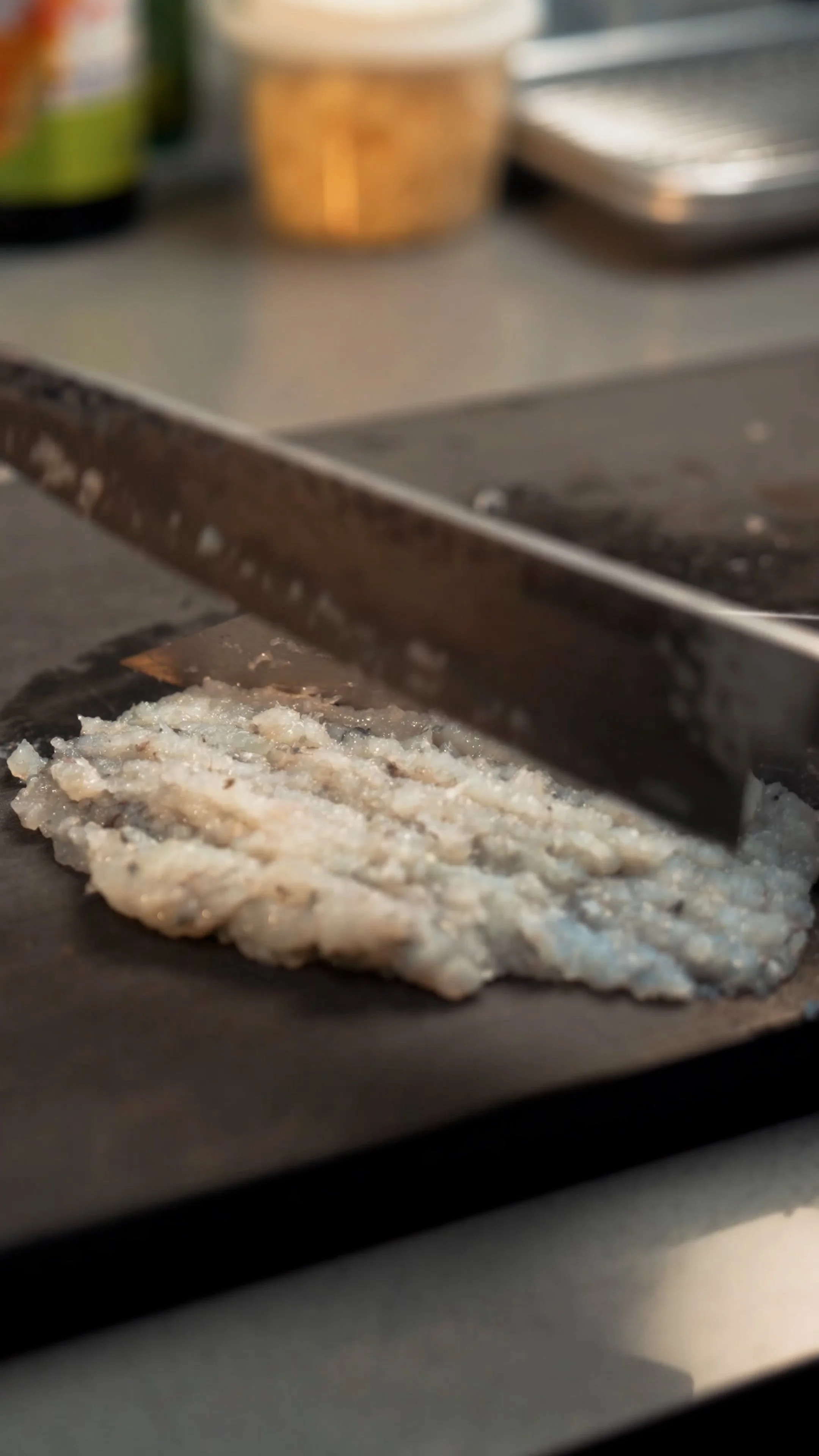
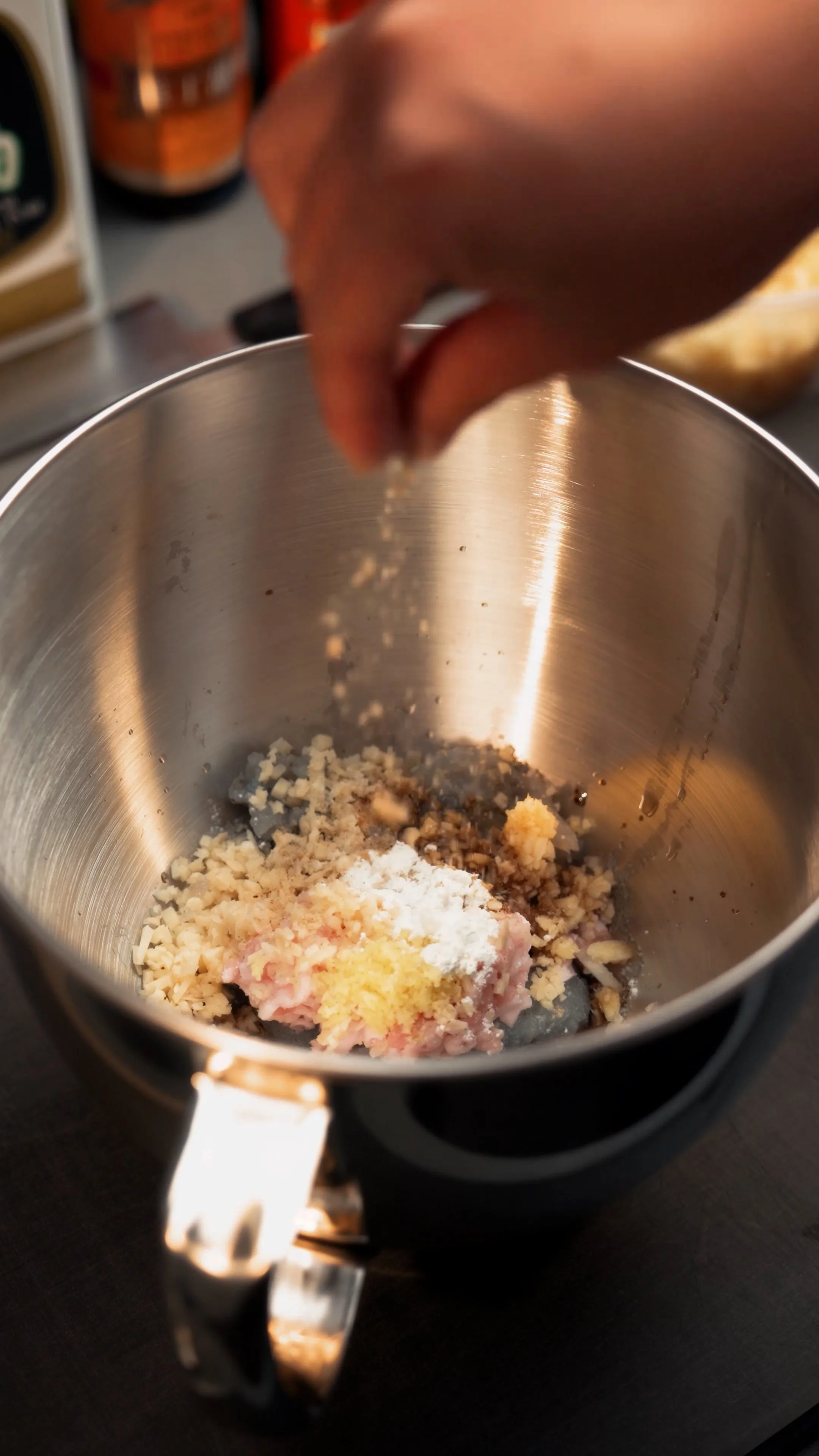
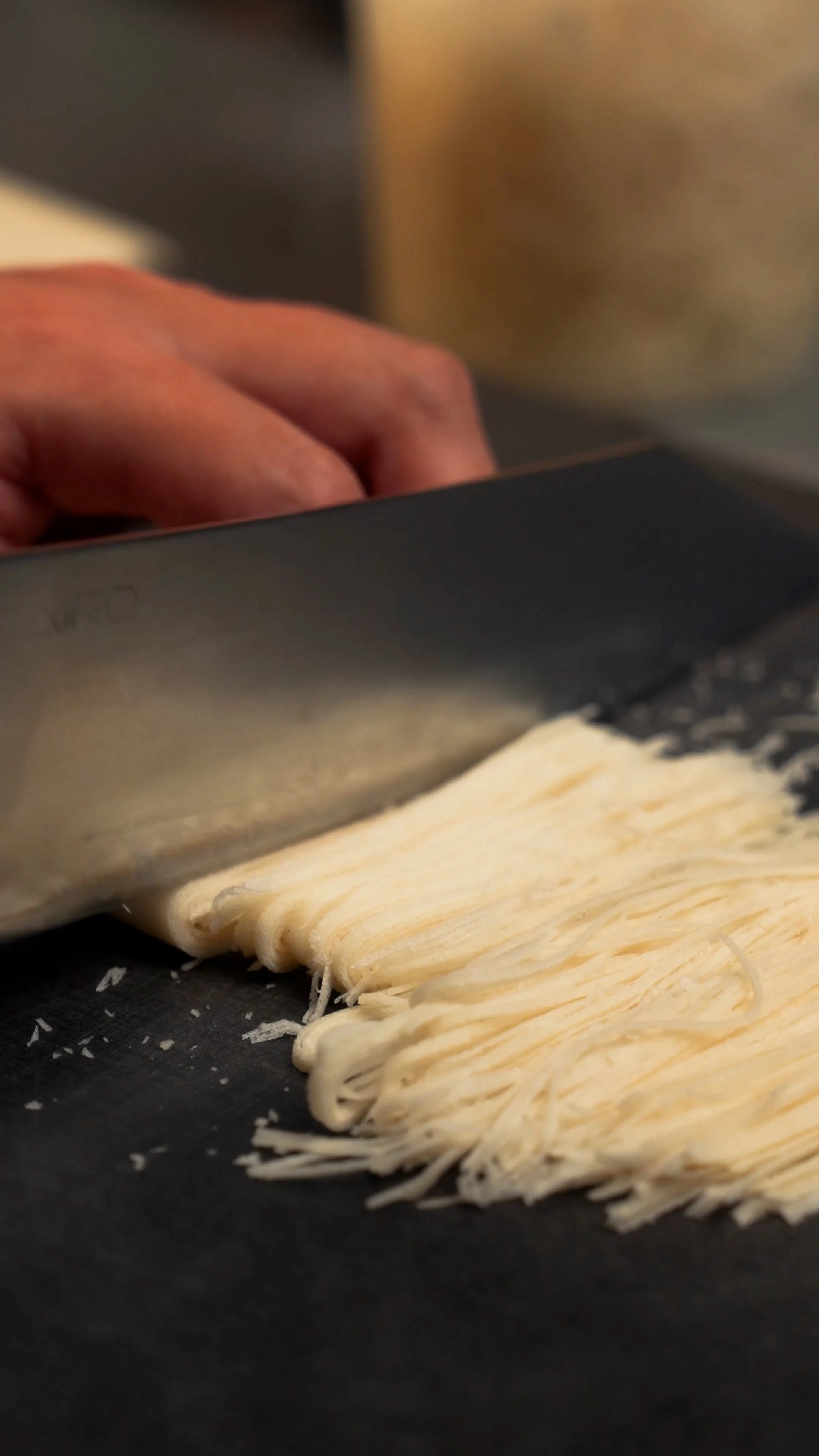
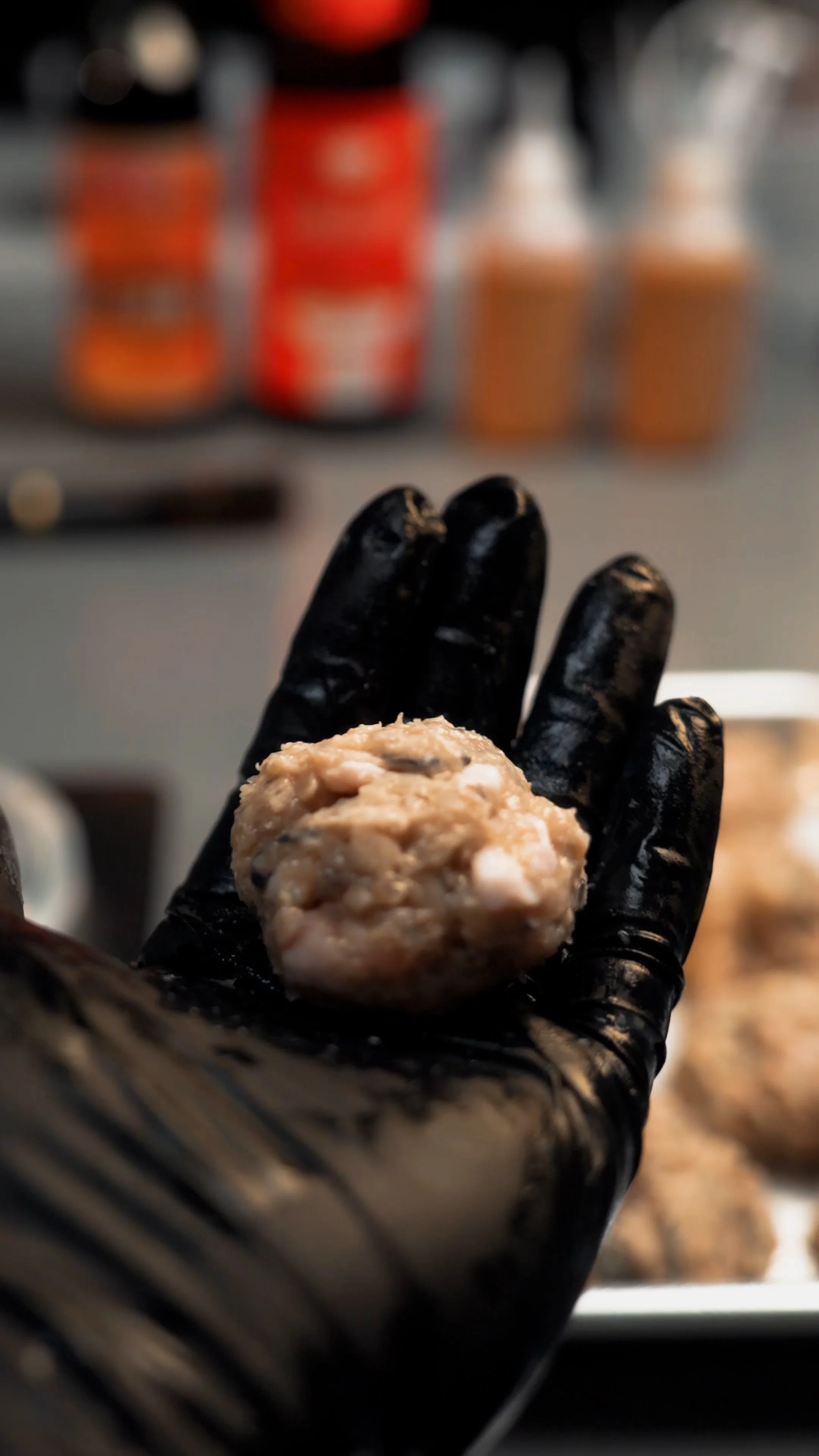
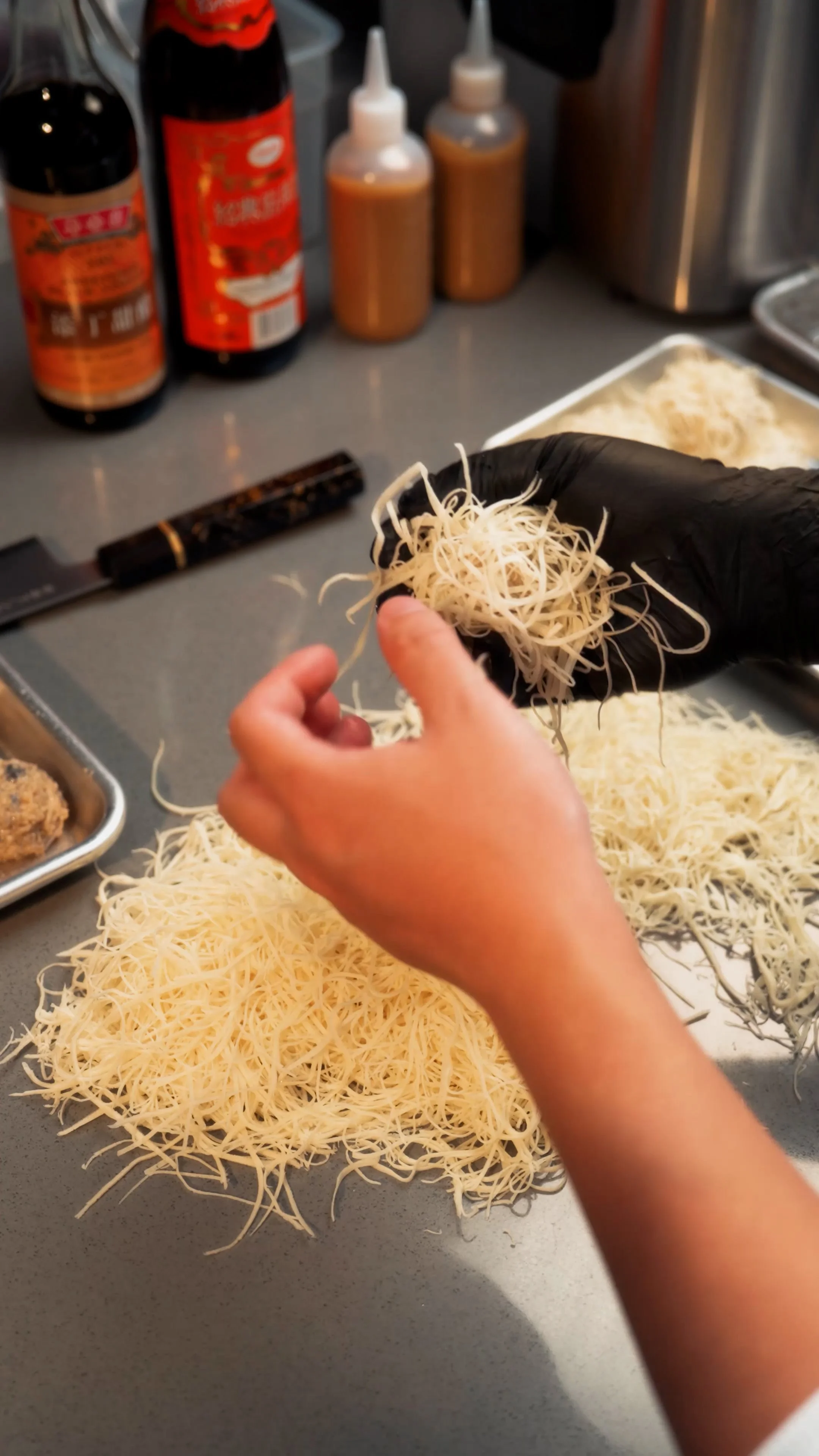
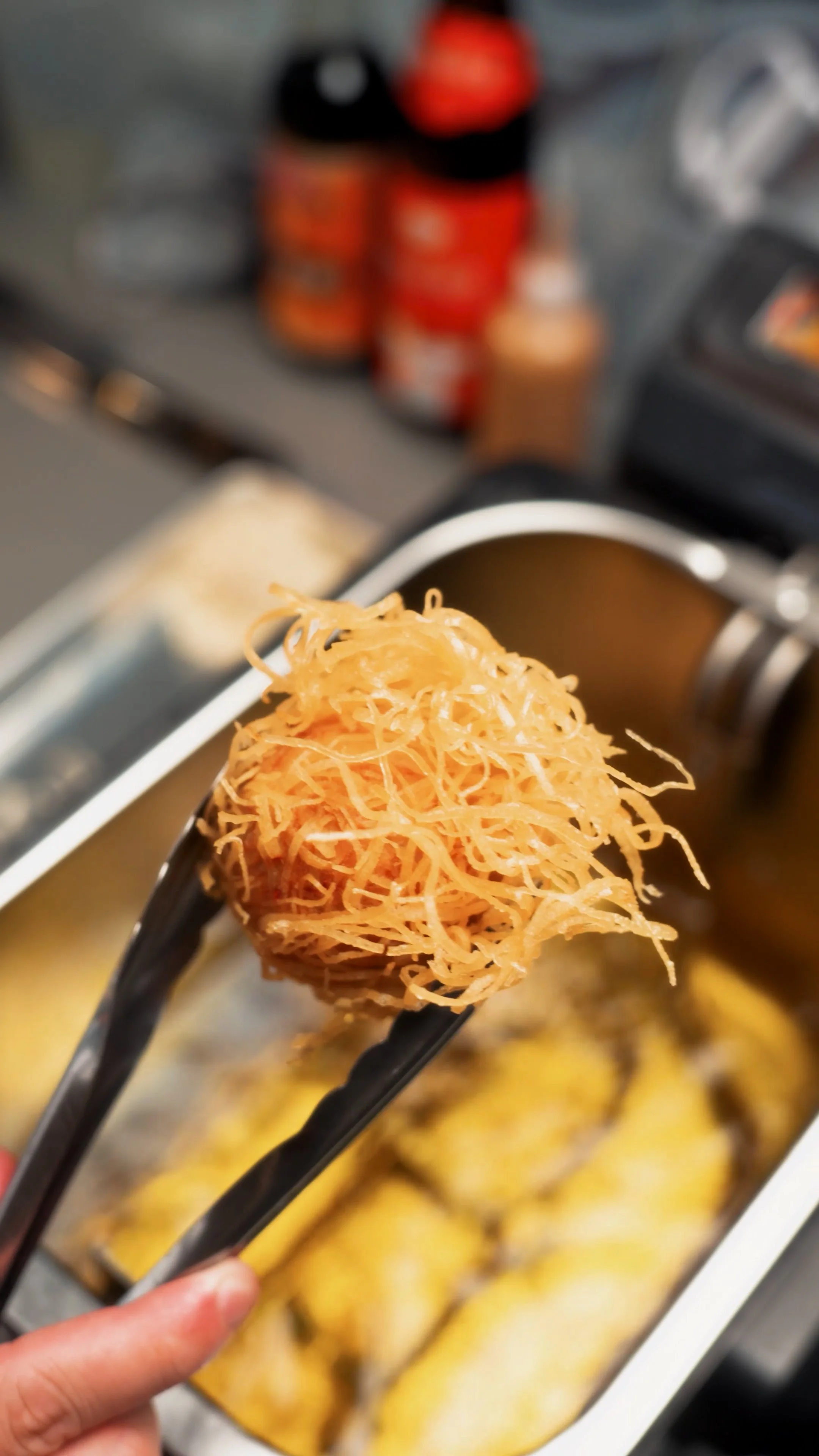
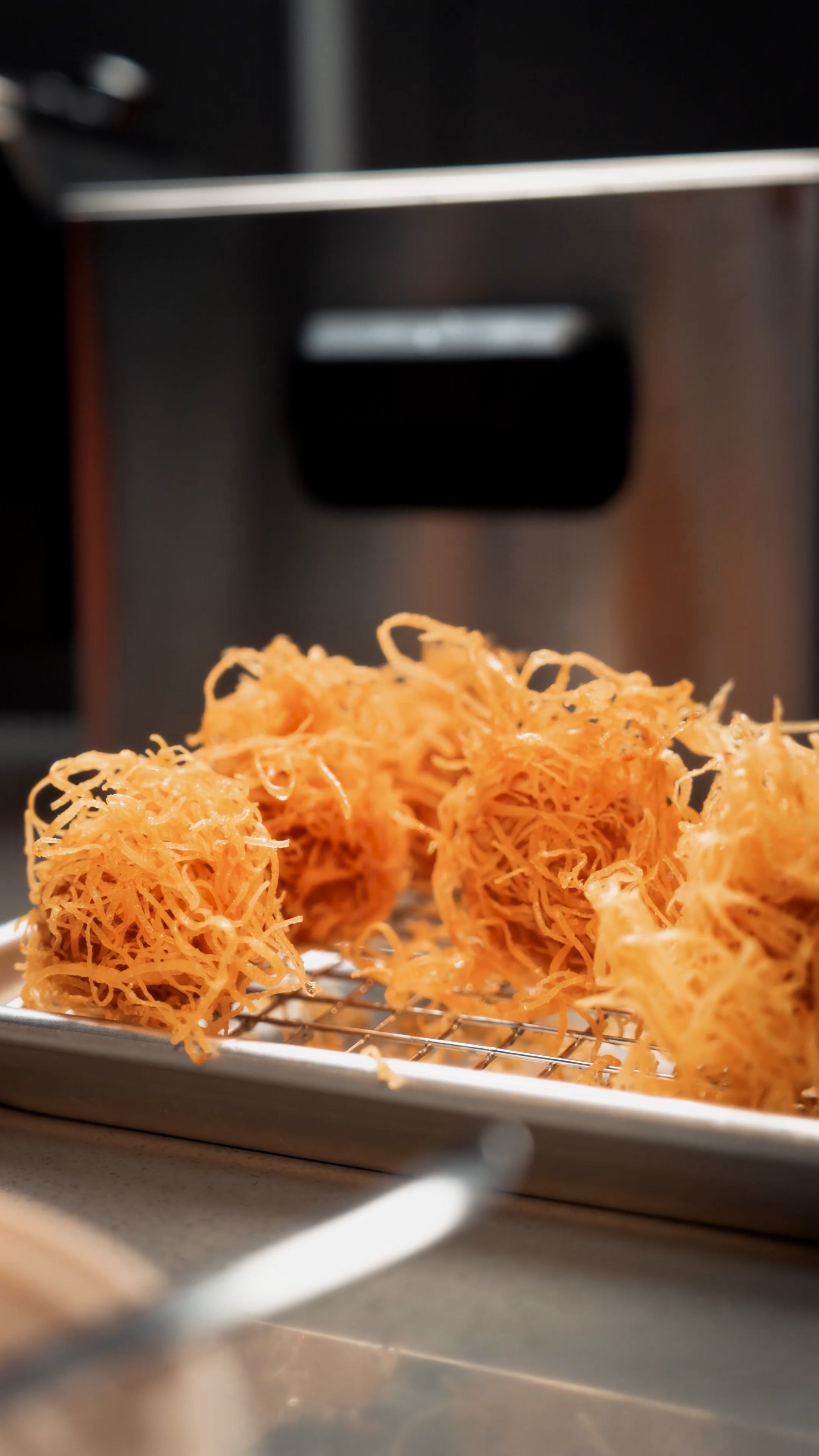
Shrimp paste is mixed with a combination of ingredients formed into a ball and wrapped with thin strips of spring roll wrappers before deep frying to golden perfection.
Key Ingredient?
Mala Cream
This combination of cream, aromatics, and mala oil makes for a bold yet balanced filling, with a creamy richness that complements the shrimp and enhances the dish's unique, spicy-numbing effect.
FAQs
What If I Don’t Have It?
See substitution suggestions above. For this recipe, the combination of all other ingredients is mandatory to create this flavorful dish.
Why use a Stand Mixer instead of hand mixing?
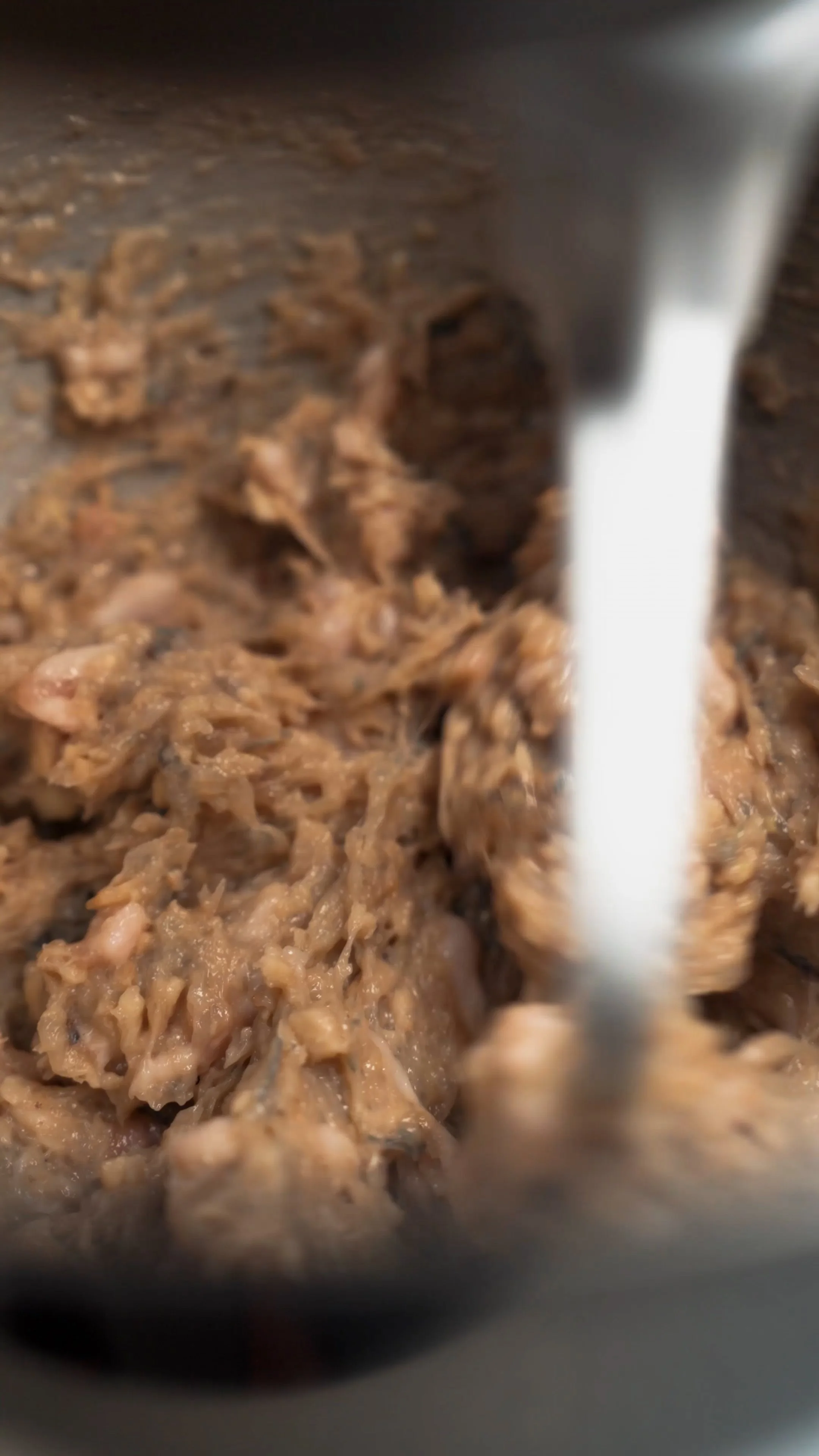
Using a stand mixer with the paddle attachment for dim sum shrimp paste offers a few advantages for achieving the ideal texture and consistency:
Efficient Mixing: The stand mixer evenly distributes ingredients like shrimp, pork fat, and seasonings, ensuring a well-blended paste. This prevents uneven texture and allows the flavors to meld thoroughly.
Aerated, Springy Texture: Stand mixers can whip shrimp paste, adding a bit of air, which creates a smoother, springier texture that’s essential for high-quality dim sum. This texture helps the paste hold together better in dumplings and feels tender yet bouncy when you bite into it.
Quick and Consistent Results: Stand mixers work faster and more consistently than hand-mixing, which can be tiring and lead to an uneven mix, especially when trying to achieve a cohesive paste.
Enhanced Binding: Proper mixing allows the proteins in the shrimp to bind better, which means the paste holds together well during steaming or frying, and gives each dumpling a refined, restaurant-quality mouthfeel.
This method is especially useful when preparing larger batches of dim sum, as it simplifies the process while ensuring the best results every time.
In the end, it is not necessary for smaller batches, but it is my preferred way to keep everything consistent with best results.
What type of Chili Oil can I use?
Pick your favorite type of Chili Oil. The mala comes from Sichuan Peppercorn and Dried Red Chili Peppers which are the most important ingredients for that numbing effect. By adding Sichuan Peppercorns and Dried Red Chili Peppers separately, you can control the spicy numbness to your own desire.
What is Xanthan Gum?
Xanthan gum is a common food additive used as a thickener, stabilizer, and emulsifier. It’s made by fermenting sugars (often from corn) with a specific type of bacteria called Xanthomonas campestris. The result is a fine powder that, when added to liquids, creates a gel-like consistency, giving sauces, dressings, and soups a smooth, stable texture. It is potent; only small amounts are typically needed to achieve the desired effect.
Why use Pork Fat?
Pork fat is added to dim sum shrimp paste for a few important reasons, enhancing both flavor and texture:
Moisture and Juiciness: Pork fat helps keep the shrimp paste moist, preventing it from drying out during cooking. It adds a luscious mouthfeel, especially in steamed or fried dumplings, where lean shrimp alone might become too firm or rubbery.
Smooth Texture: The fat adds a creamy texture to the shrimp paste, making it smoother and softer. This is especially noticeable in dishes like shrimp dumplings (har gow), where a tender filling is key.
Enhanced Flavor: Pork fat adds a subtle richness and umami depth to the shrimp, making the filling taste fuller and more complex.
Binding Agent: The fat acts as a binder, helping the shrimp paste stick together better, which improves the overall consistency.
In dim sum, the small addition of pork fat elevates the shrimp paste, creating the deliciously tender, juicy texture that’s characteristic of high-quality dumplings.
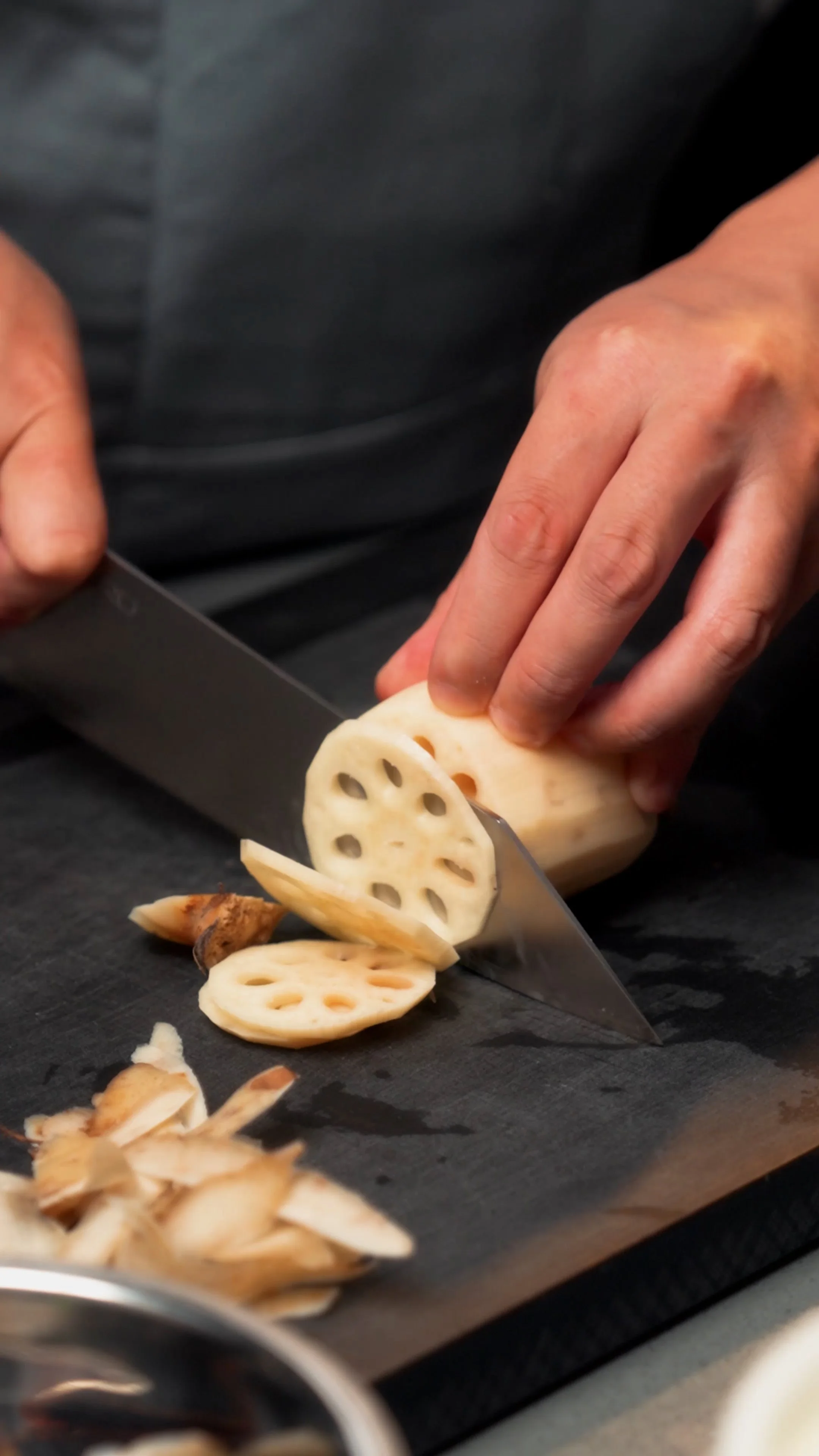
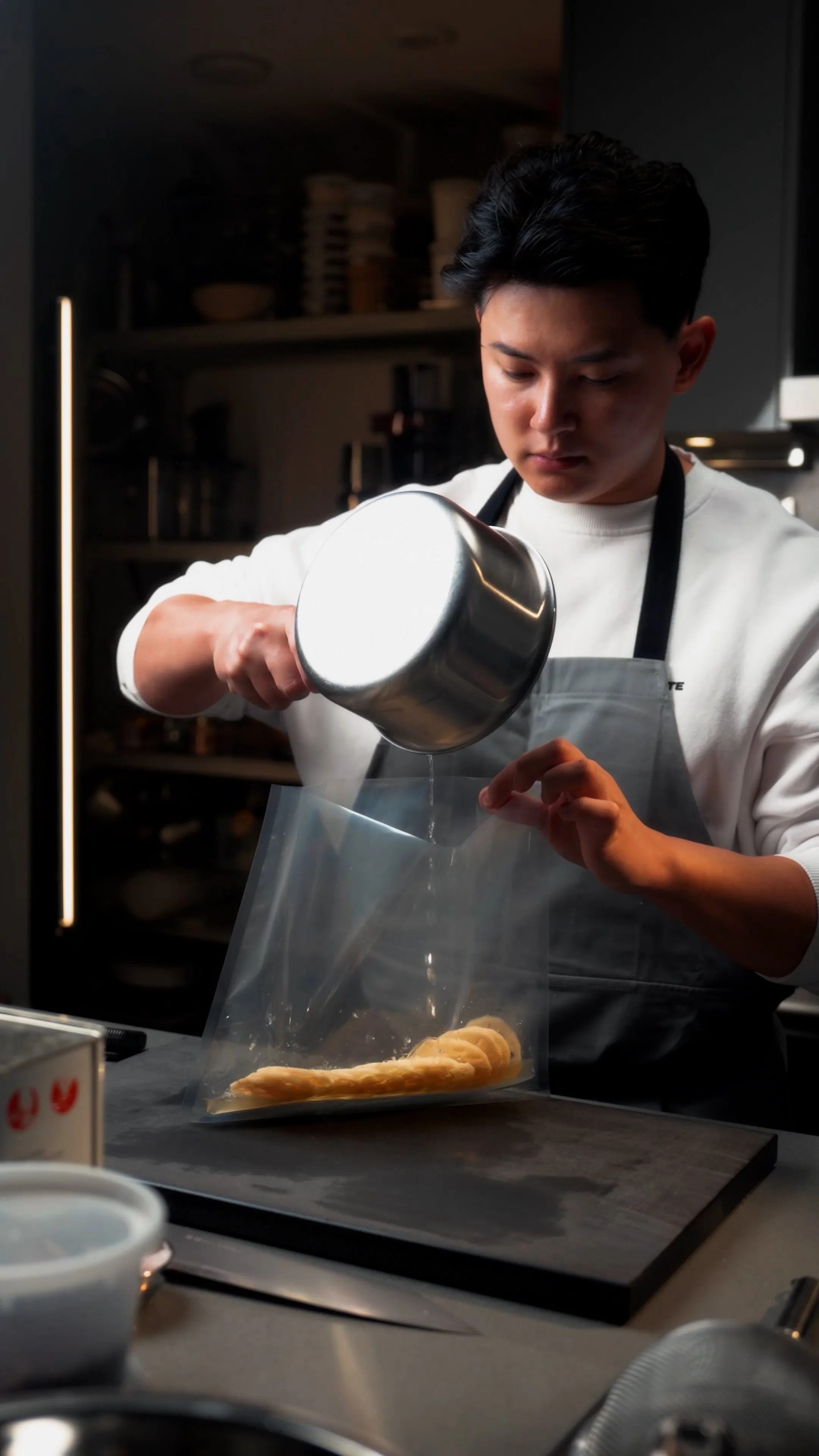
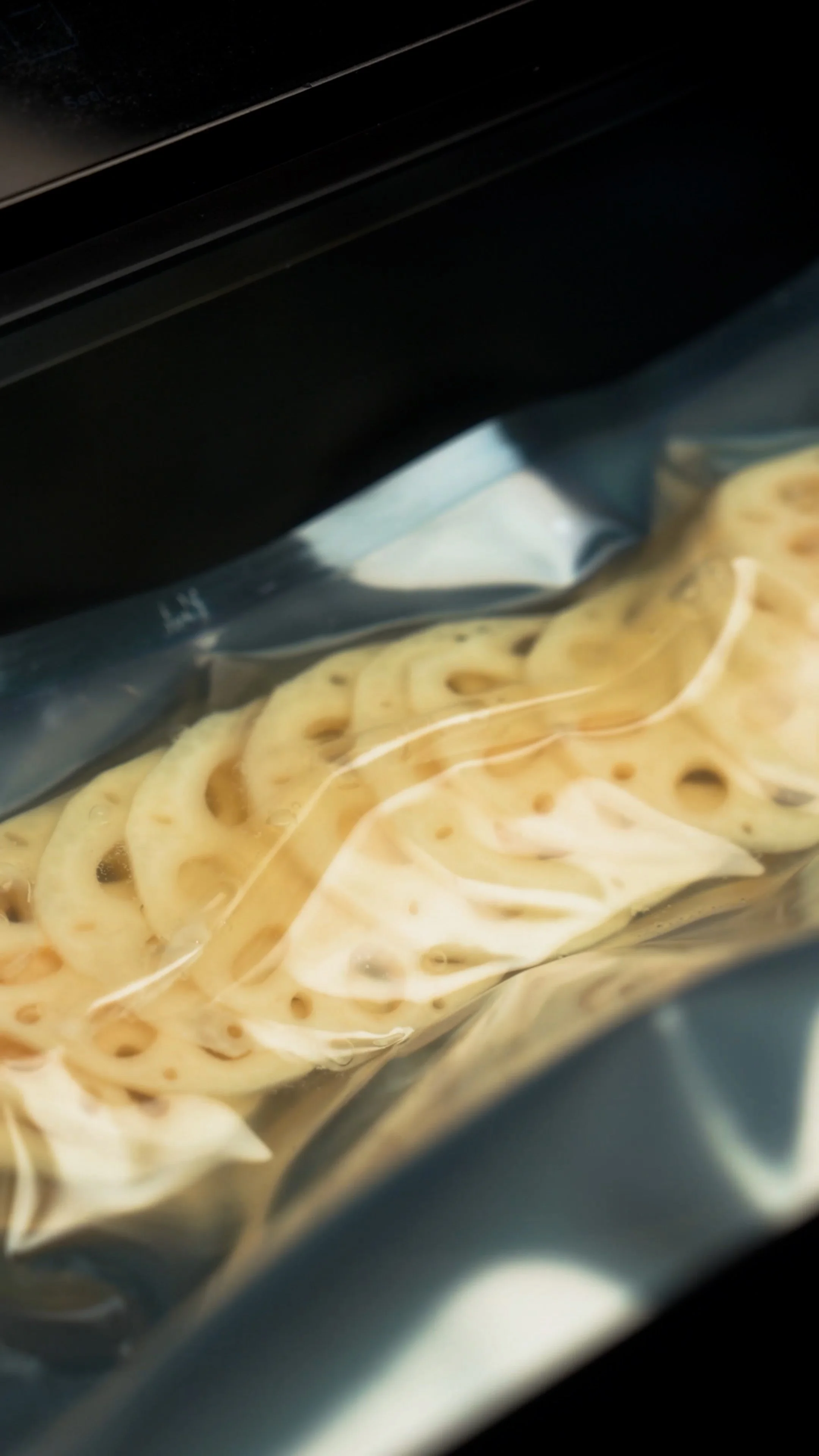
Do I need to pickle Lotus Root?
No, pickled lotus root is not essential for Mala Cream Shrimp dim sum, but it can add a unique, crunchy, tangy element that complements the rich, creamy, and spicy mala flavors. If you're aiming for added texture and a bit of acidity to balance the creaminess, it could be a nice addition. However, if you prefer a simpler filling, you can skip it or use a milder crunchy vegetable substitute, like water chestnuts or jicama.
Can these be frozen?
They can be frozen after wrapping in Spring Roll strips, but I recommend thawing them first before deep frying to get better presentation and texture. You can deep fry them frozen, but you will need a longer cooking time. Presentation will be less 3D but more crunchy!
Can I adjust the spice level?
Yes! You can control the heat by adjusting the amount of mala chili oil, adding more or less to fit your spice preference.
What type of shrimp works best for the filling?
Fresh, raw shrimp with a firm texture, like tiger or white shrimp, works well. They give a springy, juicy filling that balances with the creamy, spicy sauce.
What makes the “mala” flavor in these shrimp dumplings?
Mala comes from a blend of Sichuan peppercorns and chilies, creating a signature spicy, numbing effect that defines the dish’s bold flavor.
How can I thicken the Mala Cream Sauce?
Make sure to use Heavy Cream and heat on a gentle simmer for 10-15 minutes while stirring frequently. This will help get the desired thickness of the sauce. Remember that Mala Oil will be added to thin out the sauce. If the cream is too runny, you may not have simmered it gently for long enough, or heavy cream was not used. If you need help thickening the cream, you could make a roux (flour and butter), cornstarch slurry while simmering in pan (1:1, Cornstarch: Water) or add a little bit of Xanthan Gum and whisk while cream is transferred to a mixing bowl.
Other Culinary Class Wars Inspired Recipes
Love the recipe?
Make sure to follow me on Instagram, TikTok, YouTube, and Pinterest to stay up to date with all of my content!
Sign up for my free newsletter to receive cooking tips & recipe updates!
If you made this recipe, send me a picture and tag it with #W2Recipes.
I would love to see your re-creations on Instagram @willhkwong.
If you liked this recipe, Pin it to Pinterest! 👇🏻


XO sauce is a luxurious Cantonese condiment born in 1980s Hong Kong, known for its deep umami flavor and premium…