
This post may contain affiliate links. Please read my disclosure policy for details.
As an Amazon Associate, I earn from qualifying purchases.
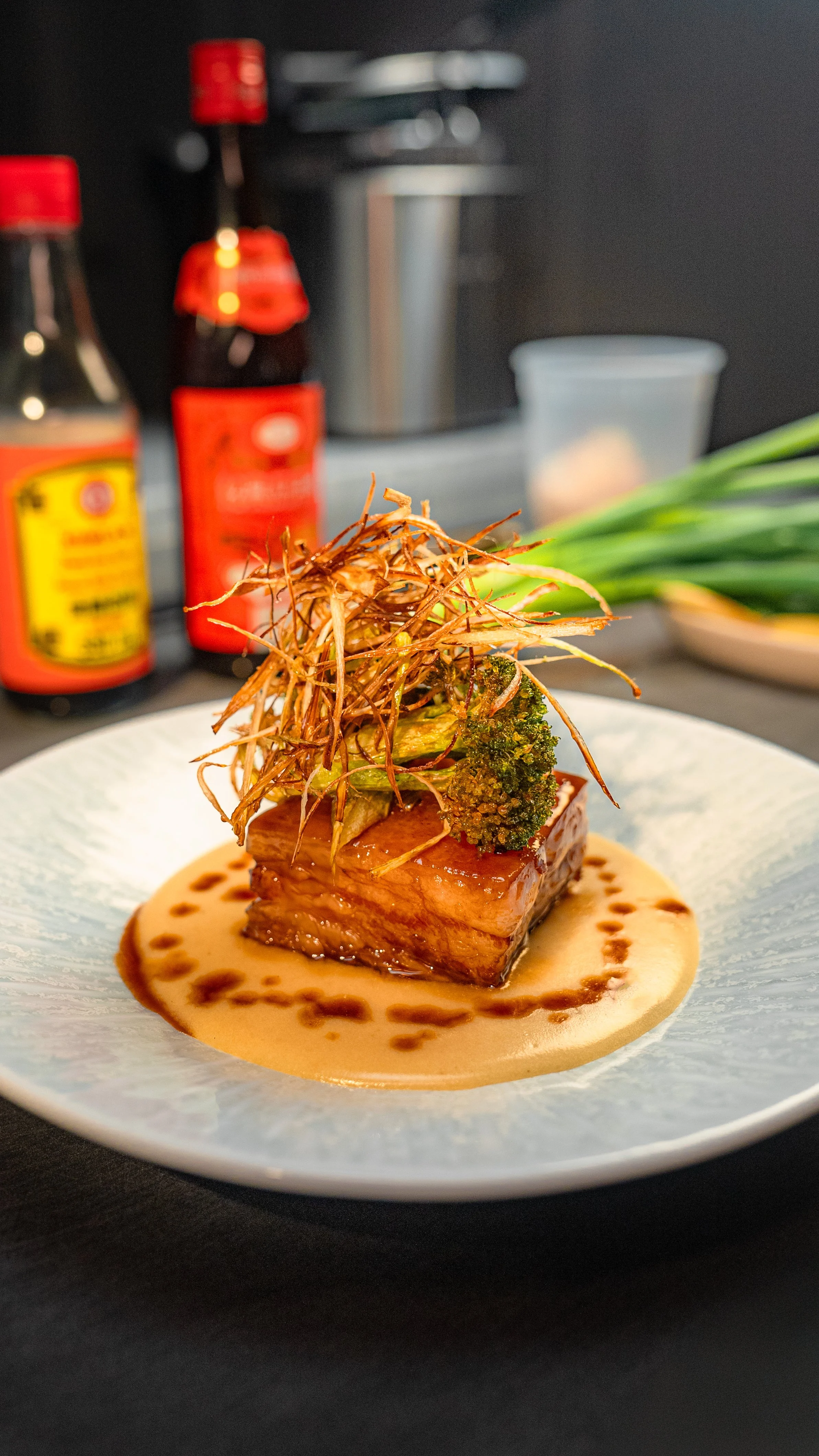
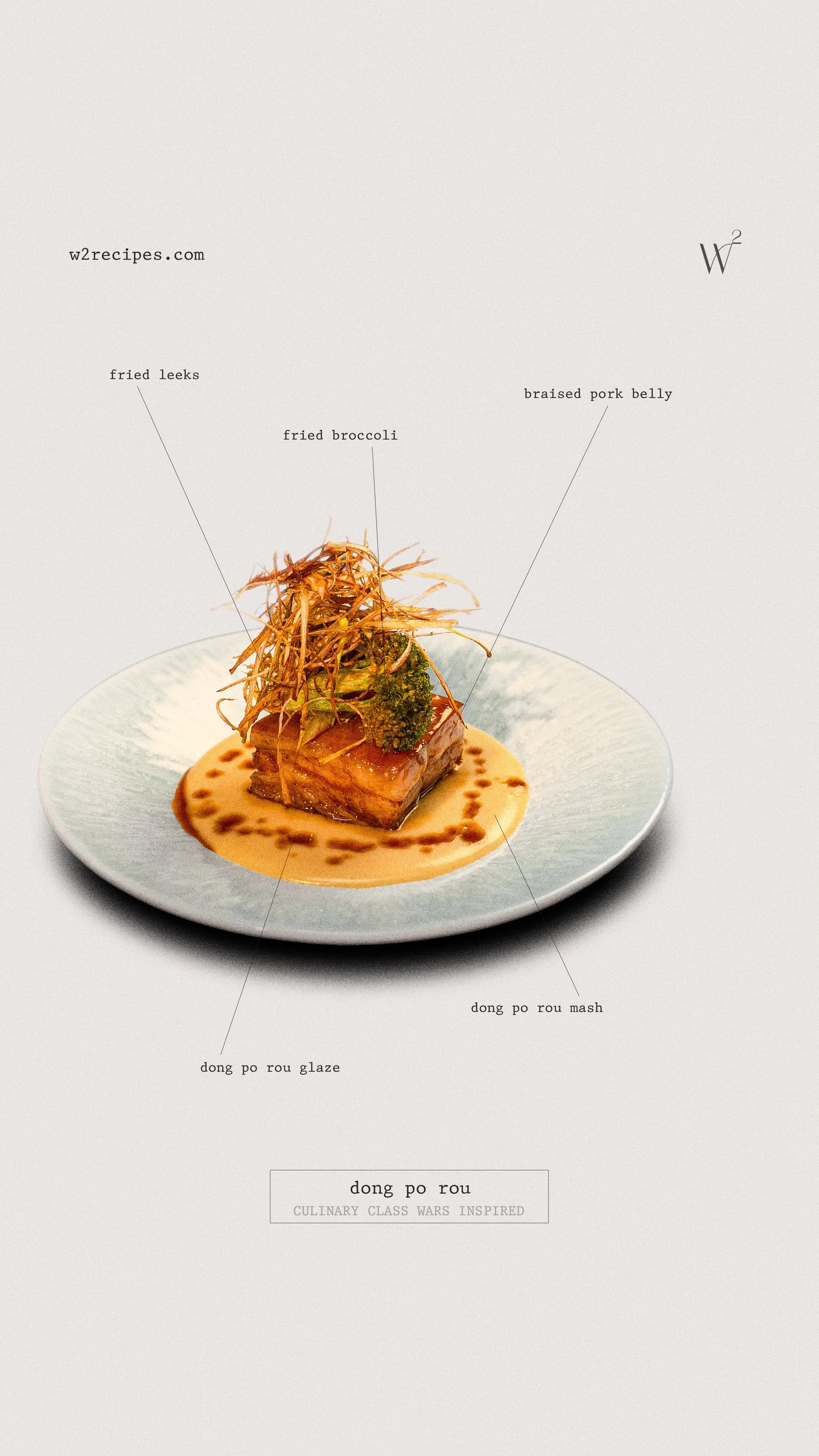
Re-Creation of Culinary Class Wars | Netflix

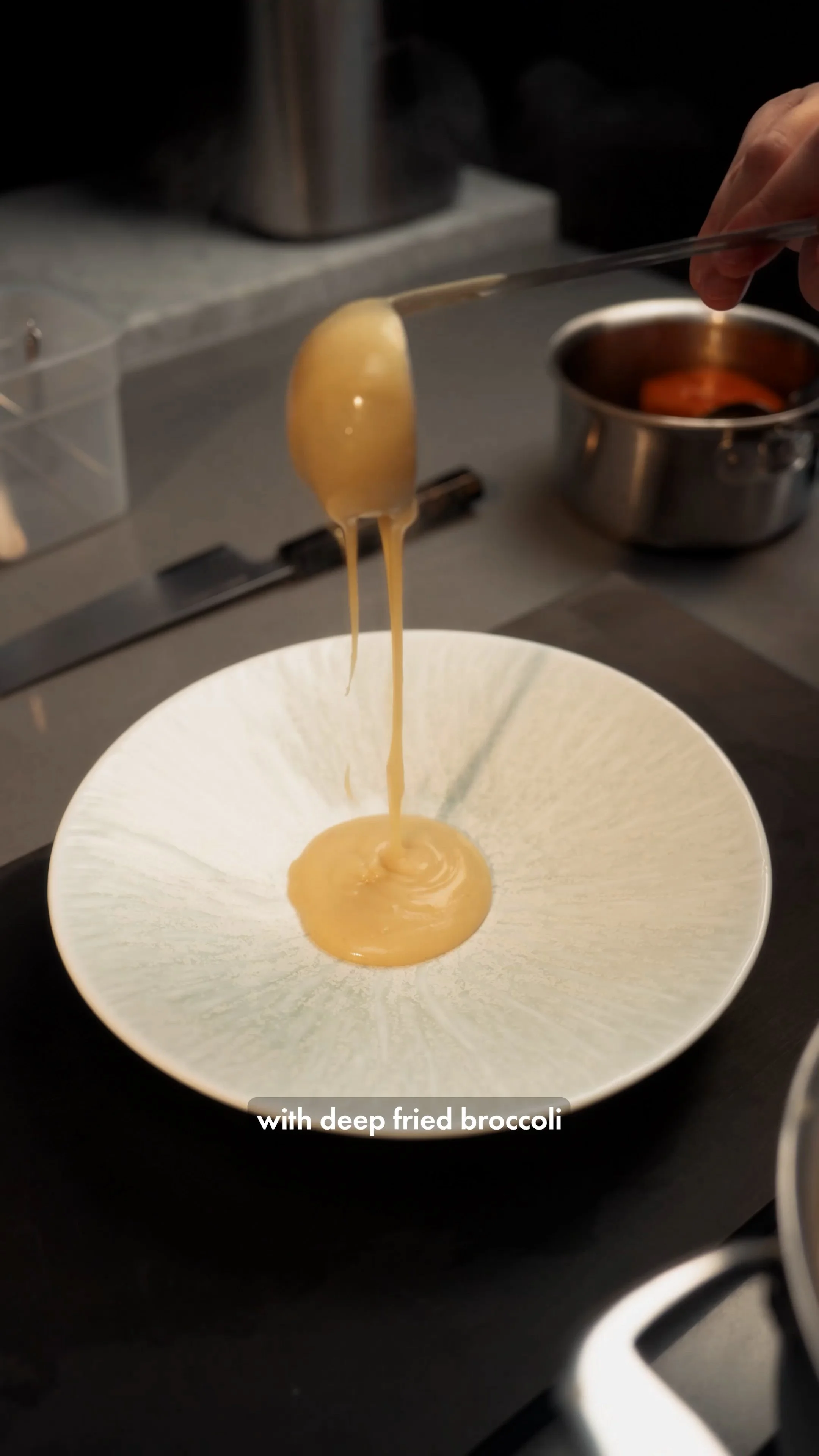
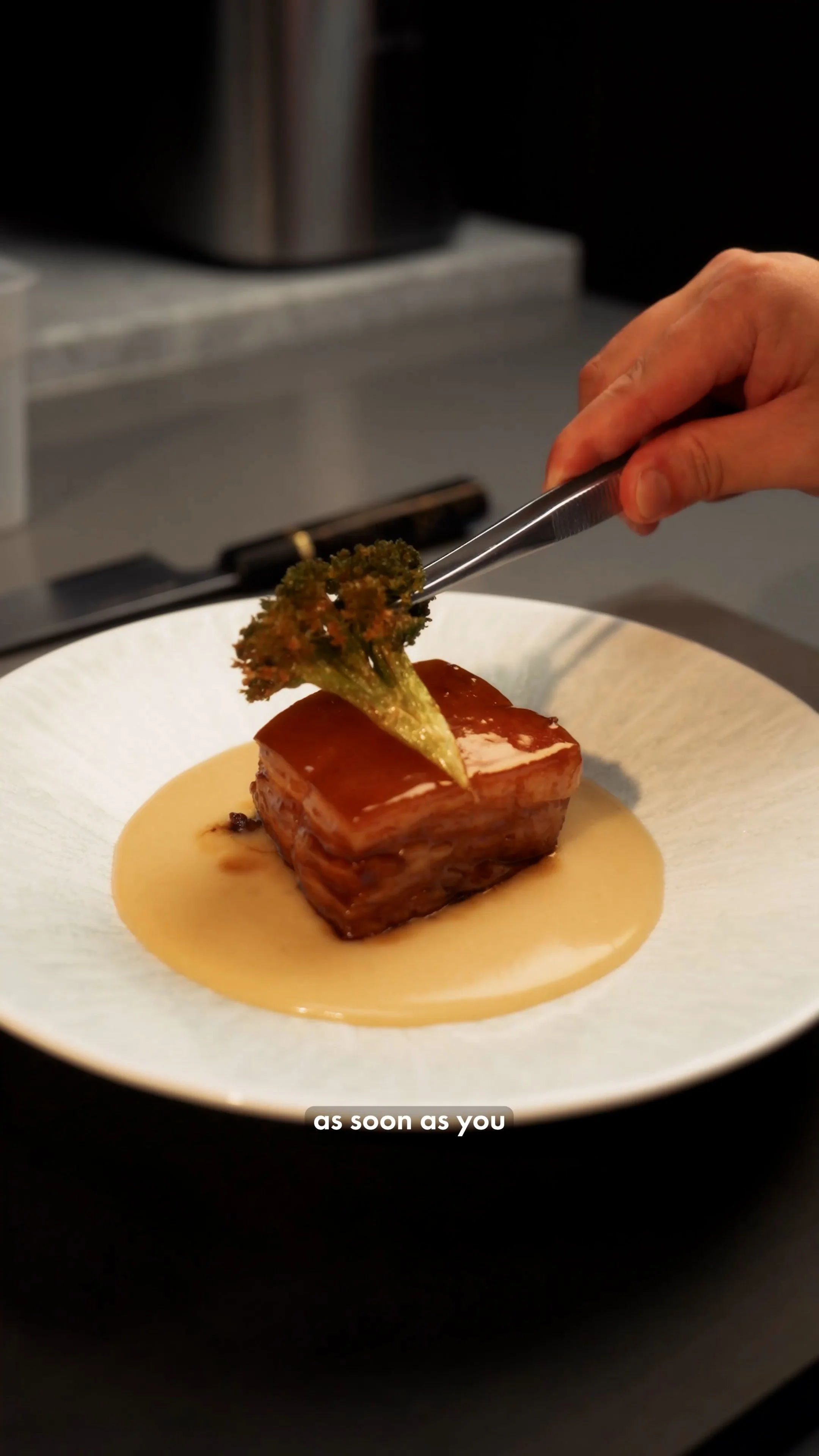
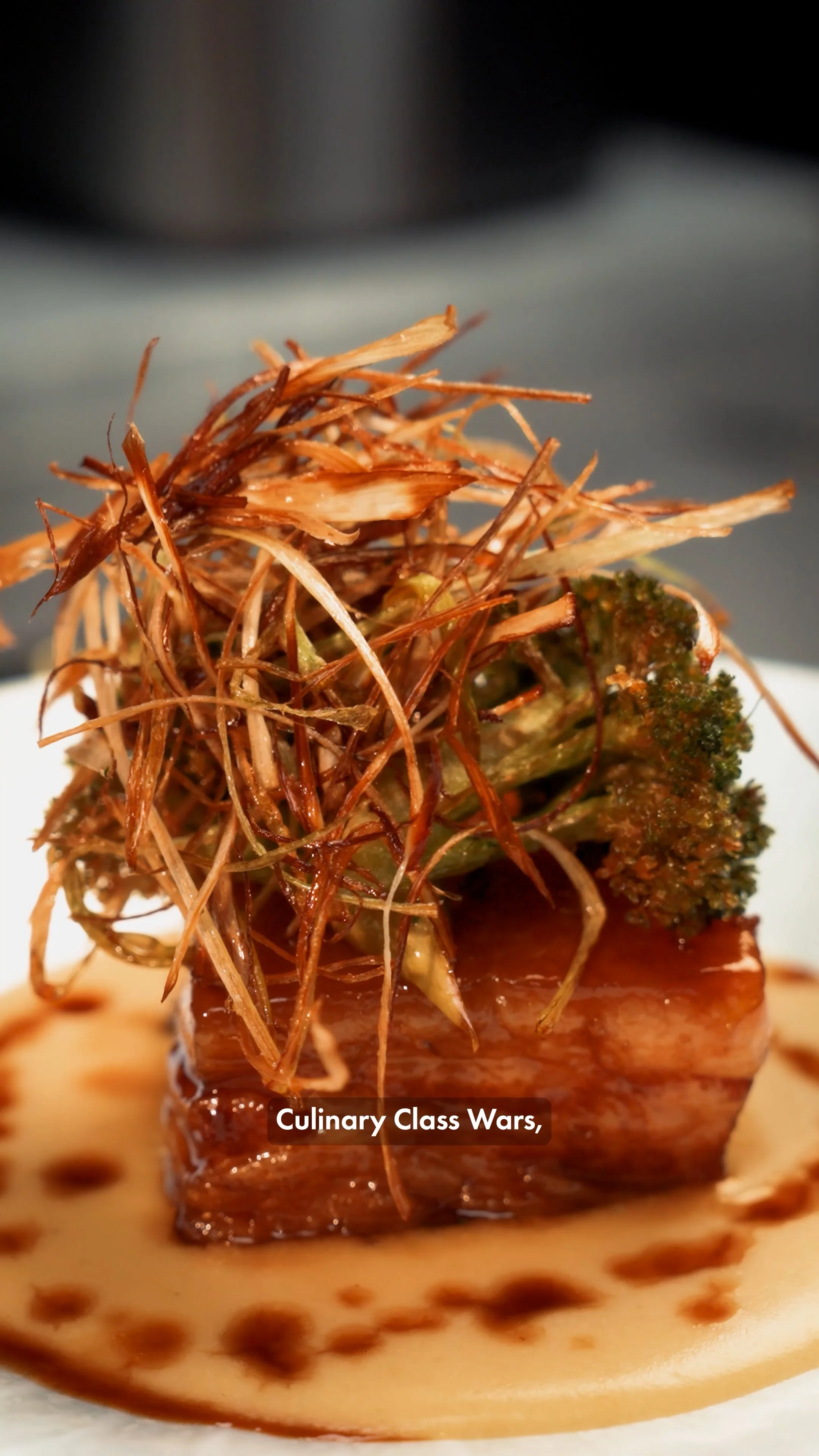
What is Dong Po Rou?
Dong Po Rou is a traditional Chinese braised pork belly dish that originates from Hangzhou, in Zhejiang province. The dish is named after the famous poet and scholar Su Dongpo, who is credited with its creation or popularization.
Key Features:
Main Ingredient: Pork belly, which is prized for its layers of fat and meat.
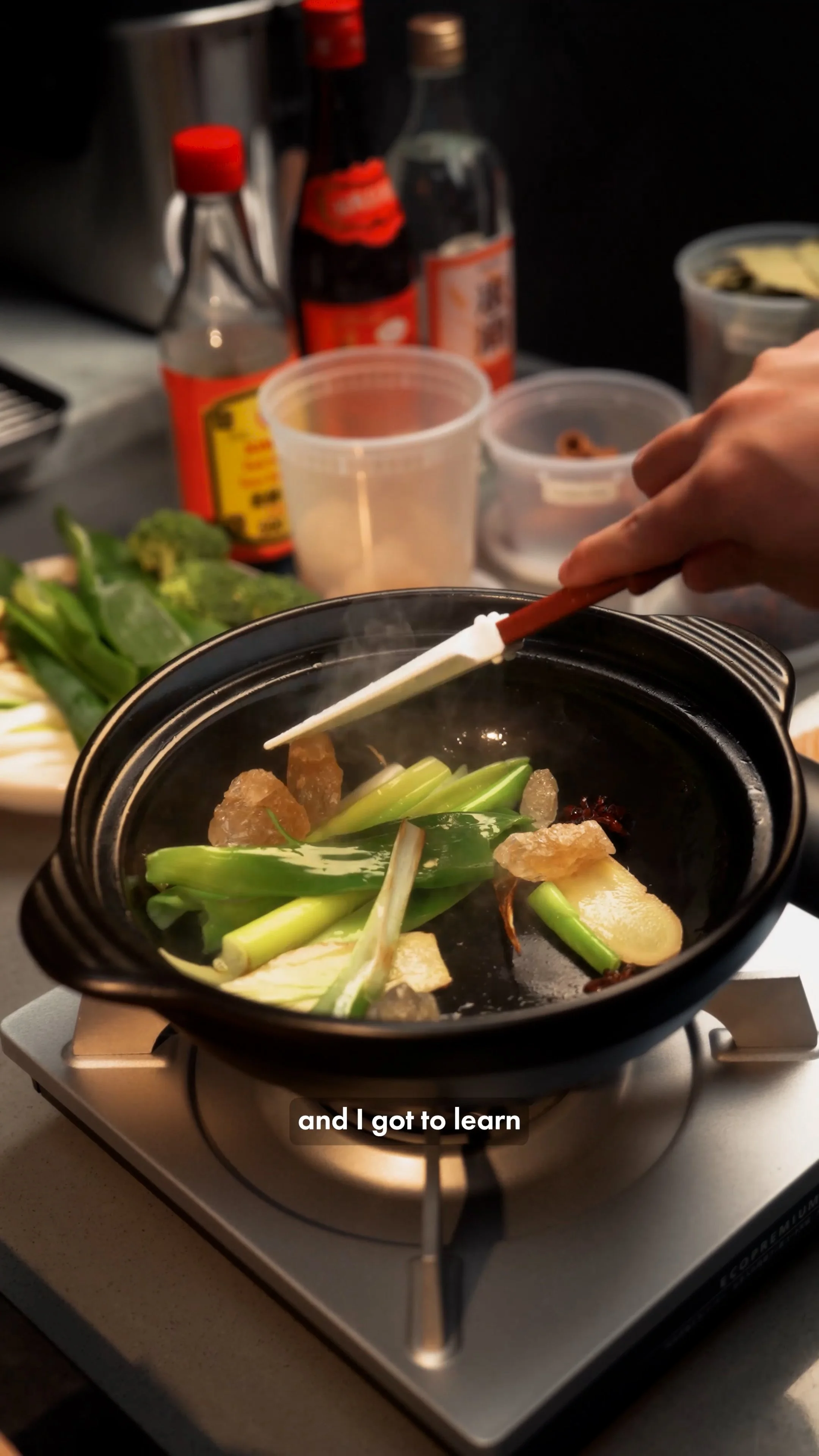
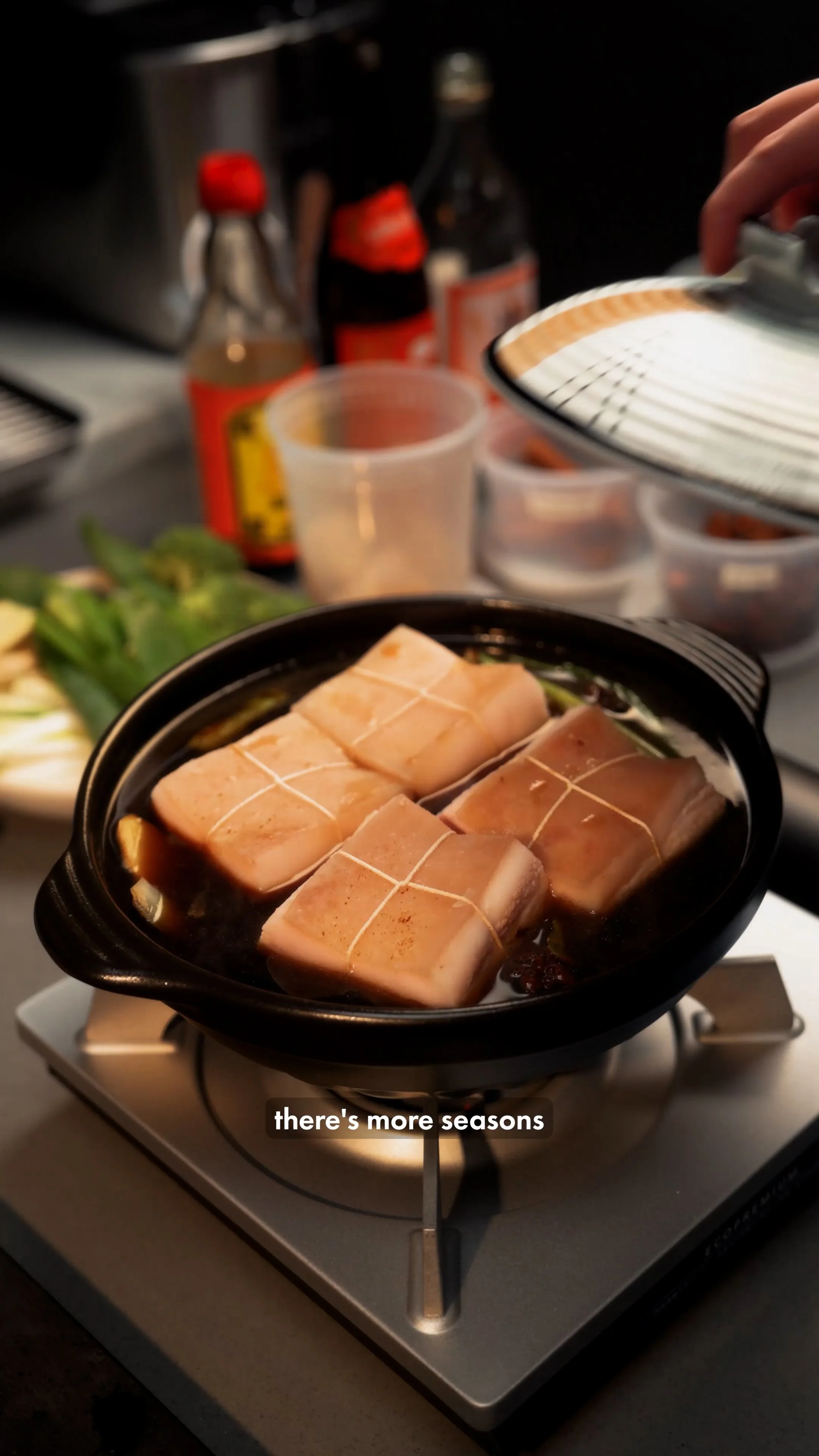
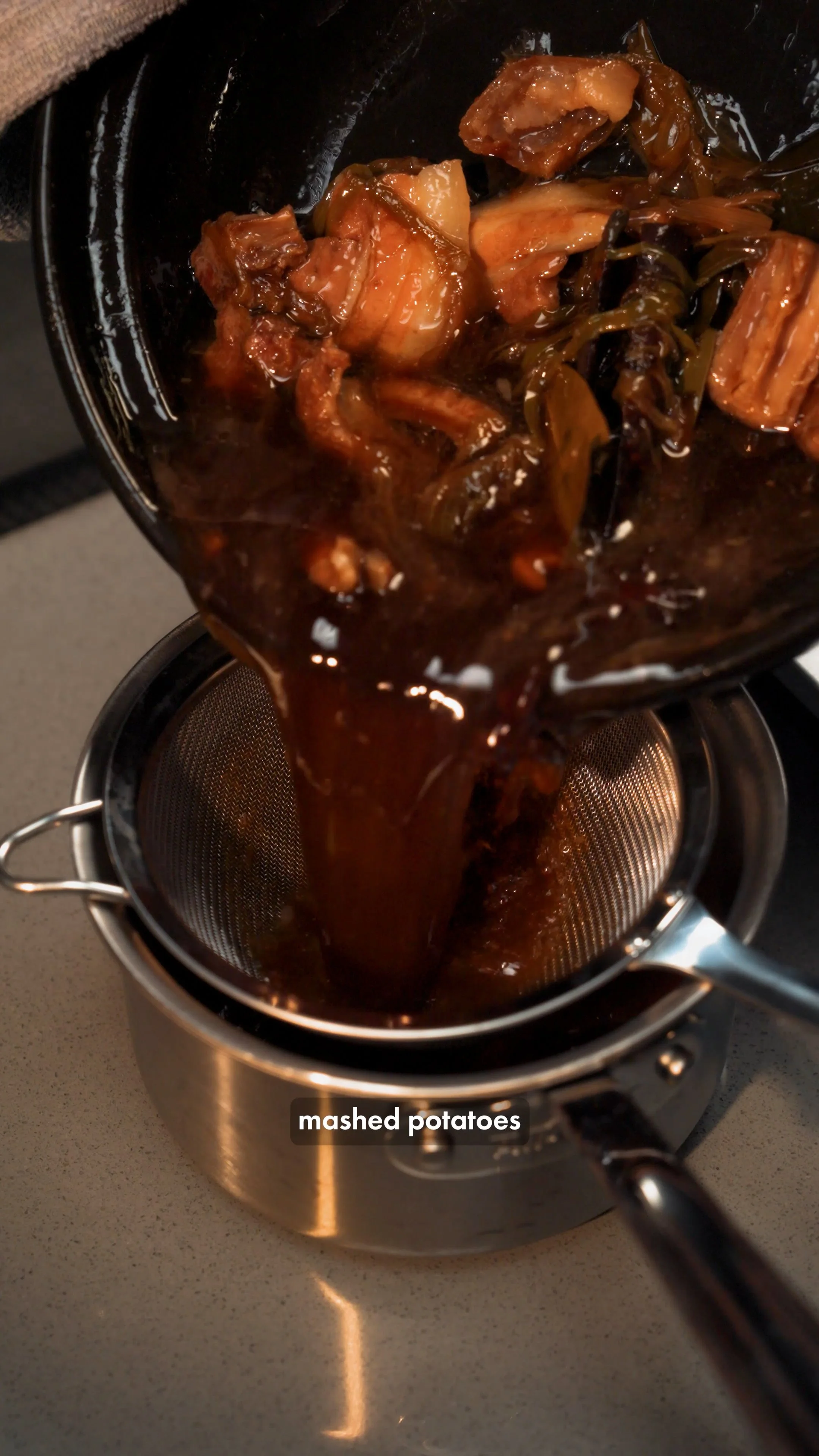
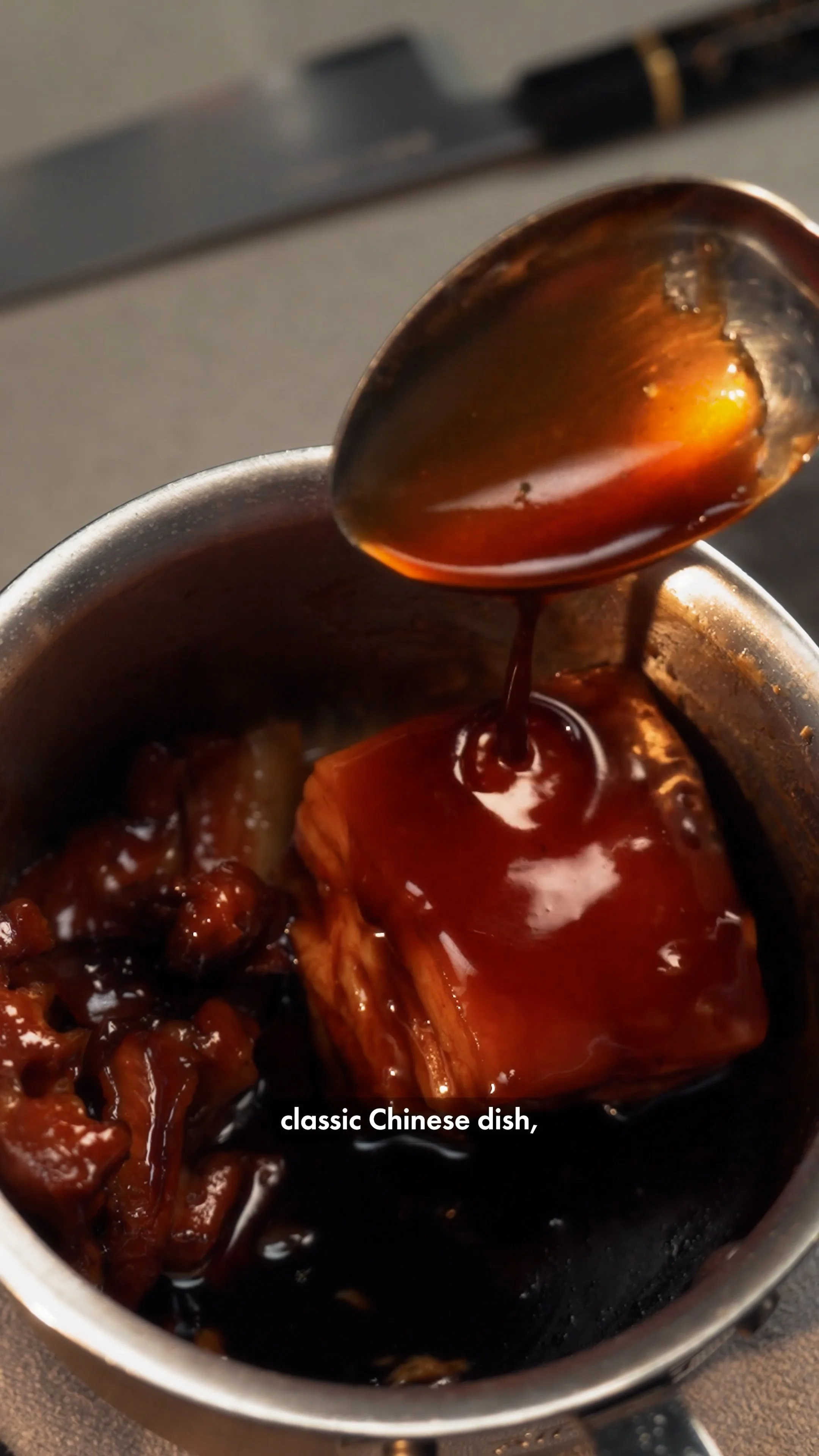
Cooking Method: The pork belly is first browned and then slow-braised in a mixture of soy sauce, Chinese cooking wine (Shaoxing wine), sugar, and aromatics like ginger, garlic, and star anise. The slow cooking process tenderizes the meat while infusing it with deep, rich flavors.
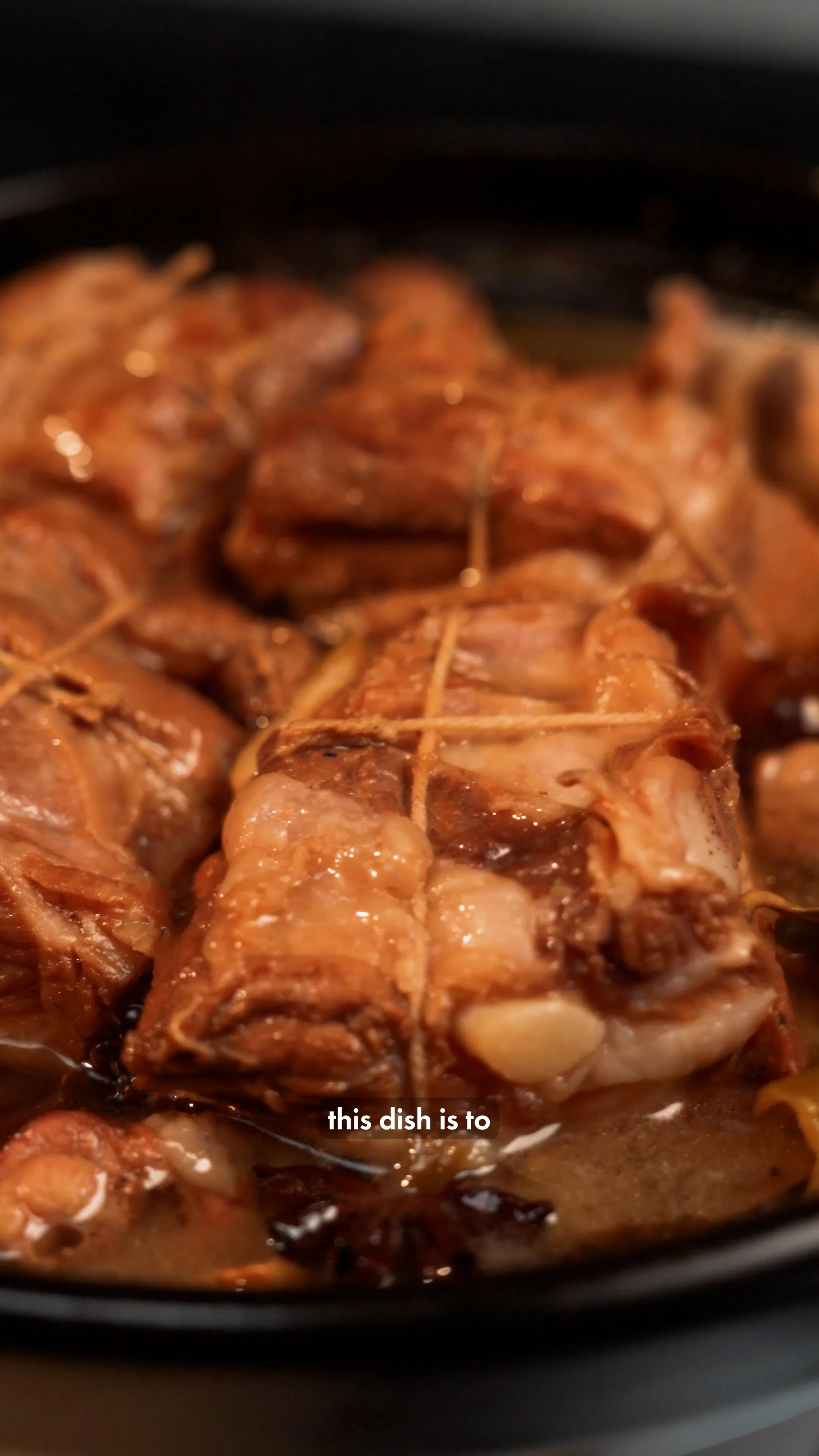
Texture and Flavor: The dish results in a melt-in-your-mouth, tender pork belly with a sweet, savory, and slightly caramelized flavor. The rich sauce is absorbed by the pork, and it’s typically served with steamed rice or buns (mantou).
Dong Po Rou is known for its glossy appearance and soft, luscious texture. It’s a favorite comfort food in Chinese cuisine.
Key Ingredient?
Pork Belly
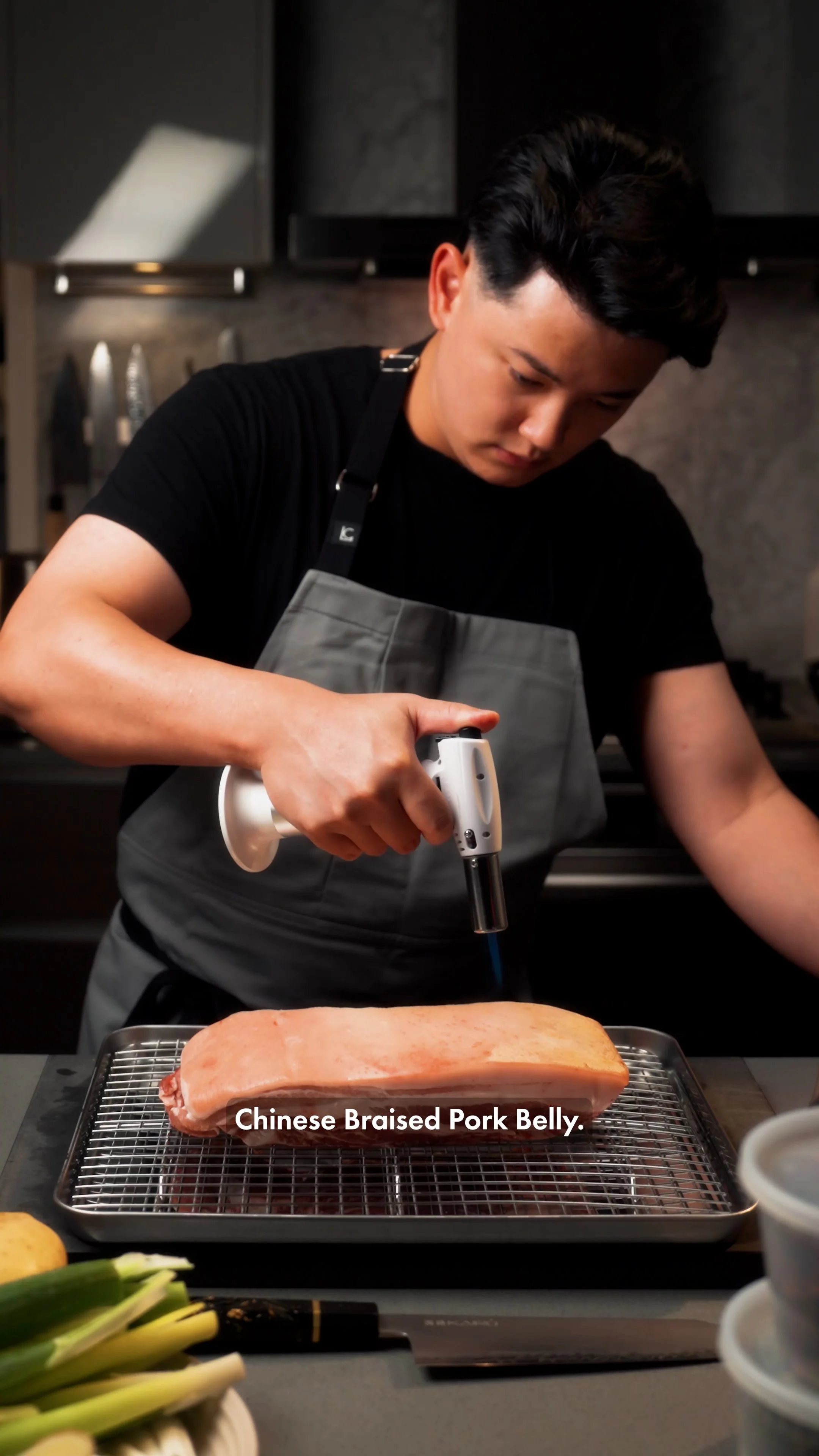
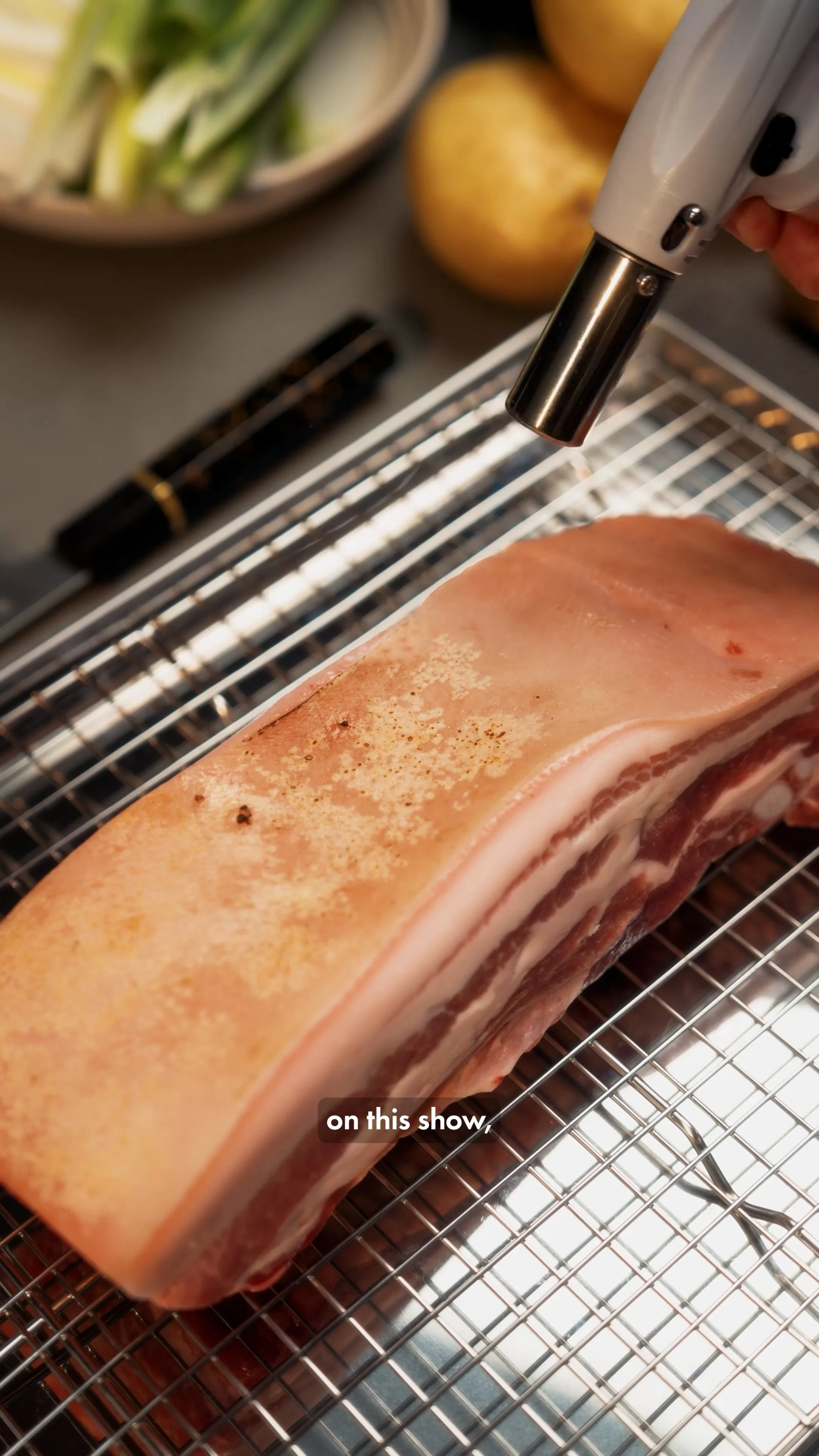
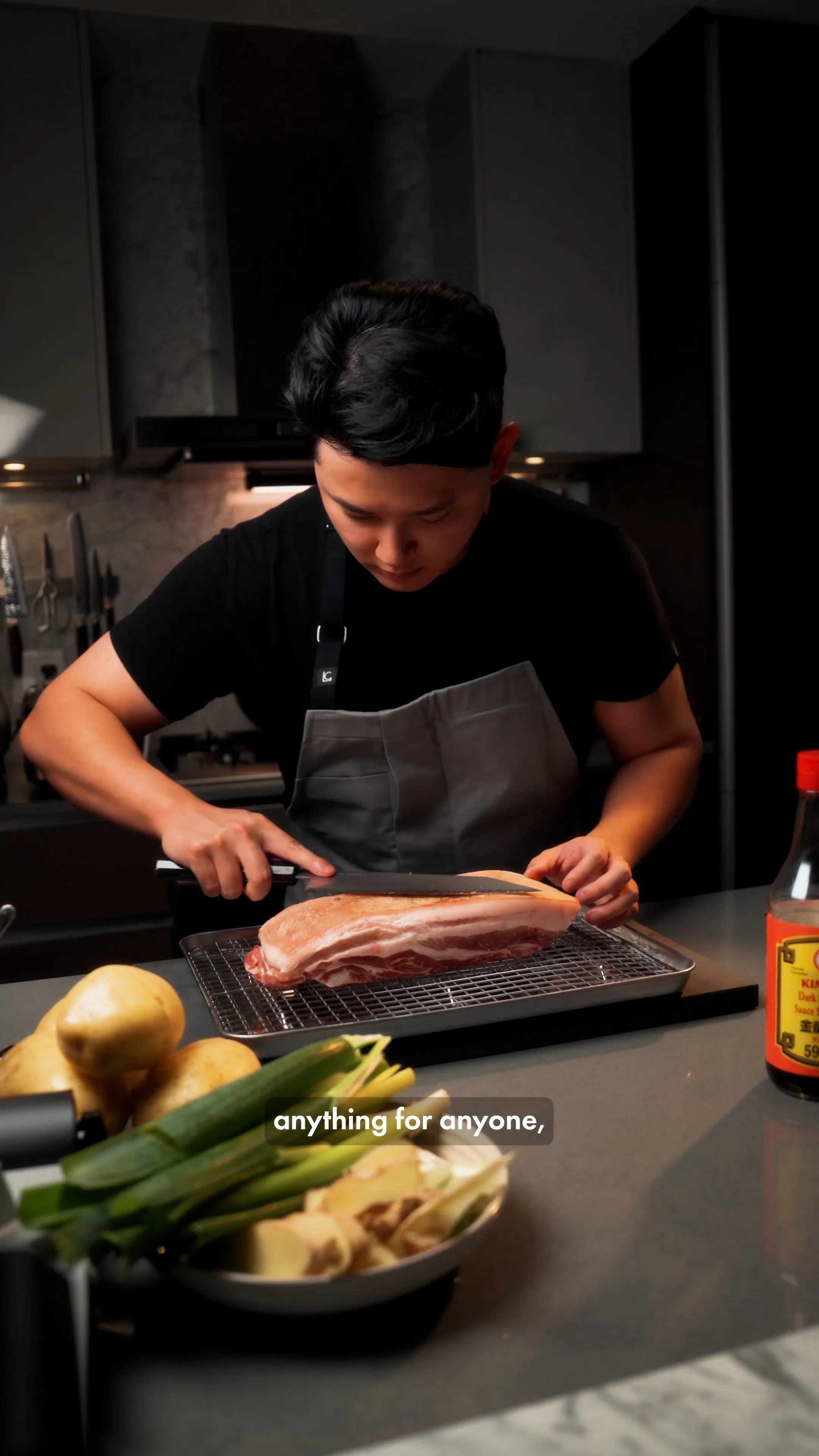
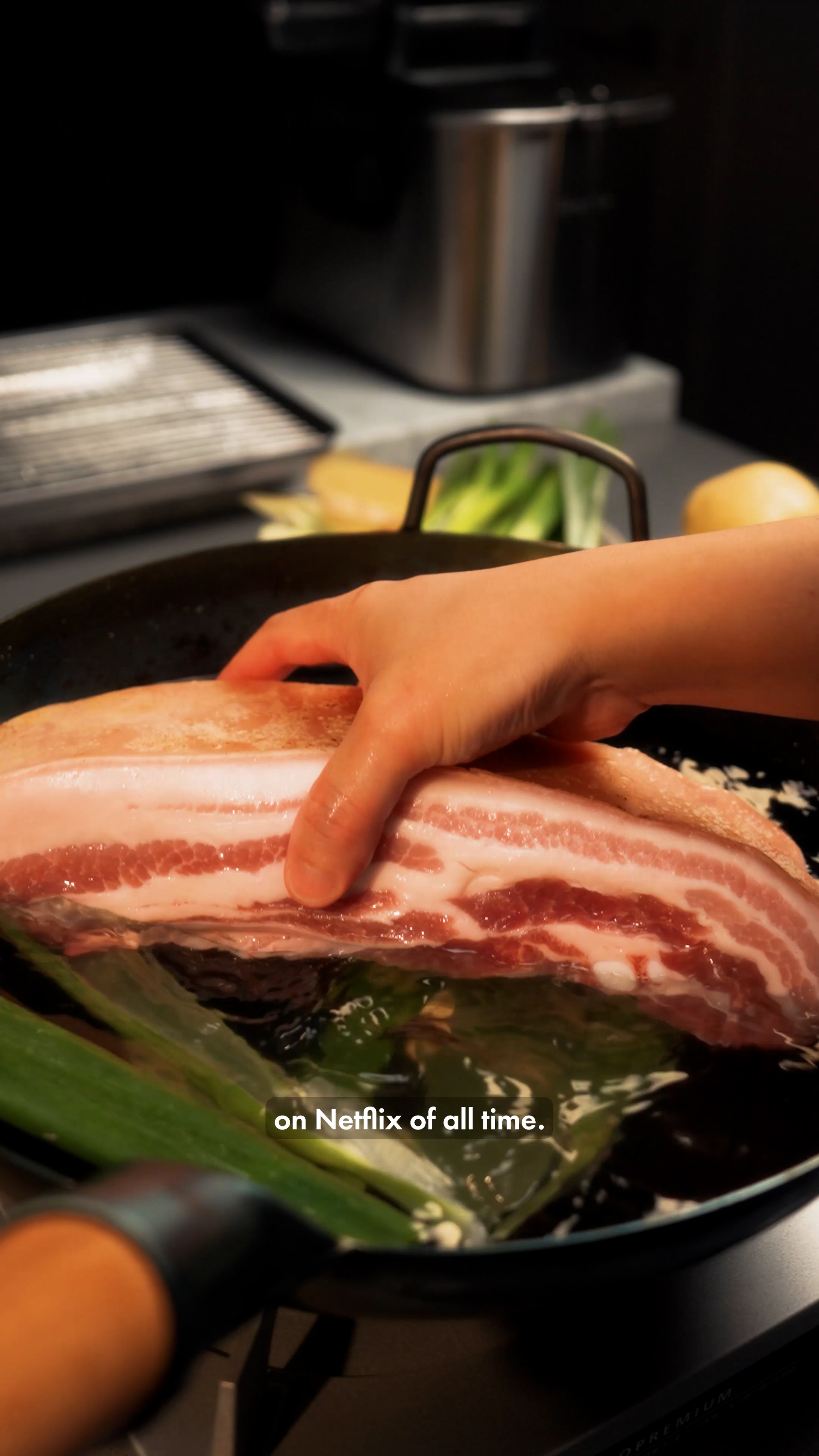
The key ingredient in Dong Po Rou is pork belly. This cut of meat, with its layers of fat and lean meat, is essential to achieving the dish's signature tender, melt-in-your-mouth texture. The pork belly is slow-braised in a rich sauce made from soy sauce, sugar, and typically Chinese cooking wine (Shaoxing wine), which infuses it with deep, savory-sweet flavors.
FAQs
What If I Don’t Have It?
See substitution suggestions above. For this recipe, the combination of all other ingredients is mandatory to create this flavorful dish.
What cut of pork is used for Dong Po Rou?
Dong Po Rou is traditionally made with pork belly, prized for its alternating layers of fat and lean meat, which becomes tender and flavorful when braised.
What does Dong Po Rou taste like?
Dong Po Rou has a rich, savory-sweet flavor with a slightly caramelized taste from the braising liquid, which typically includes soy sauce, sugar, and Chinese cooking wine. The pork is melt-in-your-mouth tender due to the long cooking time.
How long does it take to cook Dong Po Rou?
Dong Po Rou is slow-braised for around 2–3 hours. This long cooking time ensures the pork belly becomes tender and fully absorbs the flavors from the sauce.
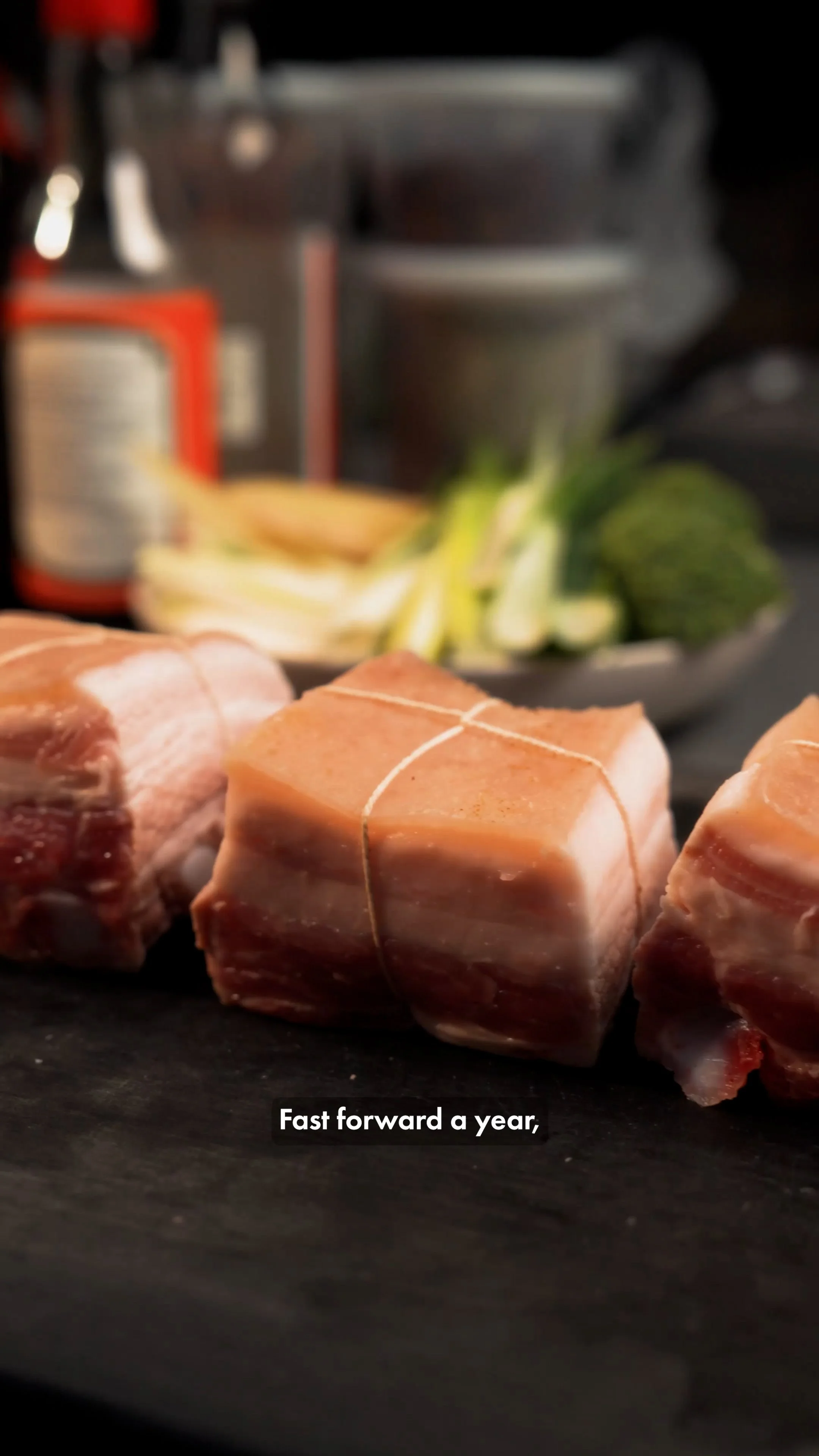
Why use butcher’s twine?
Shape Retention: The twine helps the pork belly maintain its shape during the long braising process, especially as it softens and becomes tender. This keeps each piece neatly formed, resulting in an attractive, restaurant-quality presentation.
Even Cooking: Tying the pork belly ensures even cooking and allows the braising flavors to permeate uniformly, as it keeps the layers of fat and meat compact.
Traditional Aesthetic: The tied appearance is part of the traditional look of dong po rou, giving it a refined and authentic finish that enhances the dish's visual appeal.
After braising, the twine is usually removed before serving, revealing a perfectly tender, beautifully shaped piece of pork belly.
Can I make Dong Po Rou without Chinese cooking wine (Shaoxing wine)?
Yes! You can substitute Shaoxing wine with alternatives like stock with vinegar or grape juice with vinegar to mimic the depth and acidity of the original wine, making the dish non-alcoholic.
Chinese Rice Wine versus Chinese Cooking Wine?
Chinese rice wine and Chinese cooking wine are similar but have a few key differences:
Chinese Rice Wine (Shaoxing Wine)
Purpose: Used for both drinking and cooking.
Flavor: Smooth, slightly sweet, and more refined in flavor.
Quality: Often higher quality, with no added salt, making it suitable for sipping and cooking. Shaoxing wine is a popular choice for enhancing flavors in dishes like Dong Po Rou.
Examples: Shaoxing wine, Huangjiu.
Chinese Cooking Wine
Purpose: Specifically for cooking.
Flavor: Has added salt and sometimes other seasonings to make it unsuitable for drinking. The salt allows it to be sold in grocery stores without alcohol restrictions.
Quality: Generally lower quality than drinking rice wine and intended solely for culinary use.
In dishes where you want a clean, high-quality flavor without added salt, Chinese Rice Wine (like Shaoxing wine) is preferable. However, Chinese cooking wine can work as a budget-friendly substitute if you're only using a small amount.
Why use Rock Sugar?
Rock sugar is a type of crystallized sugar commonly used in Chinese cooking. It has a mild sweetness and is less processed than granulated sugar, giving it a subtle, clean taste. In dong po rou, rock sugar is used to caramelize the sauce, adding depth, shine, and a balanced sweetness that enhances the dish’s rich, savory flavors.
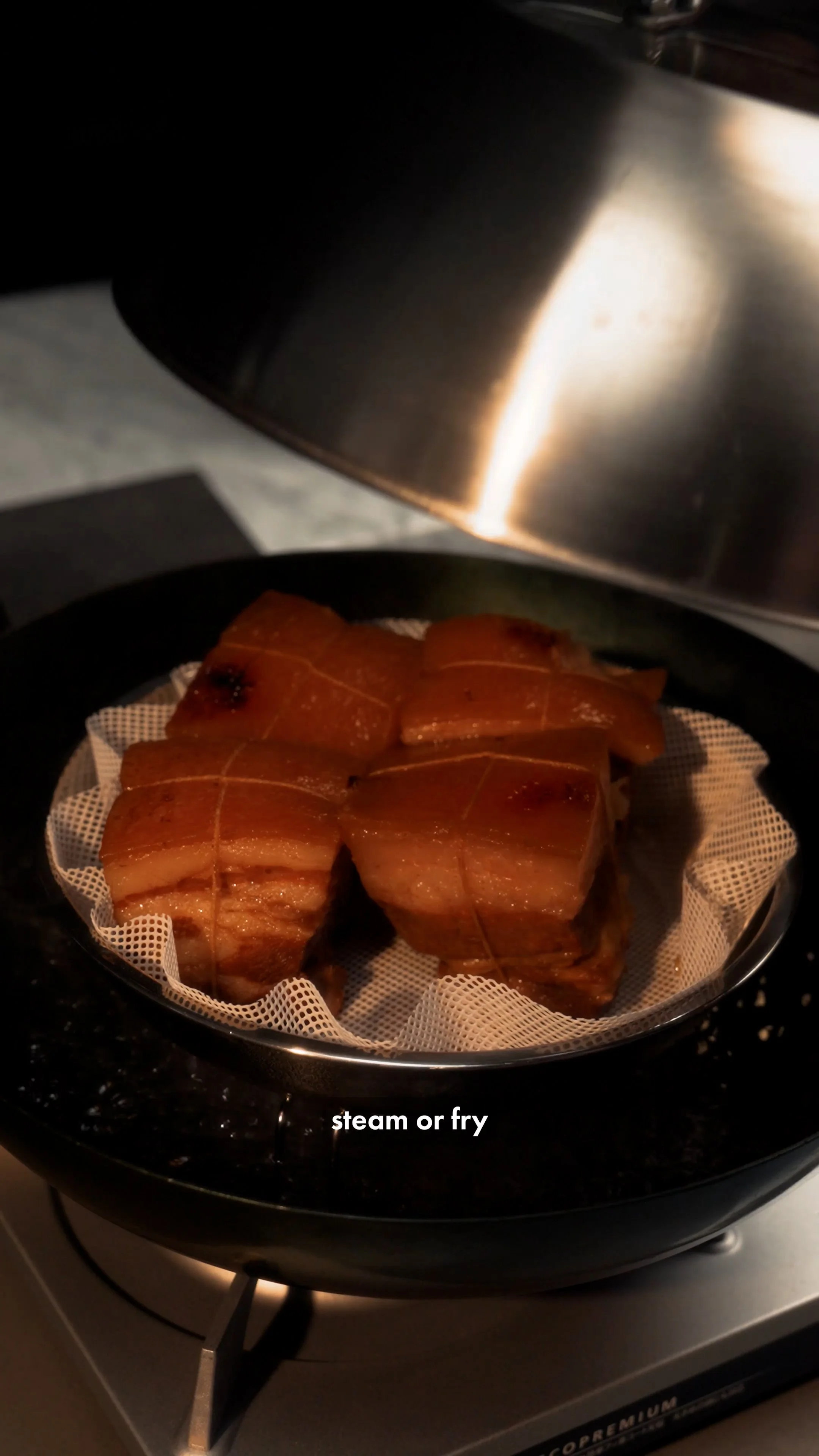
Why braise and then steam?
Traditionally braised and then steamed to achieve a uniquely tender, flavorful, and melt-in-your-mouth texture.
What is the best way to serve Dong Po Rou?
Dong Po Rou is often served with steamed rice or mantou (steamed buns) to soak up the flavorful sauce. It's also commonly paired with light, fresh vegetables to balance the richness of the dish.
How is this dish different from other Chinese Pork dishes?
Dong Po Rou is known for its sweet, savory, and melt-in-your-mouth tenderness from long braising.
Hong Shao Rou is similar but with regional variations, such as the spicier Hunan version or sweeter Shanghai version.
Kong Bak Pau is served with buns and has more five-spice and garlic flavors.
Lu Rou Fan is a Taiwanese version with minced pork belly served over rice.
Char Siu is a roasted, caramelized pork belly with a sticky, sweet glaze.
Twice-Cooked Pork is stir-fried with a spicy and savory kick from Sichuan flavors.
Mei Cai Kou Rou has an umami-rich taste from preserved vegetables and is steamed rather than braised.
Other Culinary Class Wars Inspired Recipes
Love the recipe?
Make sure to follow me on Instagram, TikTok, YouTube, and Pinterest to stay up to date with all of my content!
Sign up for my free newsletter to receive cooking tips & recipe updates!
If you made this recipe, send me a picture and tag it with #W2Recipes.
I would love to see your re-creations on Instagram @willhkwong.
If you liked this recipe, Pin it to Pinterest! 👇🏻


XO sauce is a luxurious Cantonese condiment born in 1980s Hong Kong, known for its deep umami flavor and premium…