
This post may contain affiliate links. Please read my disclosure policy for details.
As an Amazon Associate, I earn from qualifying purchases.
Re-Creation of Culinary Class Wars | Netflix

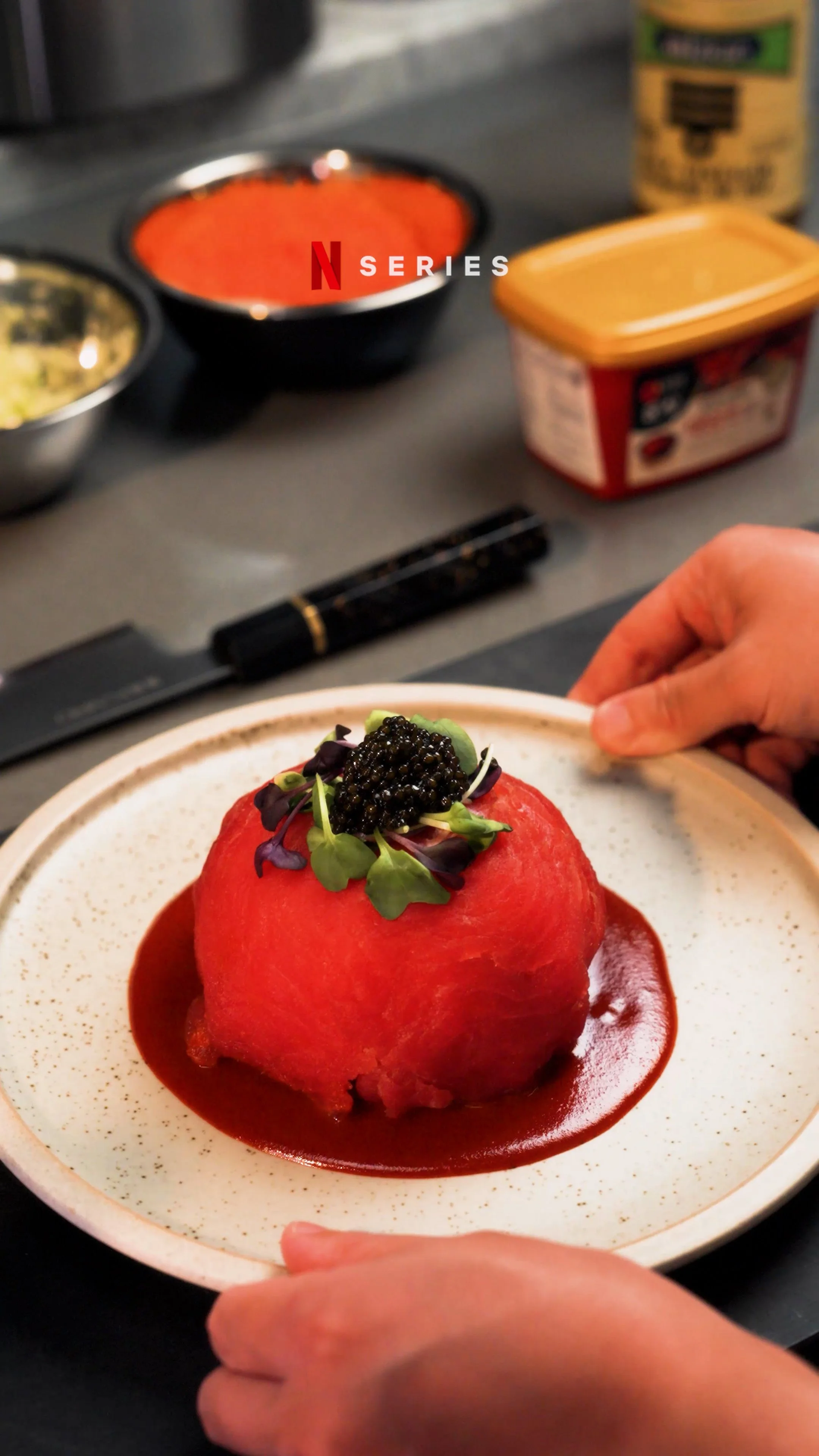
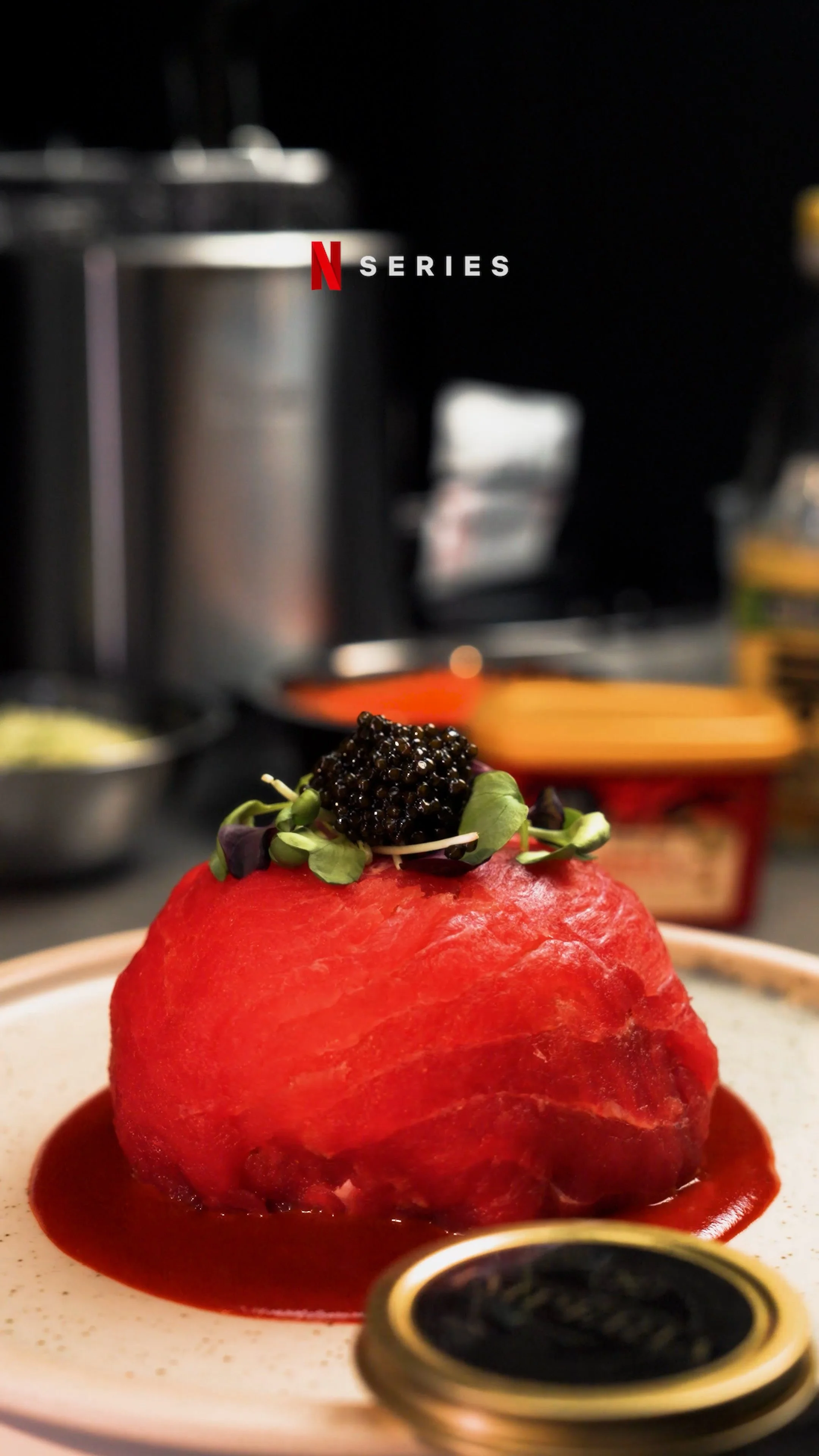
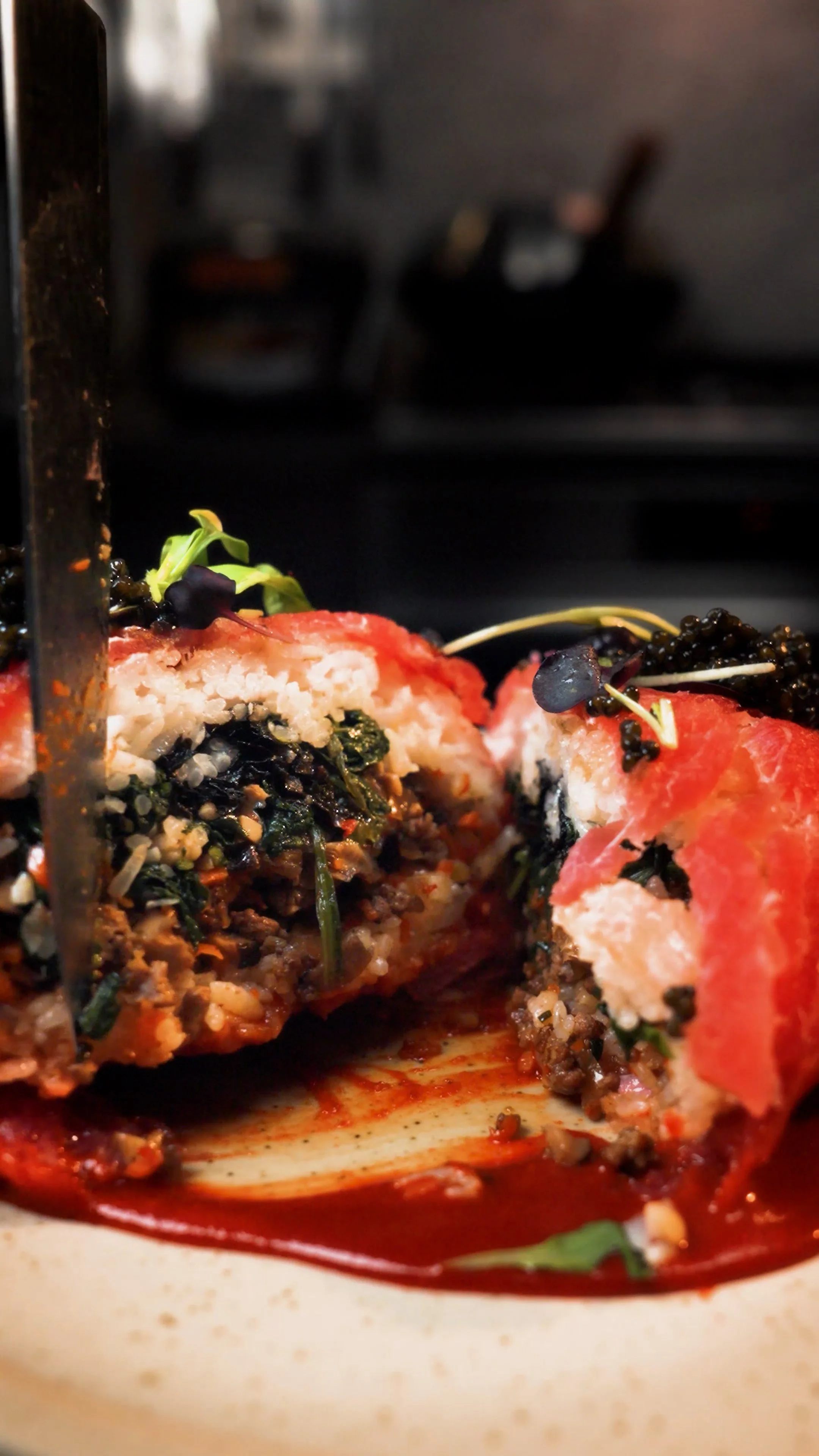
What is Tuna Bibimbap?
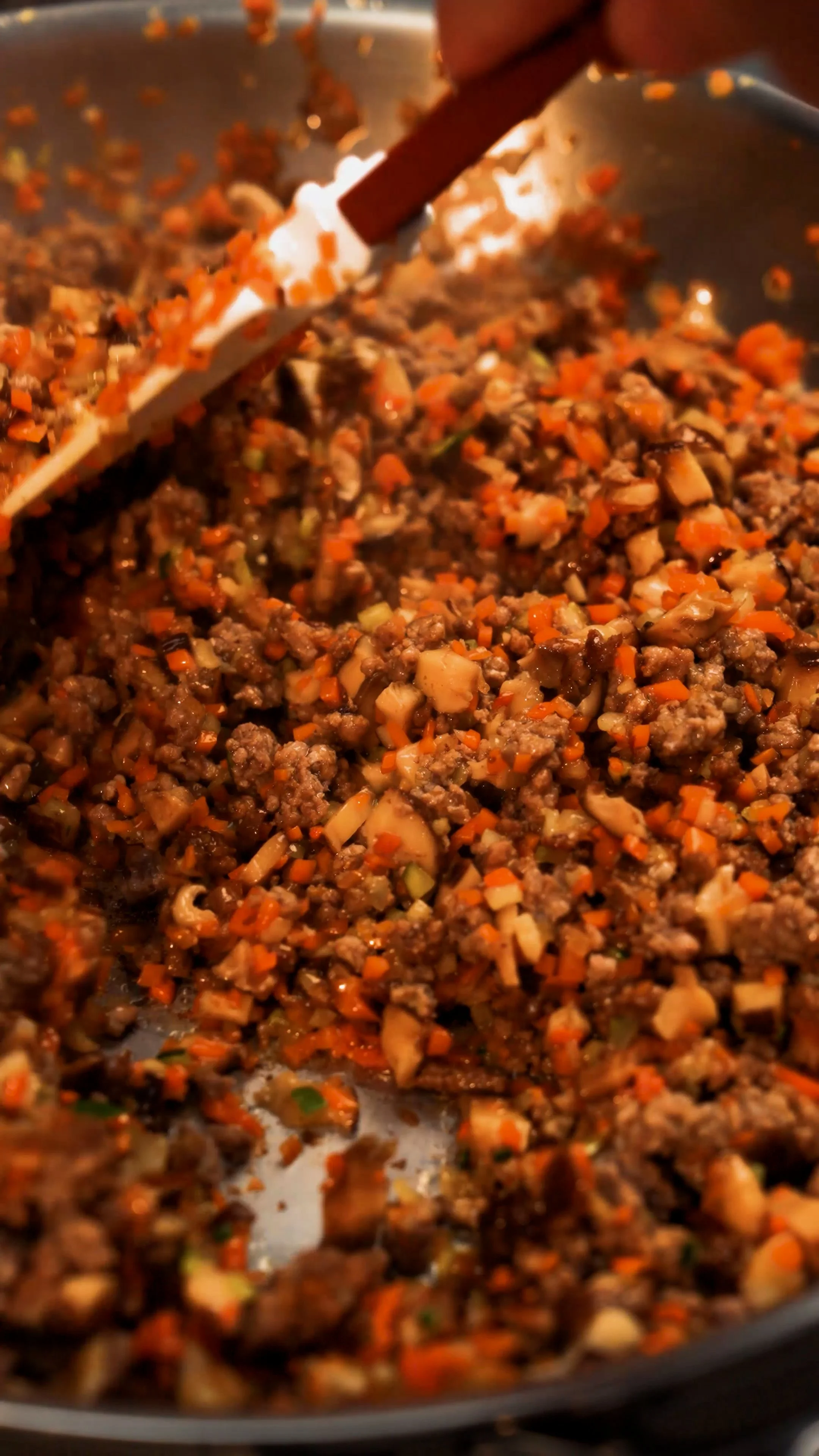
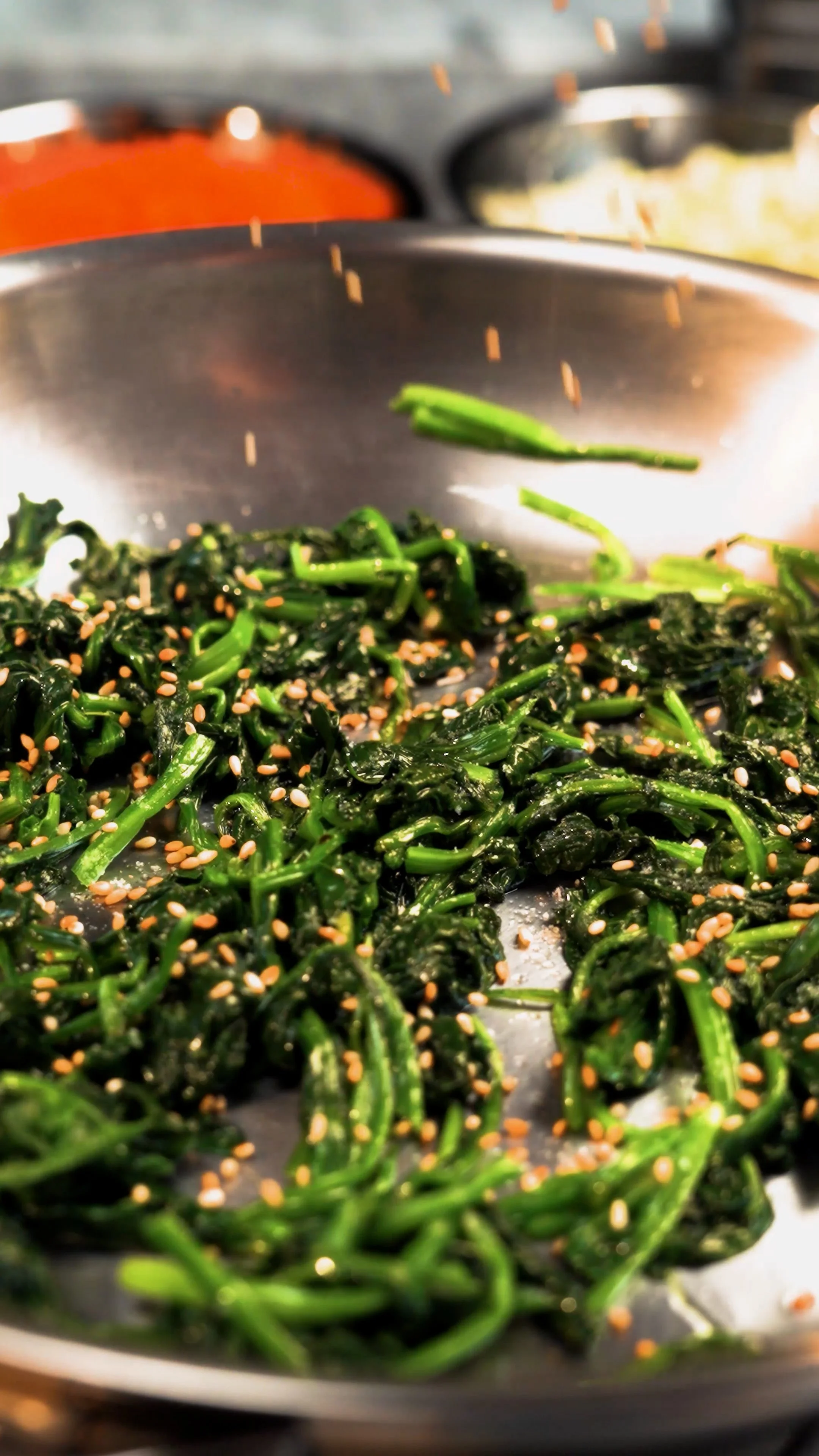
A twist on the classic Korean bibimbap dish, featuring tuna as a central ingredient alongside the traditional elements of bibimbap. Bibimbap, which means "mixed rice" in Korean, typically includes rice topped with various vegetables, a protein, and often a spicy gochujang (chili paste) sauce. This recipe calls for chogochujang, which is sweet, spicy, and tangy.
It’s a popular choice in Korean cuisine and often enjoyed by seafood lovers for its freshness and its balance of seasoned vegetables and meat.
Key Ingredient?
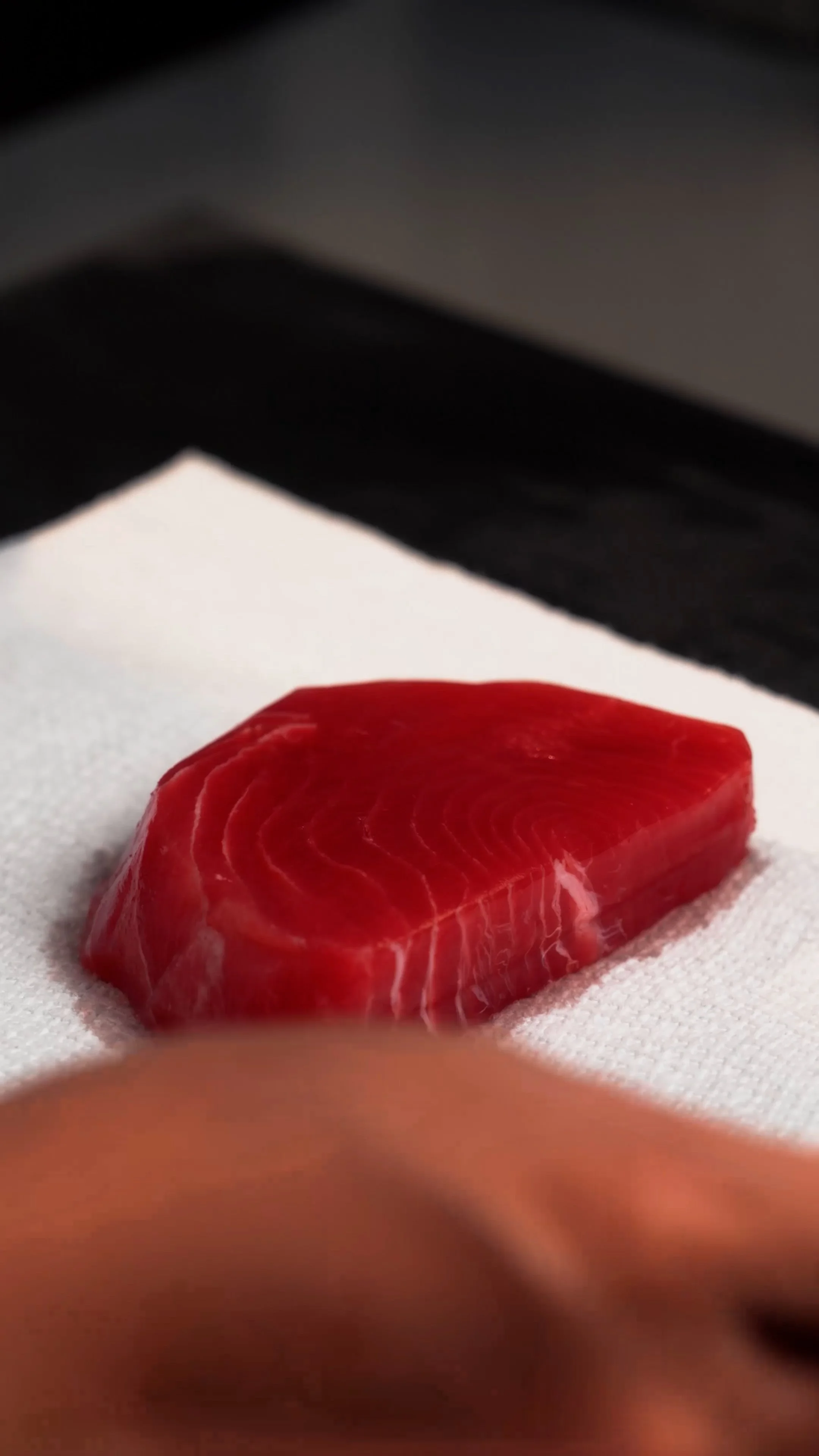
Tuna
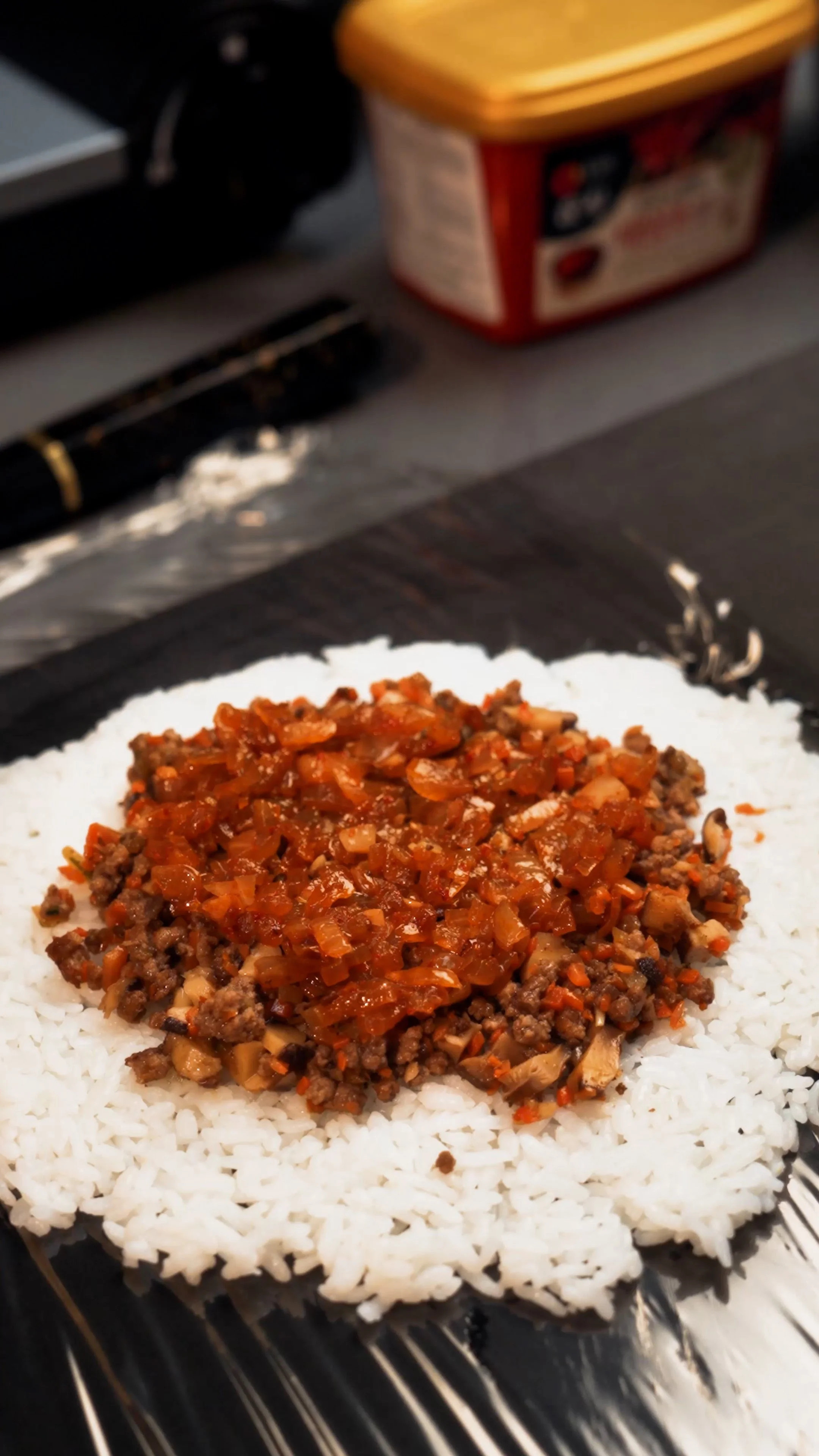
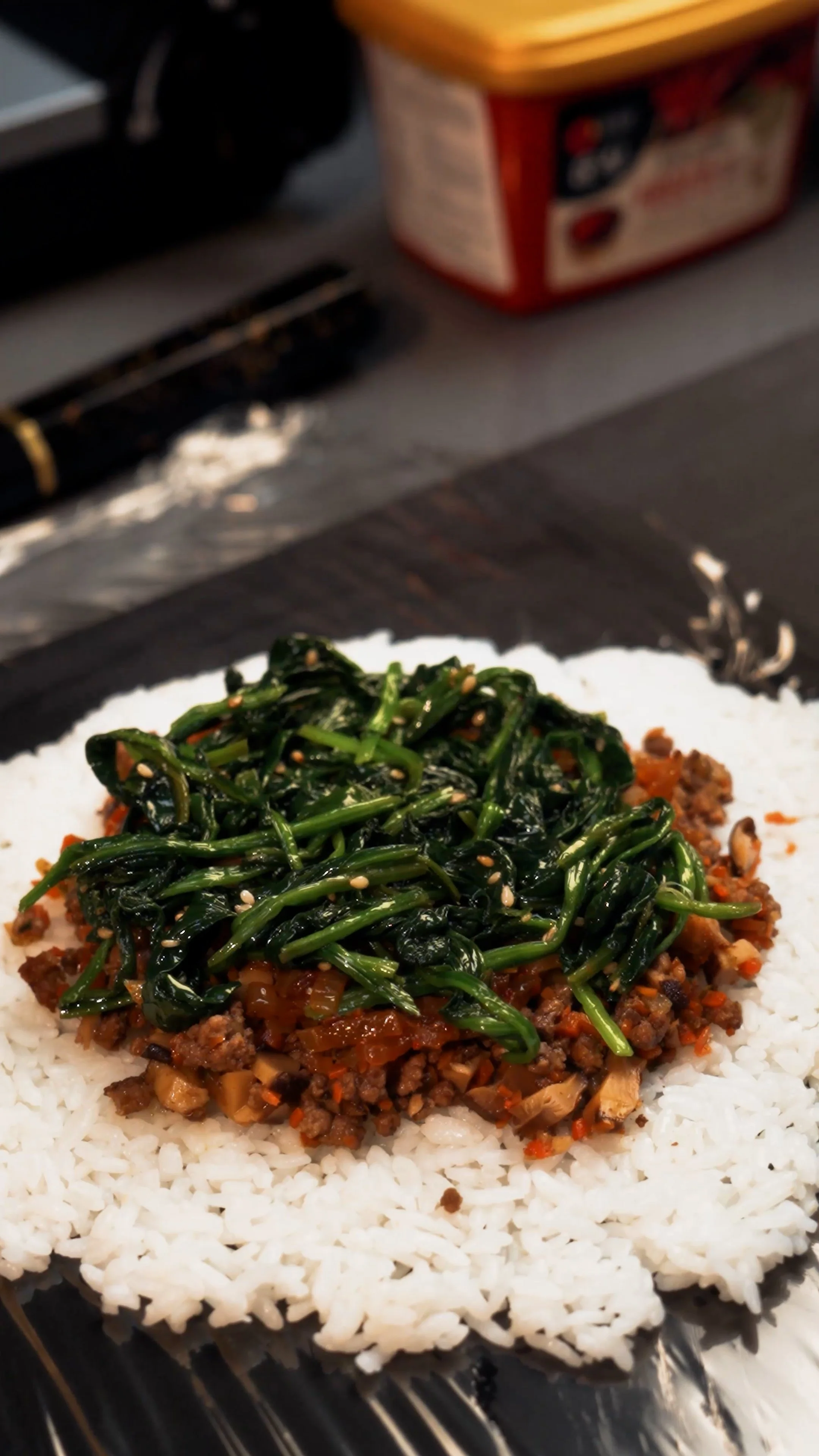
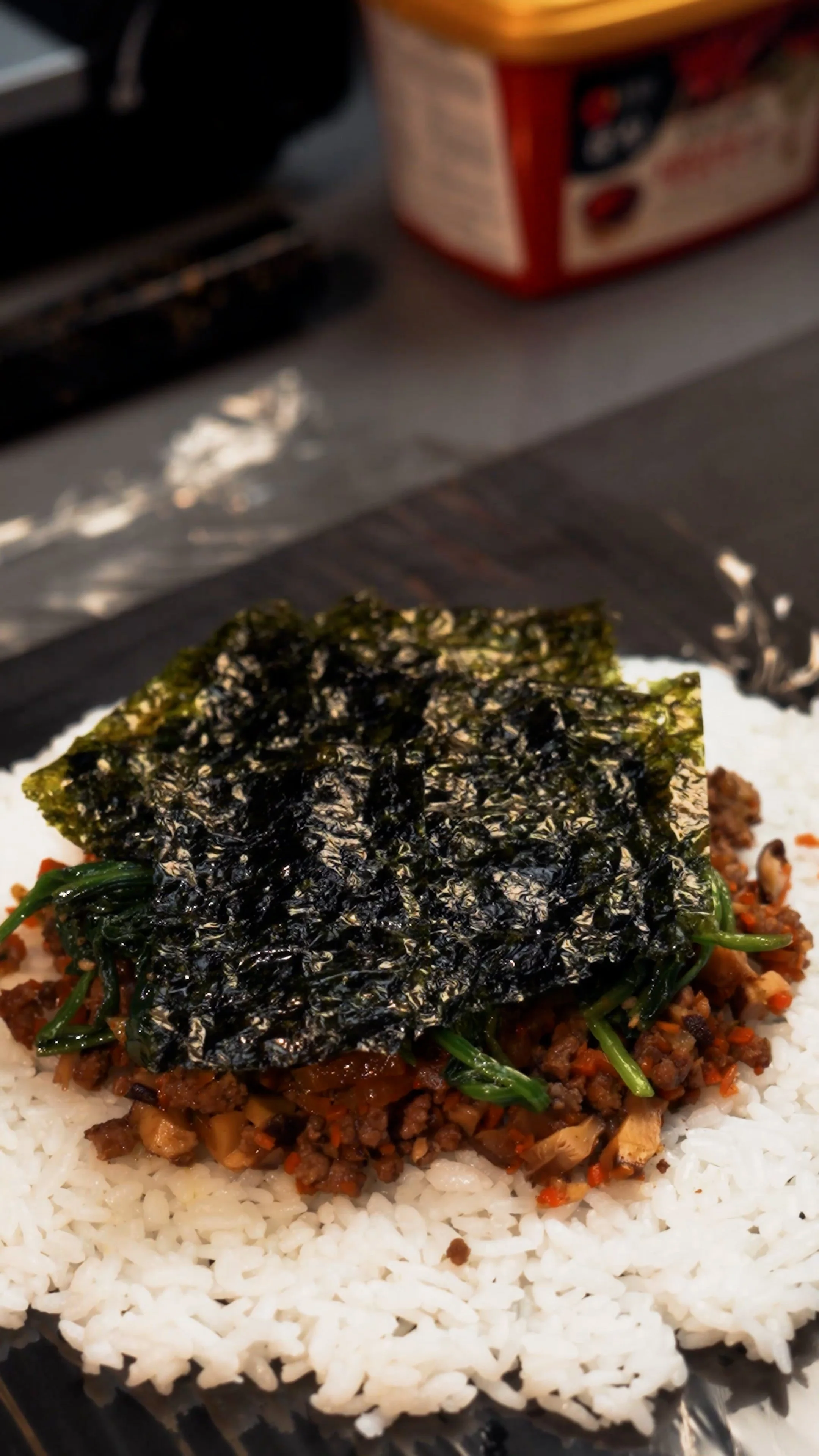
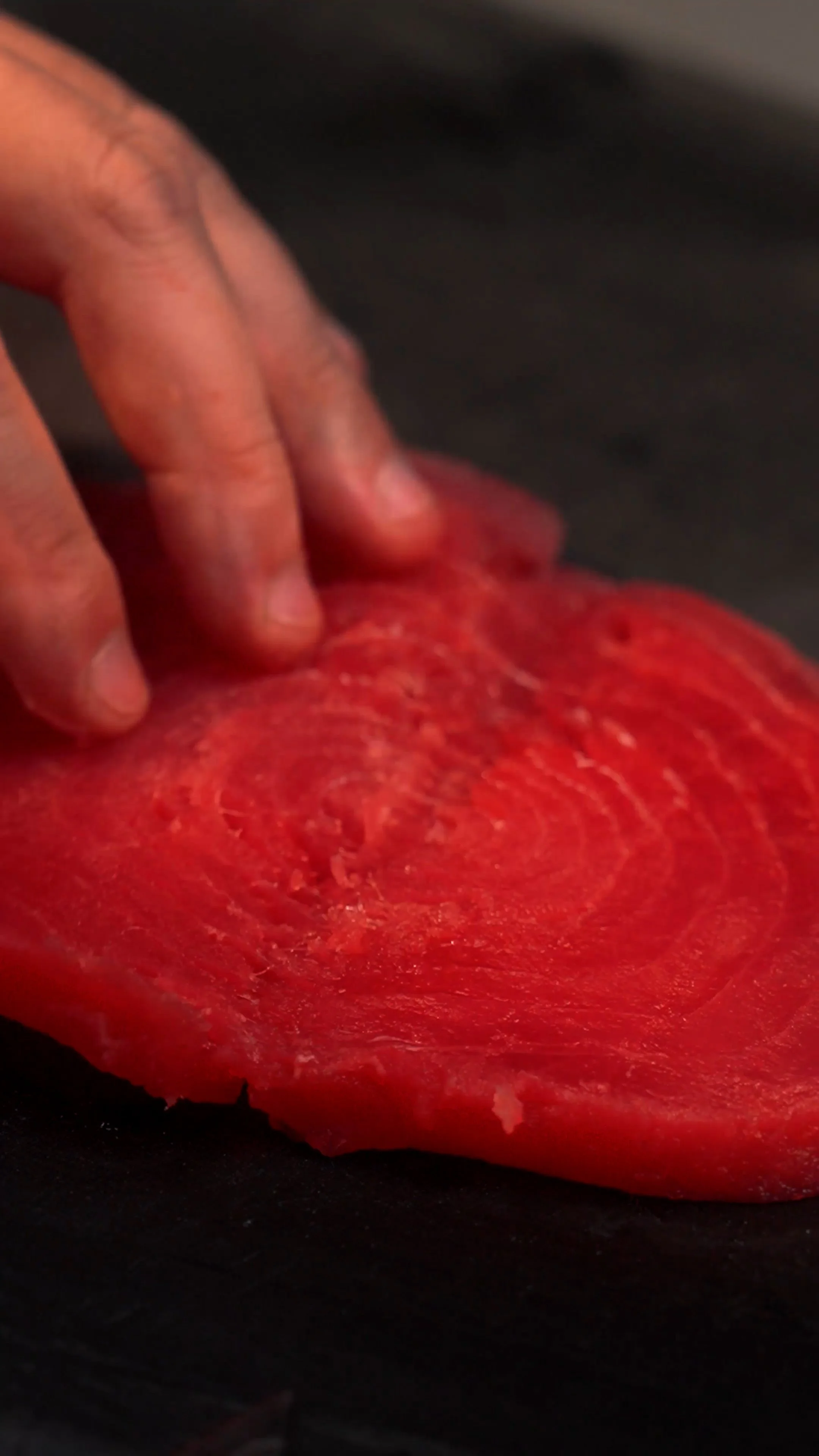
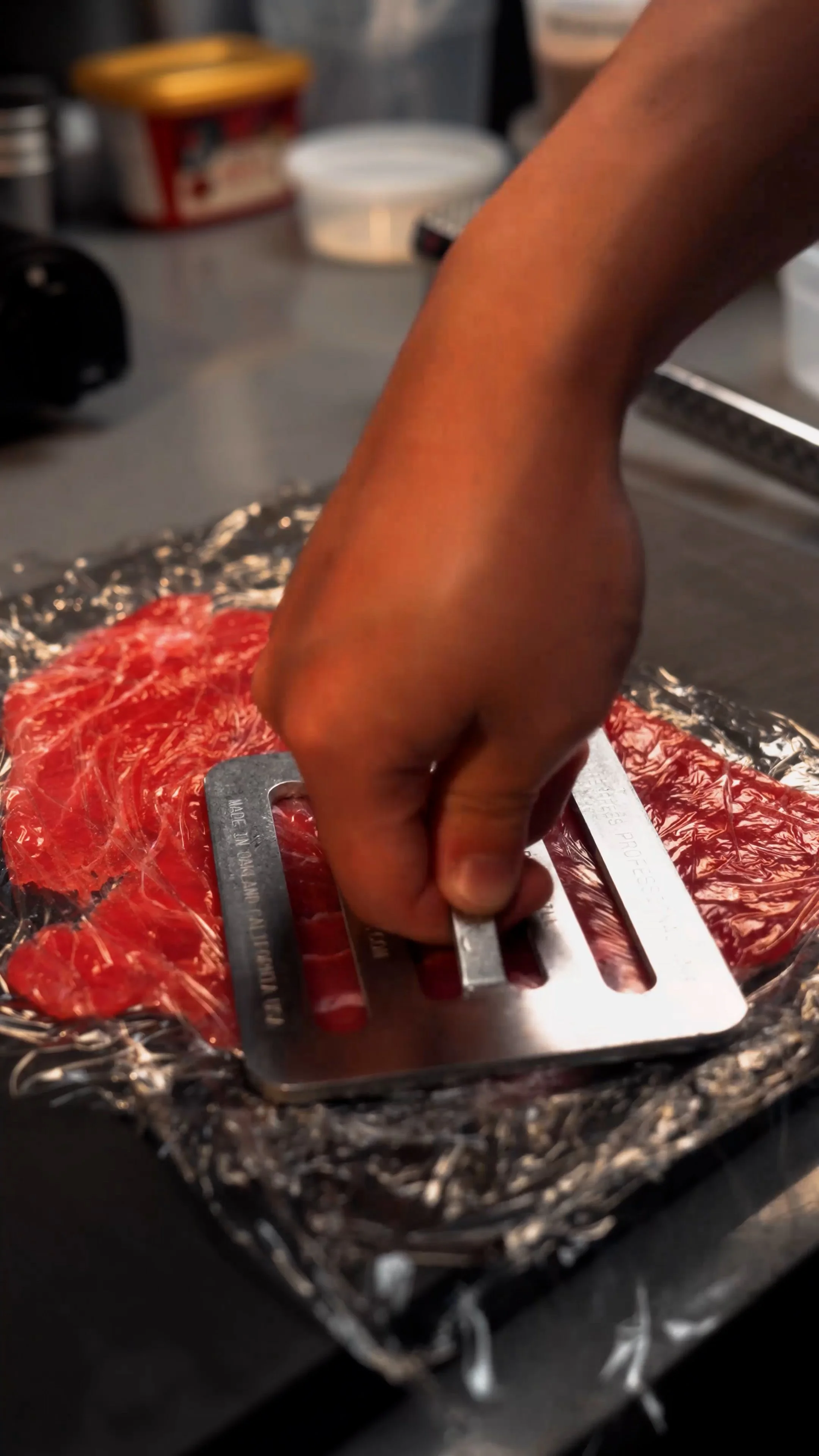
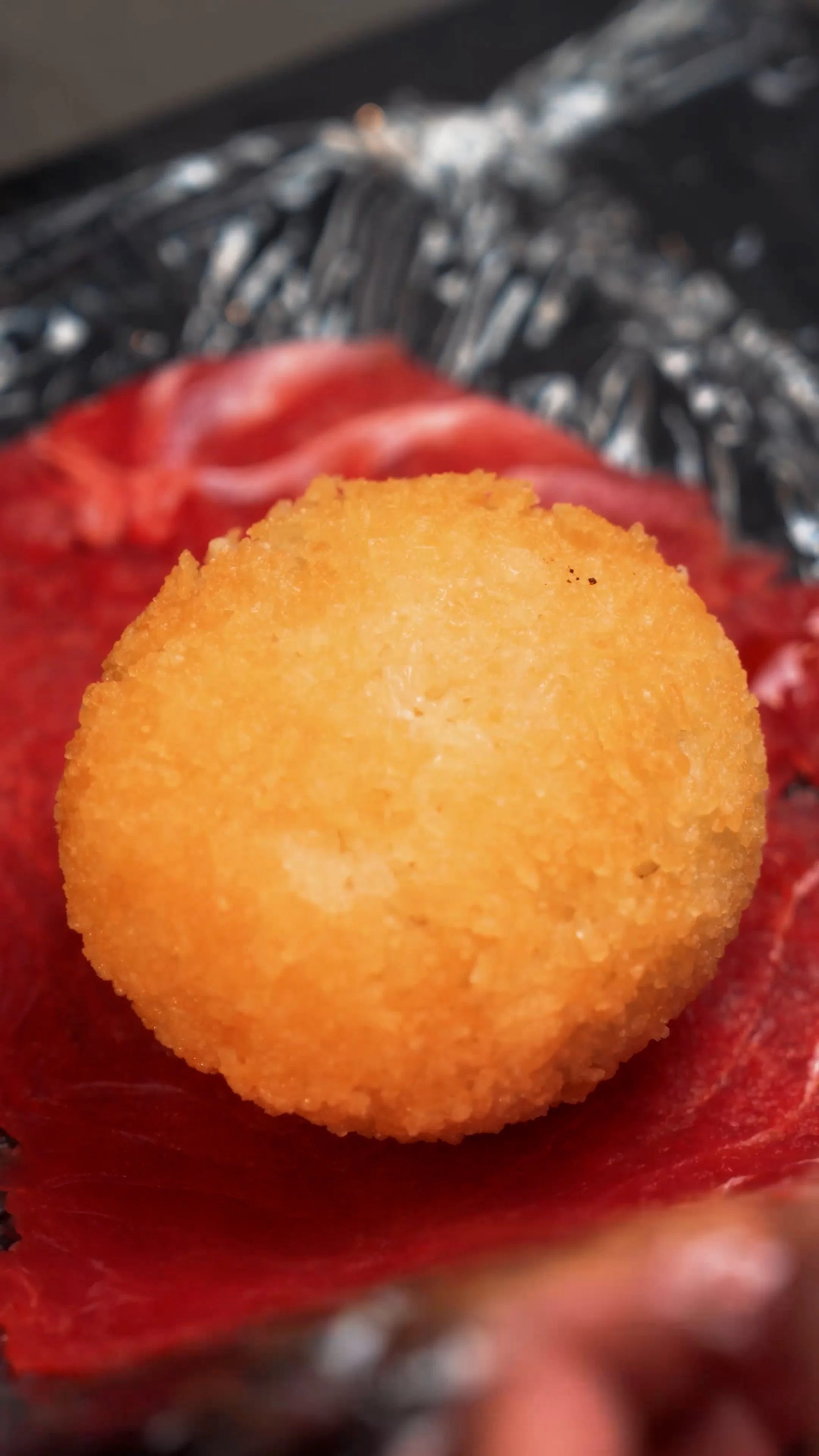
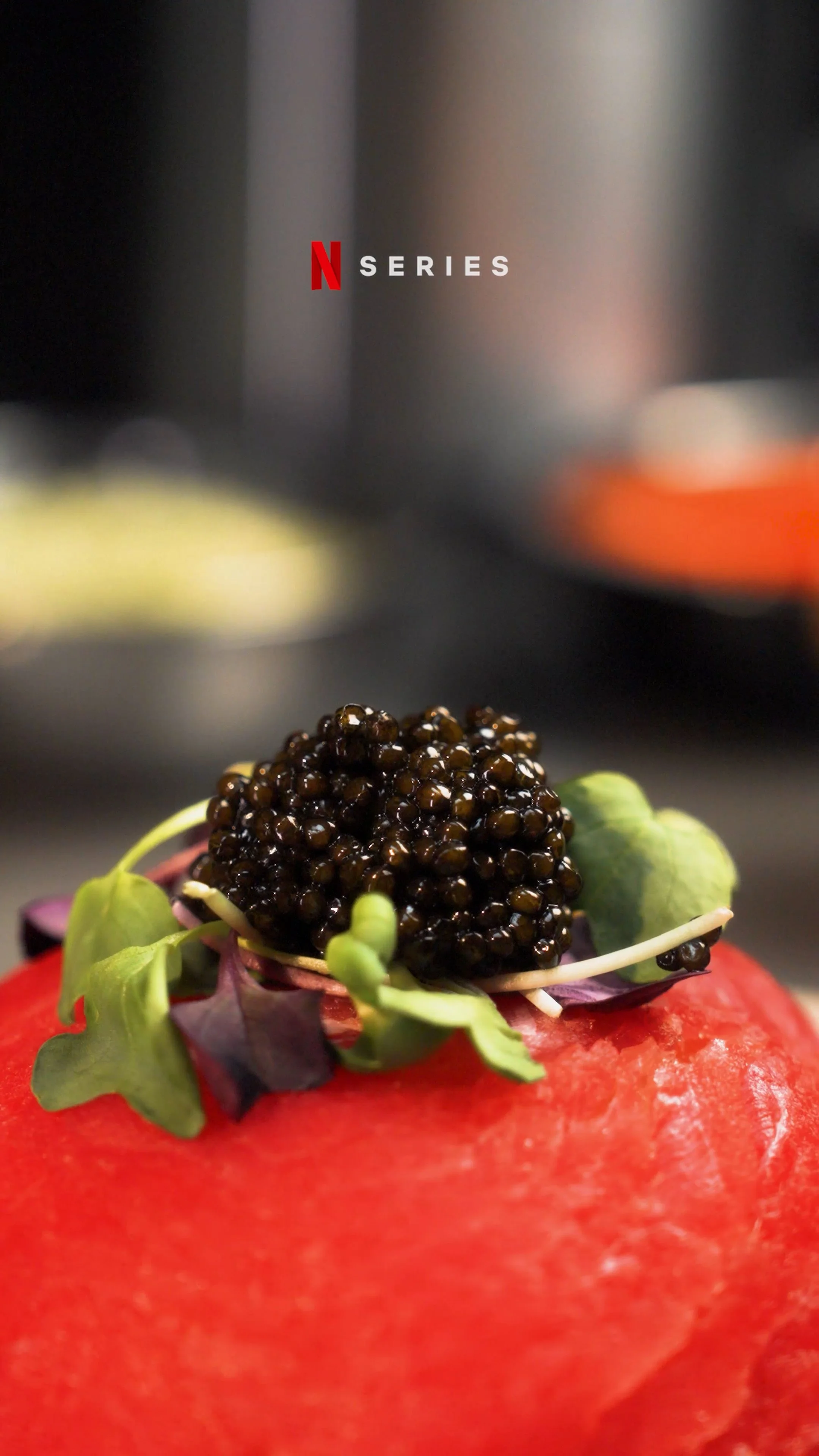
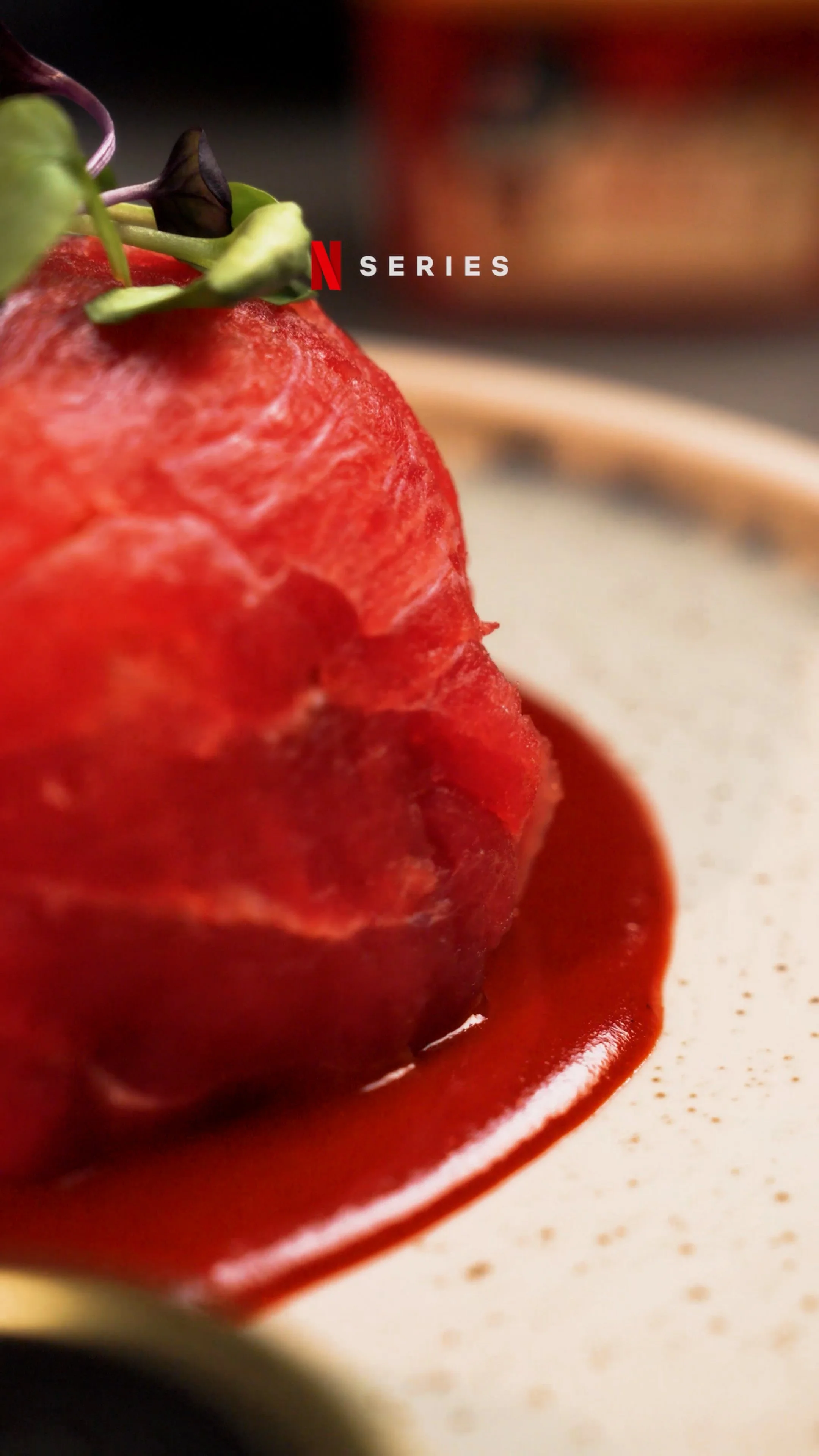
The tuna serves as both the central ingredient and the wrap, enveloping the other elements for a visually appealing presentation and flavorful bite.

FAQs
What If I Don’t Have It?
See substitution suggestions above. For this recipe, the combination of all other ingredients is mandatory to create this flavorful dish.
What type of tuna is best for this dish?
Chef Edward Lee’s tuna bibimbap often uses sashimi-grade tuna, such as yellowfin or bluefin, to ensure high quality and safe consumption in the raw or lightly seared state. This quality of tuna provides the best texture and flavor. For this recipe, I used a more affordable tuna. 5 oz cost me only $6 frozen at T&T (Asian supermarket).
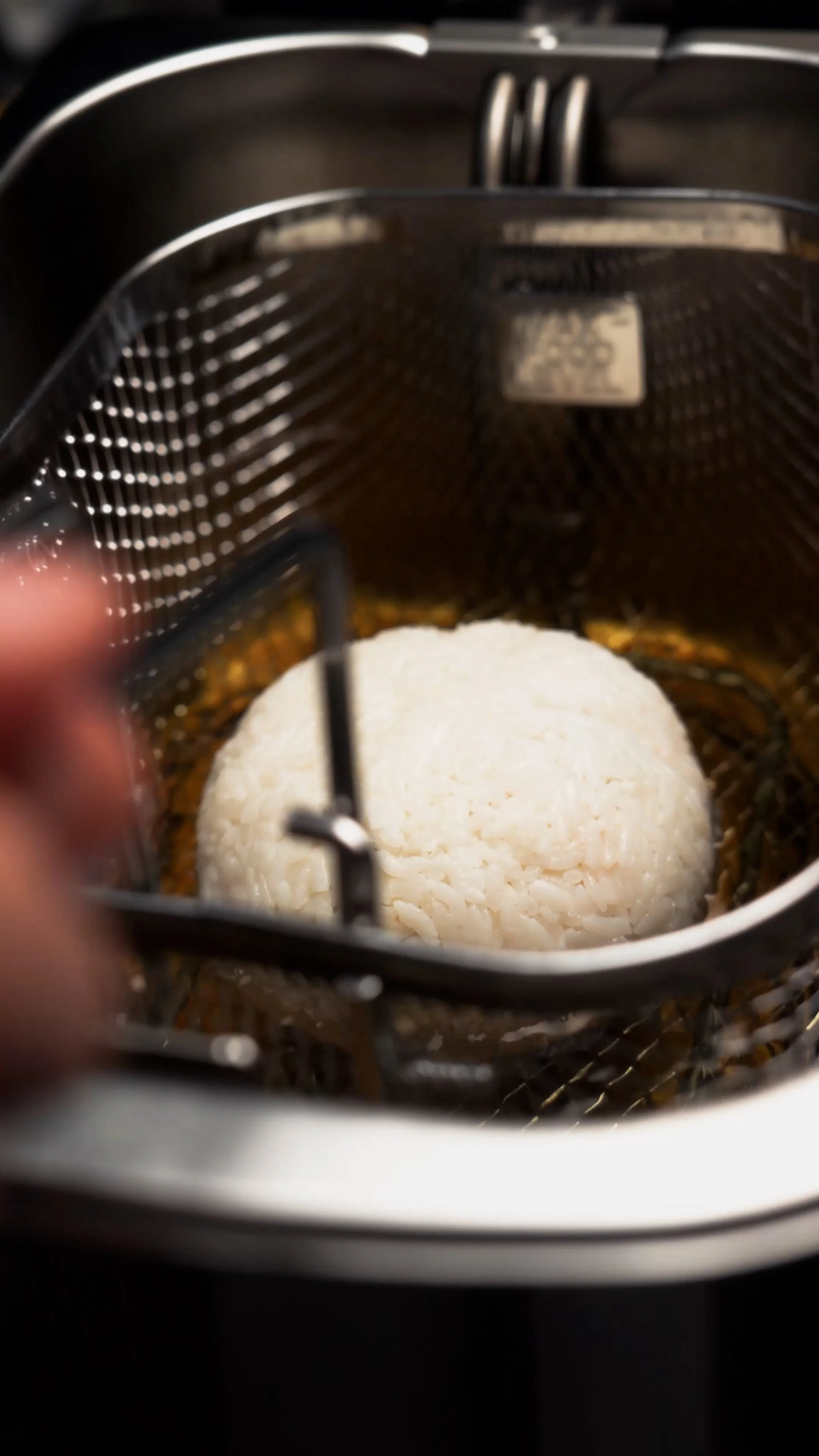
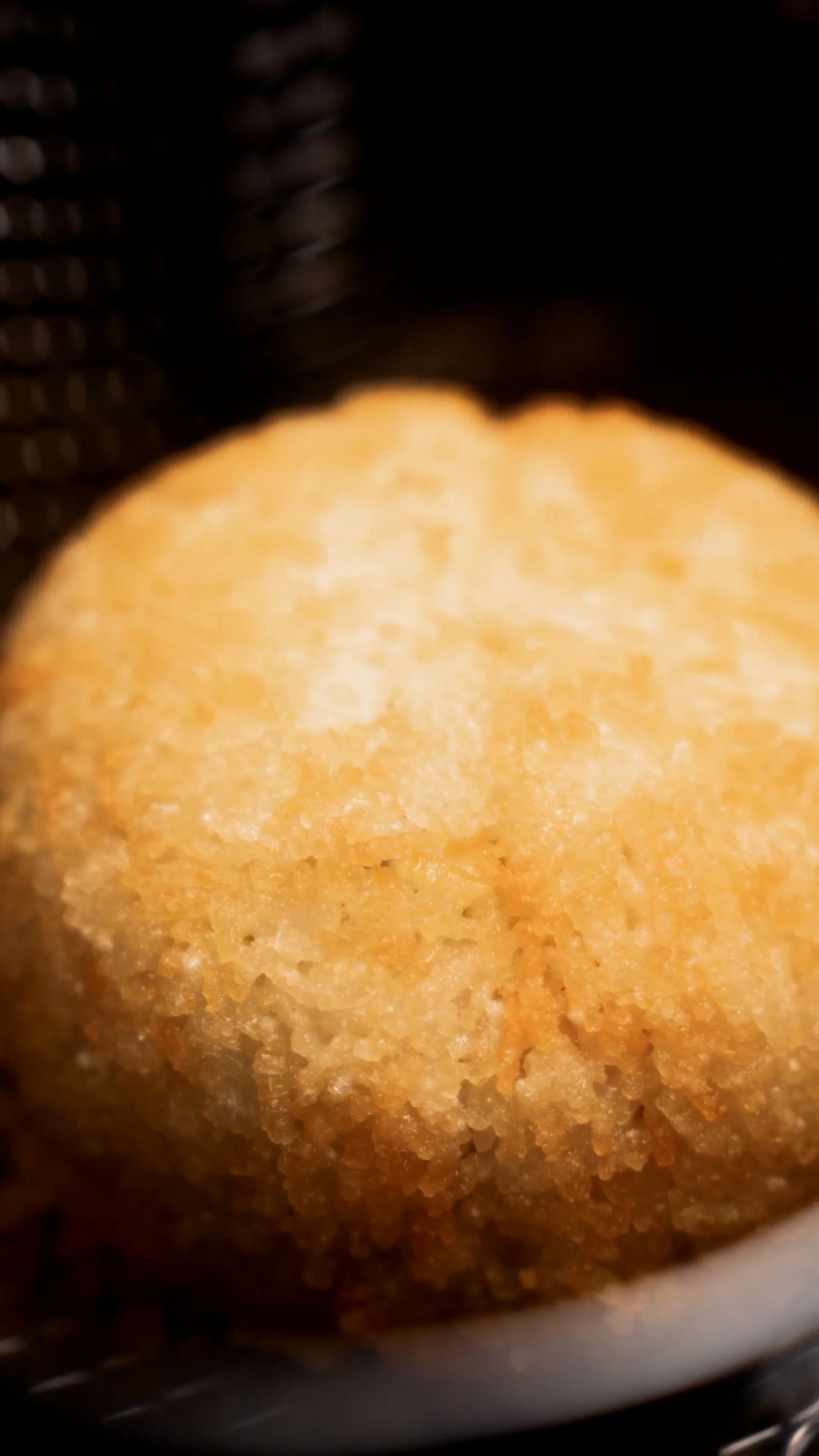
What is the reason for deep frying?
Deep frying gives that similar traditional bibimbap crispy rice that’s created in a ttukbaegi (stone pot).
Where can I find Perilla Powder?
Perilla powder is made from the dried and finely ground leaves or seeds of the perilla plant, an herb in the mint family often used in East Asian cooking. It has a nutty, earthy flavor and is rich in antioxidants, omega-3 fatty acids, and vitamins. In Korean cuisine, perilla powder (often from perilla seeds) is commonly used as a seasoning for soups, stews, and noodle dishes, adding both flavor and nutritional value.
Asian Grocery Stores: Korean and Japanese supermarkets frequently carry perilla powder, usually in the spice or seasoning section. Look for labels that may say "deulkkae garu" (들깨가루) in Korean.
Online Retailers: Many online marketplaces, like Amazon and H-Mart's online store, offer perilla powder and perilla seed powder for convenient shipping.
Health Food Stores: Some natural and health-focused grocery stores may stock perilla powder in the spices or international foods section due to its popularity as a nutritional supplement.
How can I prevent my egg yolk from breaking?
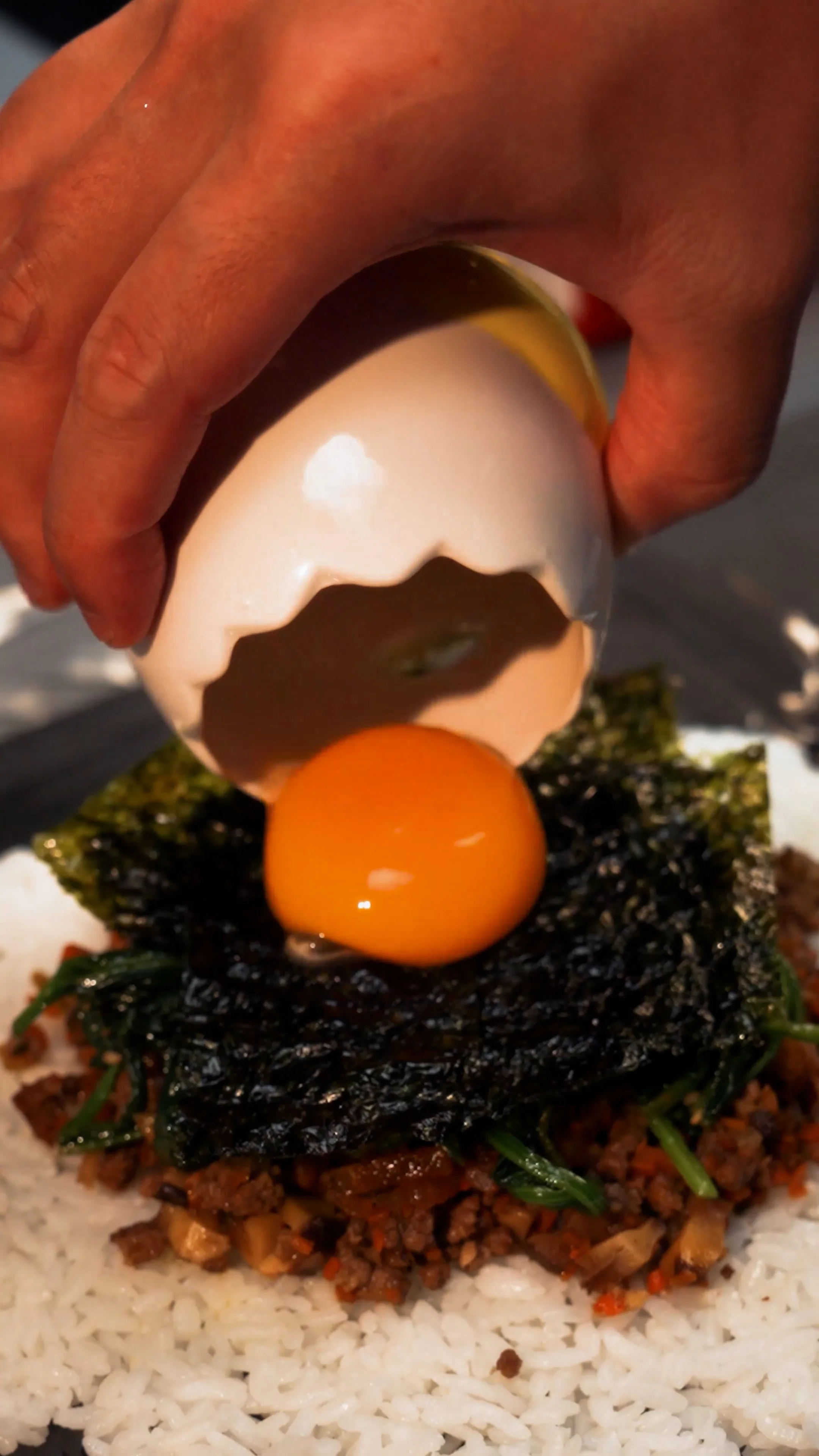
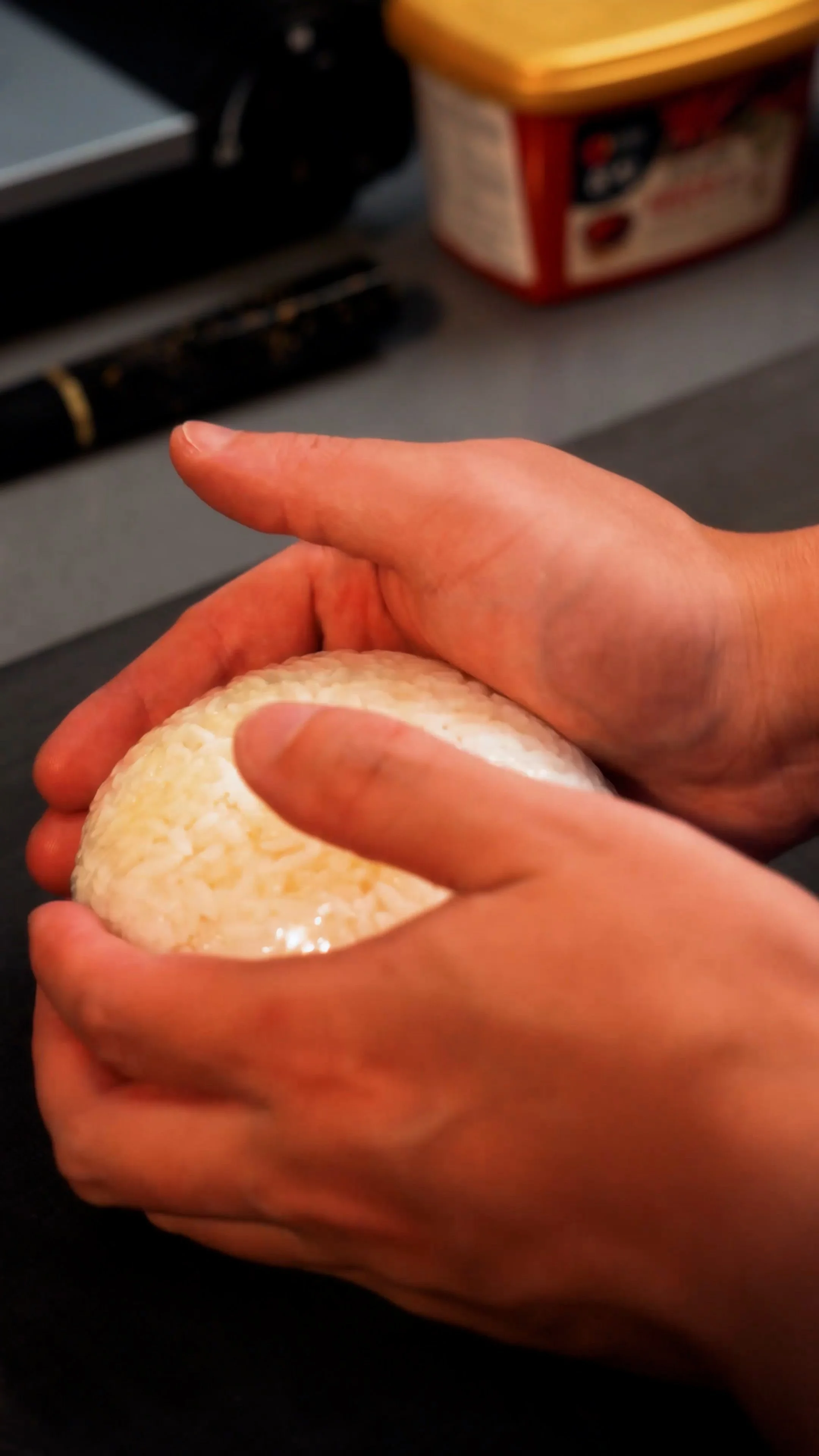
Keeping the egg yolk inside the wrap without breaking can be tricky. There needs to be enough rice to seal everything together without applying enough pressure to break the yolk. Alternatively, you can leave out the egg yolk and use a pasteurized yolk at the end of the plated dish.
What is Gochujang & Gochugaru?
Gochujang (고추장)
What It Is: Gochujang is a fermented red chili paste that serves as a versatile condiment and seasoning in Korean cooking. It has a thick, sticky texture and a rich, complex flavor profile that balances spiciness, sweetness, and umami.
Gochugaru (고춧가루)
What It Is: Gochugaru refers to Korean red chili pepper flakes. Unlike other chili flake varieties, Korean gochugaru is typically milder and has a slightly sweet and smoky flavor, though the heat level can vary depending on the type of chili peppers used.
What is Chogochujang?
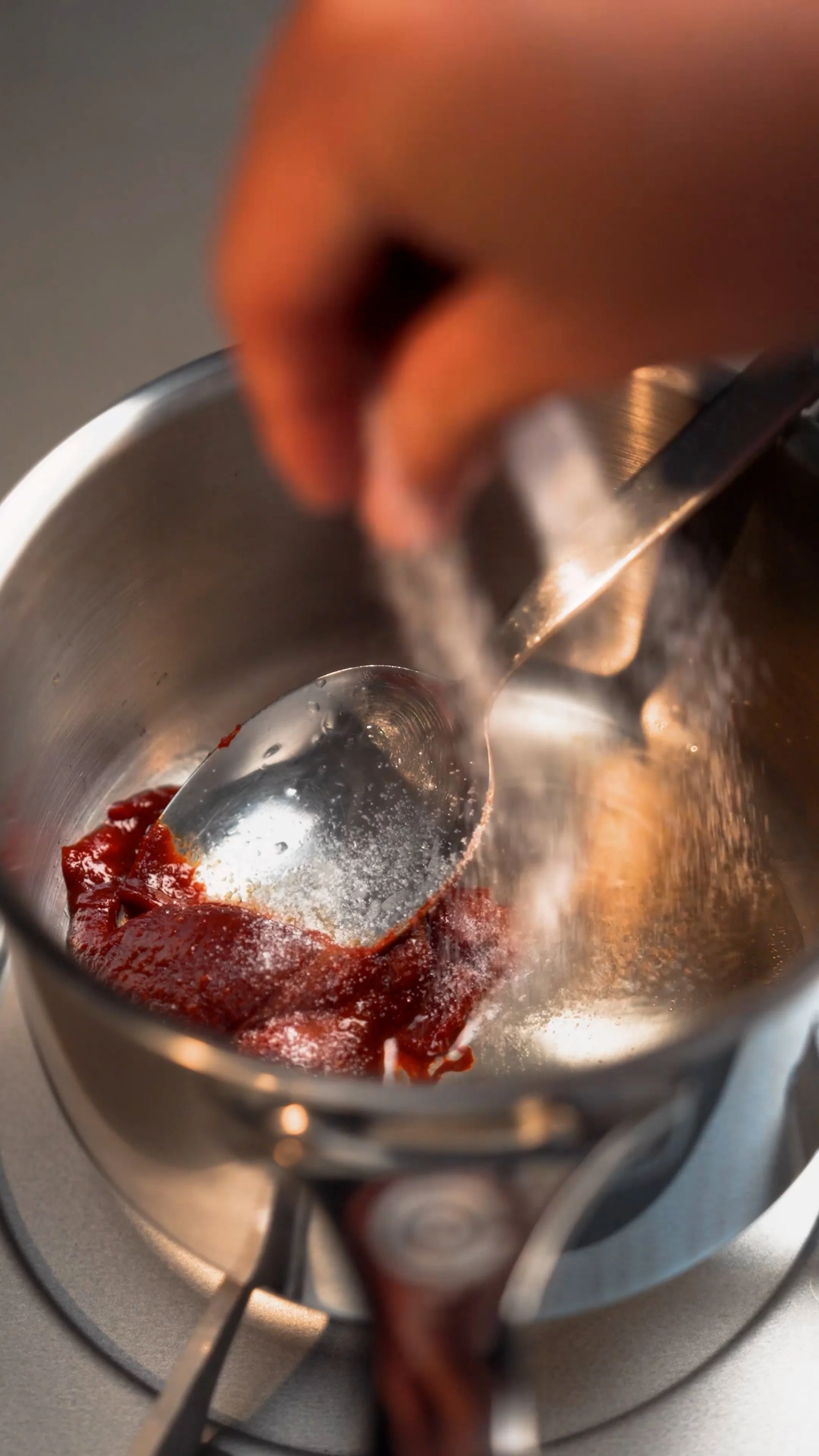
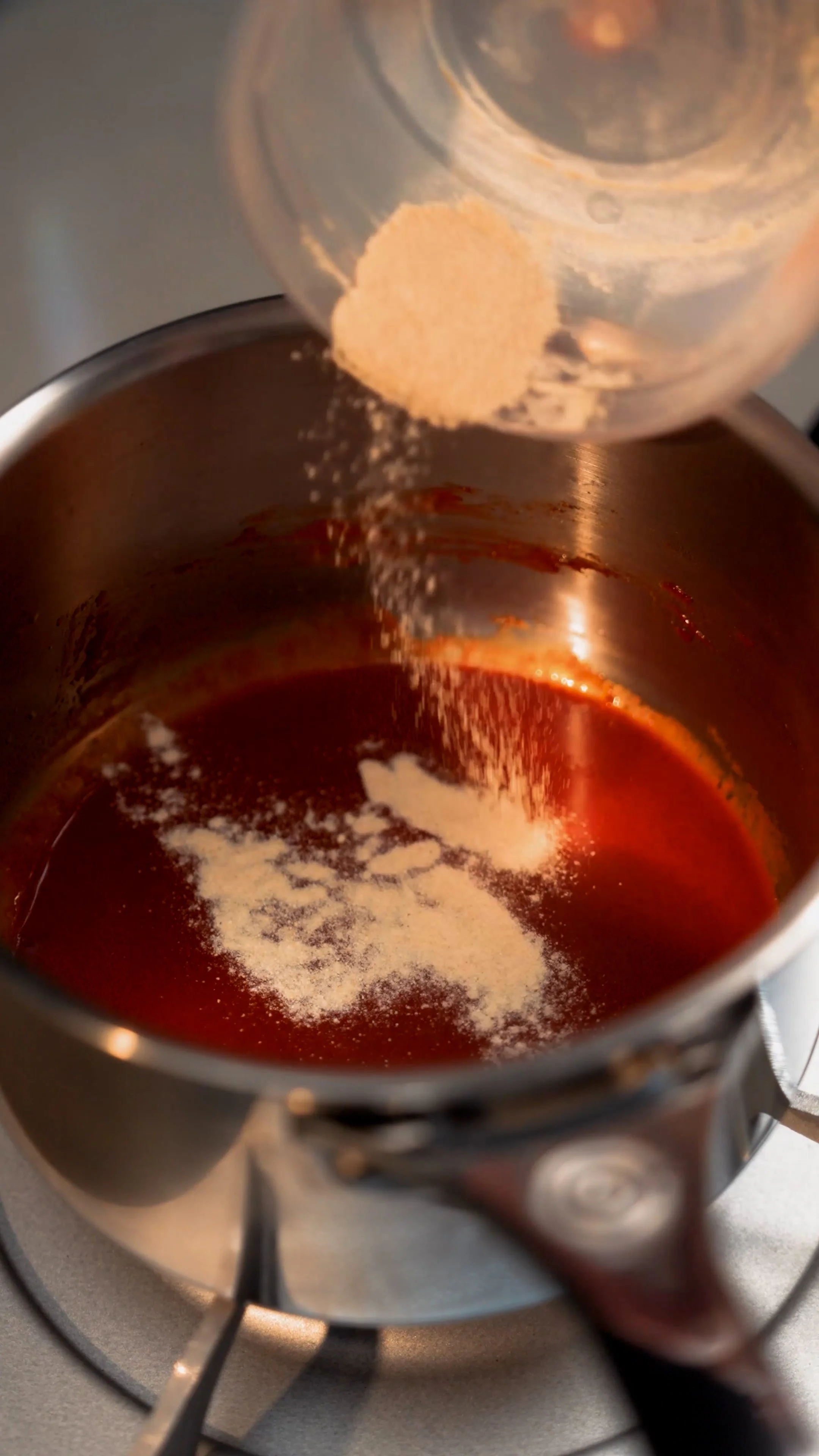
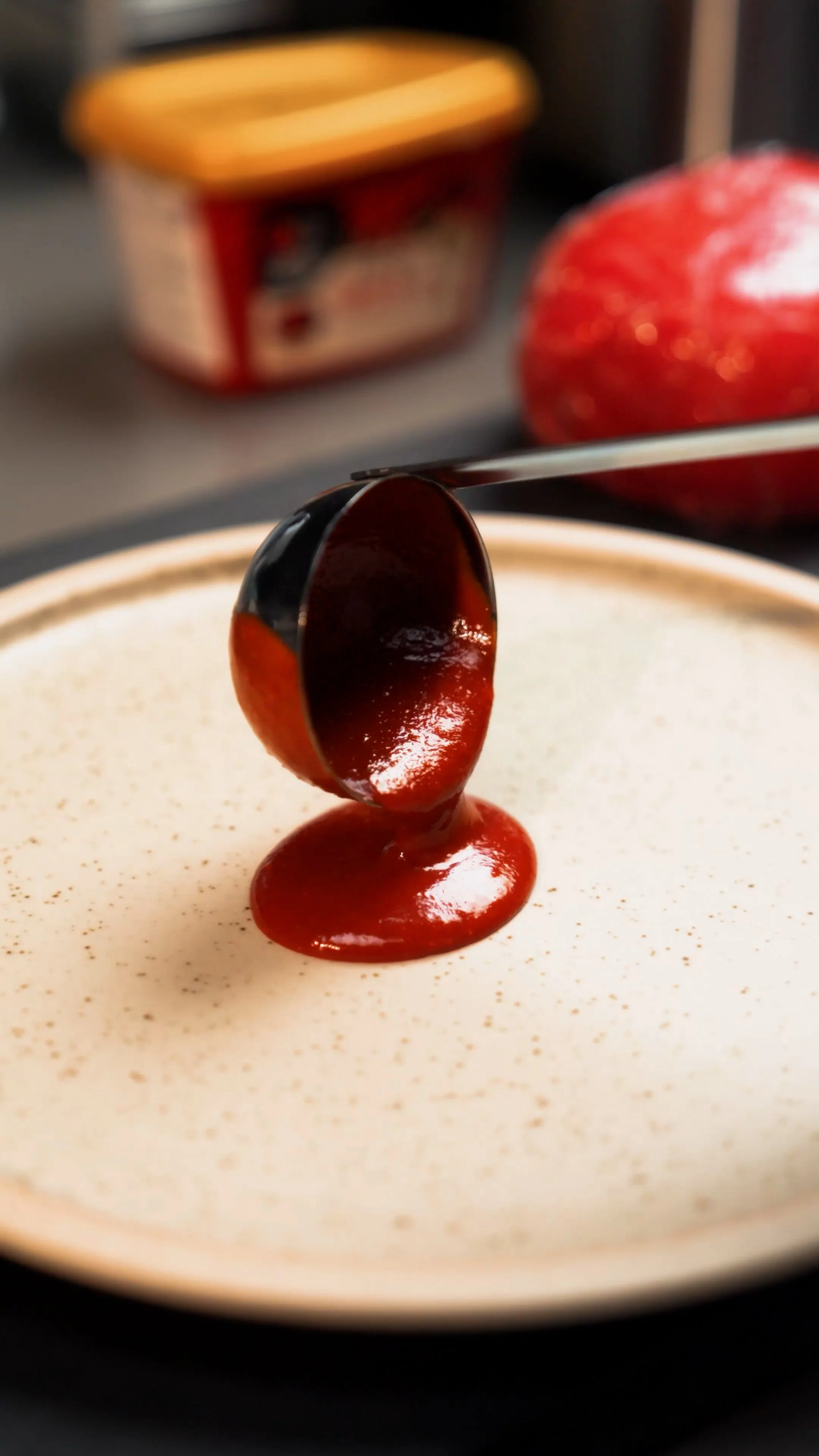
Chogochujang (초고추장) is a popular Korean condiment made by mixing gochujang (Korean red chili paste) with ingredients like vinegar, sugar, and sometimes sesame oil or garlic. This results in a tangy, sweet, and mildly spicy sauce with a smoother, thinner texture compared to traditional gochujang. The word "cho" (초) in Korean means "vinegar," referring to the sauce's added acidity.
Common Uses for Chogochujang
Chogochujang is often served as a dipping sauce or dressing, especially for:
Raw or lightly blanched seafood (e.g., raw fish slices in Korean sashimi or "hwe")
Vegetables (e.g., in salads or with blanched greens)
Bibimbap and cold noodle dishes like naengmyeon
The balance of flavors in chogochujang makes it versatile, adding a punch to dishes with its sweet and tangy profile. You can find it pre-made at Korean grocery stores or easily make it by mixing about 2 tablespoons of gochujang, 1 tablespoon of vinegar, and 1 tablespoon of sugar—adjusting to taste.
Other Culinary Class Wars Inspired Recipes
Love the recipe?
Make sure to follow me on Instagram, TikTok, YouTube, and Pinterest to stay up to date with all of my content!
Sign up for my free newsletter to receive cooking tips & recipe updates!
If you made this recipe, send me a picture and tag it with #W2Recipes.
I would love to see your re-creations on Instagram @willhkwong.
If you liked this recipe, Pin it to Pinterest! 👇🏻


XO sauce is a luxurious Cantonese condiment born in 1980s Hong Kong, known for its deep umami flavor and premium…