
This post may contain affiliate links. Please read my disclosure policy for details.
As an Amazon Associate, I earn from qualifying purchases.
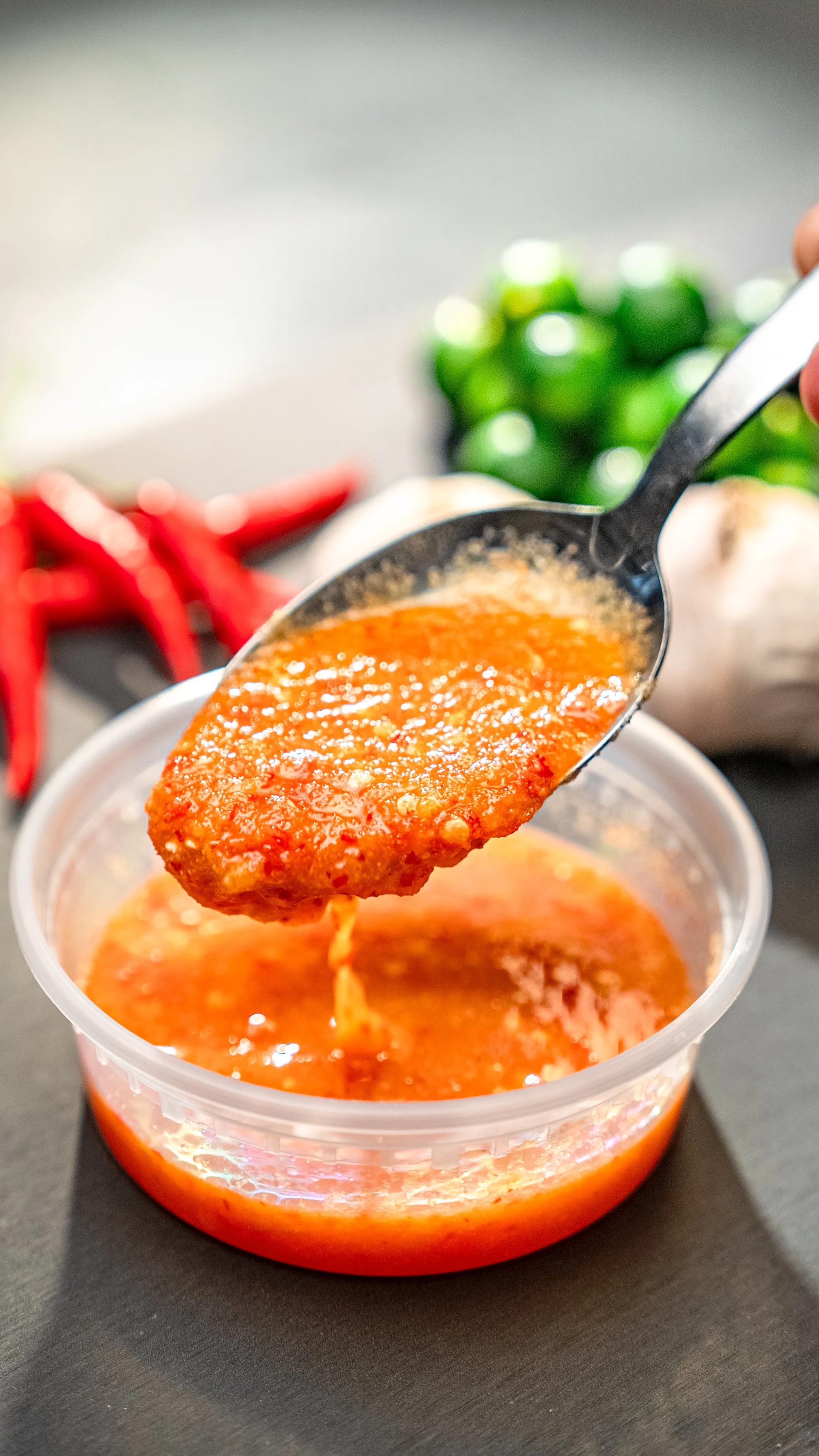
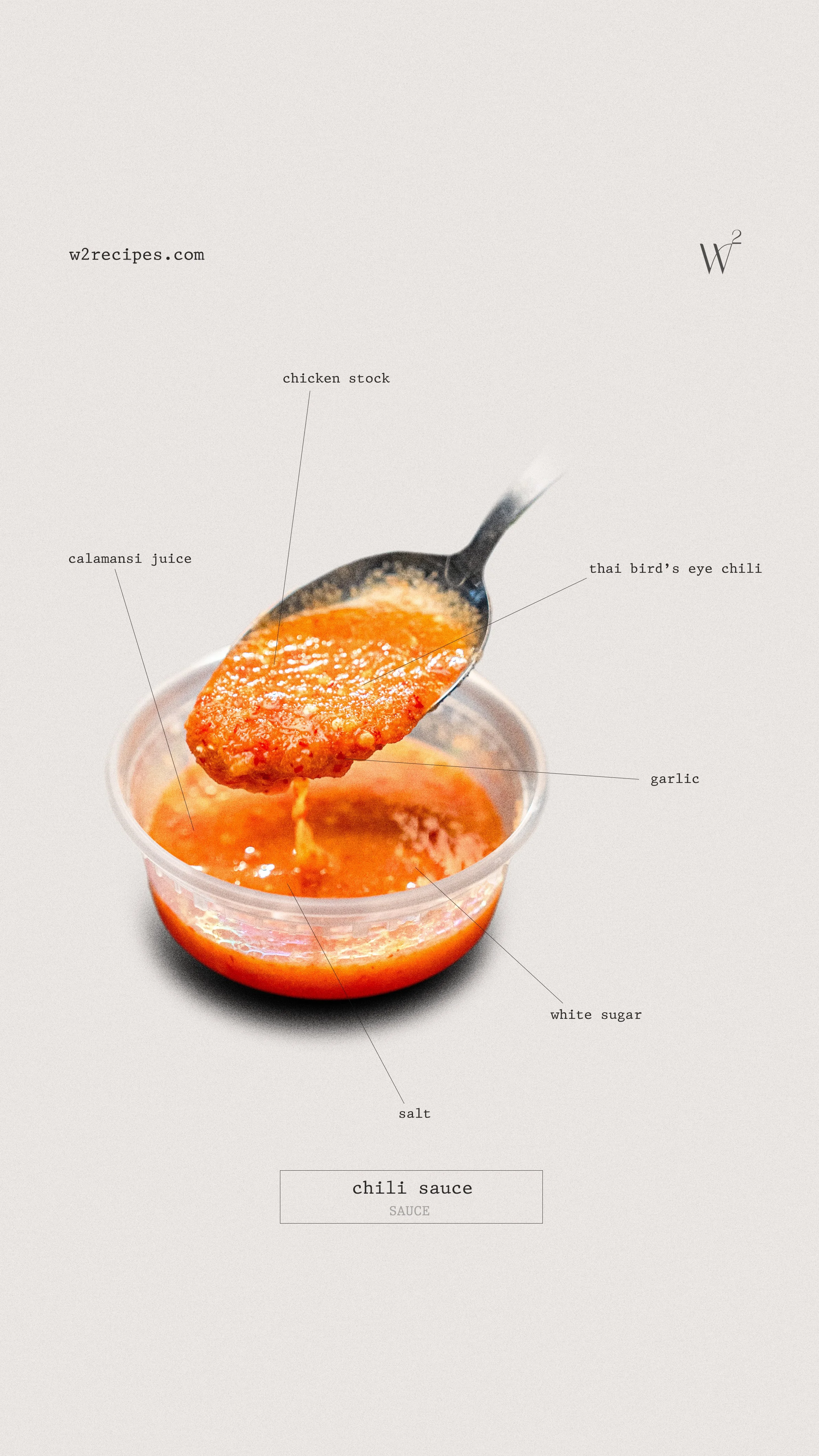
What is Chili Sauce?
In Hainanese chicken rice, chili sauce is a condiment typically served alongside the chicken and rice. It adds a spicy kick and complements the flavors of the dish. The chili sauce used in Hainanese chicken rice can vary in ingredients and spiciness depending on regional preferences and individual recipes.
Common ingredients in Hainanese chicken rice chili sauce may include:
Red chili peppers: Fresh red chili peppers are often used as the base of the sauce, providing heat and vibrant color.
Garlic: Garlic adds depth of flavor and aromatic complexity to the sauce.
Ginger: Fresh ginger adds a warm, spicy note to the sauce and complements the flavors of the chicken and rice.
Vinegar: Vinegar adds acidity and brightness to the sauce, balancing the richness of the chicken and rice.
Sugar: A touch of sugar may be added to balance the heat and acidity of the sauce, providing a hint of sweetness.
Salt: Salt is used to enhance the overall flavor of the sauce and bring out the other ingredients' flavors.
The exact proportions and additional ingredients used in Hainanese chicken rice chili sauce can vary widely depending on personal taste and regional variations. Some recipes may also include additional ingredients such as lime juice, soy sauce, or sesame oil for added complexity.
Key Ingredient?
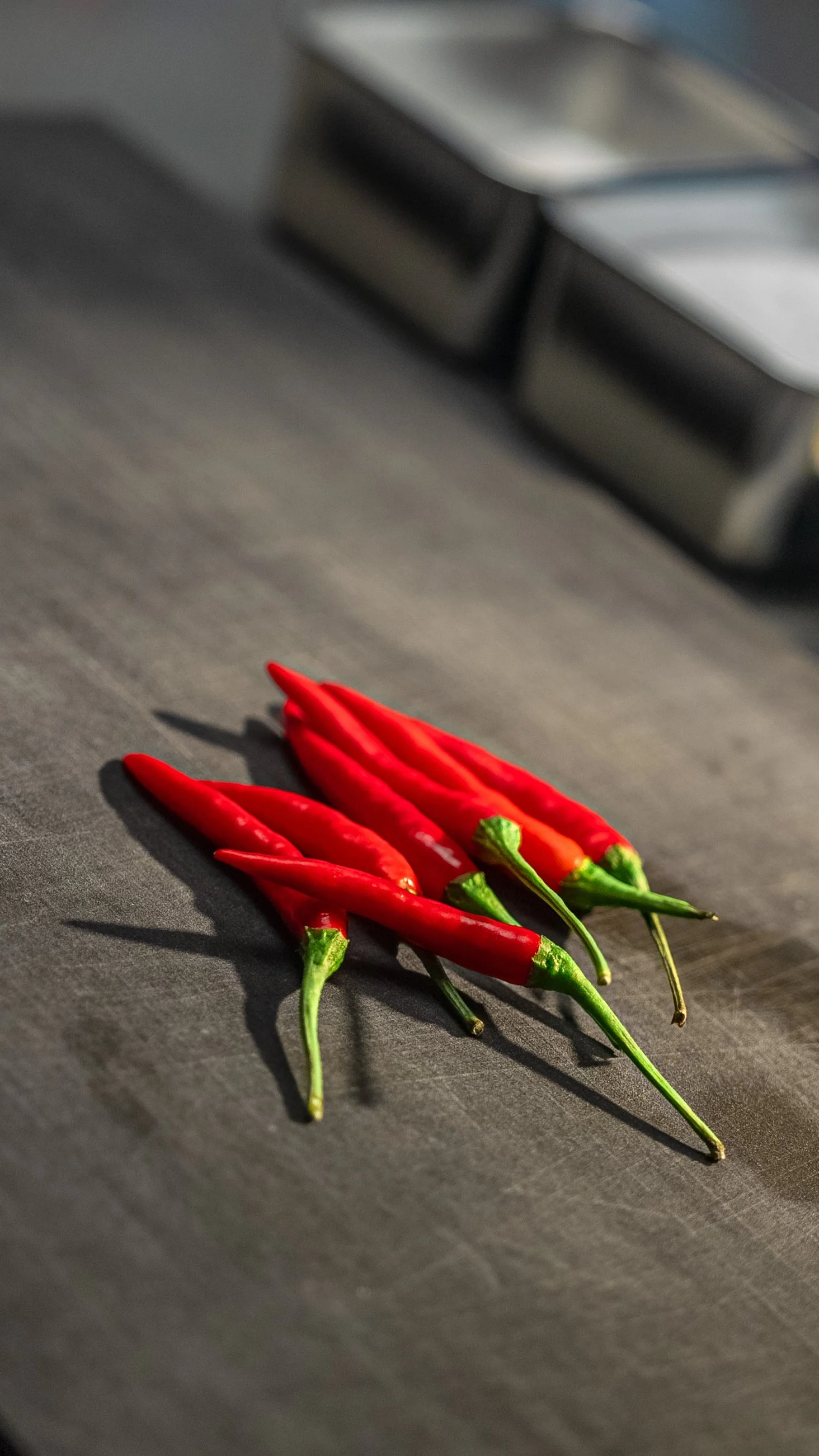
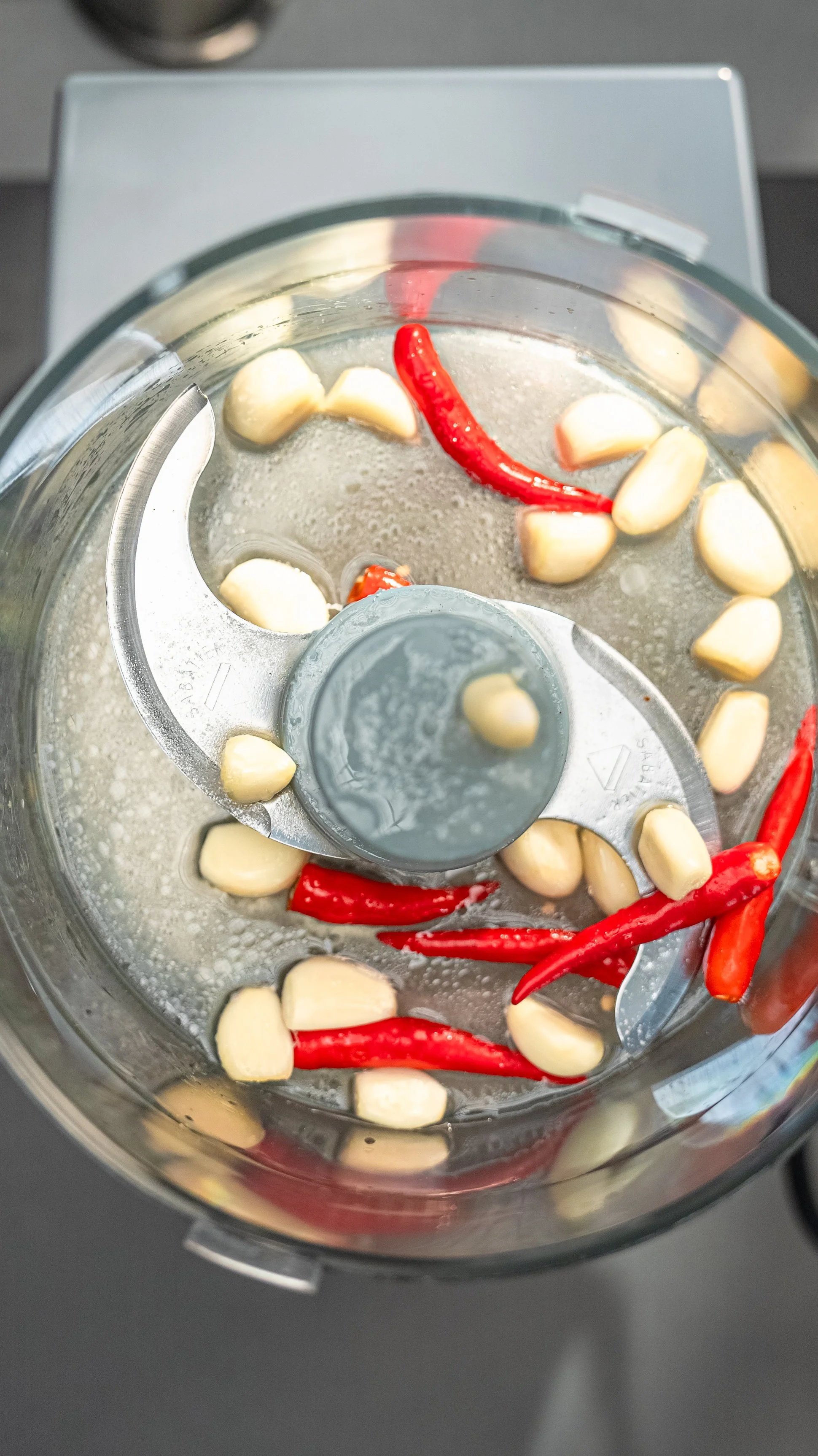
Red Thai Chili Pepper
The red Thai chili pepper is often used as a key ingredient in Hainanese chicken rice chili sauce because of its distinct flavor profile and heat level. Here's why it's commonly used:
Flavor: Red Thai chili peppers have a vibrant, fruity flavor with a moderate to high level of spiciness. They add a unique depth of flavor to the chili sauce, enhancing its overall complexity.
Heat: Thai chili peppers are known for their heat, which adds a fiery kick to the sauce. While the heat level can vary depending on the individual pepper and how it's used in the sauce, it typically provides a significant amount of spice that balances well with the other ingredients.
Availability: Red Thai chili peppers are widely available in many parts of the world and are commonly used in Southeast Asian cuisine. Their availability makes them a convenient choice for adding spice and flavor to dishes like Hainanese chicken rice chili sauce.
Color: The vibrant red color of Thai chili peppers adds visual appeal to the chili sauce, making it visually enticing when served alongside the pale chicken and rice. It helps enhance the overall presentation of the dish.
Overall, the red Thai chili pepper is a key ingredient in Hainanese chicken rice chili sauce because of its flavor, heat, availability, and visual appeal. It contributes to the delicious complexity of the sauce and enhances the overall dining experience.
FAQs
What If I Don’t Have It?
See substitution suggestions above. For this recipe, the combination of all other ingredients is mandatory to create this flavorful dish.
What can I eat this sauce with?
Hainanese Chili Sauce is incredibly versatile and pairs well with a wide range of dishes, adding a fiery kick and depth of flavor to any meal. Here are some delicious options for enjoying this tantalizing sauce:
Hainanese Chicken Rice: Of course, the classic pairing for Hainanese Chili Sauce is with Hainanese chicken rice itself. Drizzle it over the tender poached chicken and fragrant rice for an extra burst of flavor.
Noodles: Whether it's stir-fried noodles, noodle soups, or even cold noodle salads, Hainanese Chili Sauce adds a spicy punch that elevates the dish to new heights.
Dumplings: Dip your favorite dumplings, whether steamed or pan-fried, into Hainanese Chili Sauce for a delicious combination of heat and savory goodness.
Grilled or Roasted Meats: Use Hainanese Chili Sauce as a dipping sauce for grilled or roasted meats such as chicken, pork, or beef. The spicy kick pairs perfectly with the smoky flavors of the grilled meat.
Seafood: Enhance the flavors of grilled or steamed seafood such as fish, prawns, or squid by serving them with Hainanese Chili Sauce on the side.
Tofu or Vegetables: Drizzle Hainanese Chili Sauce over stir-fried tofu or sautéed vegetables for a flavorful vegetarian dish with a spicy twist.
Burgers or Sandwiches: Spread Hainanese Chili Sauce on burgers, sandwiches, or wraps for an extra layer of flavor that adds a delicious kick.
Rice or Grain Bowls: Add a spoonful of Hainanese Chili Sauce to rice or grain bowls for a burst of flavor that complements the other ingredients in the bowl.
Overall, Hainanese Chili Sauce is a versatile condiment that can enhance the flavor of a wide variety of dishes, adding a spicy and flavorful twist to your favorite meals. Feel free to get creative and experiment with different combinations to discover your own favorite pairings!
How long will this sauce last?
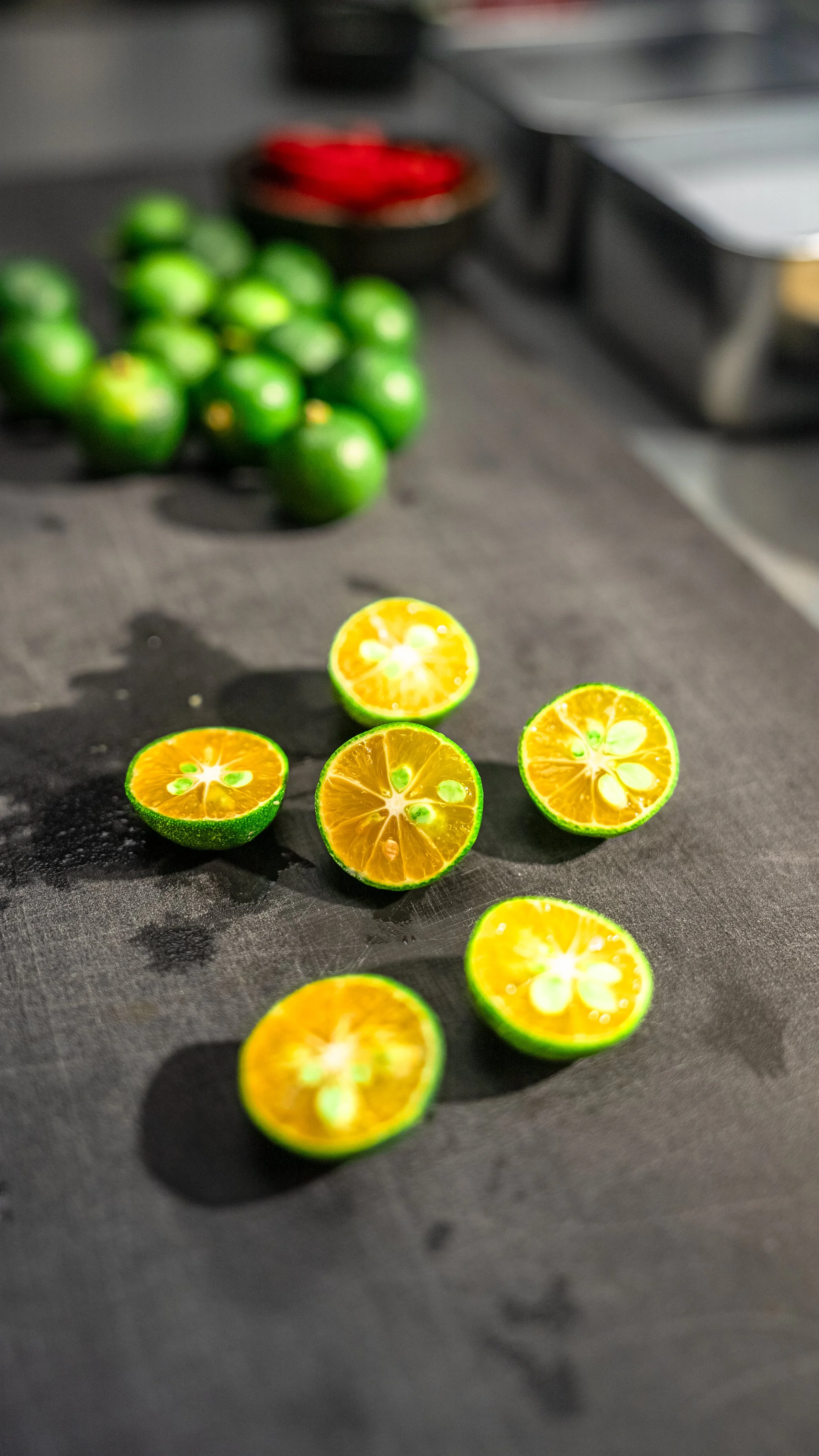
Freshly made, it lasts about 3 to 5 days in the refrigerator due to the fresh calamansi juice. You can also freeze it for several months for convenience.
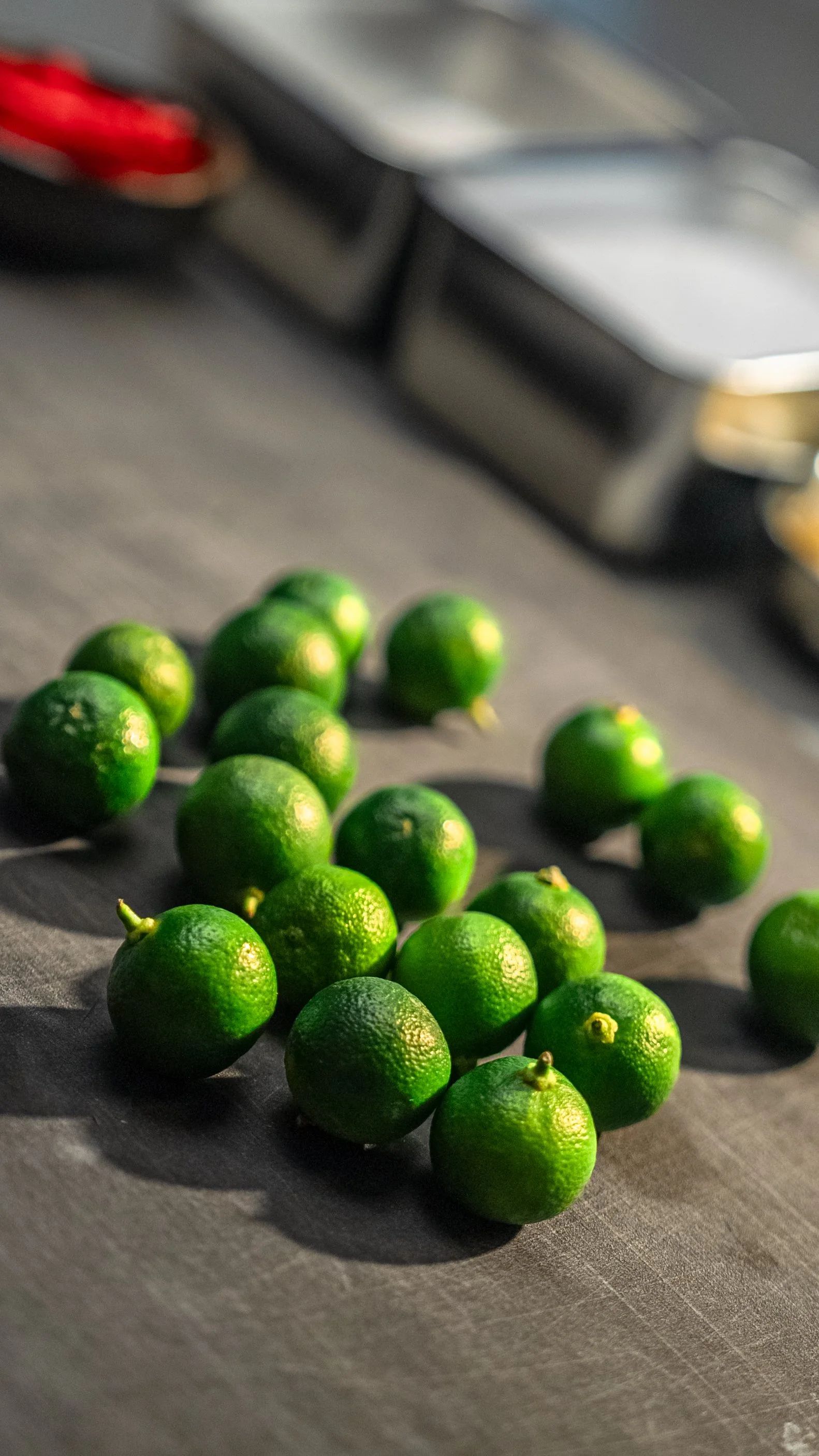
Can I use Calamansi Juice from a container?
Yes, you can use pre-juiced calamansi juice in place of fresh calamansi juice in your Hainanese chili sauce. However, there may be some differences in flavor and quality between fresh and pre-juiced calamansi juice.
Using fresh calamansi juice offers the advantage of capturing the vibrant citrus flavor at its peak freshness. Freshly squeezed juice tends to have a brighter, more pronounced citrus taste and aroma compared to pre-juiced or bottled juice. Additionally, fresh calamansi juice may contain more of the natural oils and essences from the fruit, which can contribute to a more complex and nuanced flavor profile.
On the other hand, pre-juiced calamansi juice is convenient and readily available, making it a convenient option for those who may not have access to fresh calamansi or prefer the convenience of pre-juiced products. While the flavor of pre-juiced calamansi juice may not be as vibrant as fresh juice, it can still provide a tangy citrus kick to your Hainanese chili sauce.
Ultimately, whether you choose to use fresh or pre-juiced calamansi juice depends on your personal preference and availability. Both options can yield delicious results, so feel free to use whichever option works best for you in your Hainanese chili sauce recipe.
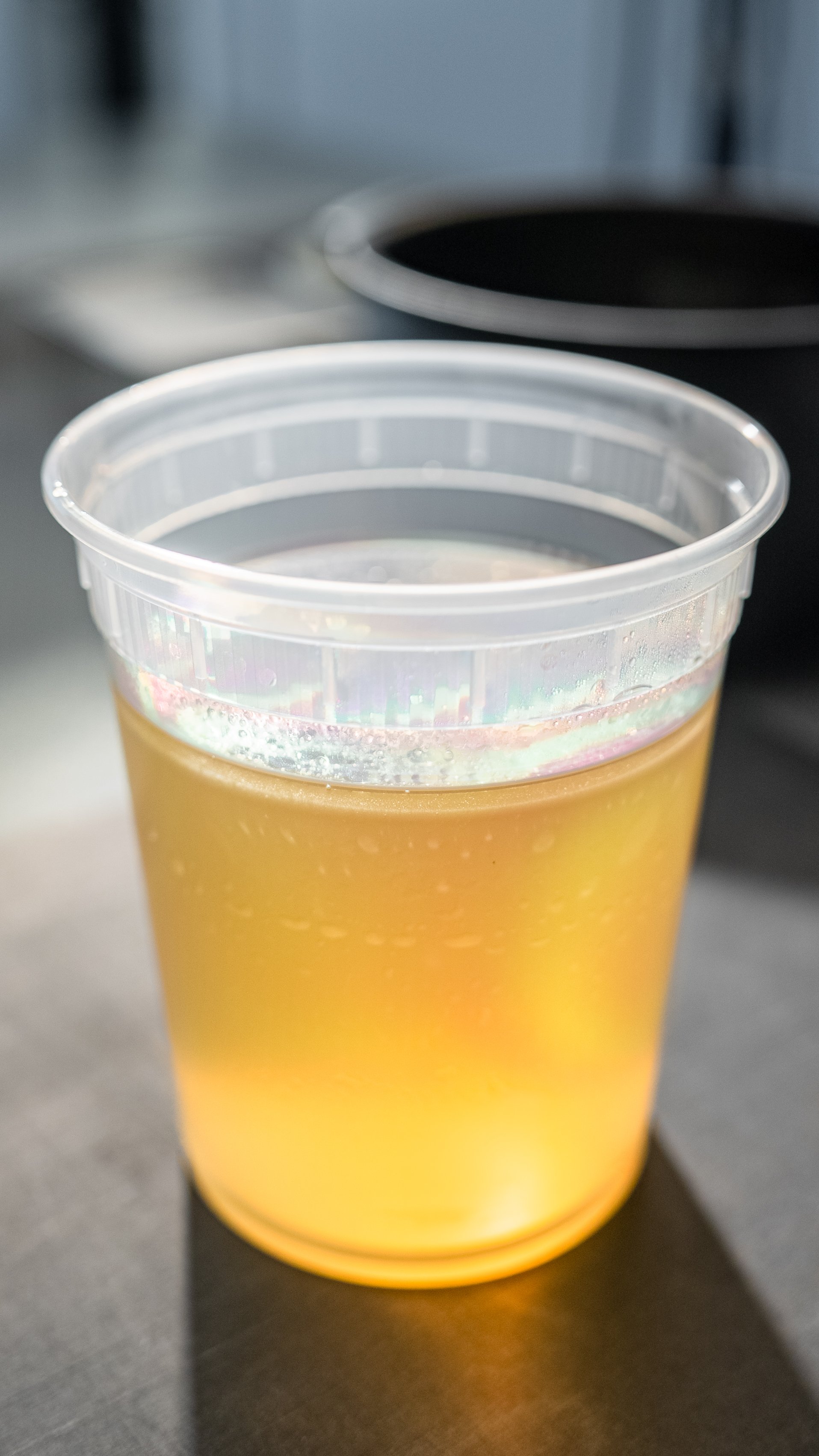
What chicken stock do I use?
For this recipe, because it was meant to be paired with my Hainanese Chicken Rice, I used the poaching stock that was cooled down.
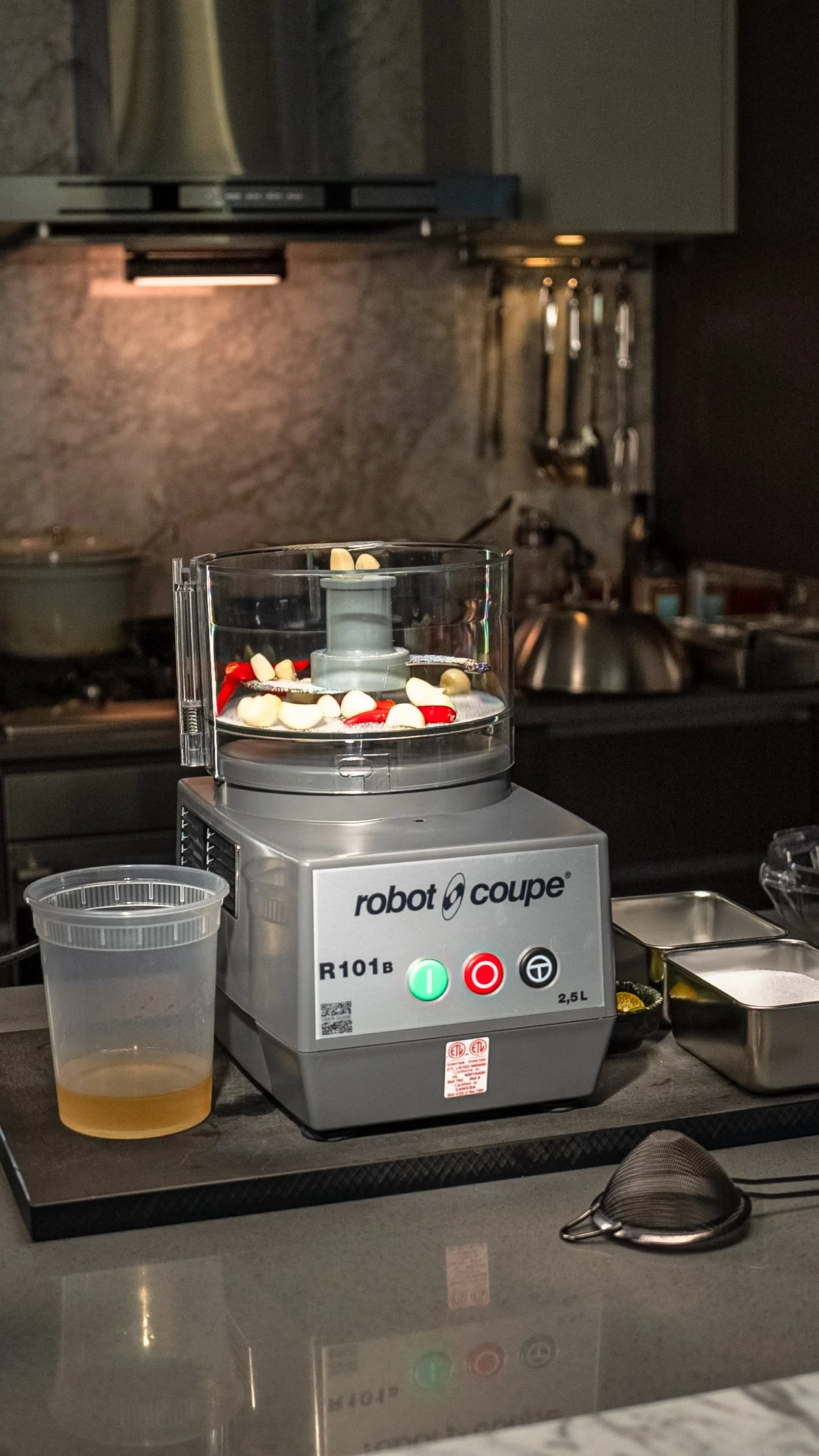
Can I use a food blender?
Yes, you can use a food blender to make Hainanese chili sauce. Using a blender can help you achieve a smooth and well-emulsified sauce by thoroughly blending all the ingredients together.
Here's how you can make Hainanese chili sauce using a food blender:
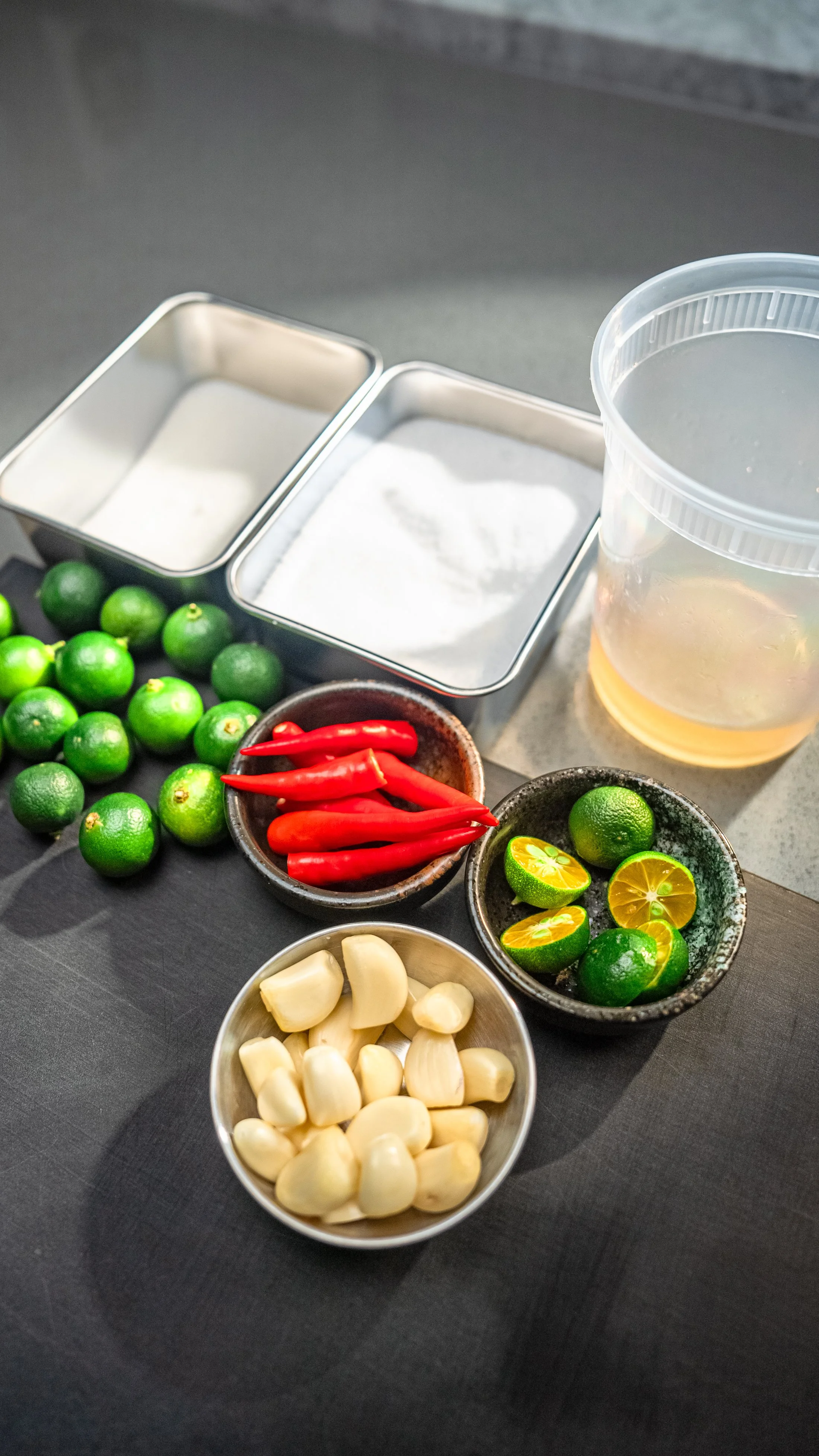
Gather all your ingredients, including red Thai chili peppers, garlic, calamansi juice, fresh chicken stock, sugar, and salt.
Depending on your preference for texture and heat level, you may want to remove the seeds and membranes from the chili peppers before blending. Keep in mind that the seeds and membranes contain much of the heat, so removing them can help control the spiciness of the sauce.
Add the deseeded chili peppers, garlic, calamansi juice, fresh chicken stock, sugar, and salt to the blender.
Blend the ingredients on high speed until you achieve a smooth and well-combined sauce. You may need to stop and scrape down the sides of the blender as needed to ensure all the ingredients are evenly incorporated.
Taste the sauce and adjust the seasoning as needed, adding more salt, sugar, or calamansi juice to balance the flavors to your preference.
Once the sauce is blended to your desired consistency and taste, transfer it to a clean jar or container for storage. You can refrigerate the sauce for up to a week or freeze it for longer storage.
Using a food blender to make Hainanese chili sauce is a convenient and efficient method that can help you achieve a delicious and flavorful sauce with minimal effort. Enjoy your homemade chili sauce with your favorite dishes!
What can I do if it’s too spicy?
Adding additional white sugar will help balance the spiciness.
What peppers can I use instead of Red Thai Chili Peppers?
If you don't have access to red Thai chili peppers, there are several alternatives you can use to achieve a similar level of heat and flavor in your Hainanese chili sauce. Here are a few options:
Red Fresno Peppers: Red Fresno peppers are similar in size and heat level to red Thai chili peppers, making them a suitable substitute. They have a slightly sweeter flavor compared to Thai chilies, but they still provide a good amount of heat.
Red Jalapeño Peppers: While jalapeño peppers are milder than Thai chilies, using the red variety can add a vibrant color and a moderate level of heat to your sauce. If you prefer a spicier sauce, you can use a larger quantity of red jalapeños to achieve the desired level of heat.
Serrano Peppers: Serrano peppers are hotter than jalapeños but still milder than Thai chilies. They can be used as a substitute if you prefer a sauce with a bit more heat but not as much as Thai chilies provide.
Cayenne Peppers: Cayenne peppers are another option if you're looking for a hotter substitute. They have a similar heat level to Thai chilies and can be used to add a fiery kick to your sauce.
Bird's Eye Chilies: Also known as Thai bird's eye chilies, these peppers are similar to Thai chili peppers in both heat level and flavor. If you can find bird's eye chilies, they would be the closest substitute for Thai chilies in terms of flavor and heat.
When using any substitute pepper, it's important to taste and adjust the sauce according to your preference, as the heat level and flavor may vary slightly from one type of pepper to another. Start with a smaller quantity and adjust to taste as needed to achieve the desired level of spiciness in your Hainanese chili sauce.
Other Recipes You’ll Love
Love the recipe?
Make sure to follow me on Instagram, TikTok, YouTube, and Pinterest to stay up to date with all of my content!
Sign up for my free newsletter to receive cooking tips & recipe updates!
If you made this recipe, send me a picture and tag it with #W2Recipes.
I would love to see your re-creations on Instagram @willhkwong.
If you liked this recipe, Pin it to Pinterest! 👇🏻


Ginger Scallion Sauce is a versatile and flavorful condiment commonly used in Asian cuisine, particularly in Chinese…