
This post may contain affiliate links. Please read my disclosure policy for details.
As an Amazon Associate, I earn from qualifying purchases.

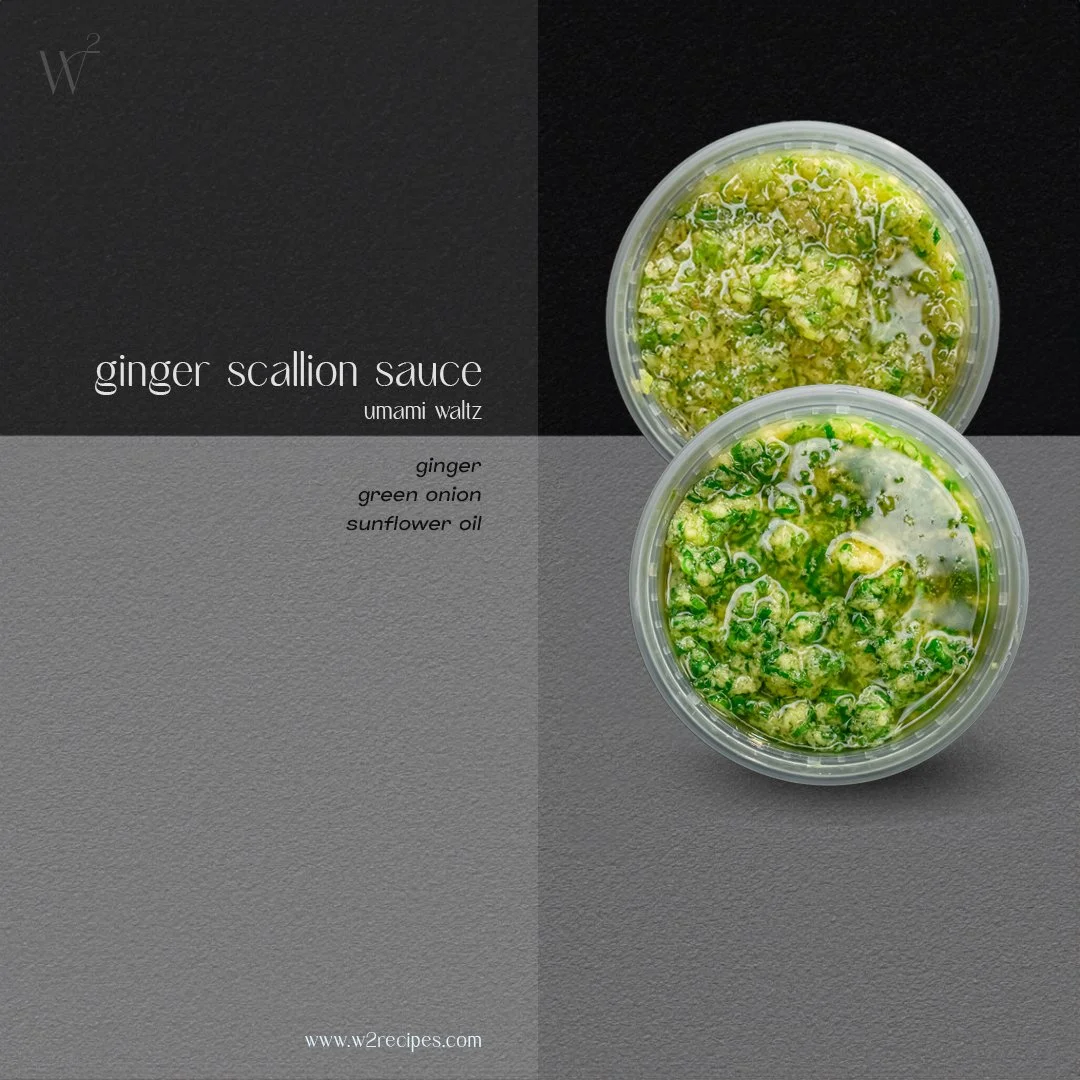
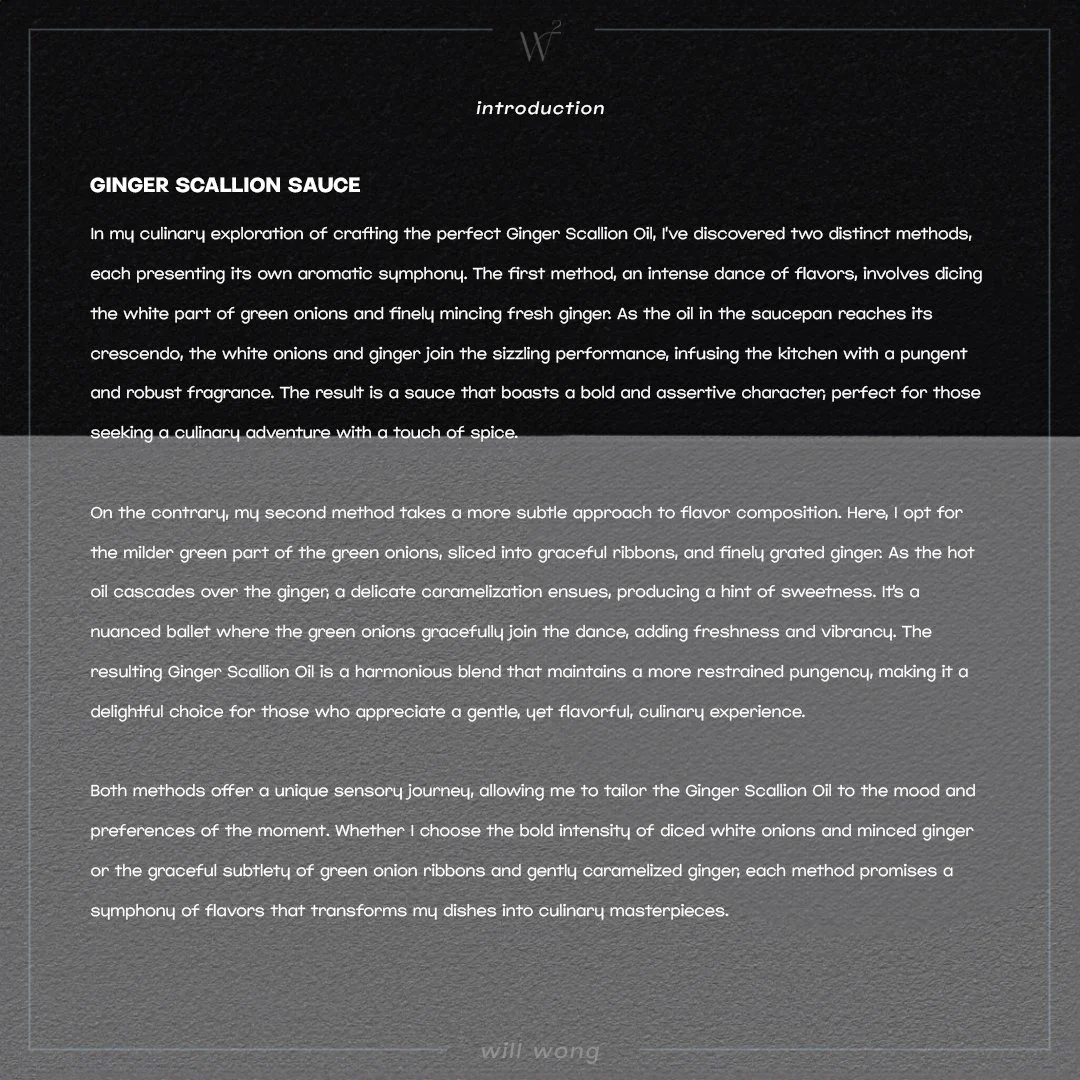
What is Ginger Scallion Sauce?
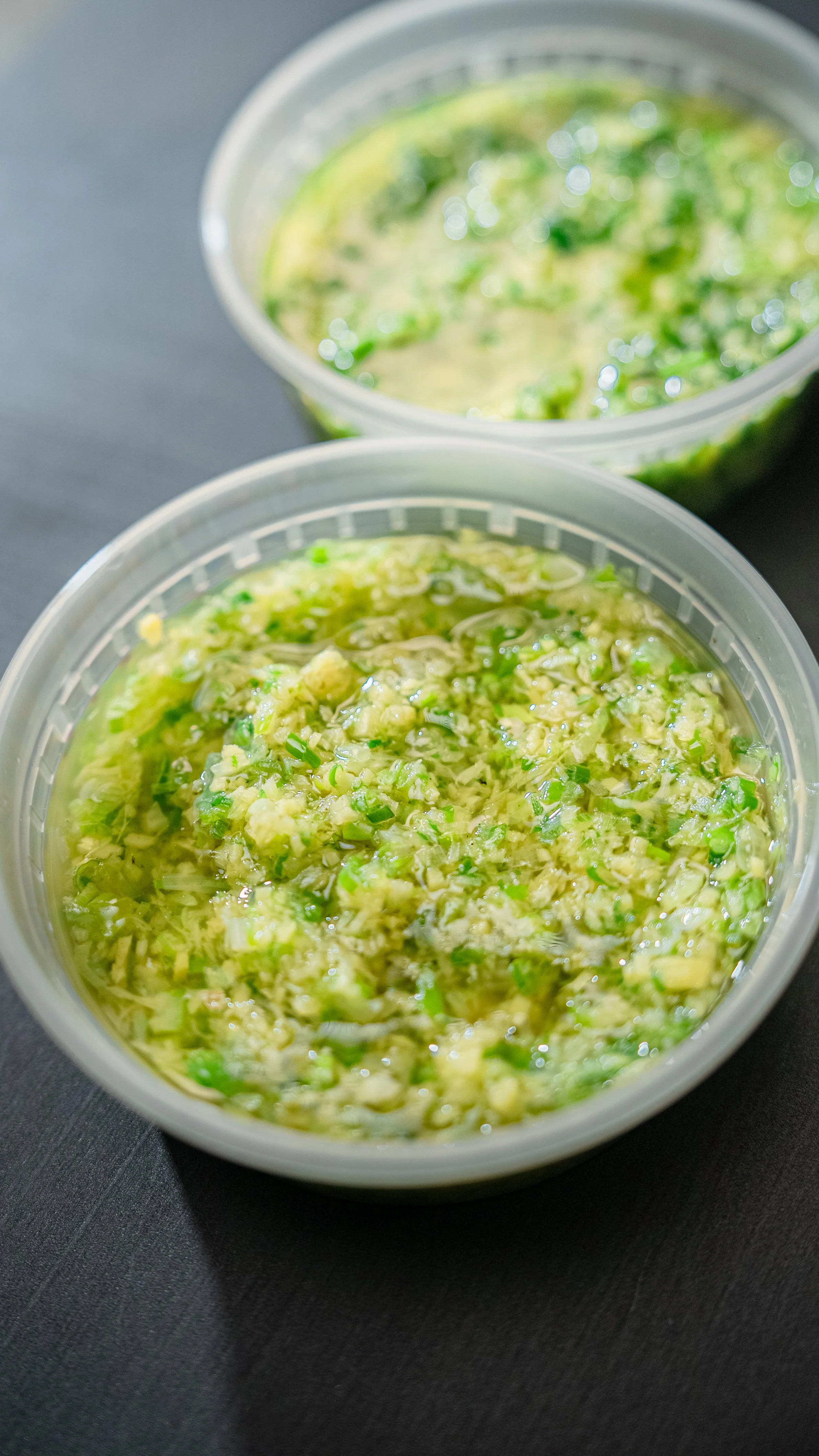
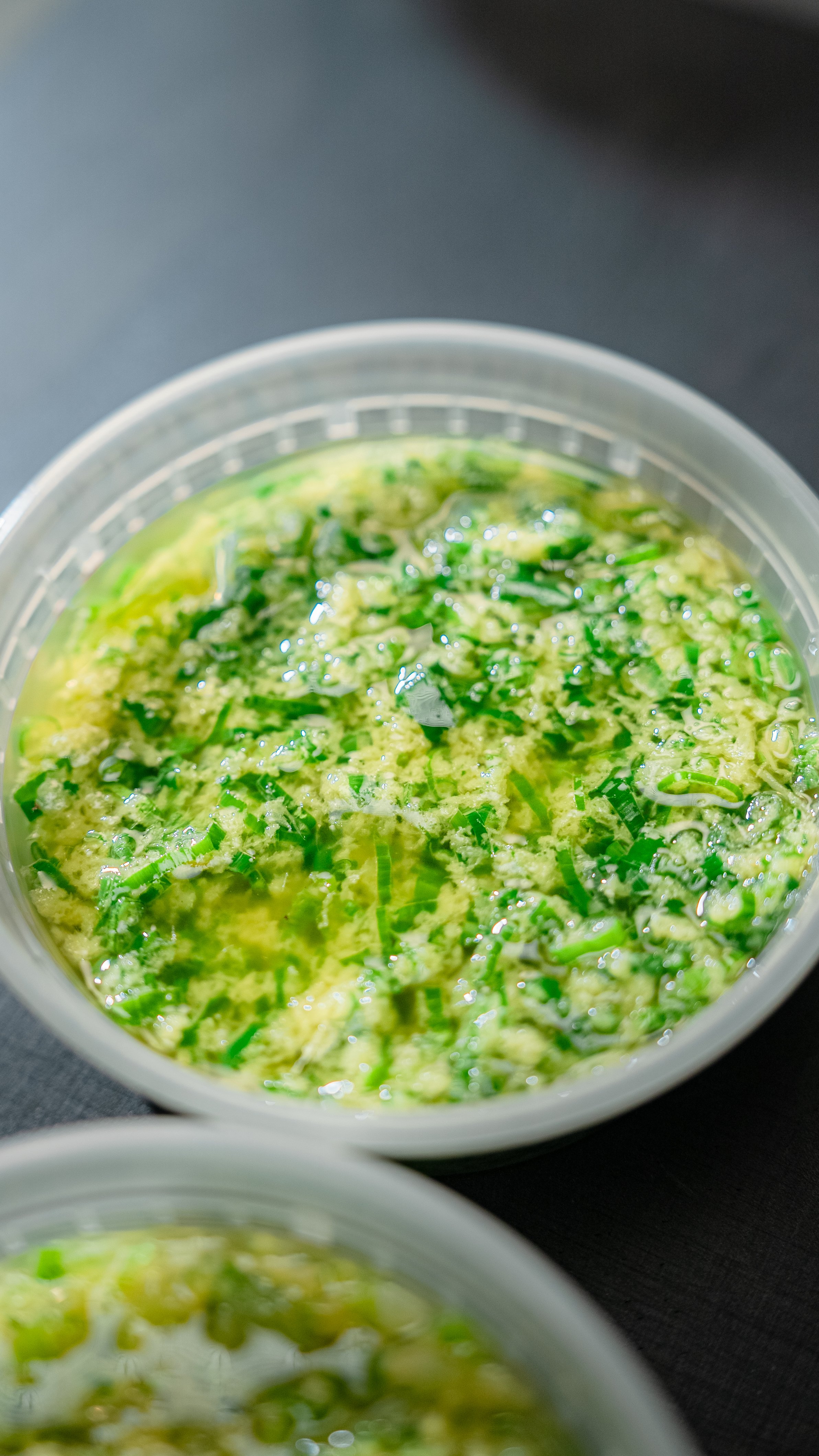
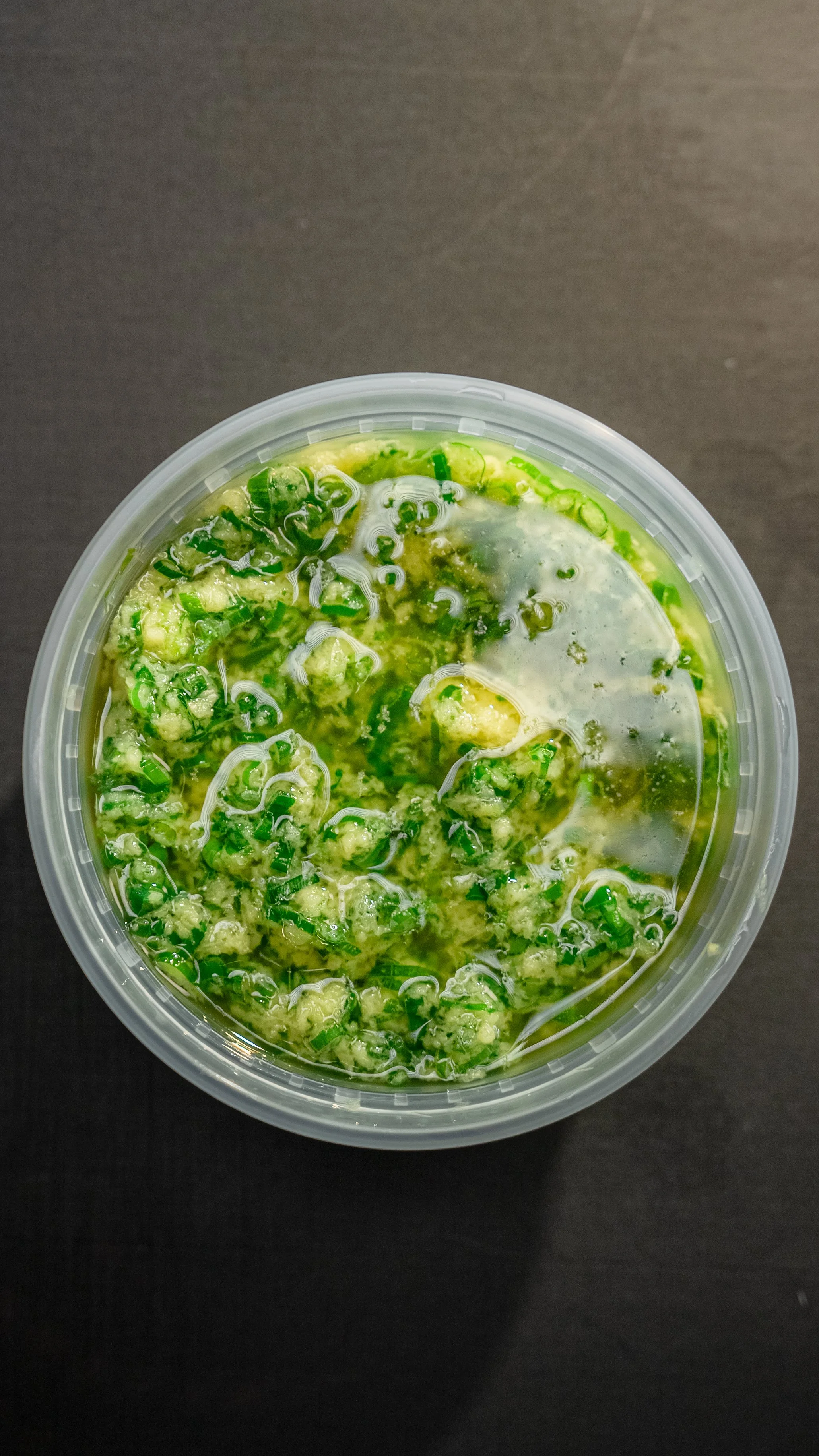
Ginger Scallion Sauce is a versatile and flavorful condiment commonly used in Asian cuisine, particularly in Chinese and Taiwanese dishes. This sauce is known for its vibrant taste, combining the sharpness of ginger with the freshness of scallions (green onions). It adds a zesty and aromatic element to a variety of dishes, making it a popular accompaniment in Asian cooking.

Key Ingredient?
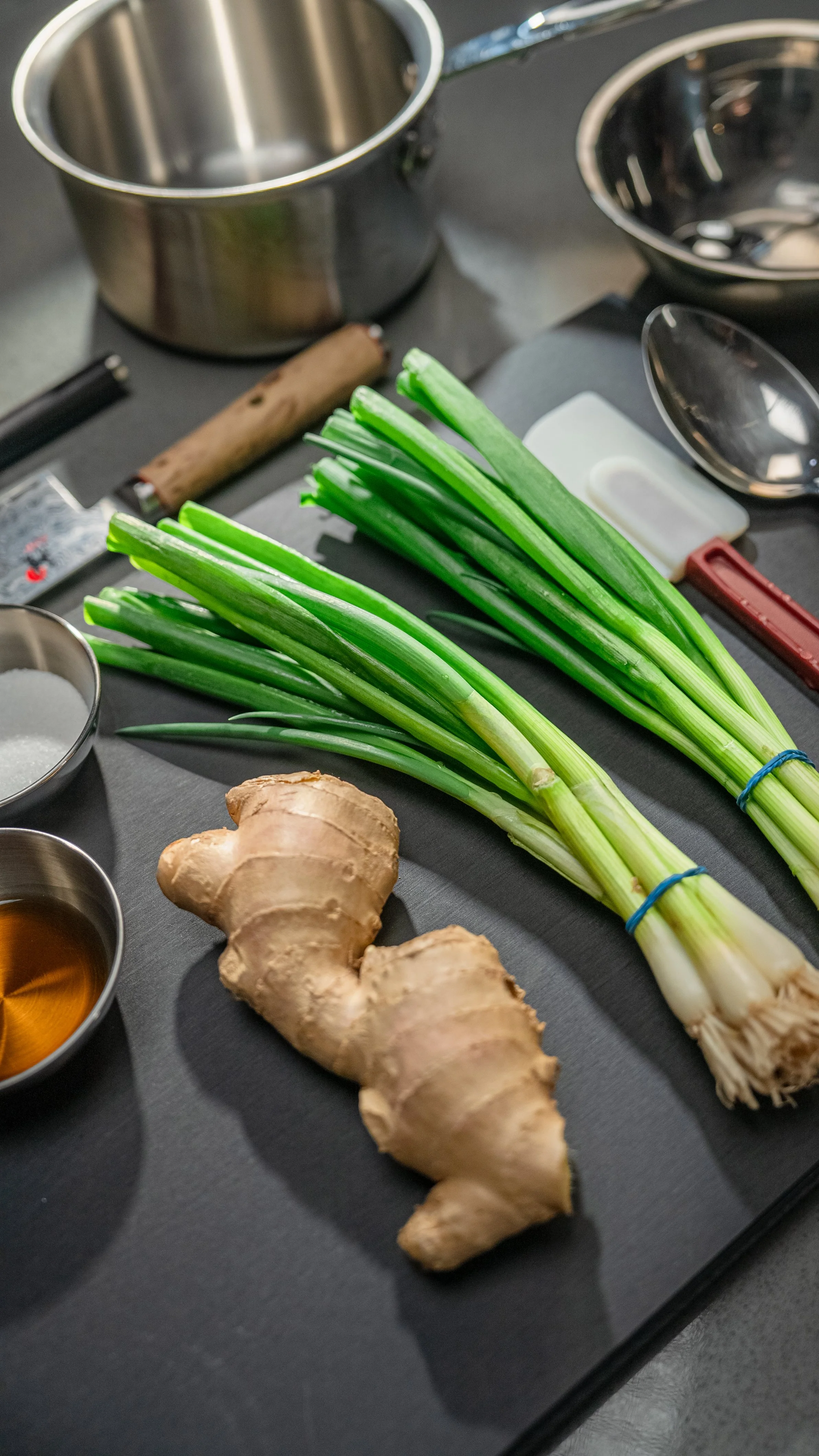
Green Onion
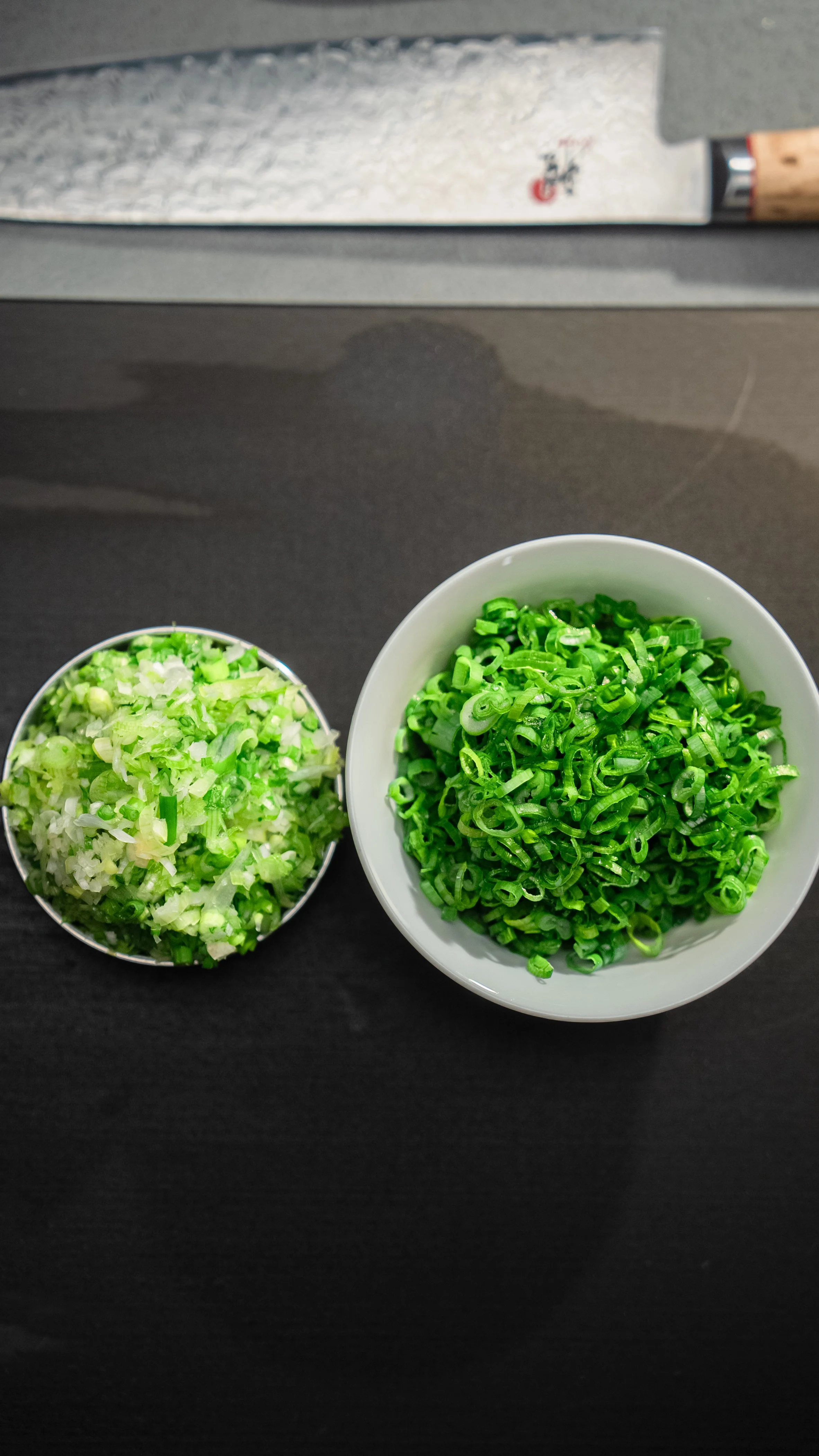
A green onion, also known as a scallion or spring onion, has distinct parts, each offering different flavors, textures, and culinary uses. Understanding the different parts of a green onion can help you utilize them effectively in various dishes. Here are the main parts:
Root End (Root Bulb):
Description: The root end is the white, bulbous portion at the bottom of the green onion.
Flavor and Texture: This part is milder in flavor compared to the rest of the green onion. It has a crisp texture when raw but becomes tender when cooked.
Culinary Uses: The root end is often used as a base in cooking. It's sautéed at the beginning of recipes to provide a flavorful foundation for dishes like soups, stews, and stir-fries.
White Part:
Description: The white part extends from the root end and continues upward, transitioning into the green part.
Flavor and Texture: The white part has a stronger, more pungent flavor compared to the green part. It is crisp when raw and becomes tender when cooked.
Culinary Uses: Like the root end, the white part is commonly used in cooking. It adds depth of flavor to various dishes and is often sautéed, stir-fried, or incorporated into recipes where a stronger onion flavor is desired.
Green Part (Stems/Leaves):
Description: The green part includes the stems and leaves of the green onion, extending from the white part to the tips.
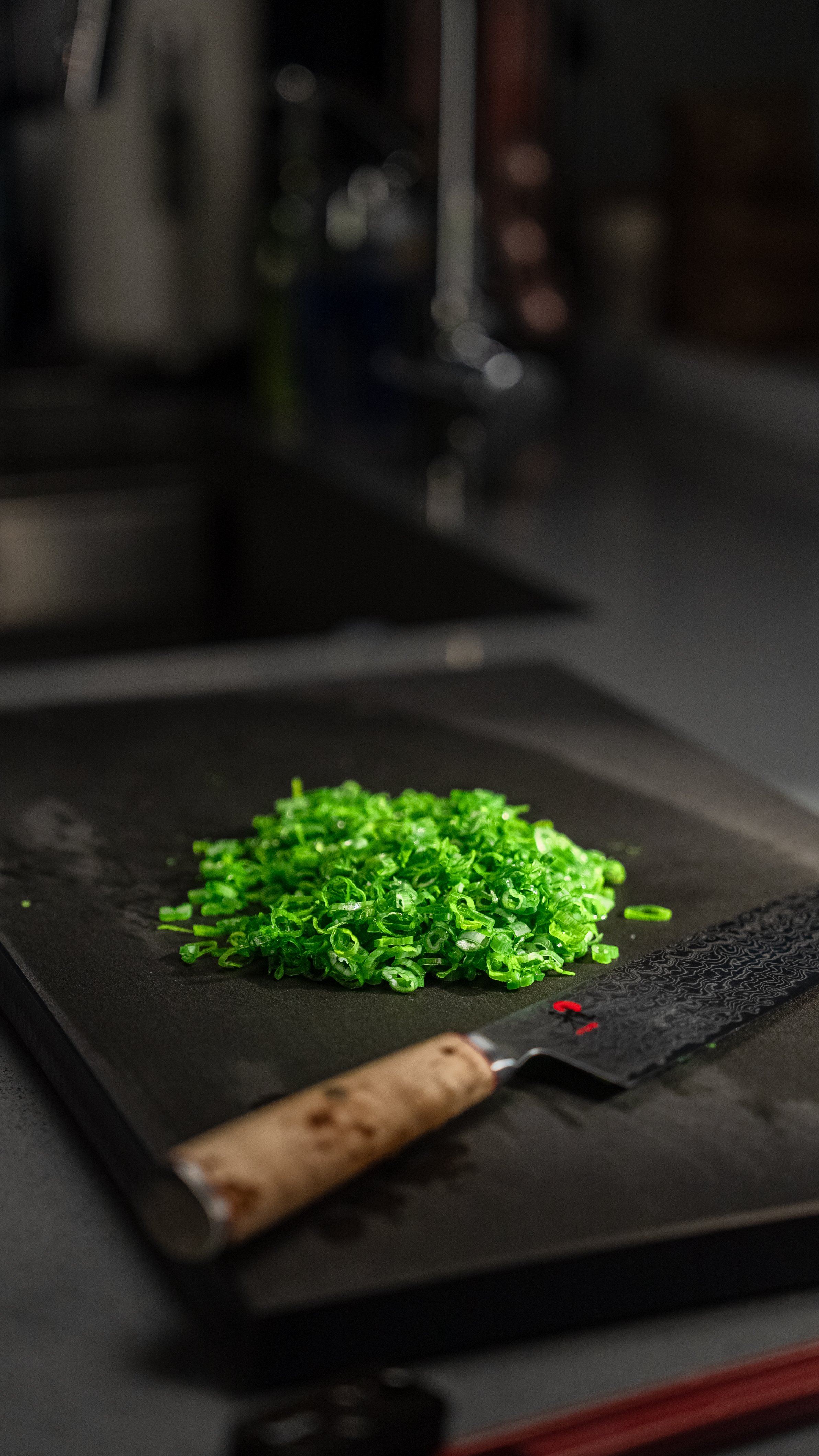
Flavor and Texture: The green part has a milder and fresher flavor compared to the white part. It is tender and adds a delicate texture to dishes.
Culinary Uses: The green part is frequently used as a garnish or finishing touch. It is commonly sprinkled on top of dishes, added to salads, and incorporated into various recipes for its mild onion taste and vibrant color.
The different parts of a green onion offer a range of flavors, from milder to stronger, providing versatility in the kitchen. The combination of these parts allows you to balance and layer onion flavors in your dishes, adding depth and complexity. Whether you're using the root end and white part for cooking or the green part for garnishing, green onions contribute a unique and fresh element to a variety of culinary creations.


FAQs
What If I Don’t Have It?
See substitution suggestions above. For this recipe, the combination of all other ingredients is mandatory to create this flavorful dish.
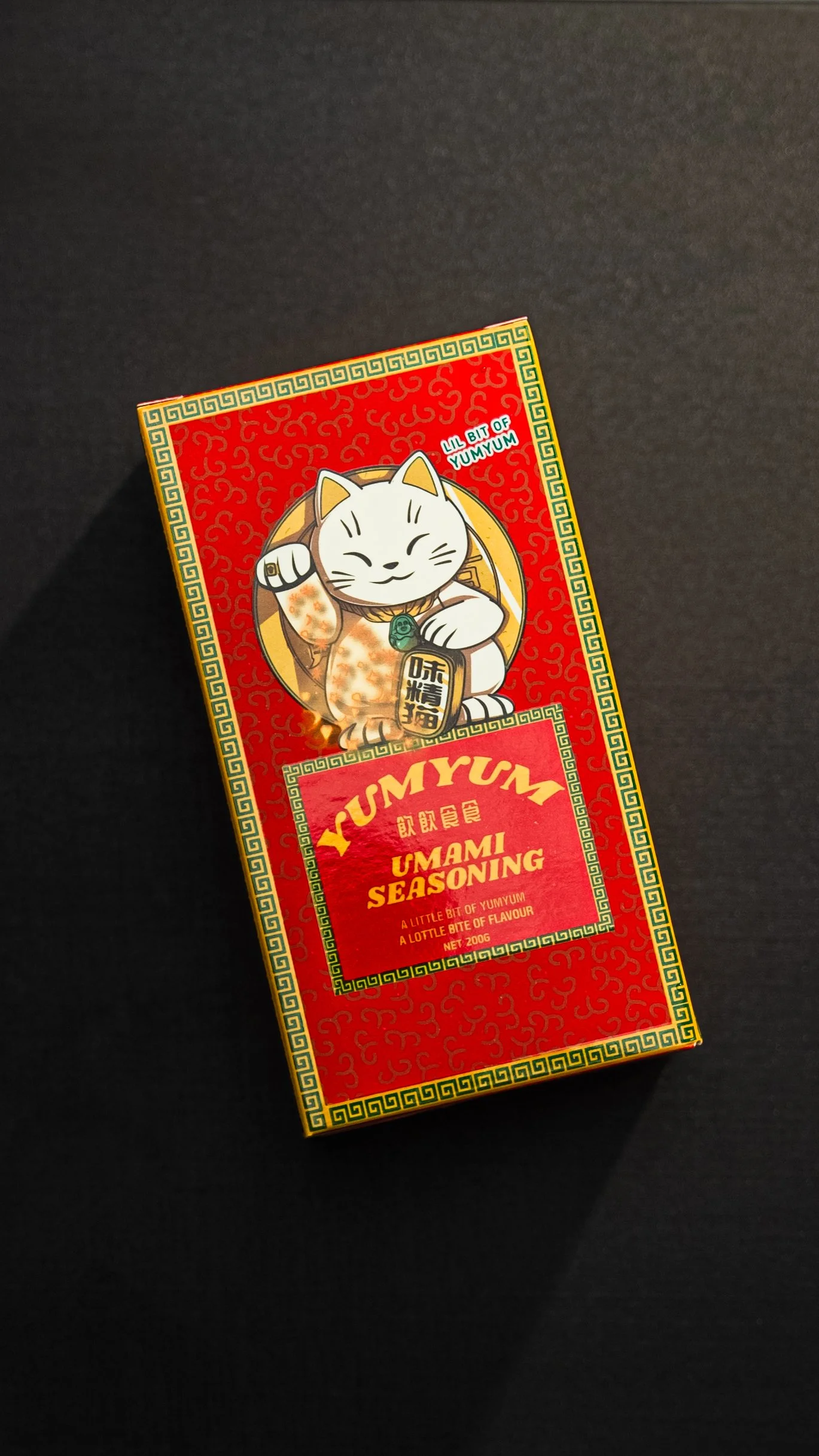
What is YumYum?
Seasoning mix consisting of MSG, White Pepper and Wok Toasted Salt. Product by @dimsimlum, another food content creator based in Australia.
What can I eat this sauce with?
Most commonly seen and eaten with Chinese BBQ, and Chicken Rice!
Ginger Scallion Oil is an incredibly versatile condiment that can elevate a wide range of dishes with its vibrant flavors. Here are some delicious options for what you can eat with Ginger Scallion Oil:
Steamed or Boiled Dumplings: Drizzle Ginger Scallion Oil over steamed or boiled dumplings for a burst of aromatic flavor. The sauce adds depth and richness to dumplings filled with pork, chicken, shrimp, or vegetables.
Noodles: Toss cooked noodles, such as egg noodles, rice noodles, or even spaghetti, with Ginger Scallion Oil for a simple and delicious meal. Garnish with additional chopped scallions for extra freshness.
Grilled or Pan-Seared Fish: Serve Ginger Scallion Oil as a flavorful sauce alongside grilled or pan-seared fish fillets. The sauce complements the delicate flavor of fish, adding a punch of ginger and scallion goodness.
Stir-Fried Vegetables: Drizzle Ginger Scallion Oil over stir-fried vegetables like broccoli, bok choy, or snap peas for a quick and tasty side dish. The sauce adds depth and complexity to the vegetables, making them irresistible.
Rice Bowls: Top rice bowls or grain bowls with a spoonful of Ginger Scallion Oil for a burst of flavor. Pair it with your favorite proteins, such as grilled chicken, tofu, or shrimp, and add fresh vegetables for a balanced and satisfying meal.
Noodle Soups: Add a dollop of Ginger Scallion Oil to noodle soups like ramen or pho for an extra layer of flavor. The aromatic sauce enhances the broth and adds a delightful kick to every spoonful.
Scrambled Eggs or Tofu: Drizzle Ginger Scallion Oil over scrambled eggs or scrambled tofu for a tasty breakfast or brunch option. The sauce adds a burst of flavor to the eggs, making them extra delicious.
Rice Paper Rolls or Spring Rolls: Use Ginger Scallion Oil as a dipping sauce for rice paper rolls or spring rolls. Its bold flavors complement the freshness of the rolls, creating a delightful contrast of textures and tastes.
Marinated Chicken or Pork: Use Ginger Scallion Oil as a marinade for chicken or pork before grilling, roasting, or stir-frying. The sauce infuses the meat with its aromatic flavors, resulting in tender and flavorful dishes.
Salad Dressing: Use Ginger Scallion Oil as a flavorful salad dressing by combining it with soy sauce, rice vinegar, and a touch of honey or sugar. Toss with mixed greens, chopped vegetables, and protein for a delicious and aromatic salad.
These are just a few ideas to get you started, but the possibilities are endless when it comes to enjoying Ginger Scallion Oil. Experiment with different dishes and ingredients to discover your favorite combinations!
How long will this sauce last?
Ginger Scallion Oil can typically last for up to one week when stored properly in the refrigerator. However, its shelf life may vary depending on factors such as the freshness of the ingredients used and how the oil is prepared and stored.
To maximize the freshness and longevity of Ginger Scallion Oil:
Store in an Airtight Container: Transfer the Ginger Scallion Oil to a clean, airtight container before refrigerating. This helps prevent exposure to air and potential contamination, which can lead to spoilage.
Keep Refrigerated: Store the Ginger Scallion Oil in the refrigerator at all times. The cool temperature helps slow down bacterial growth and oxidation, preserving the quality of the oil.
Check for Signs of Spoilage: Before using the Ginger Scallion Oil, visually inspect it for any signs of spoilage, such as mold growth, discoloration, or off-putting odor. If you notice any of these signs, discard the oil immediately.
Use Clean Utensils: When using the Ginger Scallion Oil, always use clean utensils to avoid introducing contaminants into the container.
Consider Freezing: If you don't plan to use the Ginger Scallion Oil within a week, consider freezing it in ice cube trays for longer storage. Once frozen, transfer the oil cubes to a freezer-safe bag or container and label with the date. Frozen Ginger Scallion Oil can last for several months.
It's important to exercise caution and use your best judgment when determining the freshness of Ginger Scallion Oil. While it may be tempting to keep it for an extended period, it's always safest to err on the side of caution and discard any oil that shows signs of spoilage.
Pungent versus Non-Pungent?
Pungent versus non-pungent ginger scallion sauce refers to the difference in intensity of flavors between two variations of this popular condiment. Here's how each version differs:
Pungent Ginger Scallion Sauce:
Ingredients: This version typically includes the white parts of green onions and fresh ginger, both of which contribute to its strong and pungent flavor profile.
Flavor Profile: Pungent ginger scallion sauce is characterized by its robust and assertive taste. The sharpness of the ginger and the pungency of the white parts of green onions create a bold and aromatic sauce with a spicy kick.
Culinary Uses: Pungent ginger scallion sauce adds depth and intensity to dishes where a strong onion and ginger flavor is desired. It pairs well with rich and hearty dishes, such as grilled meats, noodles, and dumplings, providing a punch of flavor with each spoonful.
Non-Pungent Ginger Scallion Sauce:
Ingredients: This version typically uses the green parts of green onions and may include less ginger or a milder variety of ginger. The use of green onions instead of white onions contributes to a milder flavor profile.
Flavor Profile: Non-pungent ginger scallion sauce has a more subtle and delicate taste compared to its pungent counterpart. The green onions impart a fresh and slightly sweet flavor, while the ginger adds a hint of spice without overpowering the sauce.
Culinary Uses: Non-pungent ginger scallion sauce is ideal for dishes where a gentler onion and ginger flavor is preferred. It can be used as a garnish or dipping sauce for lighter dishes such as seafood, salads, or rice dishes, adding a touch of freshness and complexity without overwhelming the palate.
Both pungent and non-pungent ginger scallion sauces offer unique flavor experiences, allowing you to tailor the sauce to suit your taste preferences and the specific dish you're preparing. Whether you crave a bold and spicy kick or a subtle and refreshing accent, ginger scallion sauce can enhance a wide range of culinary creations with its aromatic flavors.
What kind of oil can I use?
Any neutral oil that has a high smoke point. Avoid olive oil since it has a low smoke point.
The neutral oil you pick will be your preference. Typically sunflower, canola, or vegetable oil is used since they’re cheaper options, but if you are serving yourself and not having to worry about any nut allergies, peanut oil is best!
Grapeseed oil is also a great choice if you plan on having this sauce with fresh greens or salads.
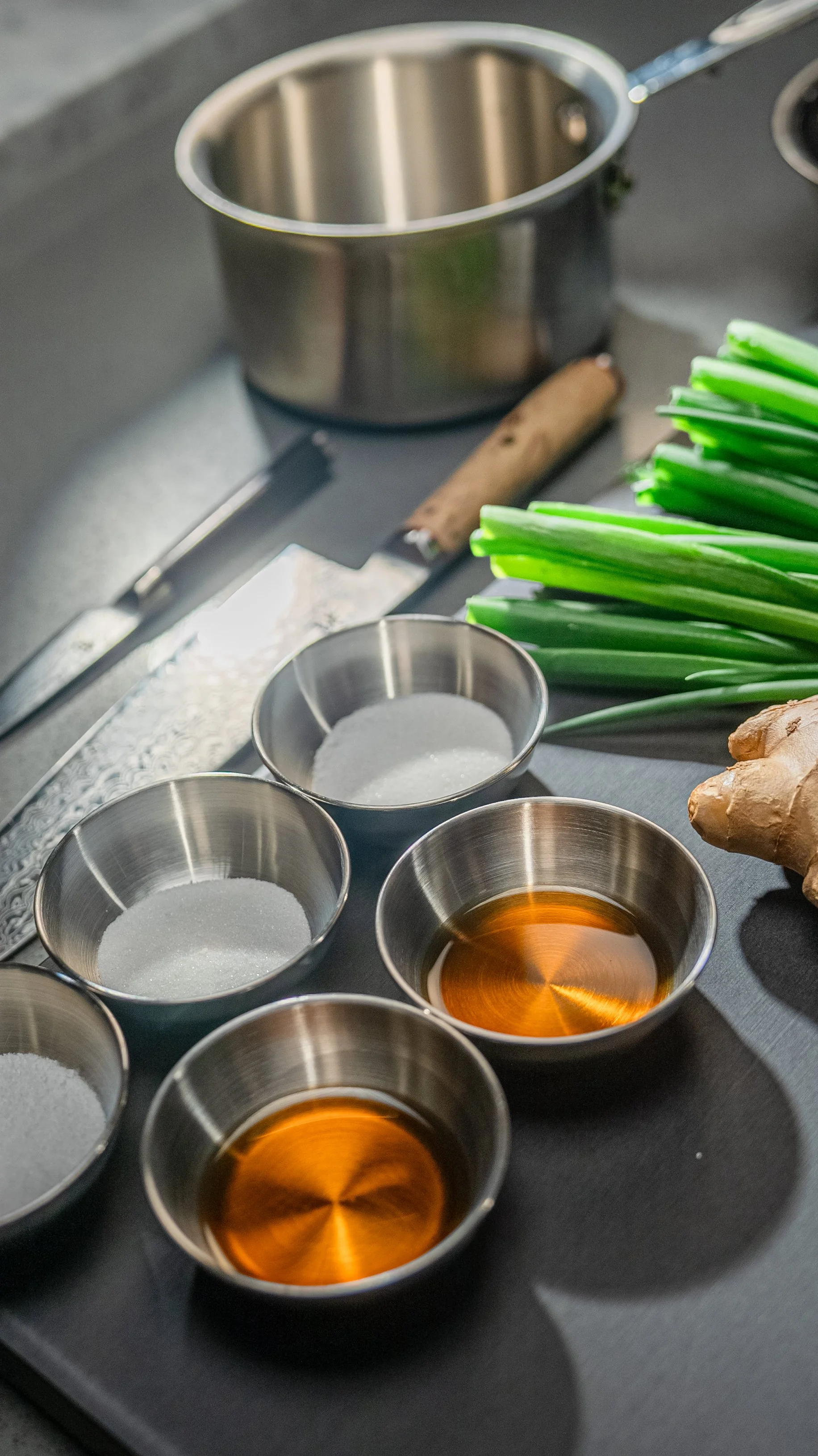
Why is there White Sugar and Sesame Oil added?
The addition of sugar and sesame oil in ginger scallion sauce serves to enhance its flavor profile and add depth to the overall taste. Here's why these ingredients are commonly included:
Sugar:
Balancing Sweetness: Sugar is often added to ginger scallion sauce to balance out the sharpness of the ginger and the pungency of the scallions. It adds a touch of sweetness that helps mellow the flavors and creates a more harmonious balance.
Complexity of Flavor: Sugar not only adds sweetness but also contributes to the complexity of flavor in the sauce. It rounds out the taste and provides a subtle background sweetness that complements the other ingredients.
Sesame Oil:
Rich Nutty Flavor: Sesame oil is prized for its rich, nutty flavor, which adds depth and complexity to ginger scallion sauce. It imparts a distinctive aroma and enhances the overall taste of the sauce.
Aromatic Qualities: Sesame oil also contributes aromatic qualities to the sauce, making it more fragrant and appealing. The aroma of sesame oil complements the flavors of ginger and scallions, enhancing the sensory experience of the sauce.
Texture and Mouthfeel: Sesame oil adds a silky texture and mouthfeel to ginger scallion sauce, making it more luxurious and satisfying. It helps bind the ingredients together and provides a smooth consistency to the sauce.
Overall, the addition of sugar and sesame oil in ginger scallion sauce not only improves its flavor but also enhances its texture and aroma. These ingredients work together to create a well-balanced and delicious condiment that can elevate a wide range of dishes with its aromatic and flavorful qualities.
Can I use a food processor?
Yes, you can definitely use a food processor to make ginger scallion sauce. In fact, using a food processor can make the preparation process quicker and more convenient, especially if you're making a larger batch of sauce. Here's how you can use a food processor to make ginger scallion sauce:
Prepare the Ingredients:
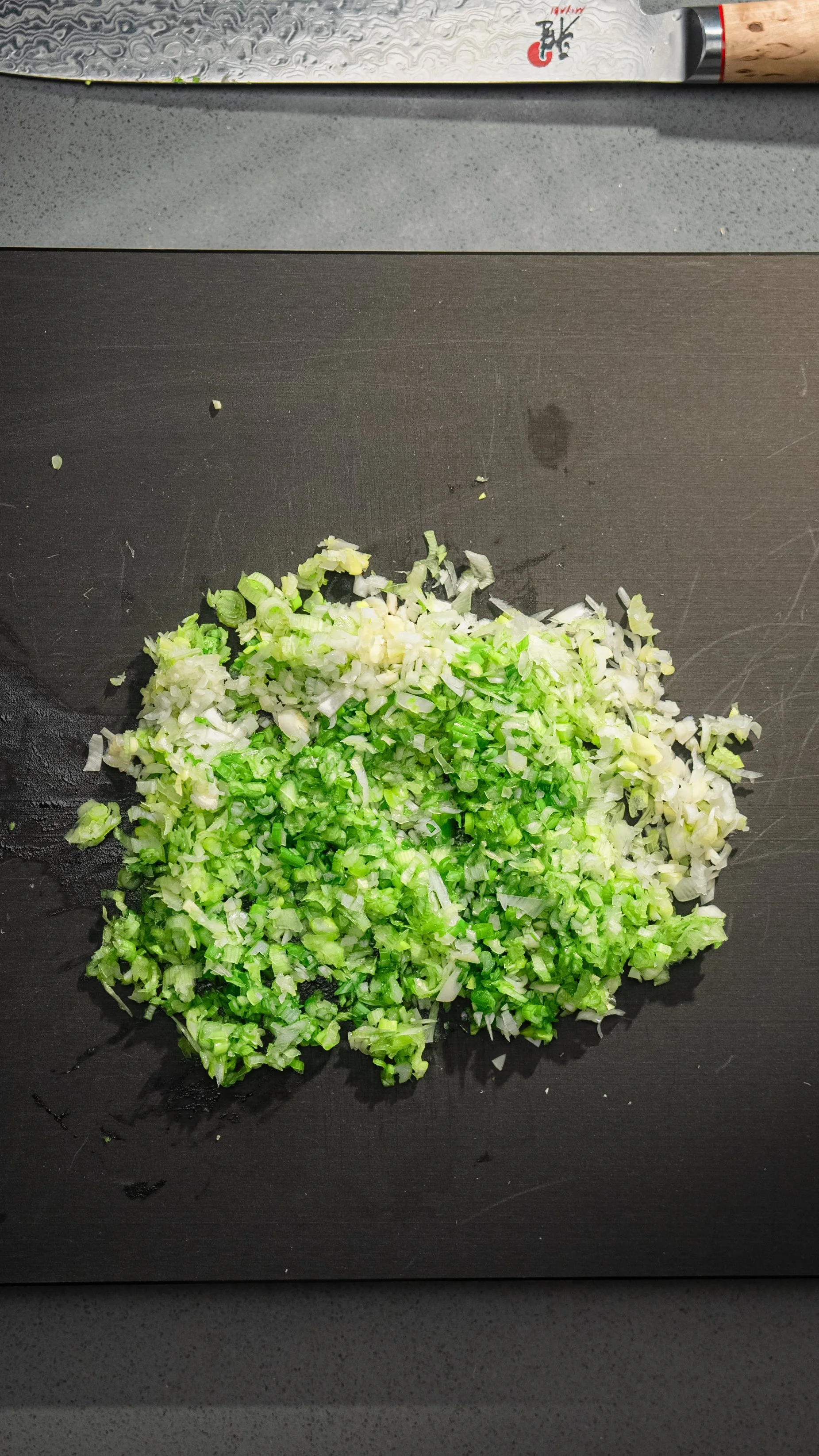
Wash and trim the green onions, removing any wilted or discolored parts. Cut them into smaller pieces to fit into the food processor.
Peel the ginger and cut it into smaller pieces as well. This will help the food processor break down the ginger more easily.
Combine the Ingredients:
Place the chopped green onions and ginger pieces into the bowl of the food processor.
Optionally, add any other ingredients you're using, such as garlic, sugar, sesame oil, or soy sauce.
Process Until Smooth:
Secure the lid of the food processor and pulse the ingredients together until they are finely minced and well combined.
Depending on your preference, you can process the ingredients until they form a smooth paste or leave them slightly chunky for texture.
Adjust Seasoning:
Taste the ginger scallion sauce and adjust the seasoning as needed. You may want to add more salt, sugar, or other seasonings to achieve the desired flavor.
Store or Serve:
Transfer the ginger scallion sauce to an airtight container or jar for storage in the refrigerator.
Use the sauce as a condiment, garnish, or flavoring agent for various dishes.
Using a food processor to make ginger scallion sauce can save you time and effort, and it ensures that the ingredients are evenly minced and blended together. It's a convenient method for preparing this flavorful condiment, whether you're making it for a special meal or for everyday use.
How hot should the oil be?
The oil for making ginger scallion sauce should be heated to a moderate temperature, typically around medium heat. It's important to avoid overheating the oil, as this can cause the ginger and scallions to burn or become overly crispy, resulting in a bitter flavor.
Here's a general guideline for heating the oil:
Heat Oil Until Shimmering: Start by heating the oil in a saucepan over medium heat until it becomes shimmering. You can test the temperature by adding a small piece of ginger or scallion to the oil. If it sizzles gently, the oil is ready.
Avoid Smoking Point: Be cautious not to let the oil reach its smoking point, which can occur at higher temperatures. If you notice the oil smoking or producing a strong odor, reduce the heat immediately to prevent burning.
Maintain Moderate Heat: Once the oil is heated to the appropriate temperature, you can add the minced ginger and scallions. Allow them to cook gently in the oil, stirring occasionally, until they become fragrant and slightly softened. Avoid rapid boiling or frying, as this can lead to uneven cooking and excessive browning.
Adjust Heat as Needed: Throughout the cooking process, monitor the heat and adjust as needed to maintain a gentle simmer. If the oil starts to bubble too vigorously, lower the heat to prevent burning.
By heating the oil to a moderate temperature and cooking the ginger and scallions gently, you can achieve a flavorful and aromatic ginger scallion sauce without risking burning or bitterness. Adjust the heat as needed to ensure that the ingredients cook evenly and develop the desired flavors.
Other Restaurant Inspired Recipes
Restaurant Inspired (Cactus Club Cafe, Din Tai Fung, Mui Garden, Nobu, Phnom Penh Restaurant, The Lunch Lady)
Love the recipe?
Make sure to follow me on Instagram, TikTok, YouTube, and Pinterest to stay up to date with all of my content!
Sign up for my free newsletter to receive cooking tips & recipe updates!
If you made this recipe, send me a picture and tag it with #W2Recipes.
I would love to see your re-creations on Instagram @willhkwong.
If you liked this recipe, Pin it to Pinterest! 👇🏻


A salmon mosaic typically refers to a dish where salmon fillets are arranged in a decorative or artistic pattern,…