
This post may contain affiliate links. Please read my disclosure policy for details.
As an Amazon Associate, I earn from qualifying purchases.
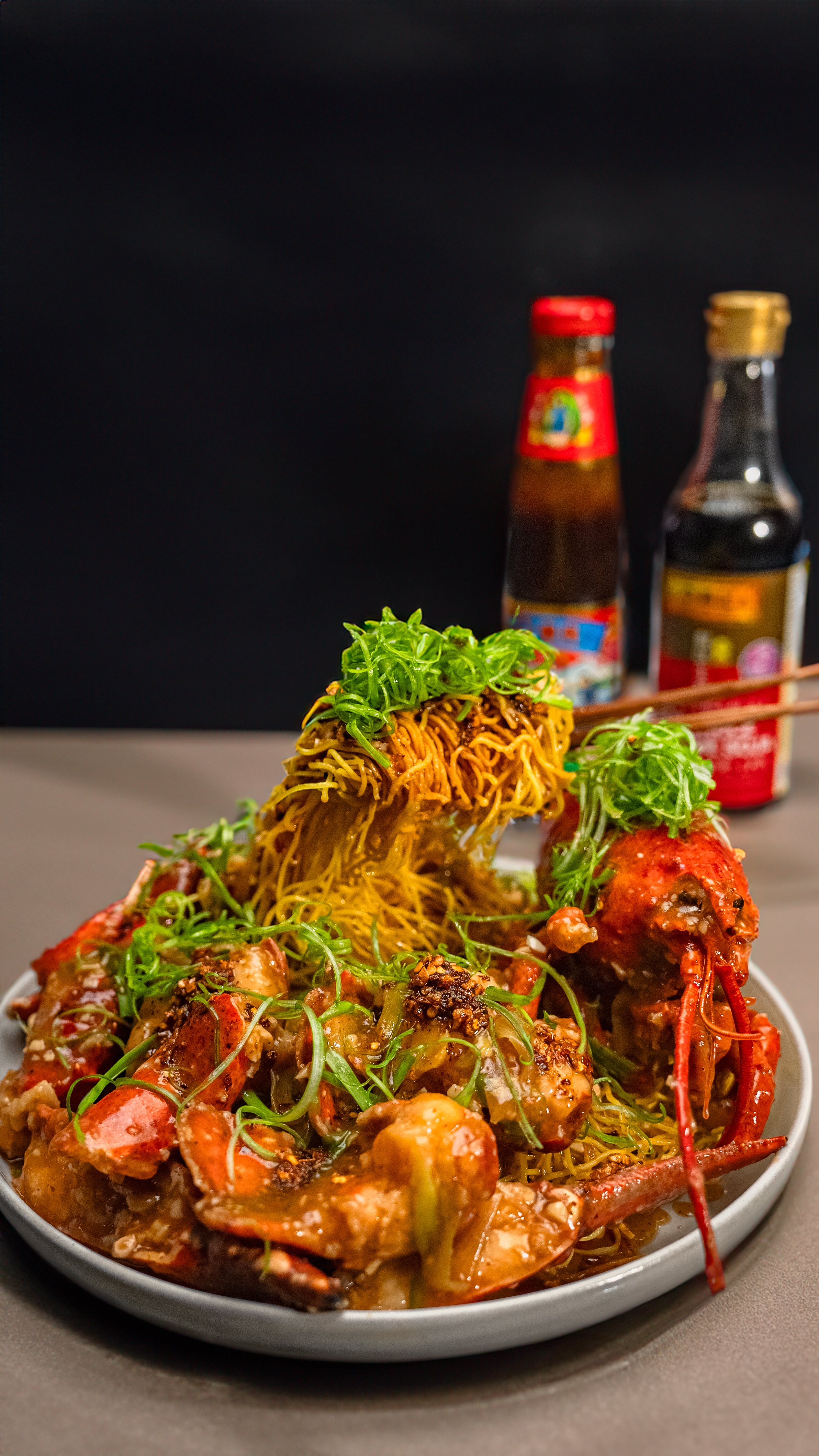
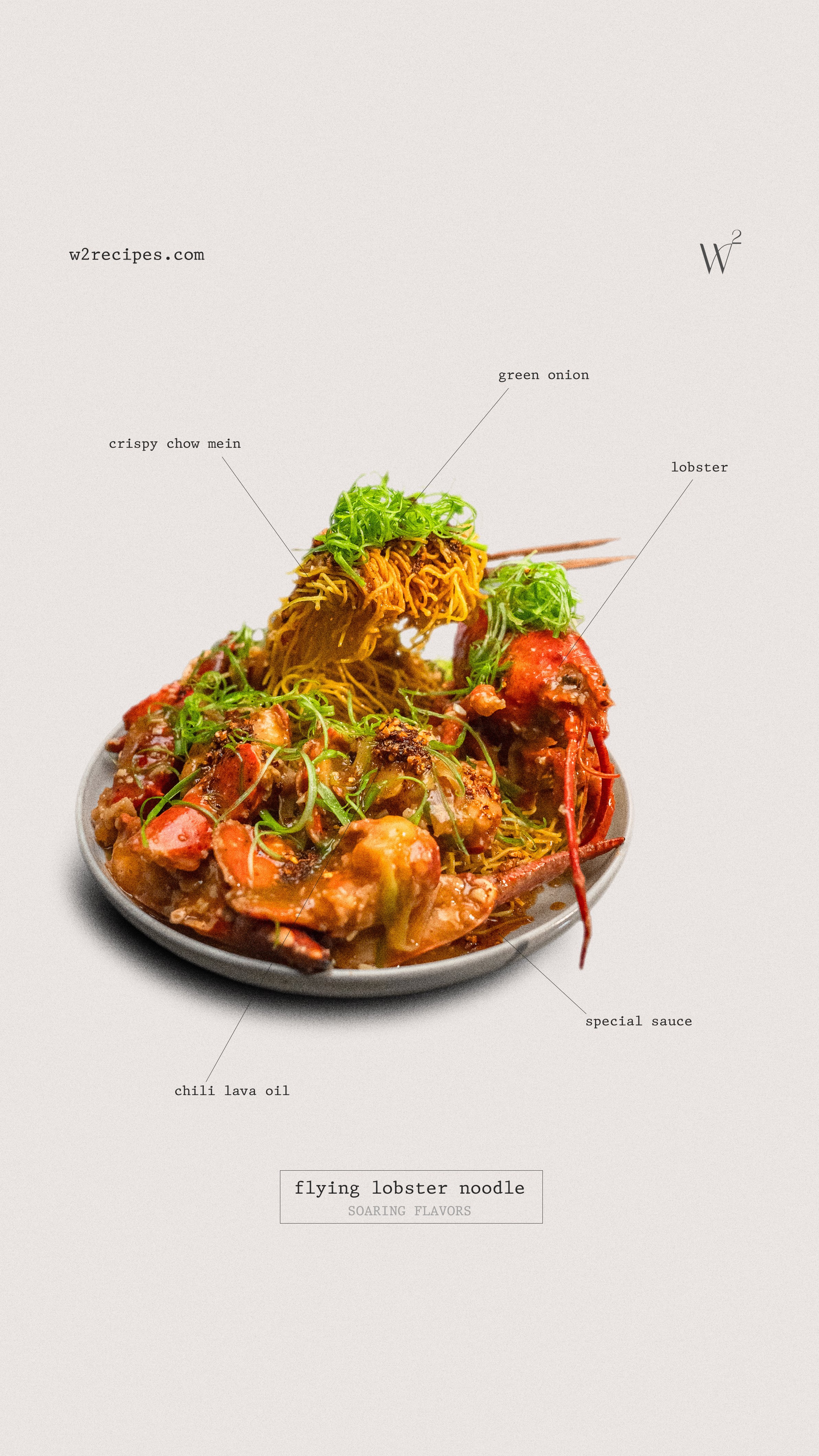
What are Flying Noodles?
"Flying chow mein noodles" is not a specific term commonly used in traditional Chinese culinary terminology. However, the description could be interpreted in a few different ways:
Crispy Chow Mein Noodles: In some Chinese-American or Asian fusion dishes, crispy chow mein noodles are fried or deep-fried until they become crunchy. These crispy noodles are often used as a topping for salads, stir-fries, or noodle dishes, providing a textural contrast to the other ingredients.
Hong Kong-Style Crispy Noodles: Another possibility is the use of Hong Kong-style crispy noodles, which are deep-fried egg noodles. These noodles are often shaped into a nest-like structure and deep-fried until golden brown. They are then commonly used as a base for various toppings, such as stir-fried vegetables, meats, or seafood.
Creative Interpretation: The term "flying chow mein noodles" could also be a creative or imaginative description used by a chef or restaurant to emphasize the light and crispy texture of their particular preparation of chow mein noodles.
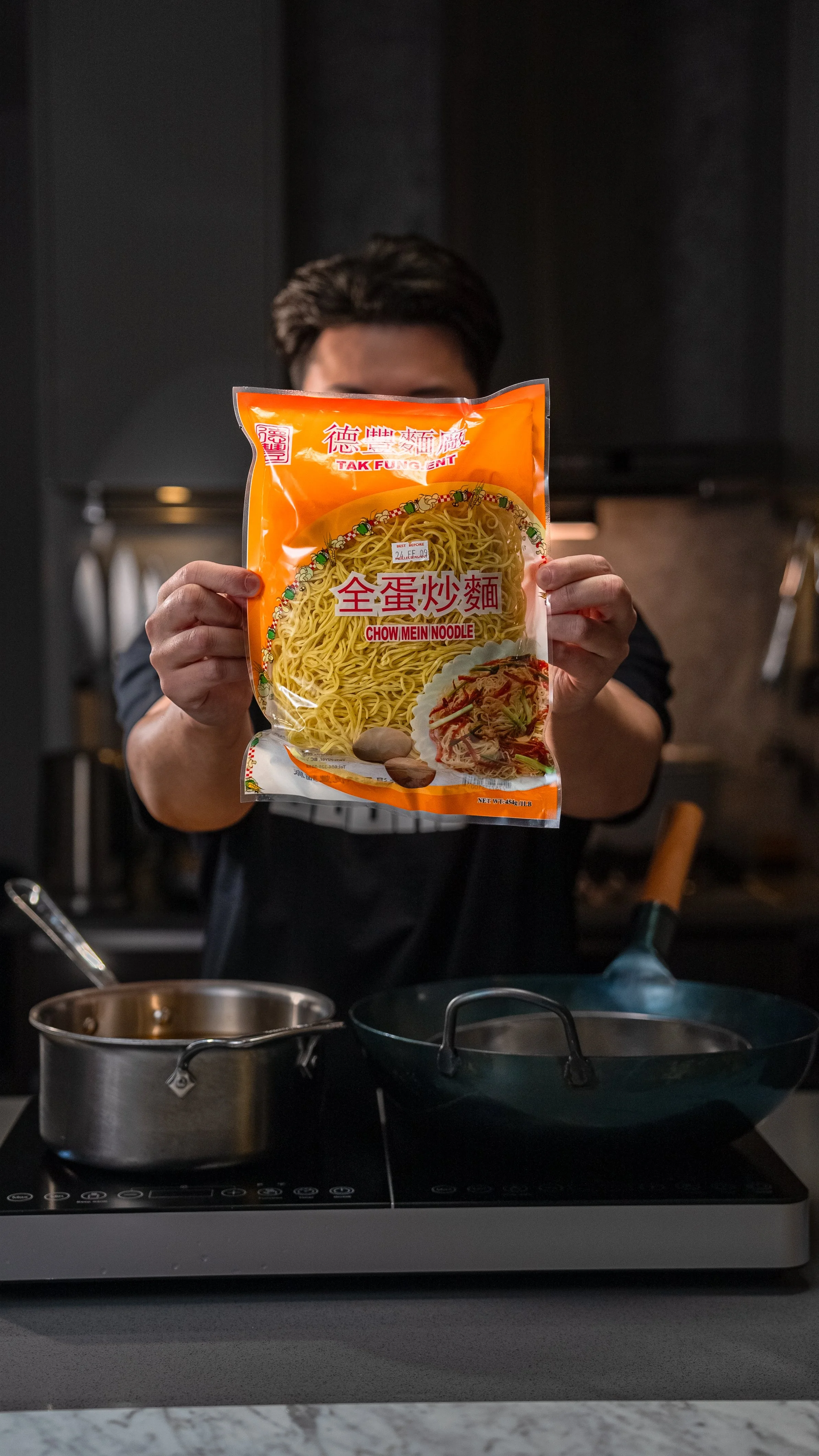
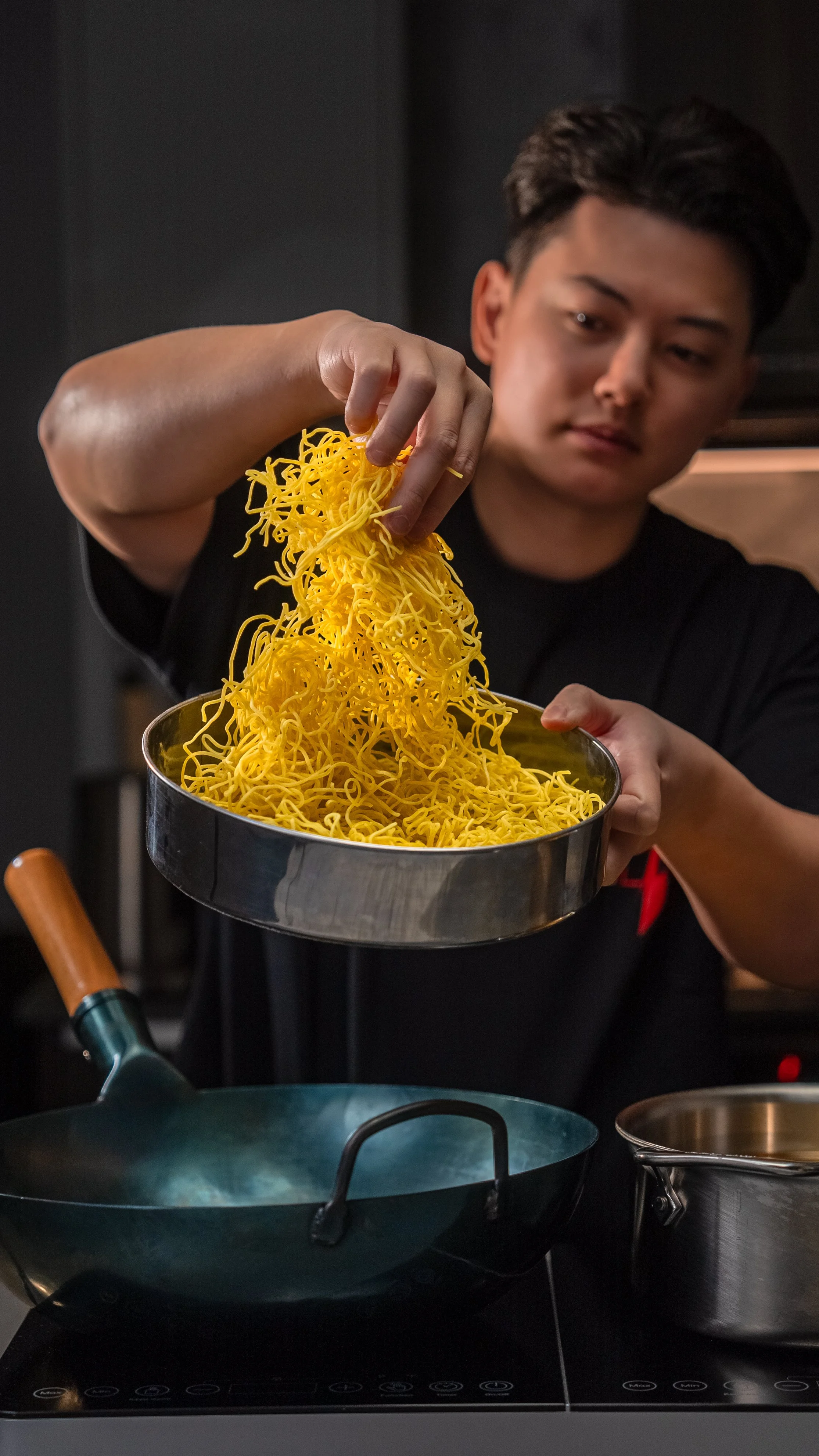
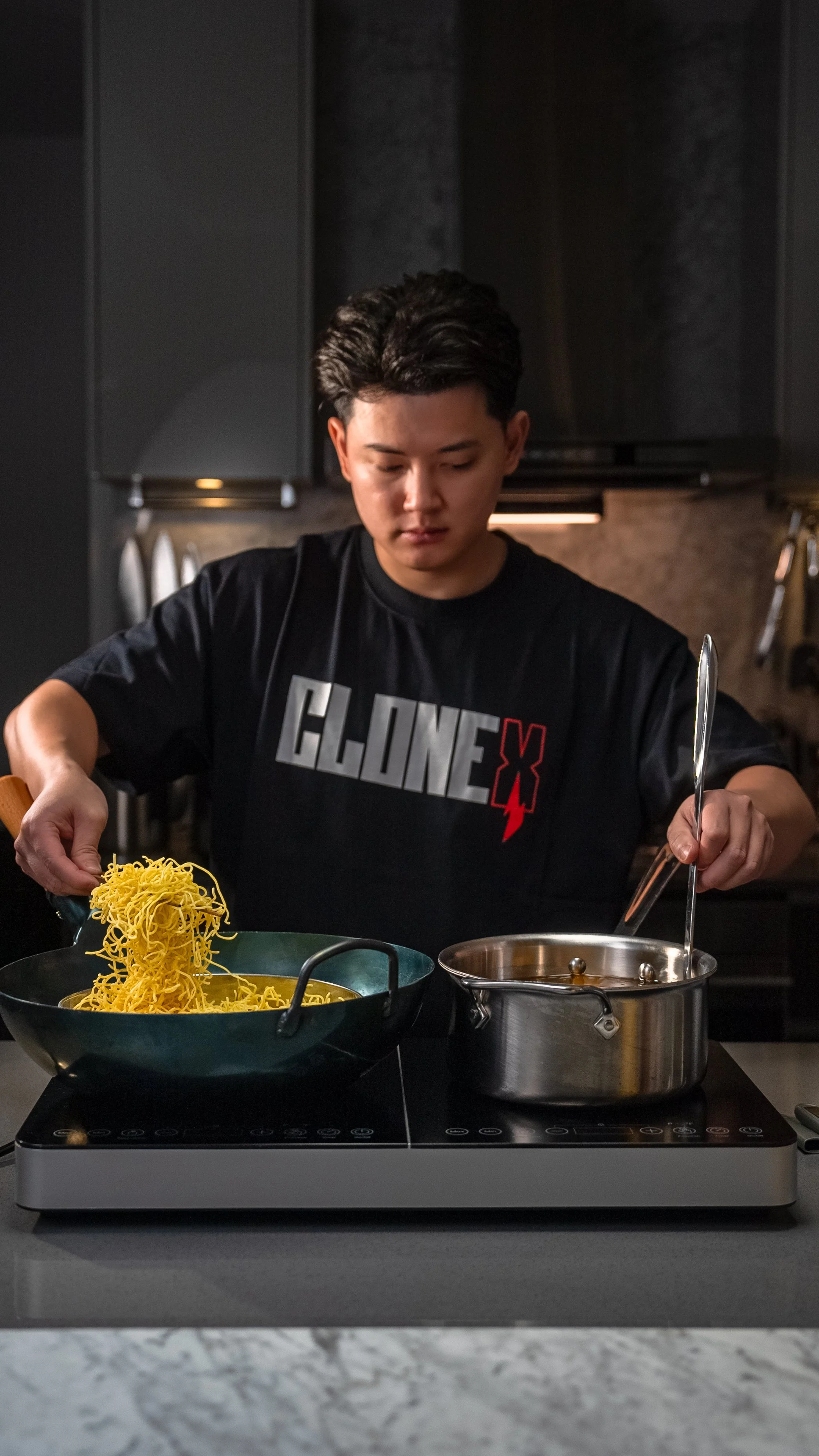
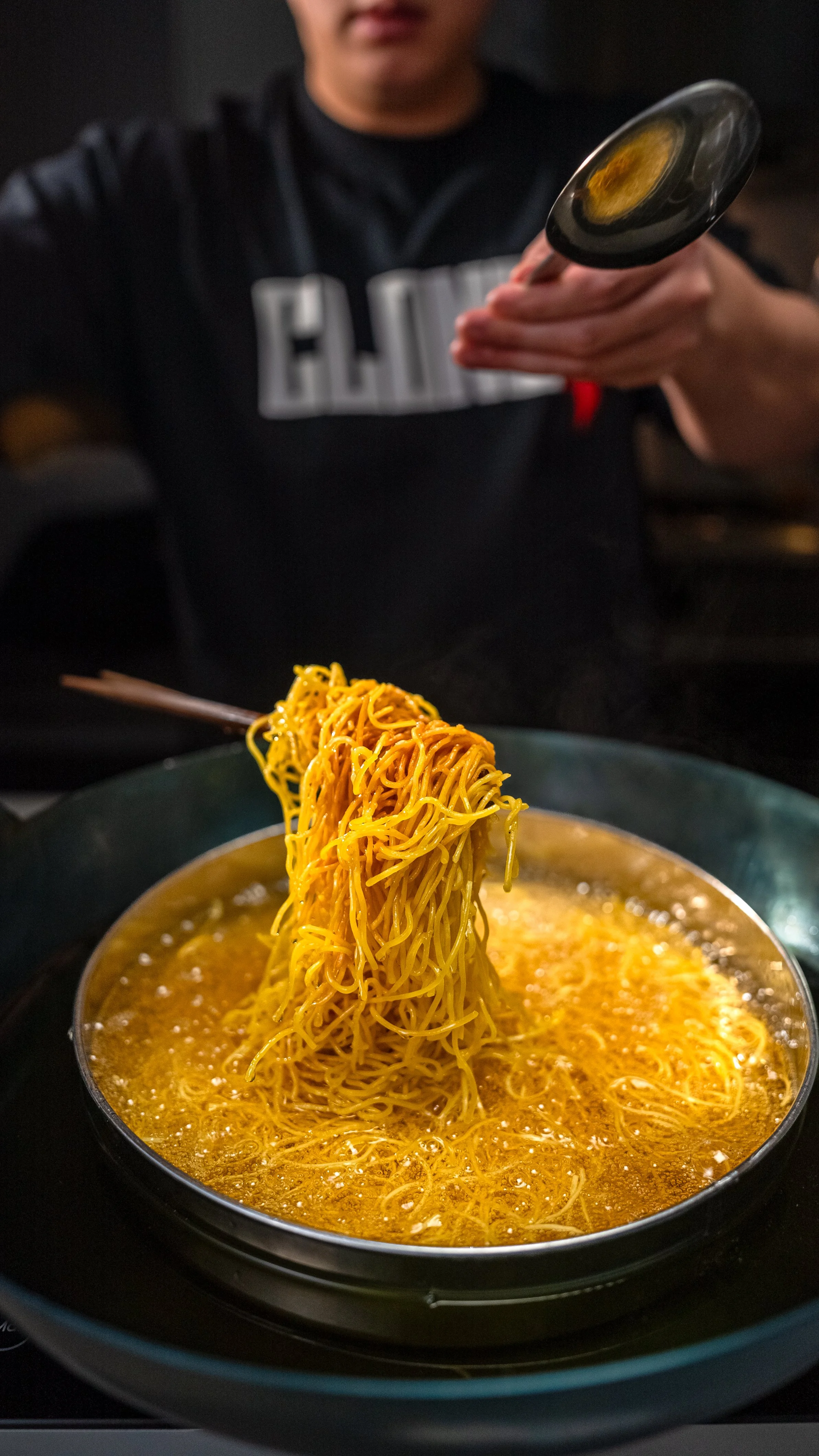
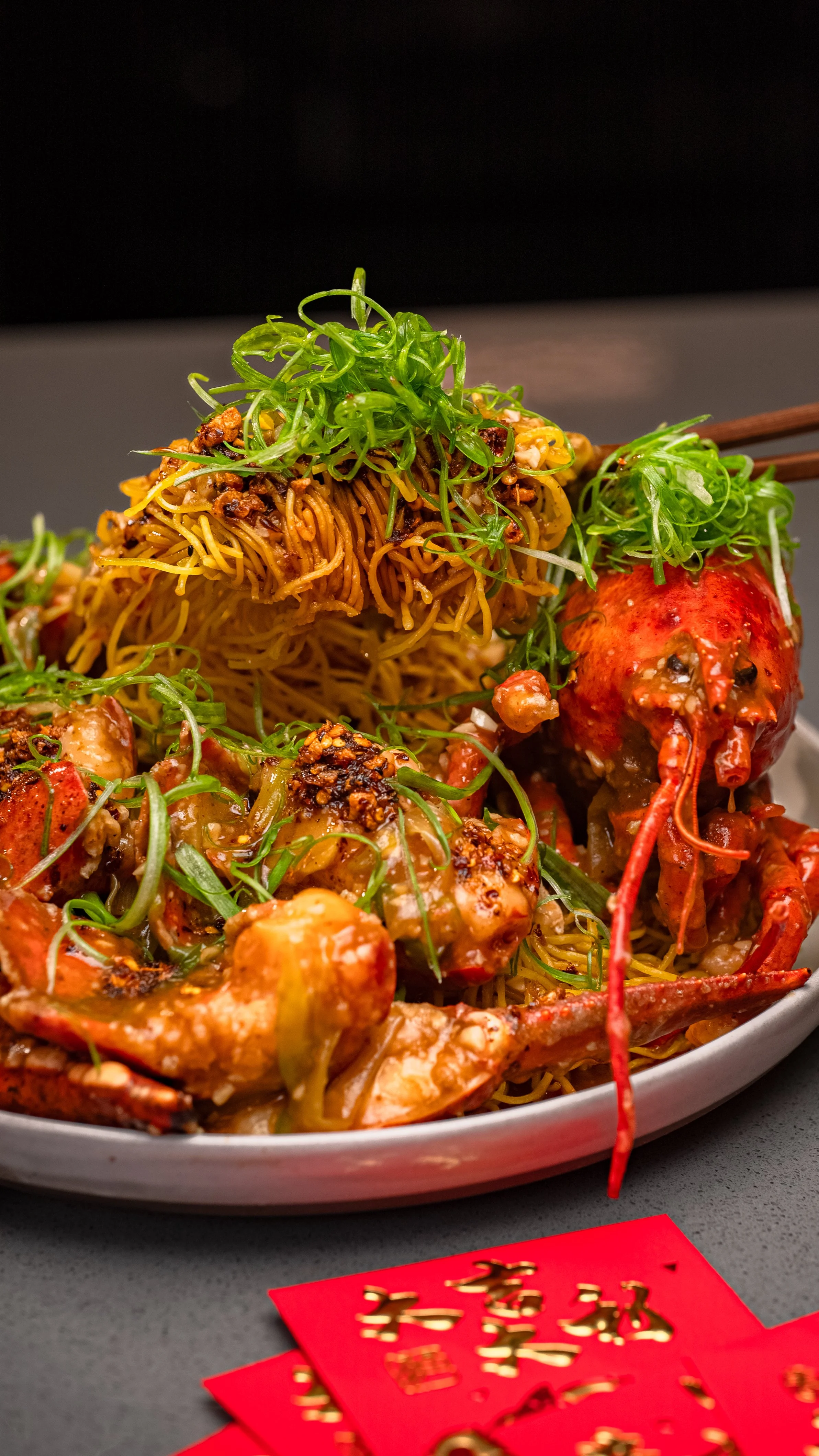
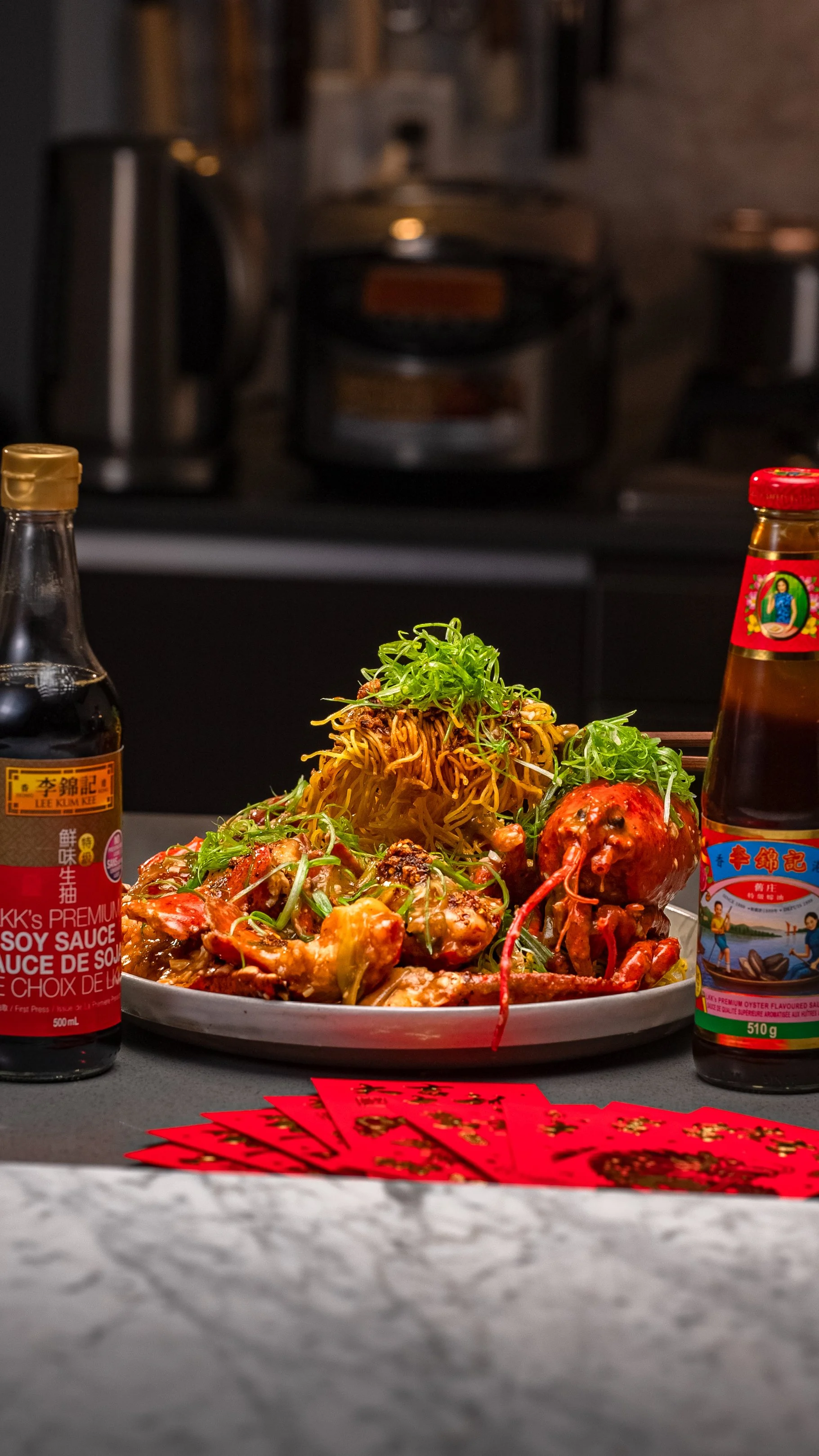
For presentation, the chow mein noodles are deep fried while held up with a pair of chopsticks so they crisp in place, giving the visual effect that the noodles are magically flying.
Key Ingredient?
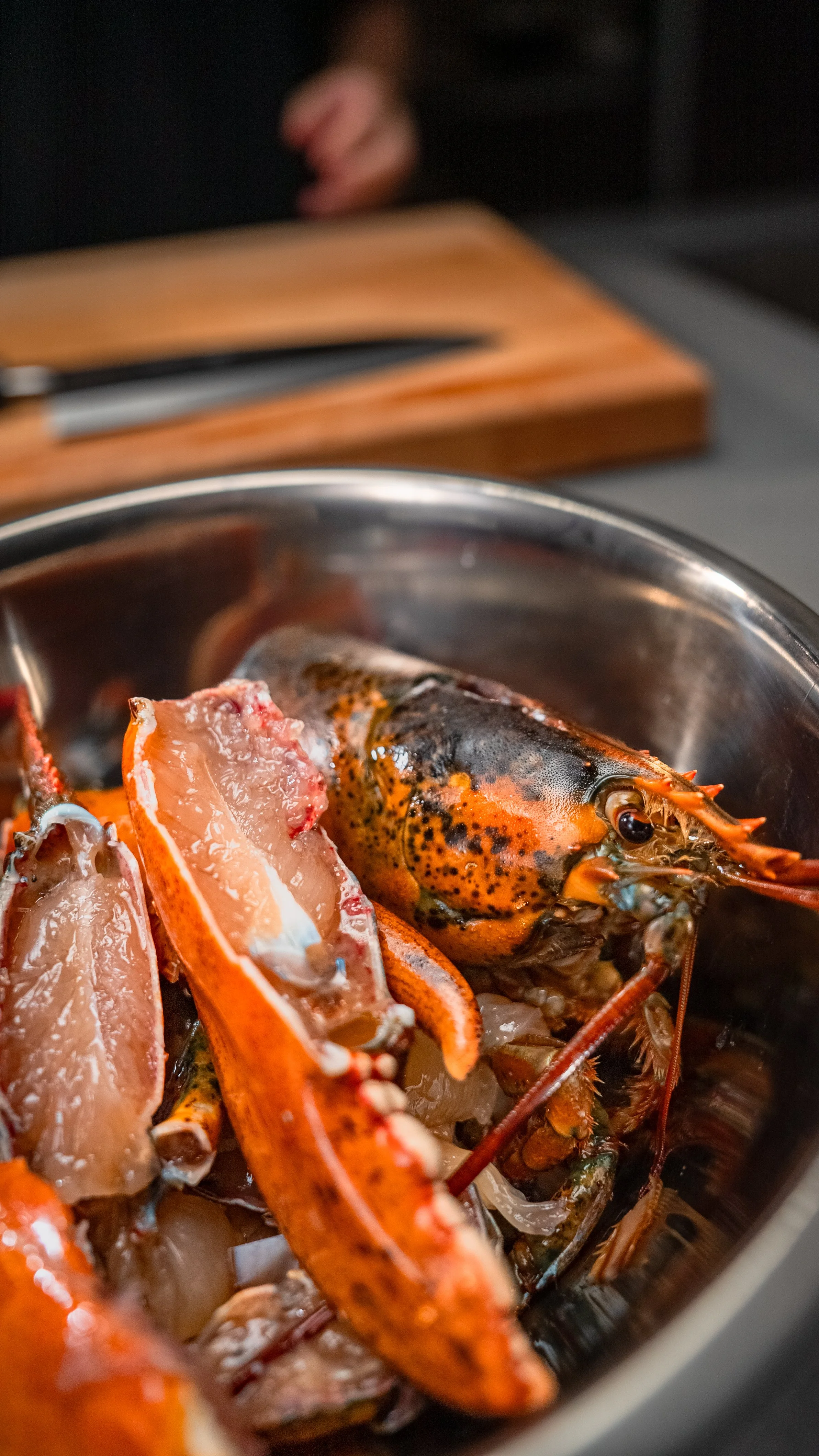
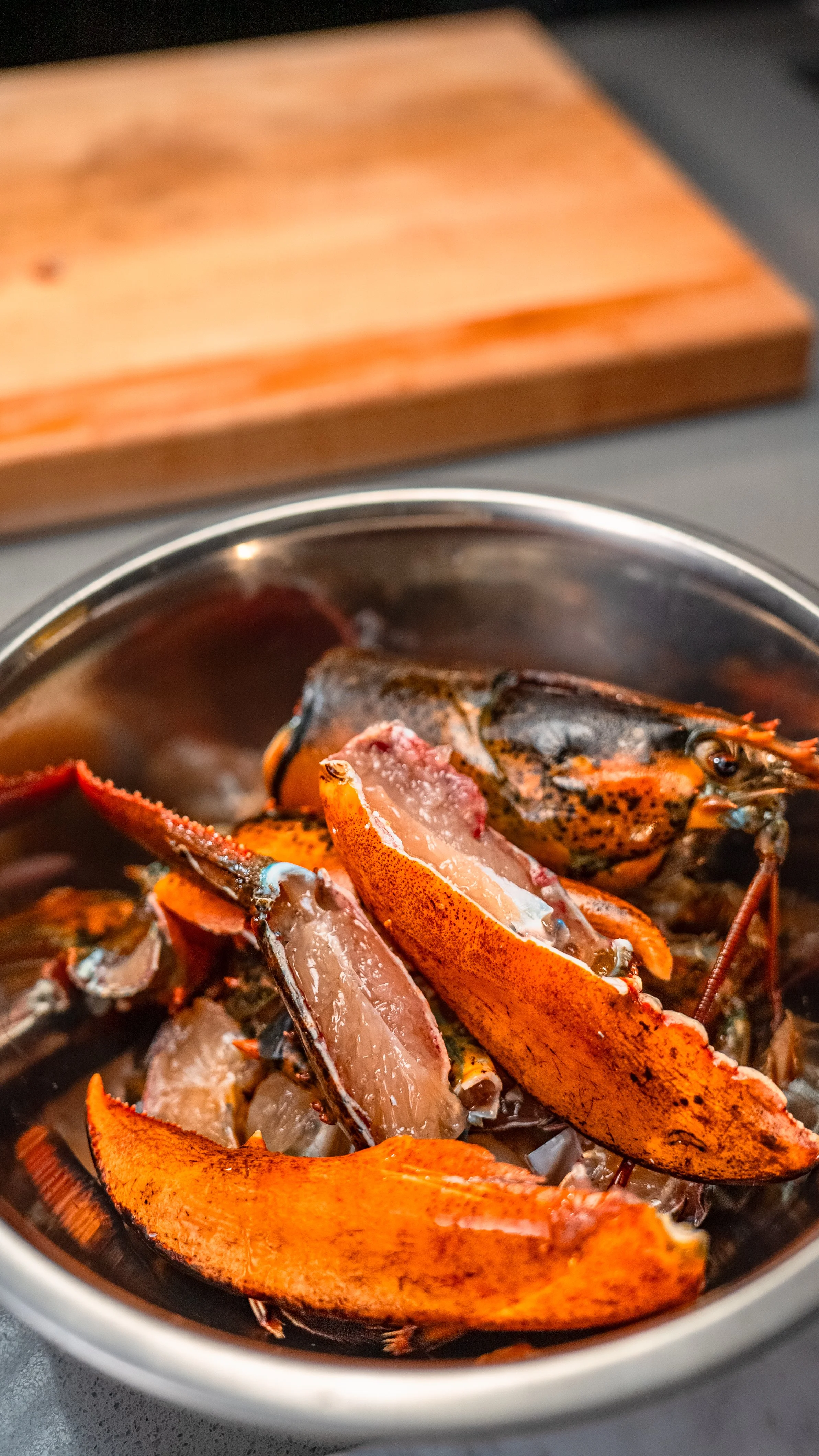
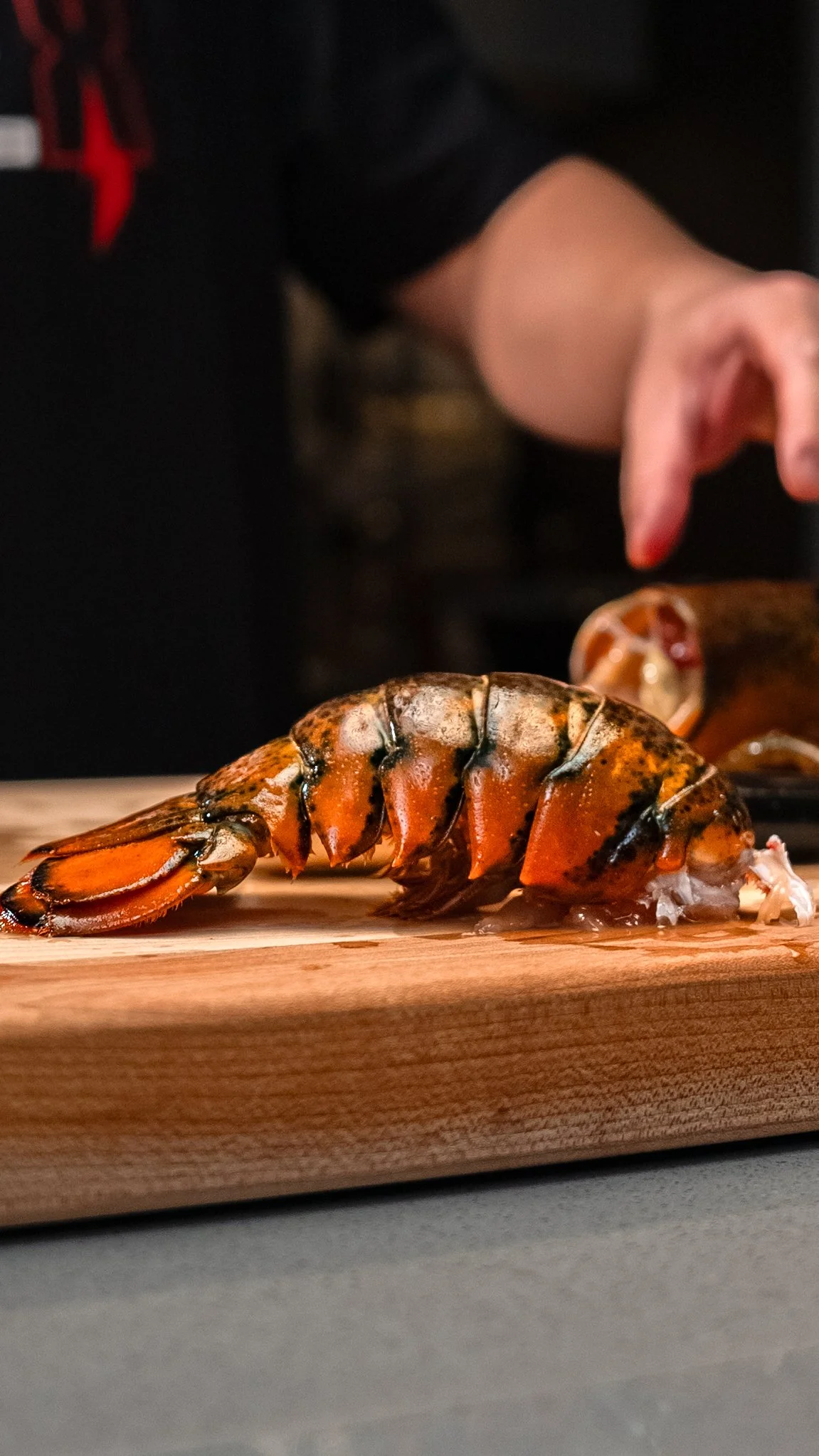
Lobster
Since it is the Year of the Dragon (2024), I decided to create this as one of my Chinese New Year dishes. I couldn’t find any dragon, so I used the next best thing, which is Lobster!
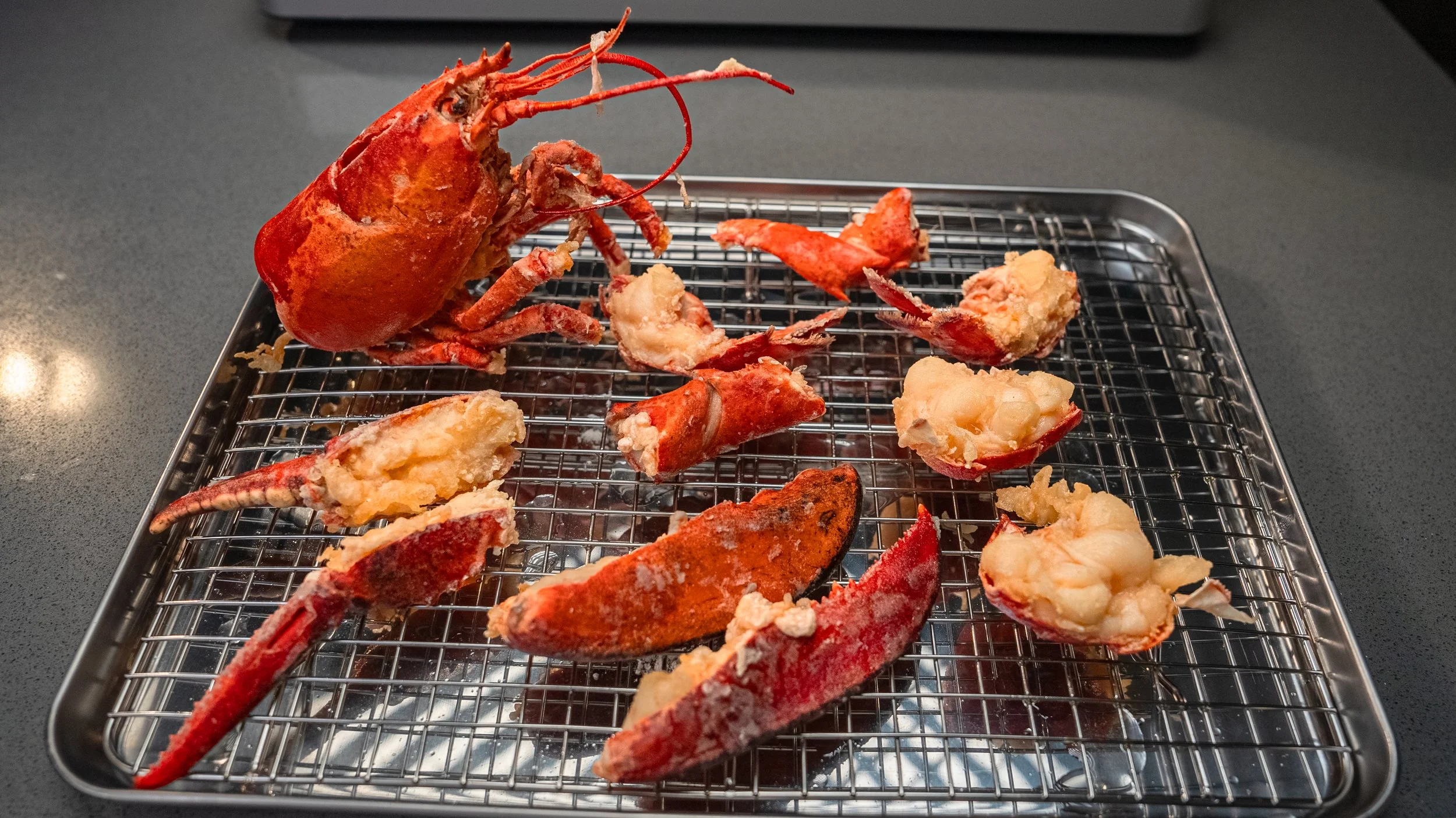
The Lobster is fresh, humanely dispatched, broken down, dry dredged, and beautifully deep fried to give it more texture and absorb the delicious special sauce you will get to learn in this recipe.

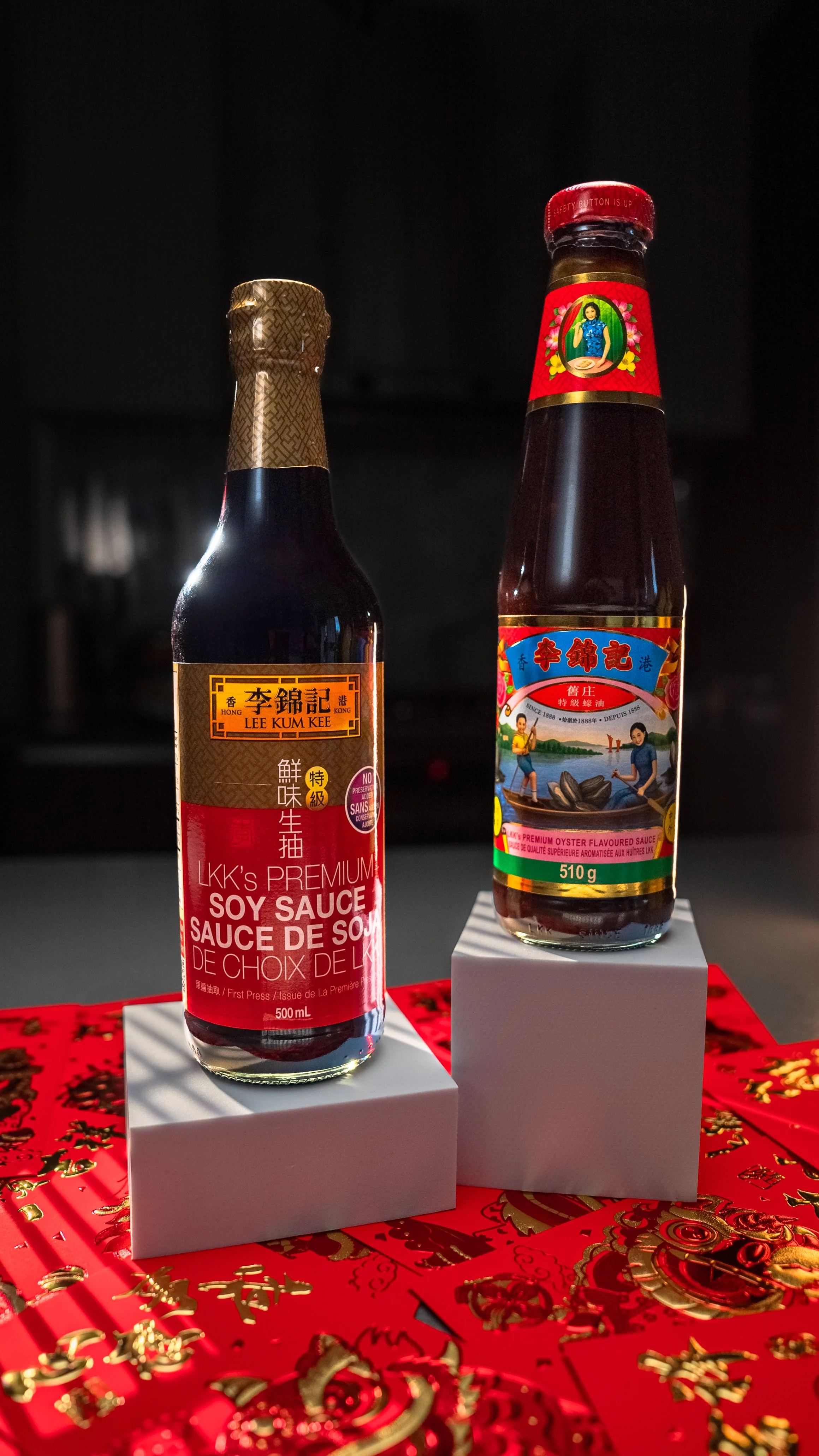
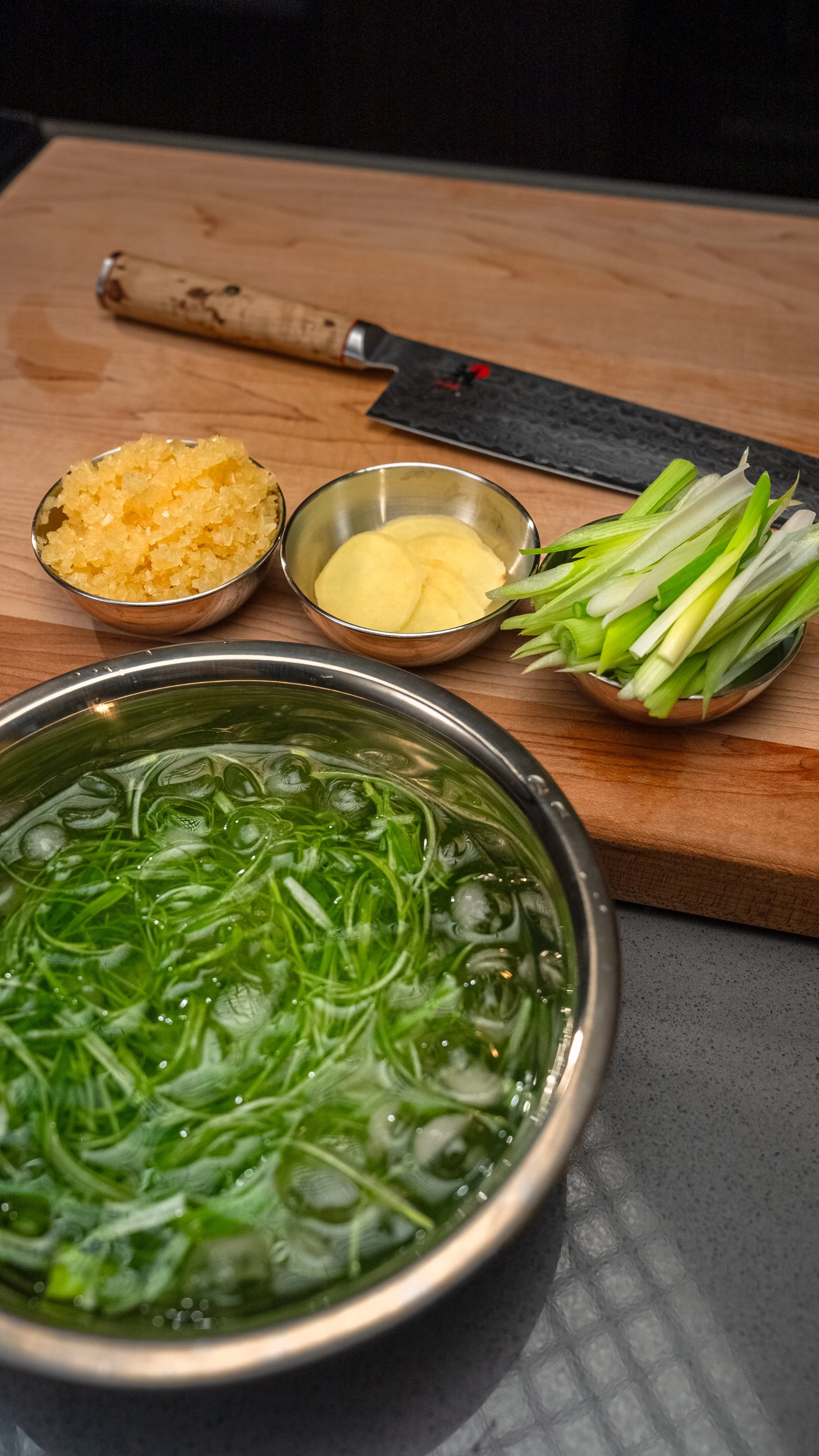
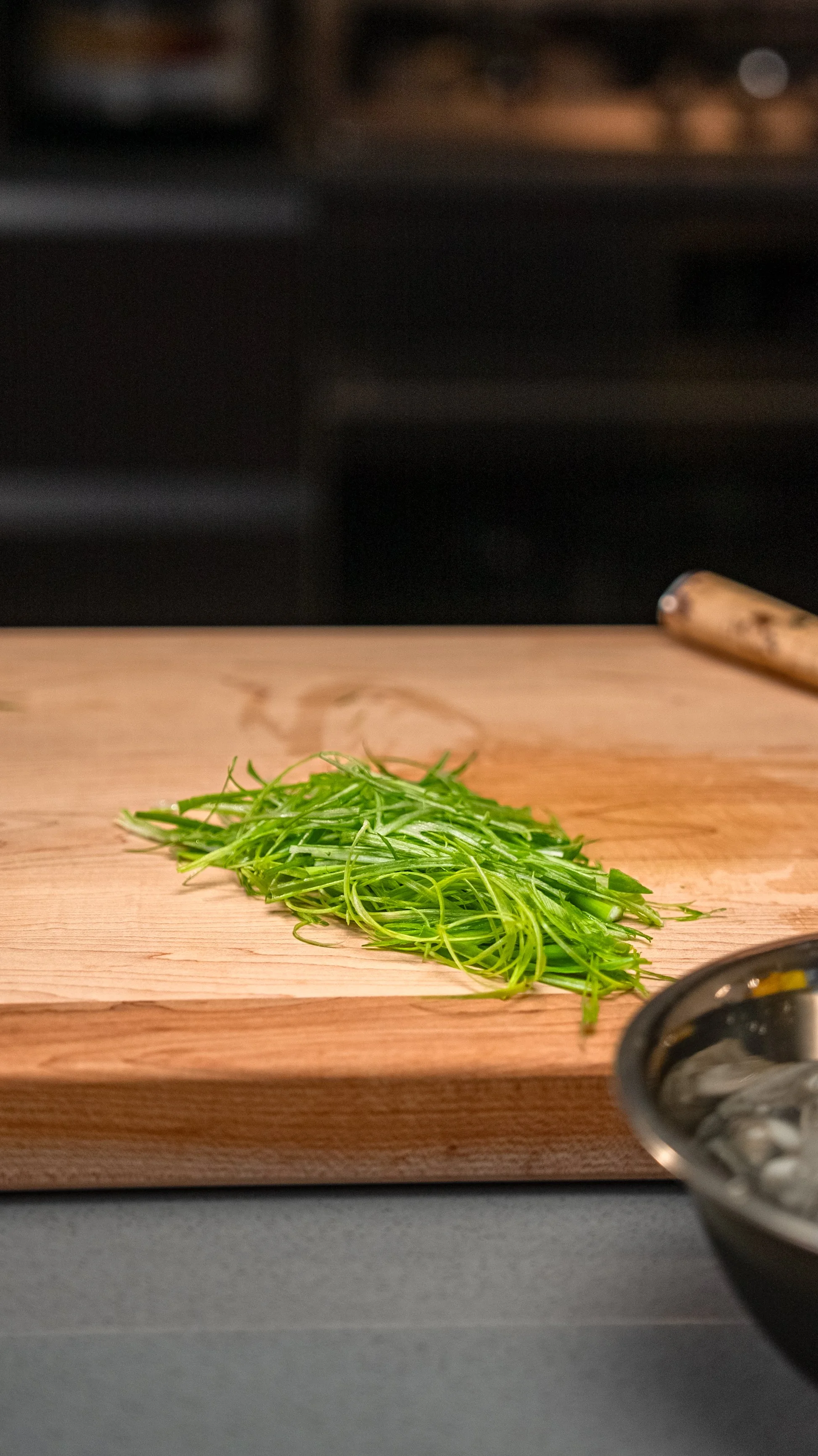
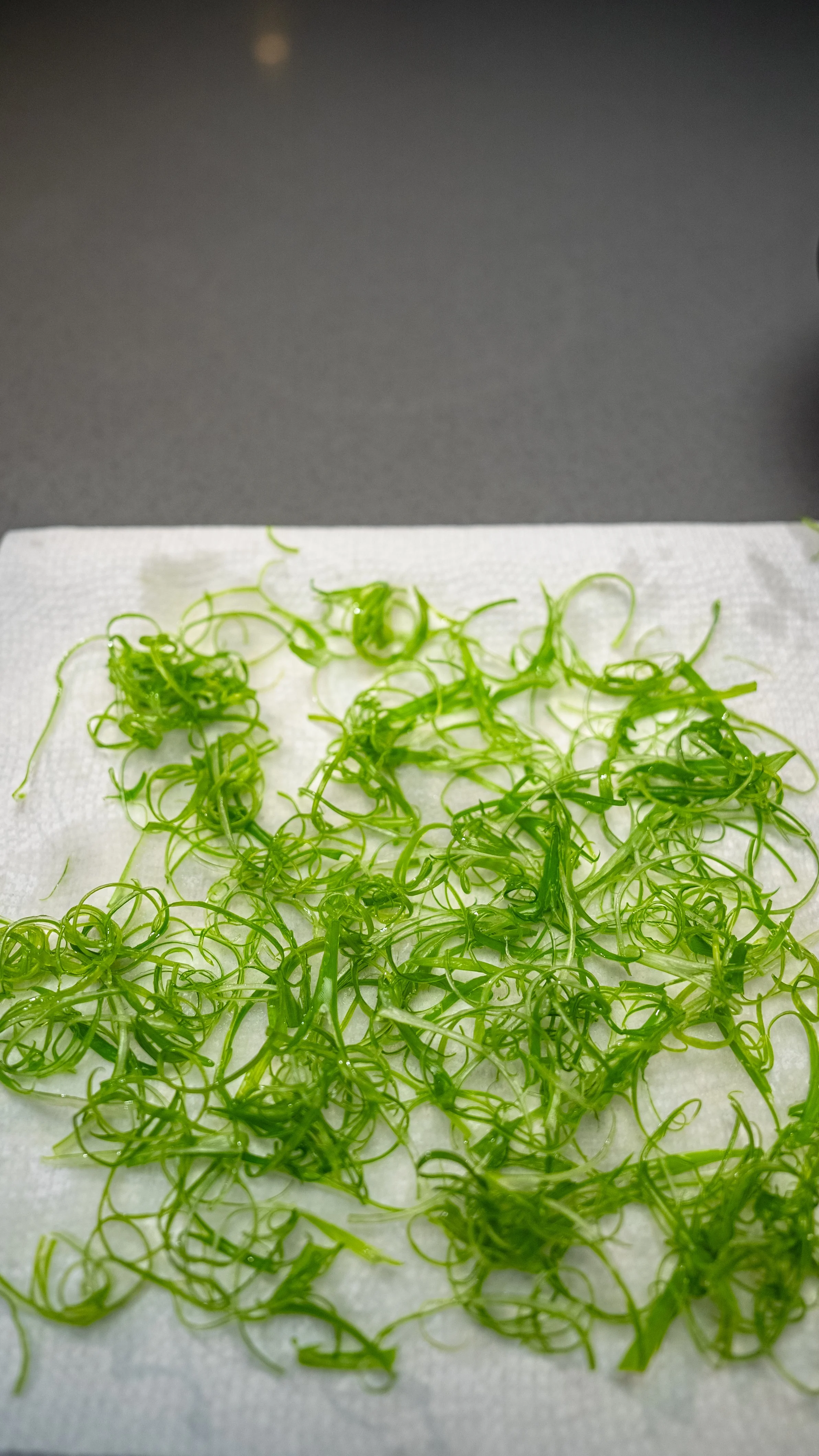
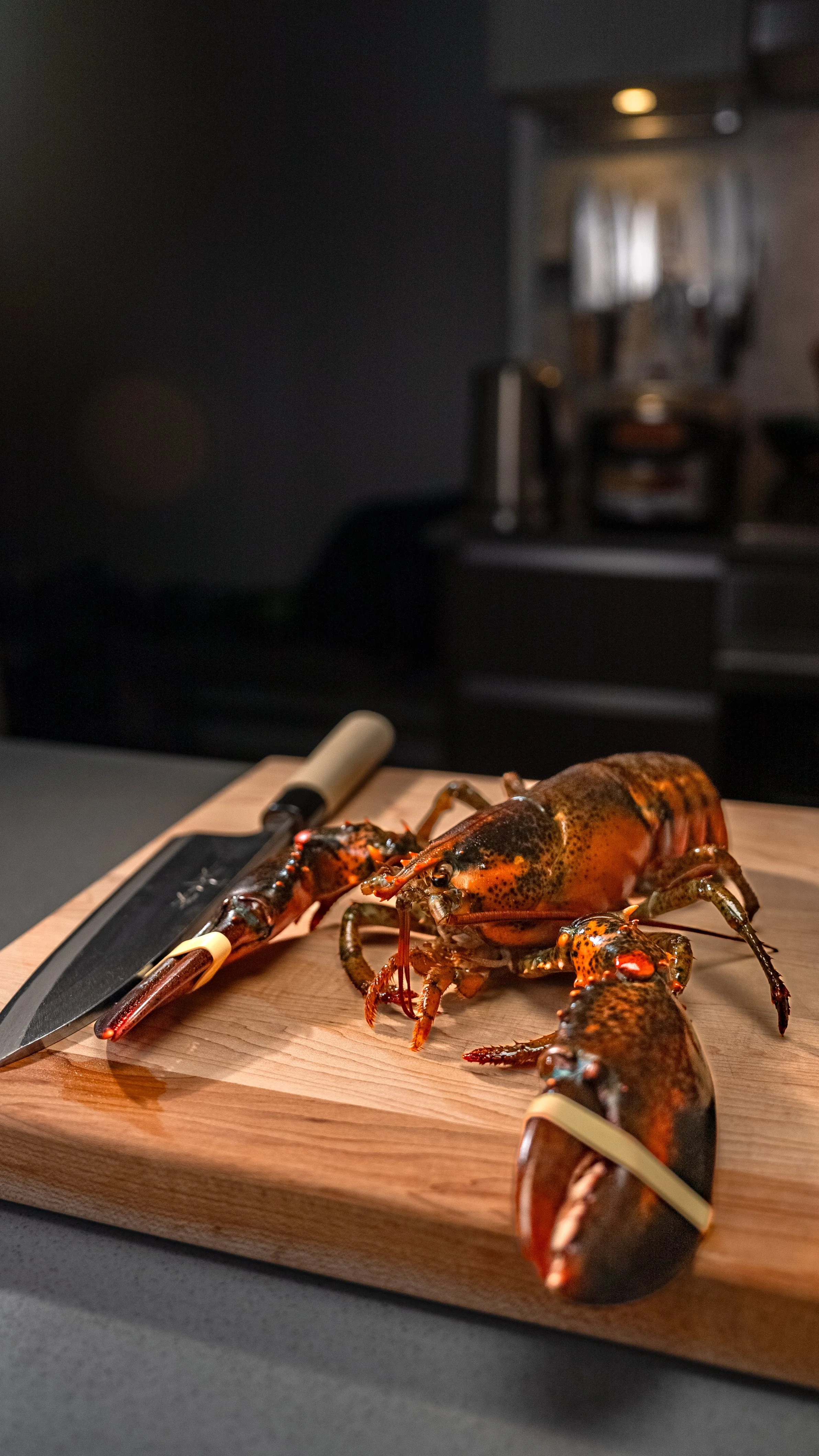
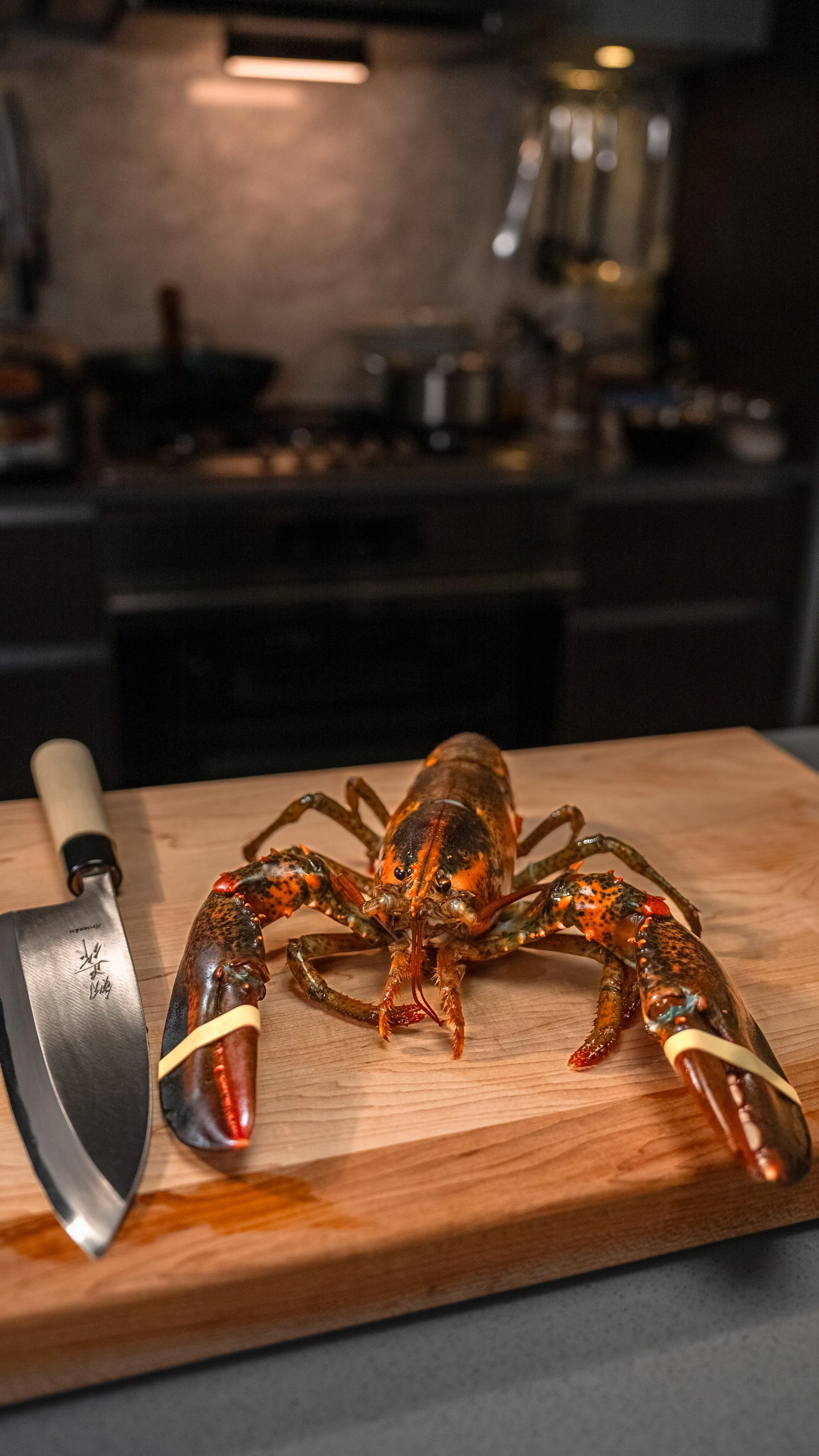
FAQs
What If I Don’t Have It?
See substitution suggestions above. For this recipe, the combination of all other ingredients is mandatory to create this flavorful dish.
Tips to keep my noodles flying?
Use a perforated or mesh strainer like demonstrated in the video.
Evenly spread out the noodles before ladling hot oil on top.
Baste the flying portion of the noodles while the bottom continues to fry to achieve an even fry.
After frying, let it cool down over a wire rack to drain excess oil. Cooling anything fried in hot oil on a rack gives a crispier result through carryover cooking.
Why don’t my noodles stay up?
Make sure you are using egg noodles as they will crisp up and hold their shape. The trick is to ladle super hot oil while holding the noodles in place to crisp up. Before pulling the noodles and deep frying, turn and twist using chopsticks to gain leverage. While ladling loose noodles, you may have some of the noodles fall off if you don’t have a good grip.
Should I dispatch the lobster first?
The decision to dispatch (humanely kill) a lobster before cooking is a matter of personal preference, ethical considerations, and local regulations. Some people choose to dispatch lobsters before cooking to minimize potential suffering, while others cook them alive following traditional culinary practices.
If you decide to dispatch a lobster before cooking, there are humane methods recommended by various animal welfare organizations. The most widely accepted method involves chilling the lobster in the freezer for about 15-20 minutes to induce a state of torpor, followed by a quick, sharp knife insertion at a specific point on the head to kill it swiftly.
If you are uncomfortable with the idea of dispatching a lobster yourself, many seafood markets and restaurants offer to do this for customers upon request.
It's important to note that the topic of dispatching lobsters is a subject of ethical debate, and opinions may vary. If you have concerns about the ethics of cooking live lobsters or are unsure about the local regulations, it's advisable to seek guidance from local authorities, ethical sources, or engage with seafood providers who adhere to humane practices.
Always prioritize humane and ethical considerations in your culinary practices, and be aware of any relevant regulations or guidelines in your area.
Why do I need to dredge the lobster?
Dry dredging lobster before tossing it in sauce is a culinary technique that aims to achieve a harmonious balance of textures and flavors. It ensures a crispy exterior, helps the sauce adhere to the lobster, and maintains the desired texture of the dish.
Other Restaurant Inspired Recipes
Restaurant Inspired (Cactus Club Cafe, Mui Garden, Nobu, Phnom Penh Restaurant, The Lunch Lady)
Love the recipe?
Make sure to follow me on Instagram, TikTok, YouTube, and Pinterest to stay up to date with all of my content!
Sign up for my free newsletter to receive cooking tips & recipe updates!
If you made this recipe, send me a picture and tag it with #W2Recipes.
I would love to see your re-creations on Instagram @willhkwong.
If you liked this recipe, Pin it to Pinterest! 👇🏻


A salmon mosaic typically refers to a dish where salmon fillets are arranged in a decorative or artistic pattern,…