
This post may contain affiliate links. Please read my disclosure policy for details.
As an Amazon Associate, I earn from qualifying purchases.
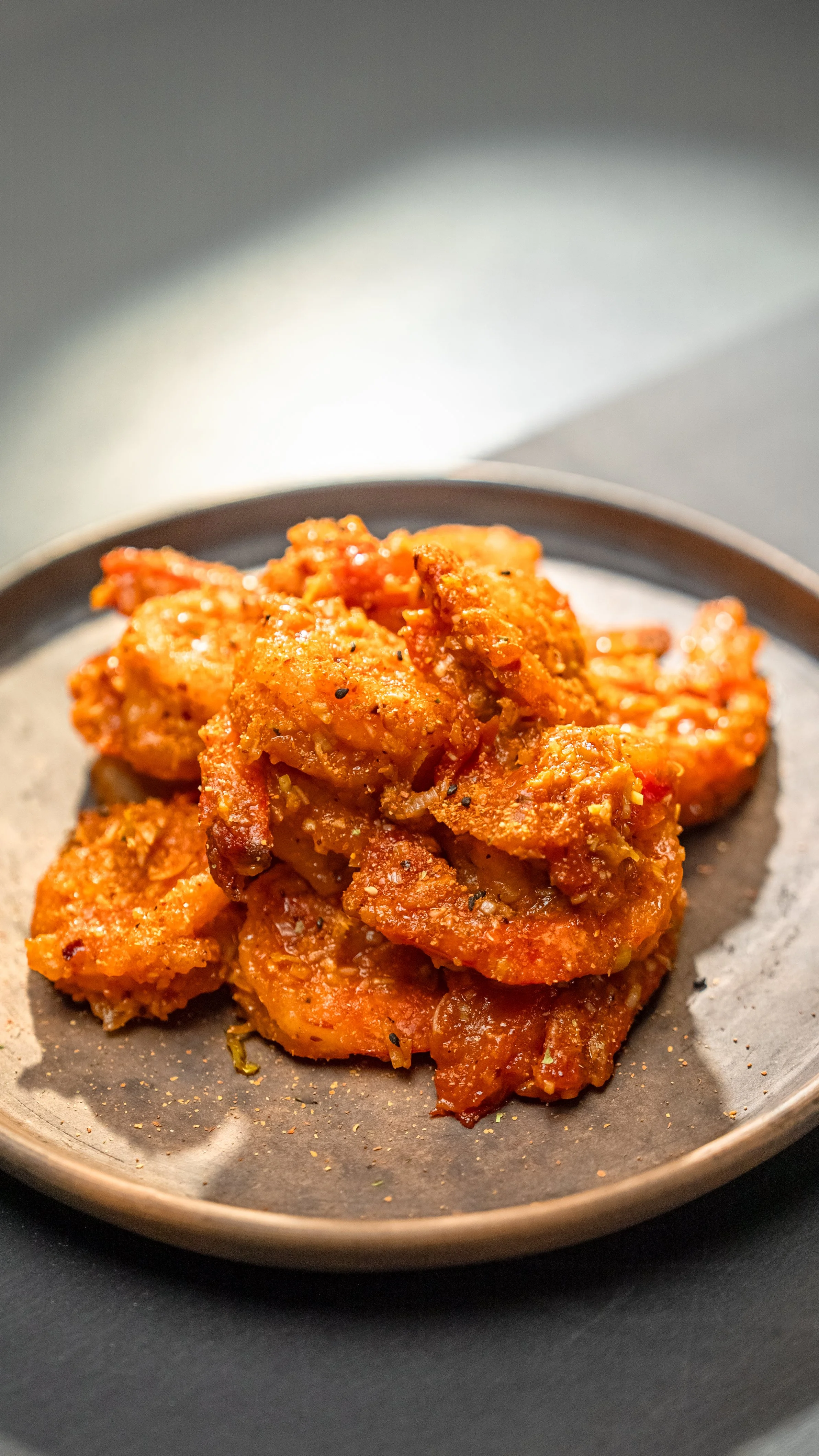
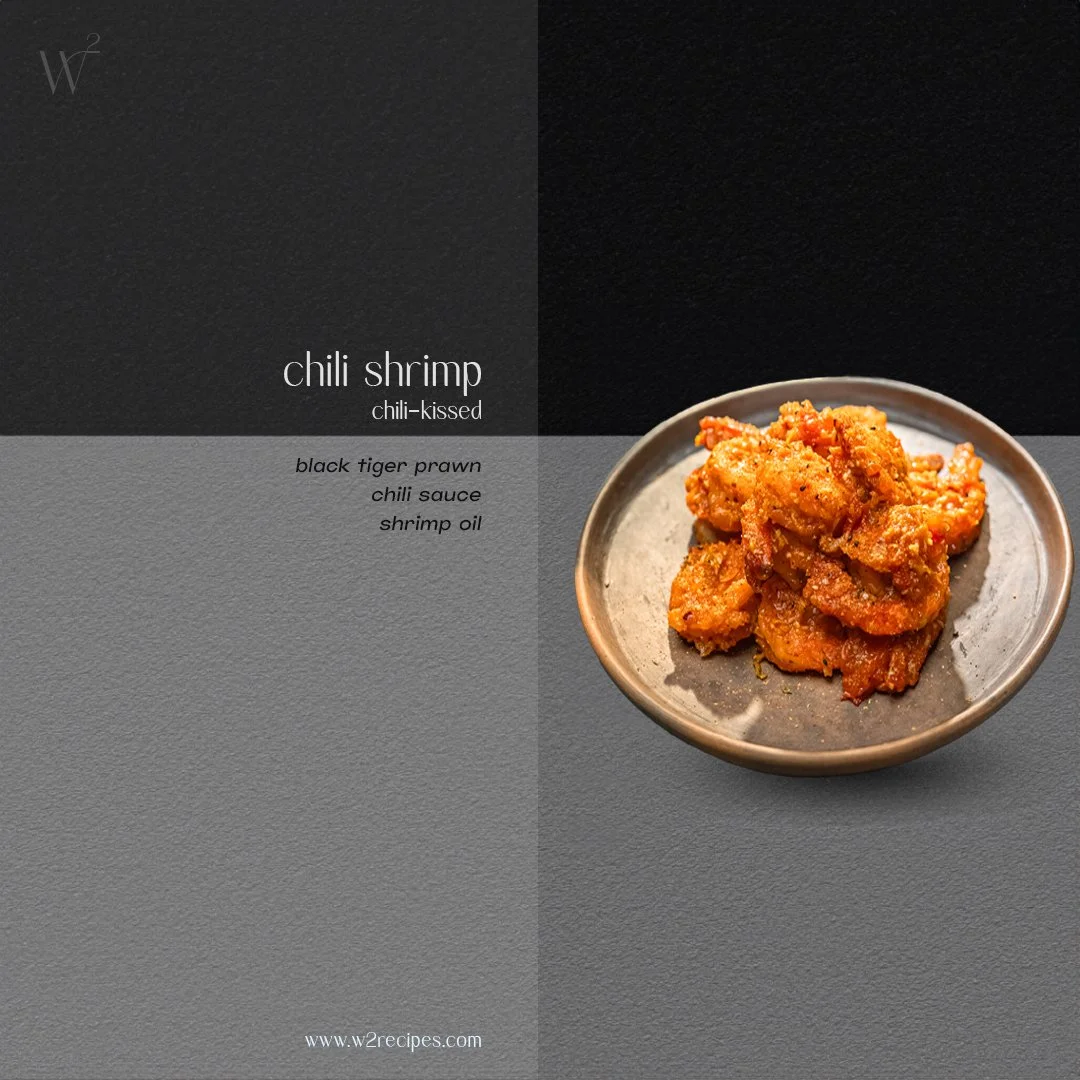

What is Chili Shrimp?
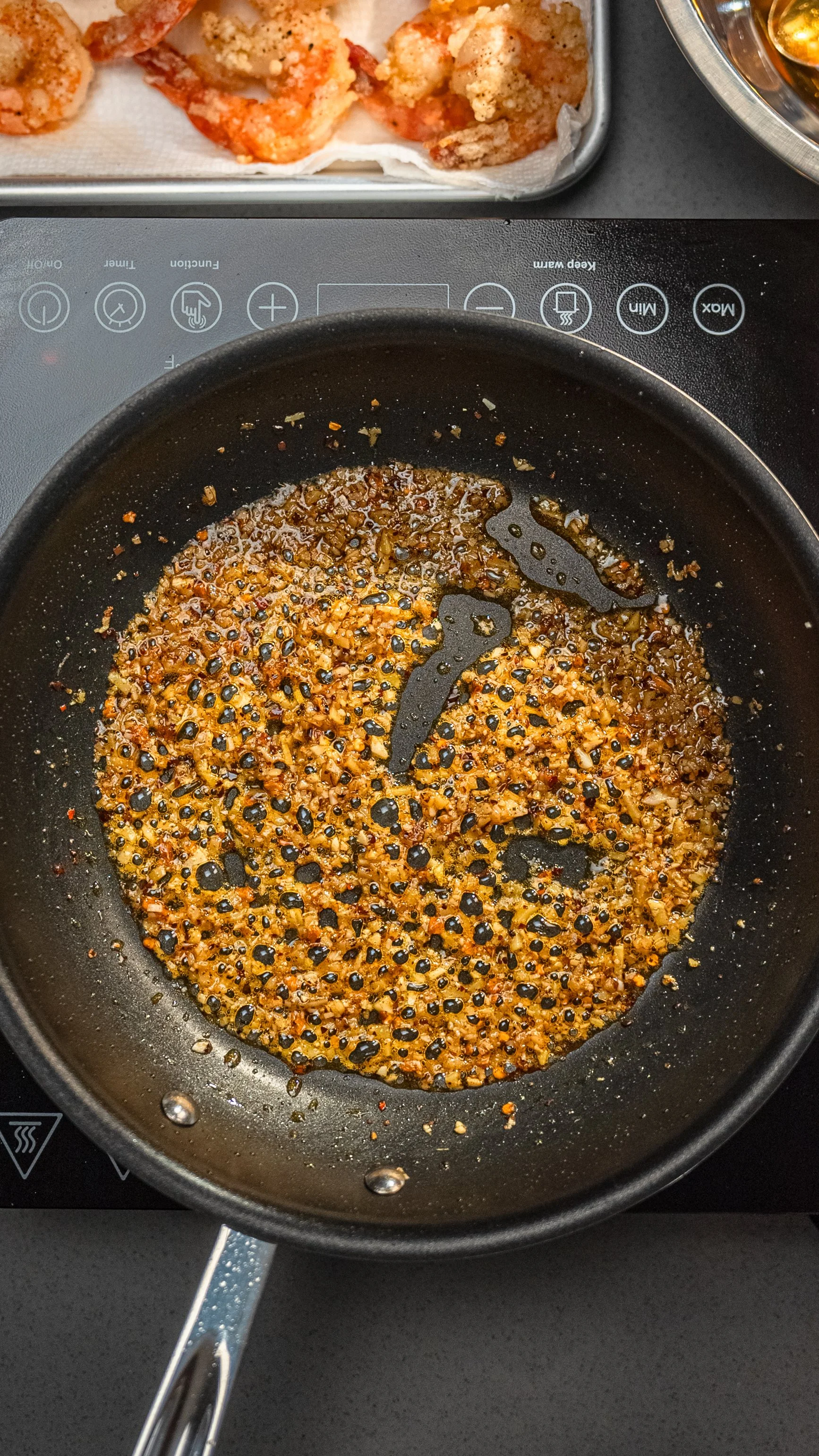
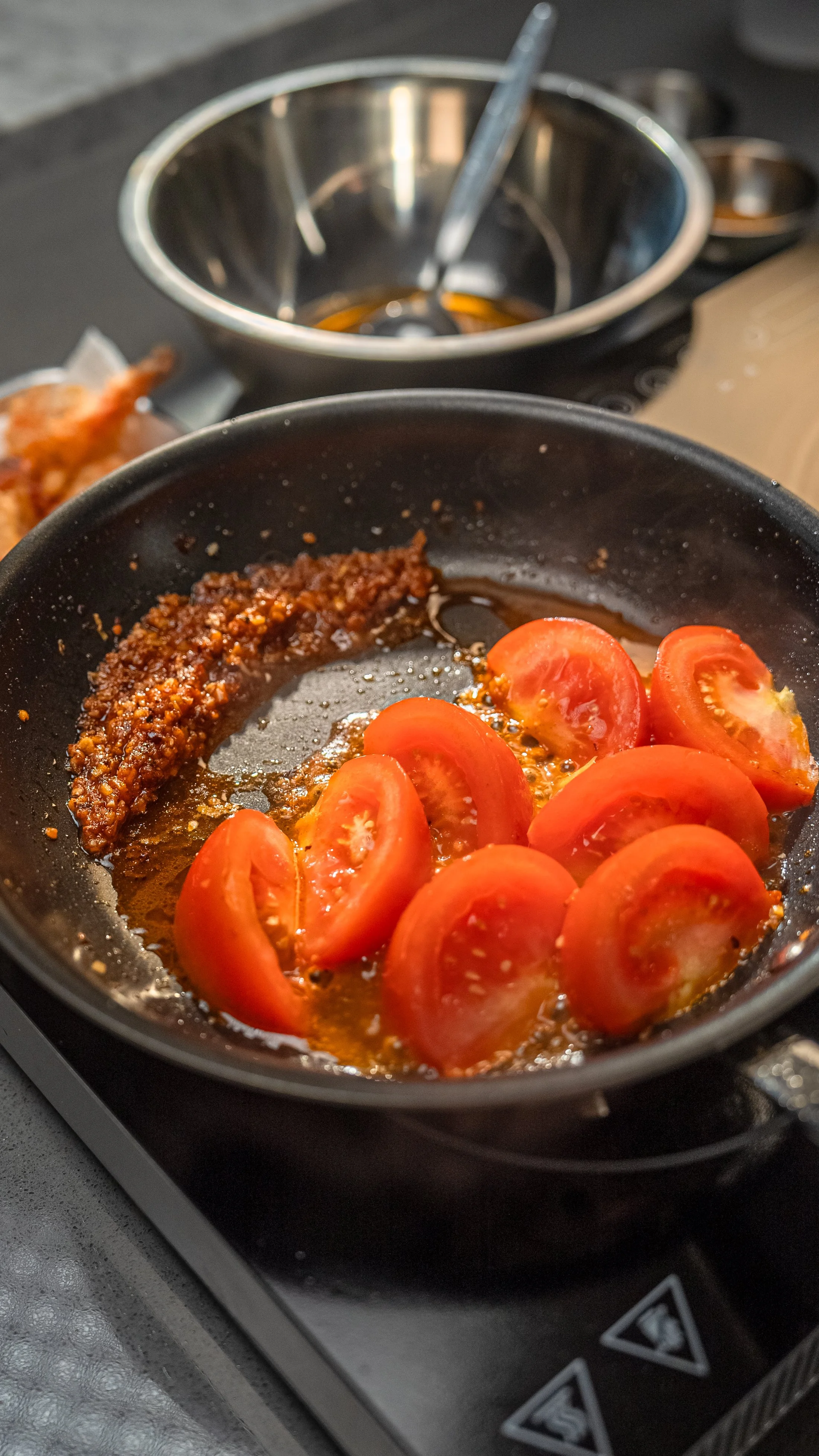
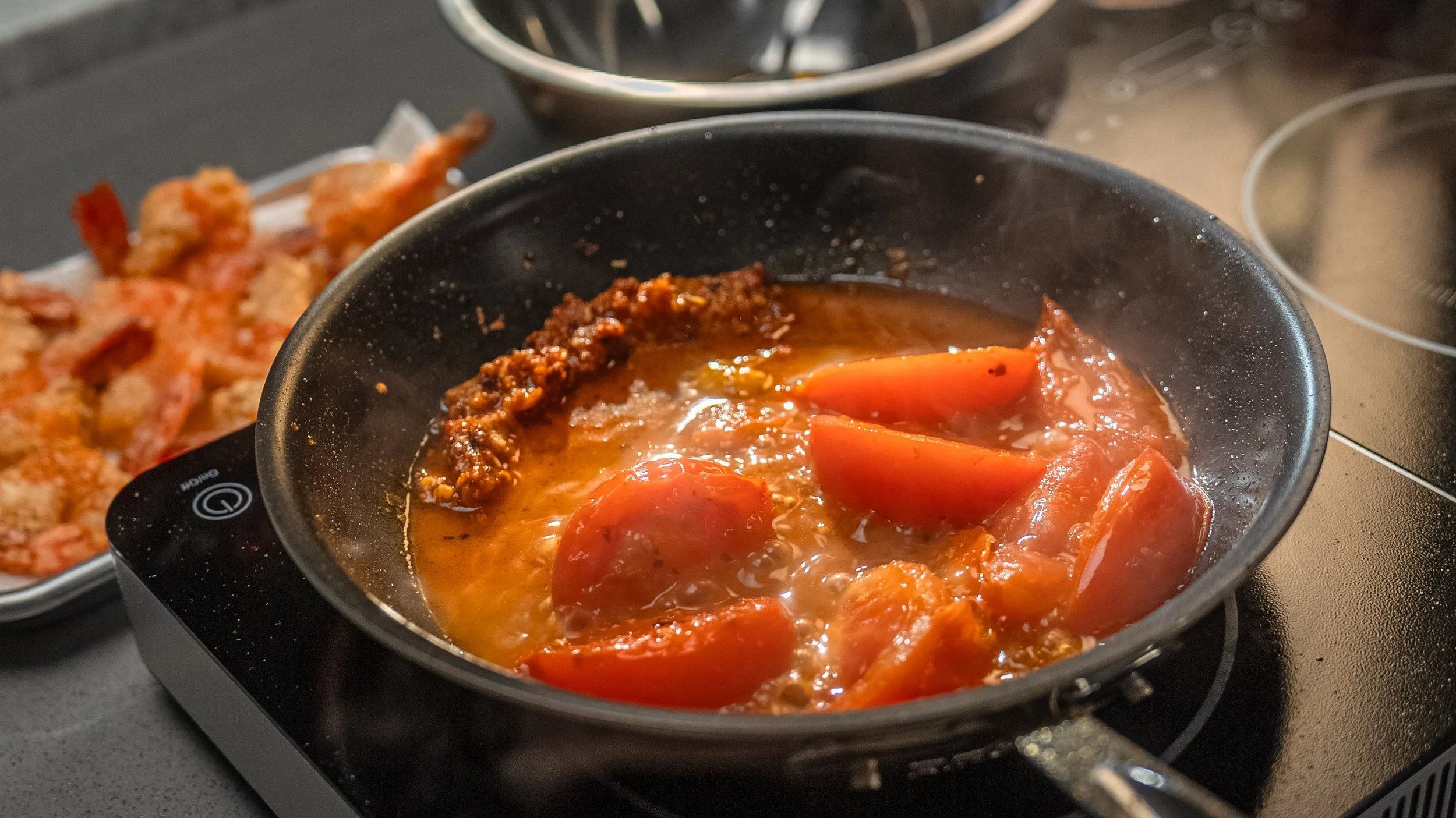
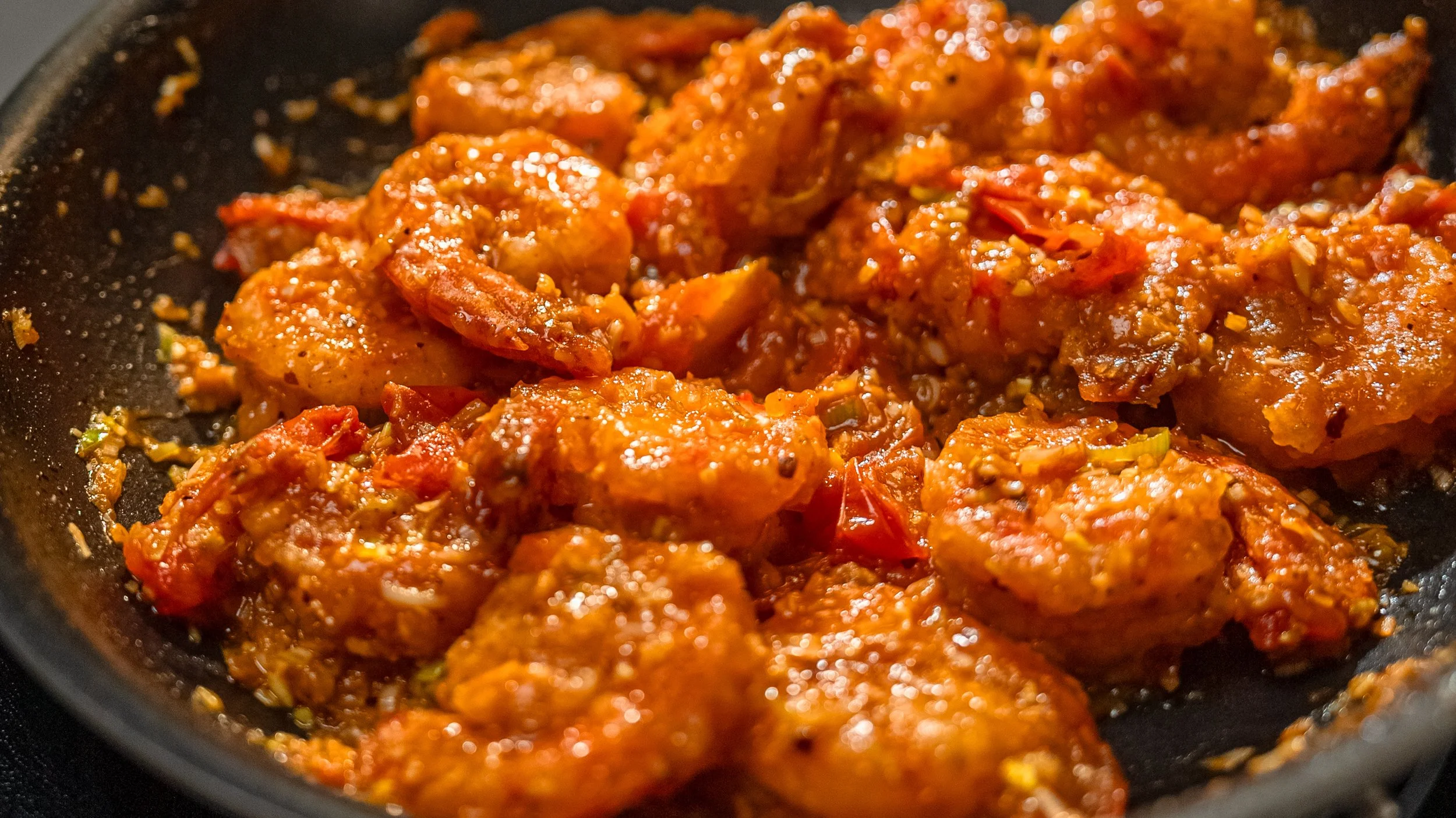
Chili shrimp is a flavorful dish featuring shrimp cooked with a spicy chili-based sauce. The dish typically includes ingredients such as garlic, ginger, chili oil, soy sauce, and sometimes other flavorings like lemon juice or tomato. The shrimp are often either fried or stir-fried and then tossed in the chili sauce, allowing them to absorb the spicy flavors and creating a dish that is both fiery and delicious.
Chili shrimp can be customized to suit different tastes and spice levels, with the amount of chili oil or other spicy ingredients adjusted according to preference. It's a popular dish in various cuisines, including Chinese, Thai, and Vietnamese, and is often served as part of a larger meal alongside rice or noodles and vegetables.
Overall, chili shrimp is a mouthwatering dish that combines the succulence of shrimp with the bold flavors of chili and other spices, creating a dish that is sure to tantalize the taste buds of anyone who enjoys a bit of heat in their food.
Key Ingredient?
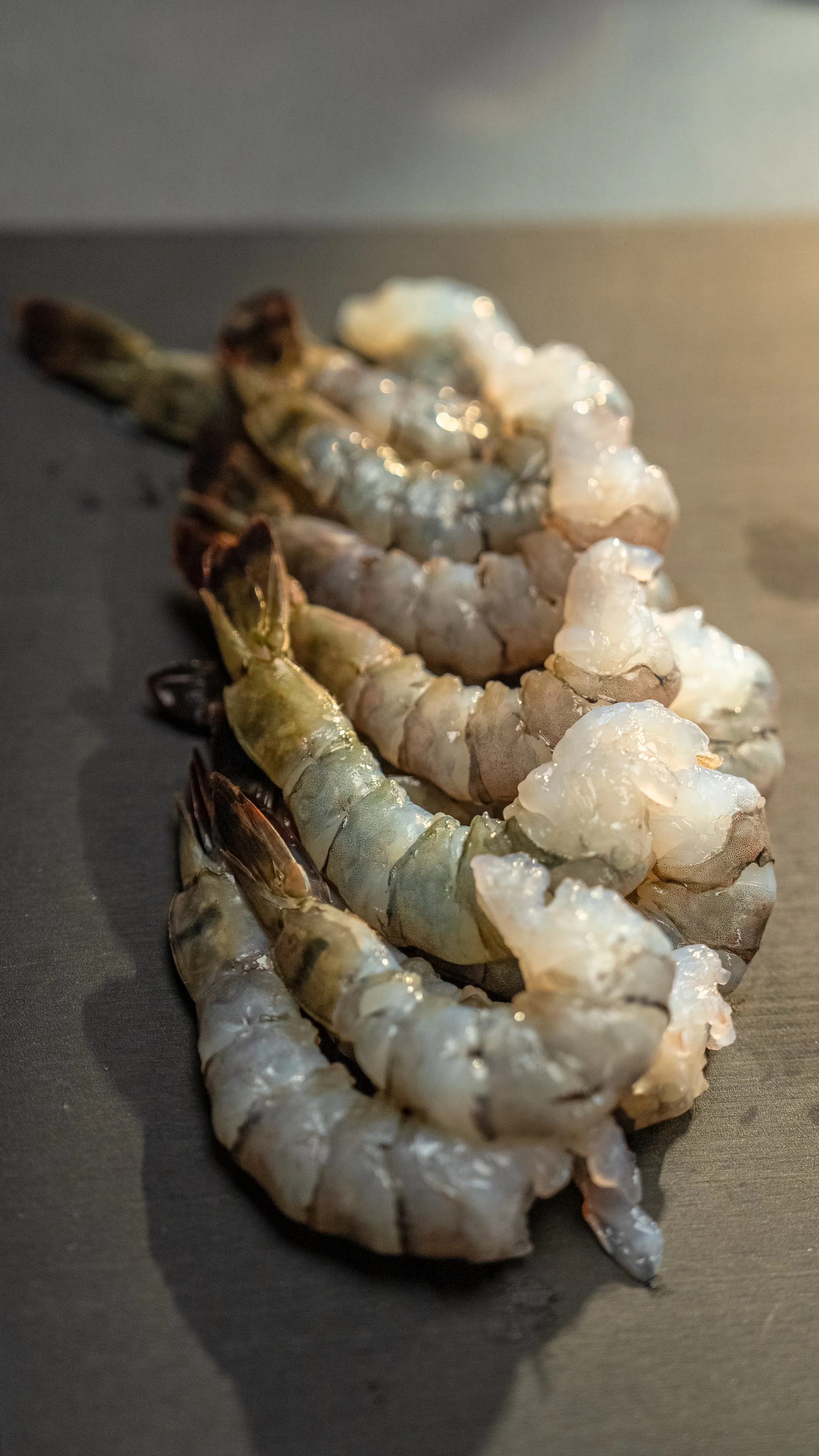
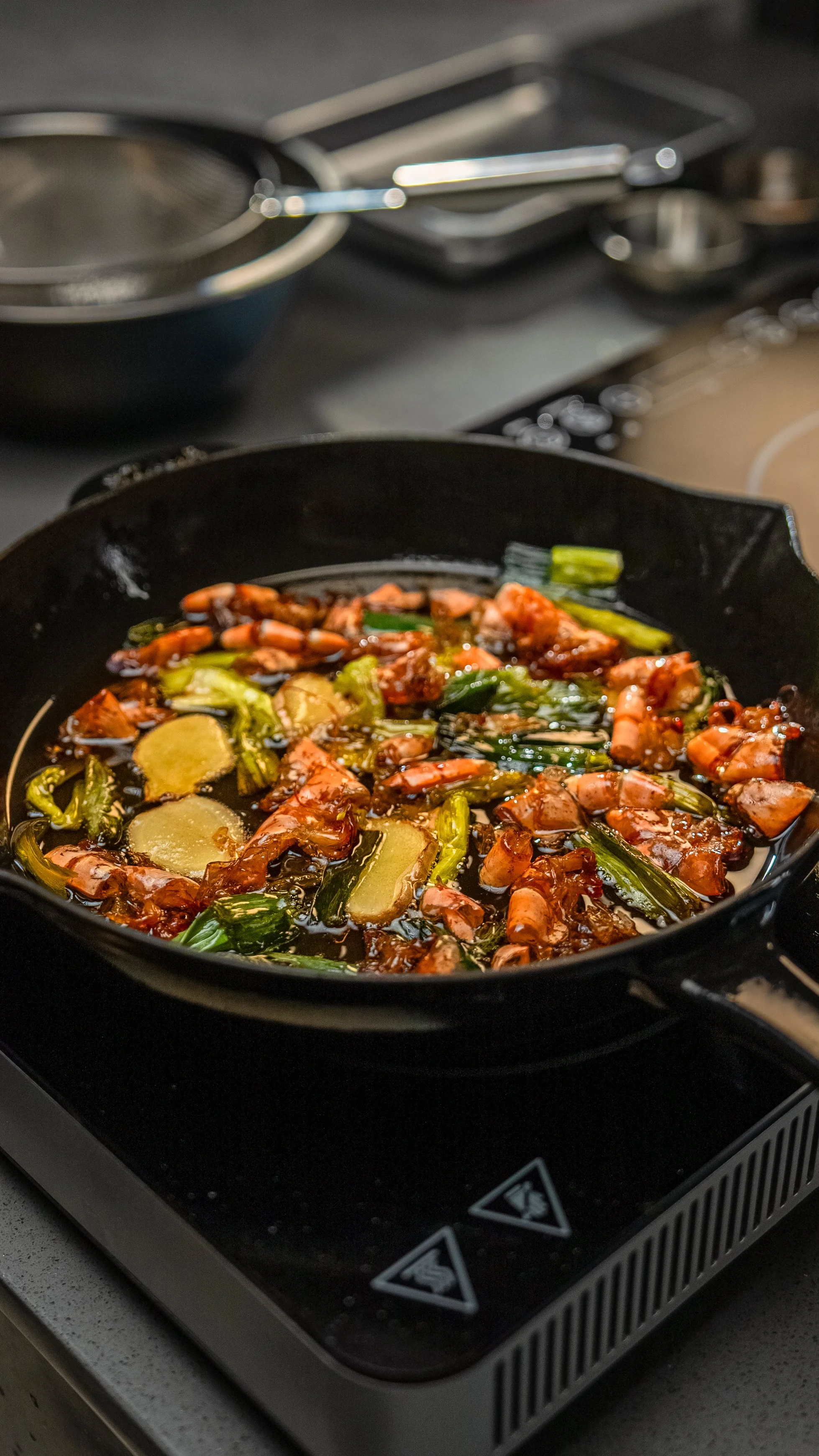
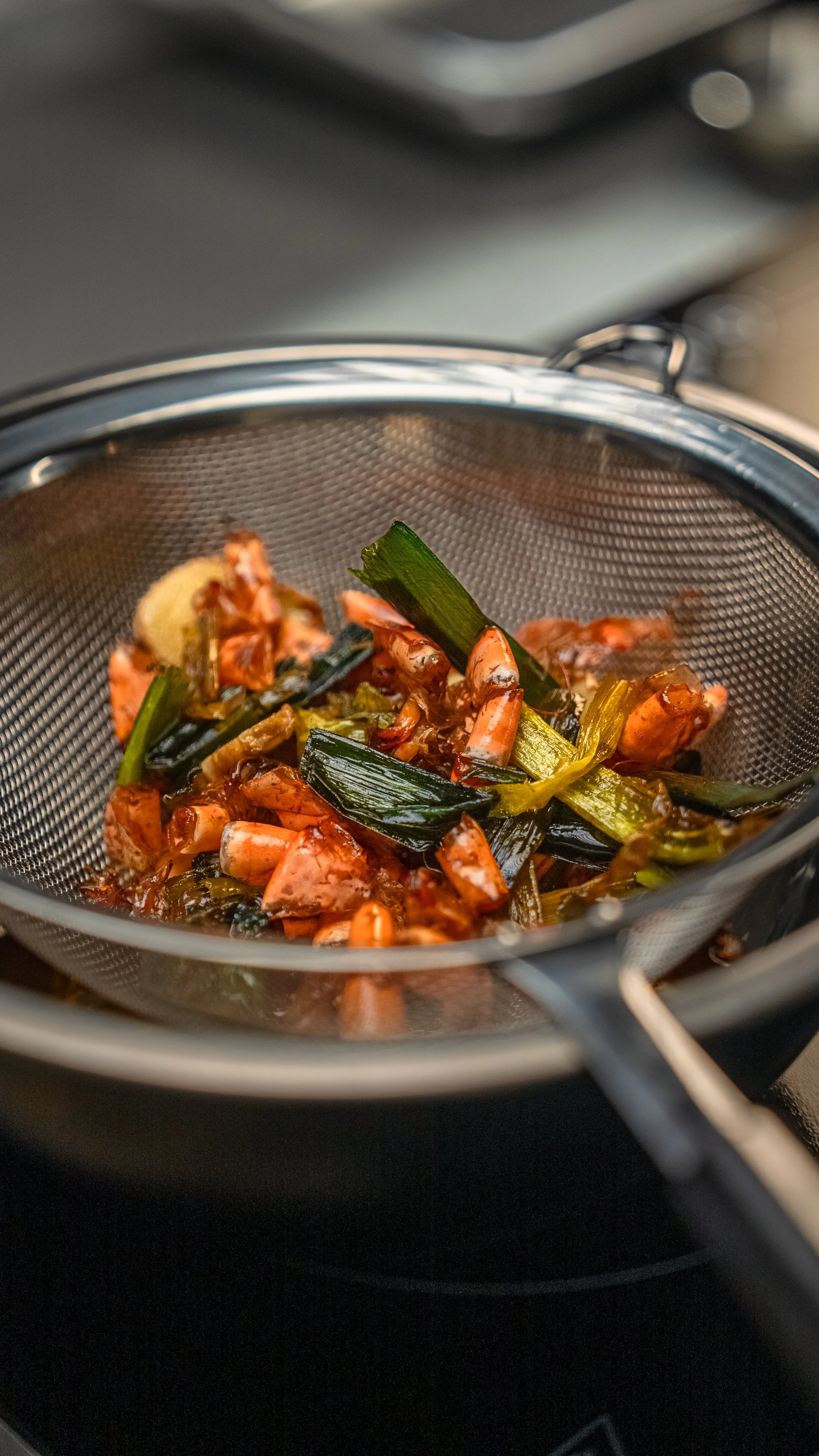
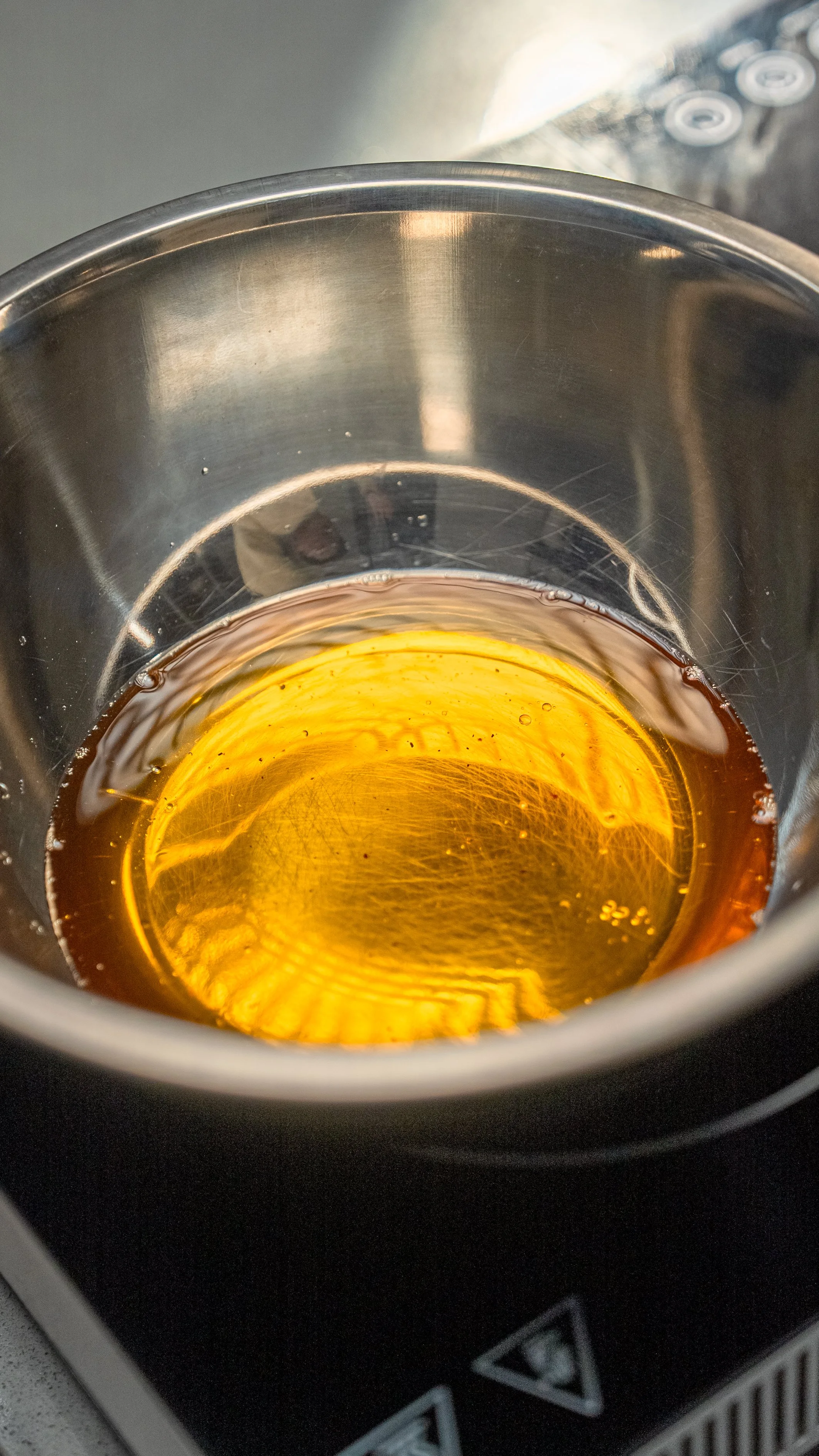
Shrimp Oil
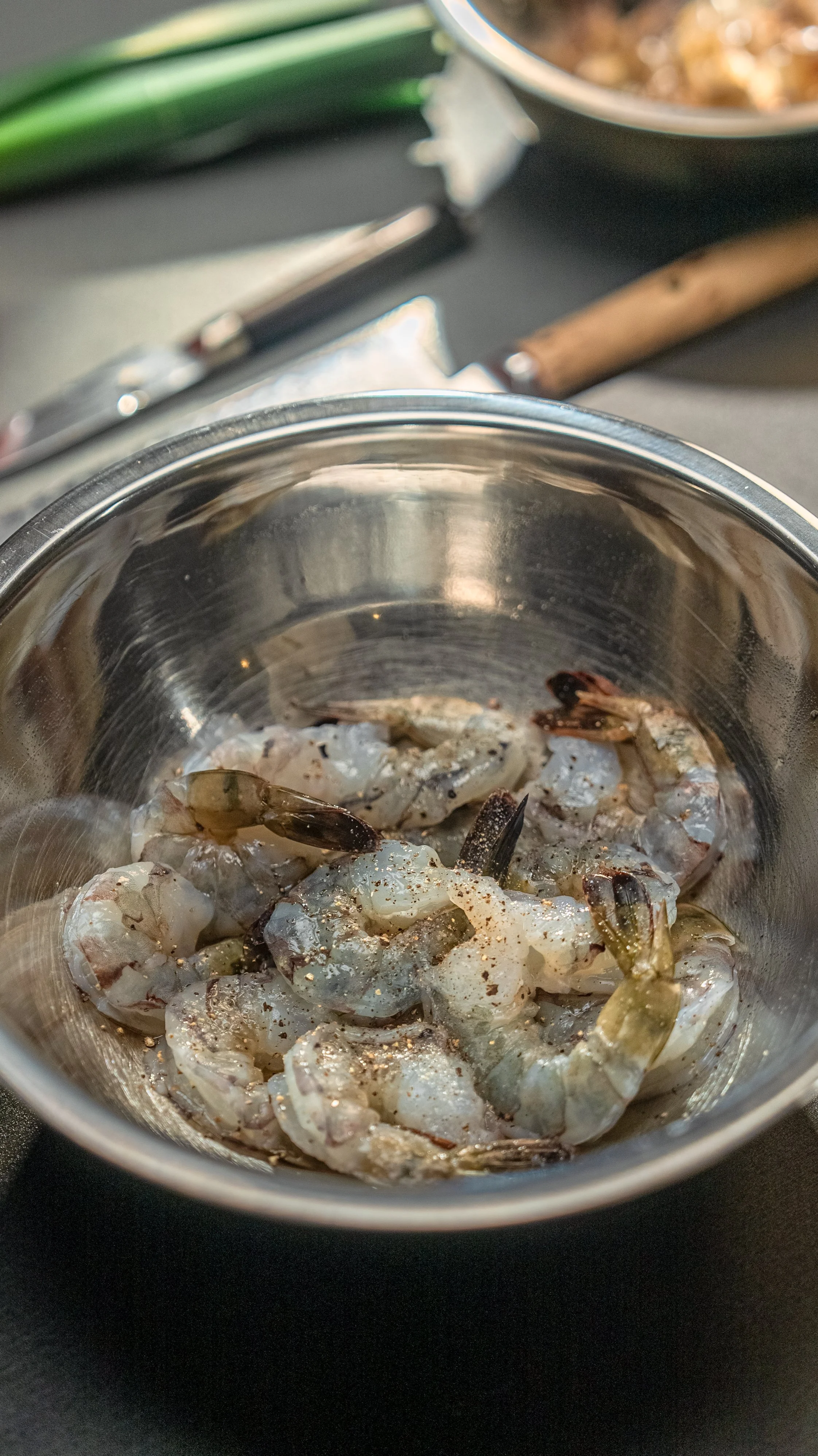
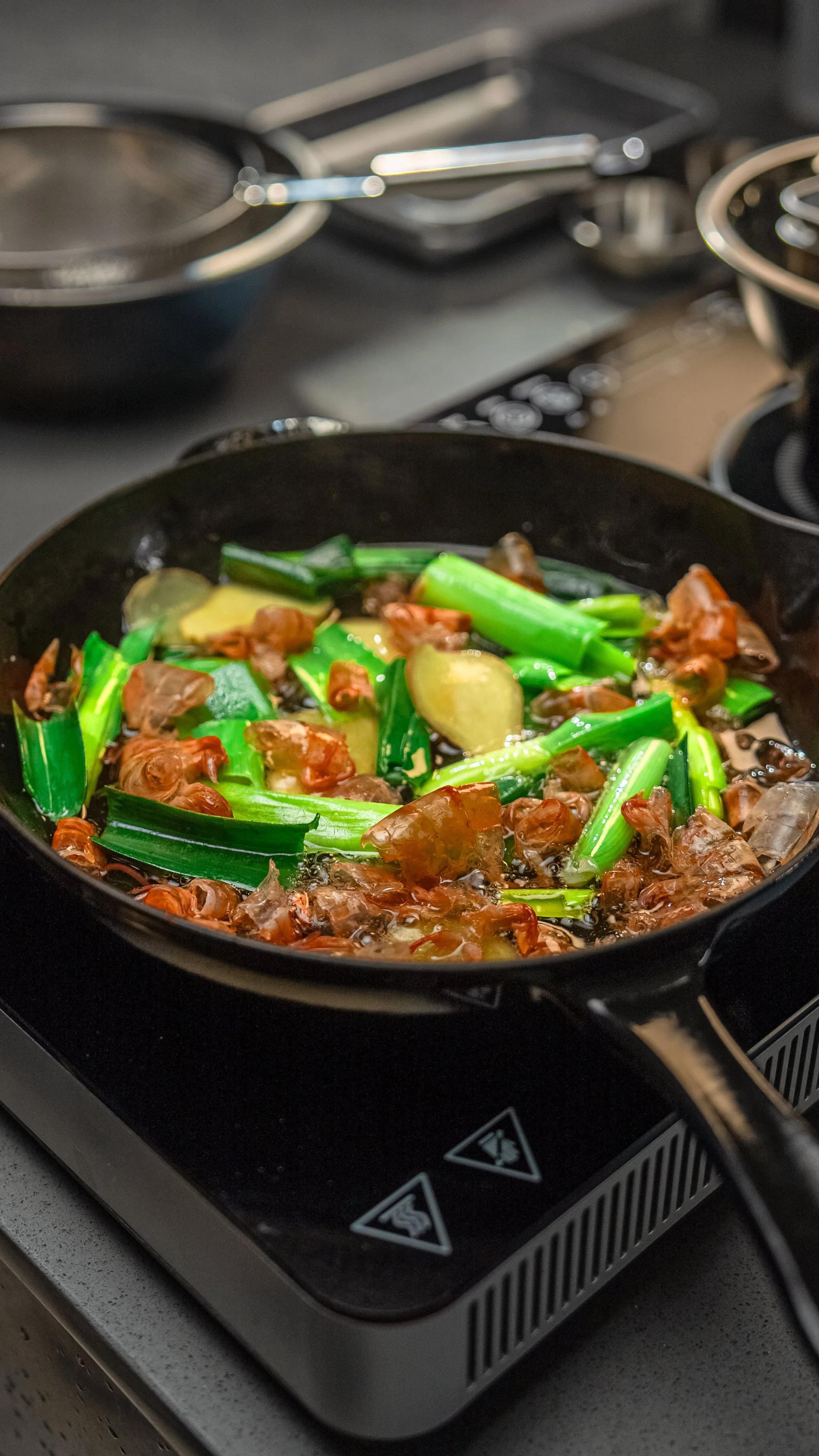
Making sure we use every part of the shrimp, and because this dish is meant to be shell-less with tails on, you can infuse the shells with a few simple aromatics in neutral oil to give this dish a stronger shrimp flavor.
Shrimp oil is one example of an infused oil, but there are other types that elevate a dish, such as chicken skin and crab shell oils.

FAQs
What If I Don’t Have It?
See substitution suggestions above. For this recipe, the combination of all other ingredients is mandatory to create this flavorful dish.
What type of Chili Oil should I use?
Pick your favorite kind or any Chili Oil really! Most Chili Oils have very similar ingredients but may be done differently in technique and ratios. With pre-made ingredients, always pick the one you would eat on its own. If you don’t like it, don’t use it!
Alternatively, you can also make your own Chili Oil to combine with this recipe.
What is velveting?
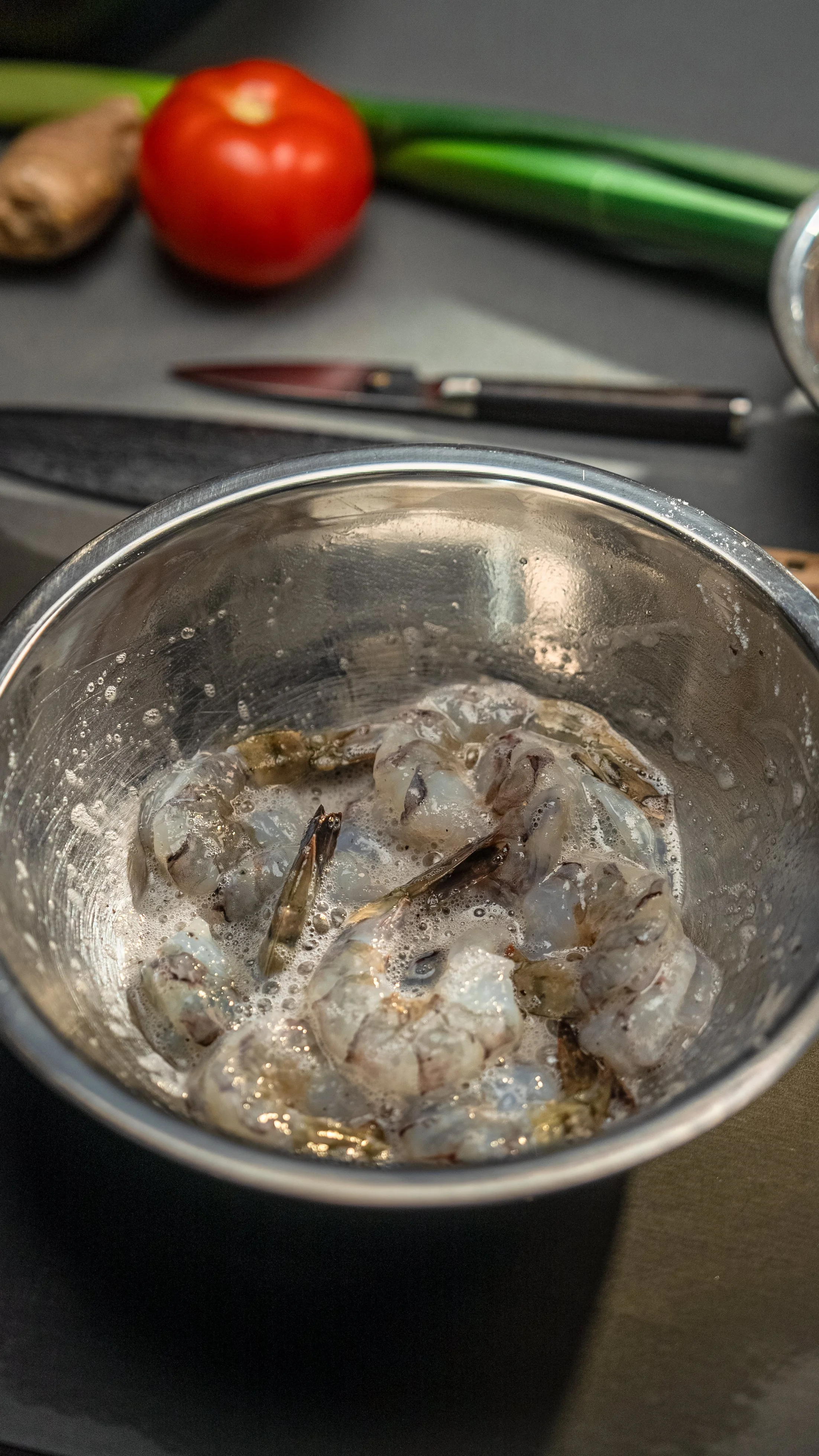
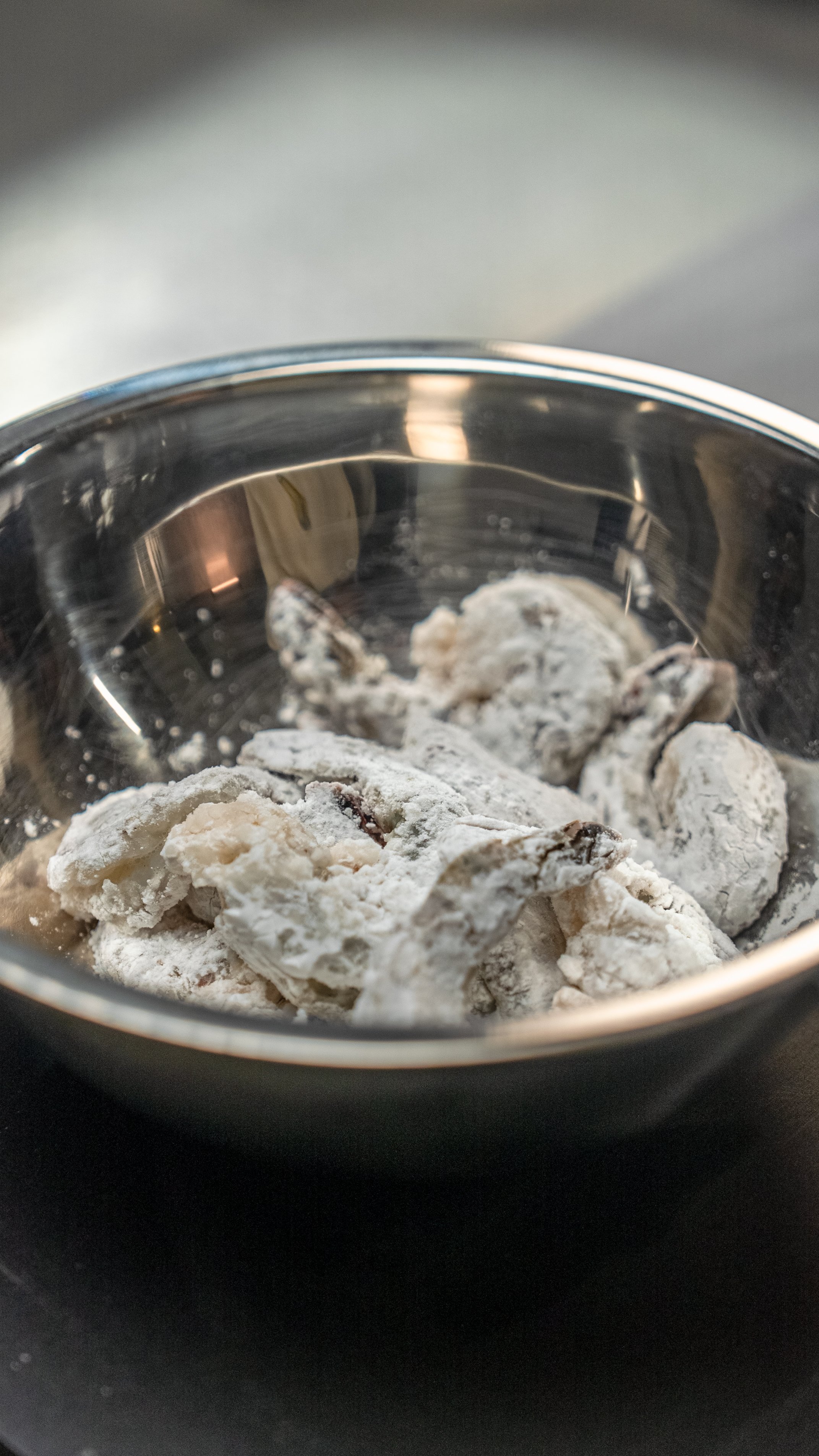
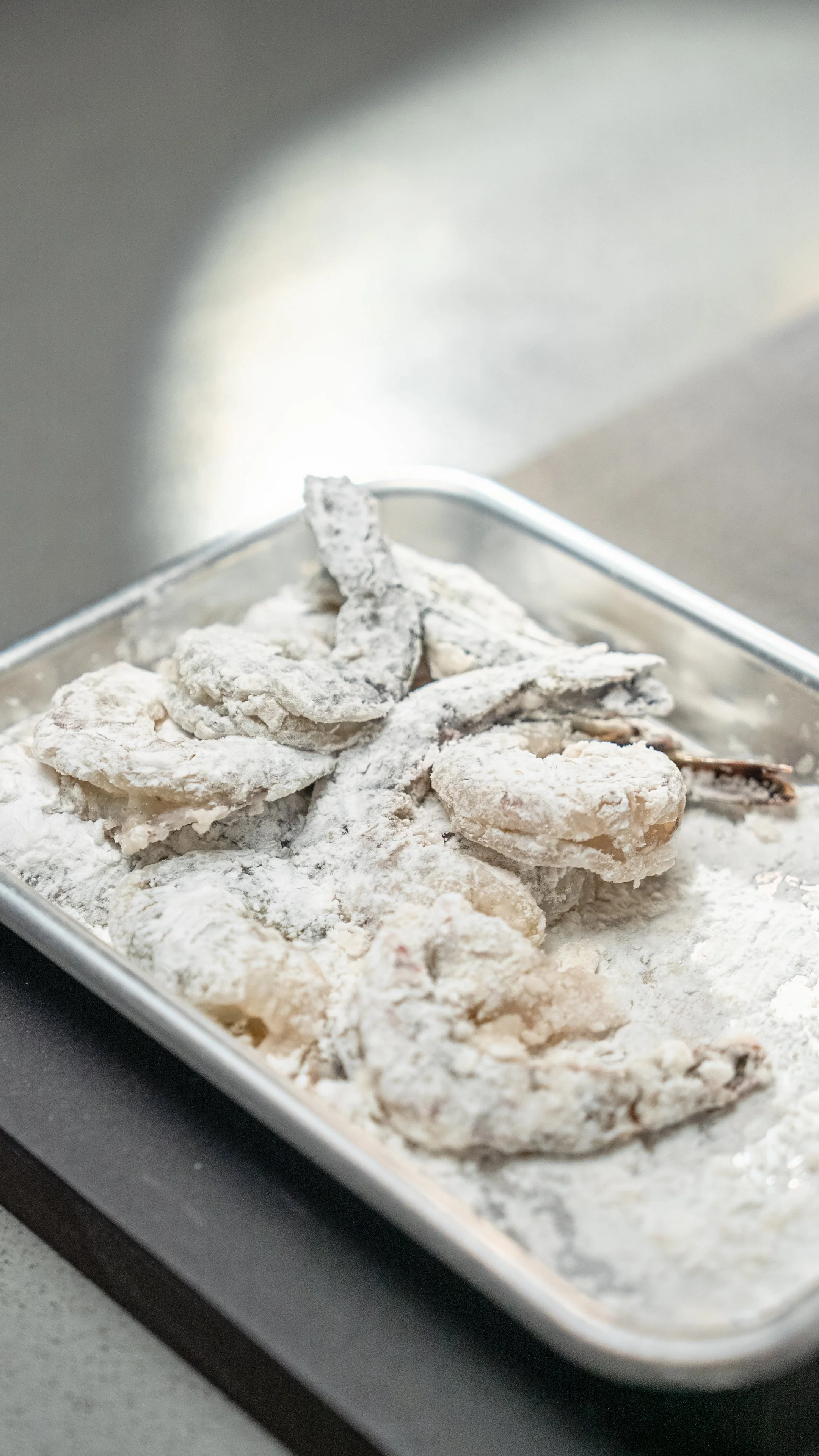
In Chinese cooking, velveting is a technique used to tenderize and preserve the moisture of meat, poultry, or seafood. It involves coating the protein with a mixture of egg white, cornstarch or potato starch, and sometimes a small amount of oil, before cooking it briefly in hot oil or water.
The process creates a protective layer around the protein, sealing in its juices and preventing it from overcooking. This results in meat that is incredibly tender, succulent, and moist, with a silky-smooth texture. Velveting is commonly used in stir-fries, where the tenderized protein is quickly cooked with vegetables and sauces, ensuring that the meat remains juicy and flavorful.
Velveting is a versatile technique that can be applied to a variety of meats, including chicken, beef, pork, and shrimp. It's especially useful for tougher cuts of meat, as it helps to break down their fibers and make them more tender. Additionally, velveting can also enhance the flavor of the protein by allowing it to absorb the flavors of any marinades or sauces used in the cooking process.
Overall, velveting is a simple yet effective technique that is widely used in Chinese cooking to ensure that meat, poultry, and seafood dishes are tender, juicy, and bursting with flavor.
What is the shelf life of Shrimp Oil?
You can refrigerate it for up to two months, but take it out ahead of time as it may solidify.
Can I deep fry the shrimp?
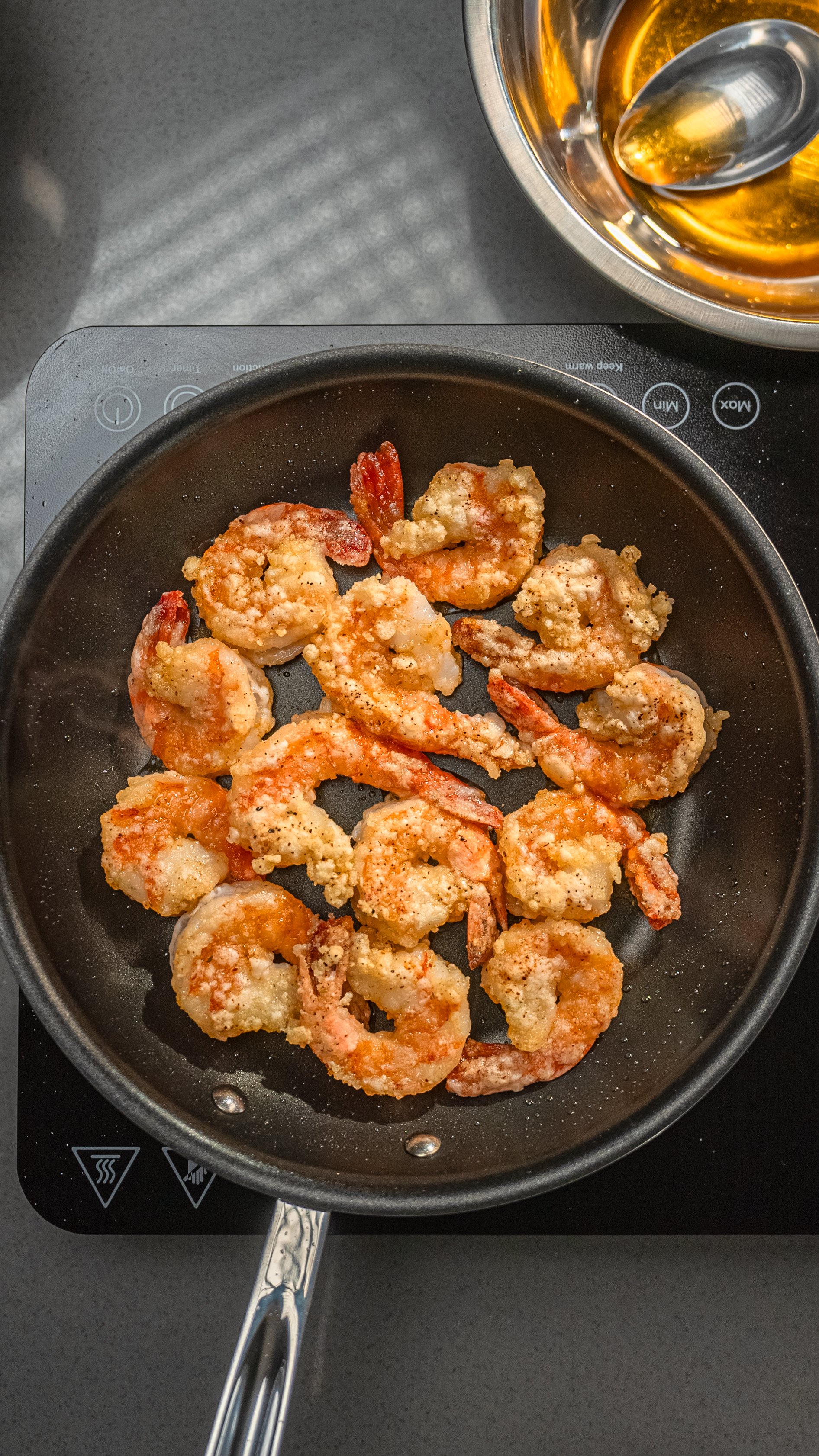
You can, but it is not necessary. A shallow pan fry will be enough and save you the cleaning and filtering of oil.
Other Recipes You May Like
Restaurant Inspired (Cactus Club Cafe, Din Tai Fung, Mui Garden, Nobu, Phnom Penh Restaurant, The Lunch Lady)
Love the recipe?
Make sure to follow me on Instagram, TikTok, YouTube, and Pinterest to stay up to date with all of my content!
Sign up for my free newsletter to receive cooking tips & recipe updates!
If you made this recipe, send me a picture and tag it with #W2Recipes.
I would love to see your re-creations on Instagram @willhkwong.
If you liked this recipe, Pin it to Pinterest! 👇🏻


A salmon mosaic typically refers to a dish where salmon fillets are arranged in a decorative or artistic pattern,…