
This post may contain affiliate links. Please read my disclosure policy for details.
As an Amazon Associate, I earn from qualifying purchases.
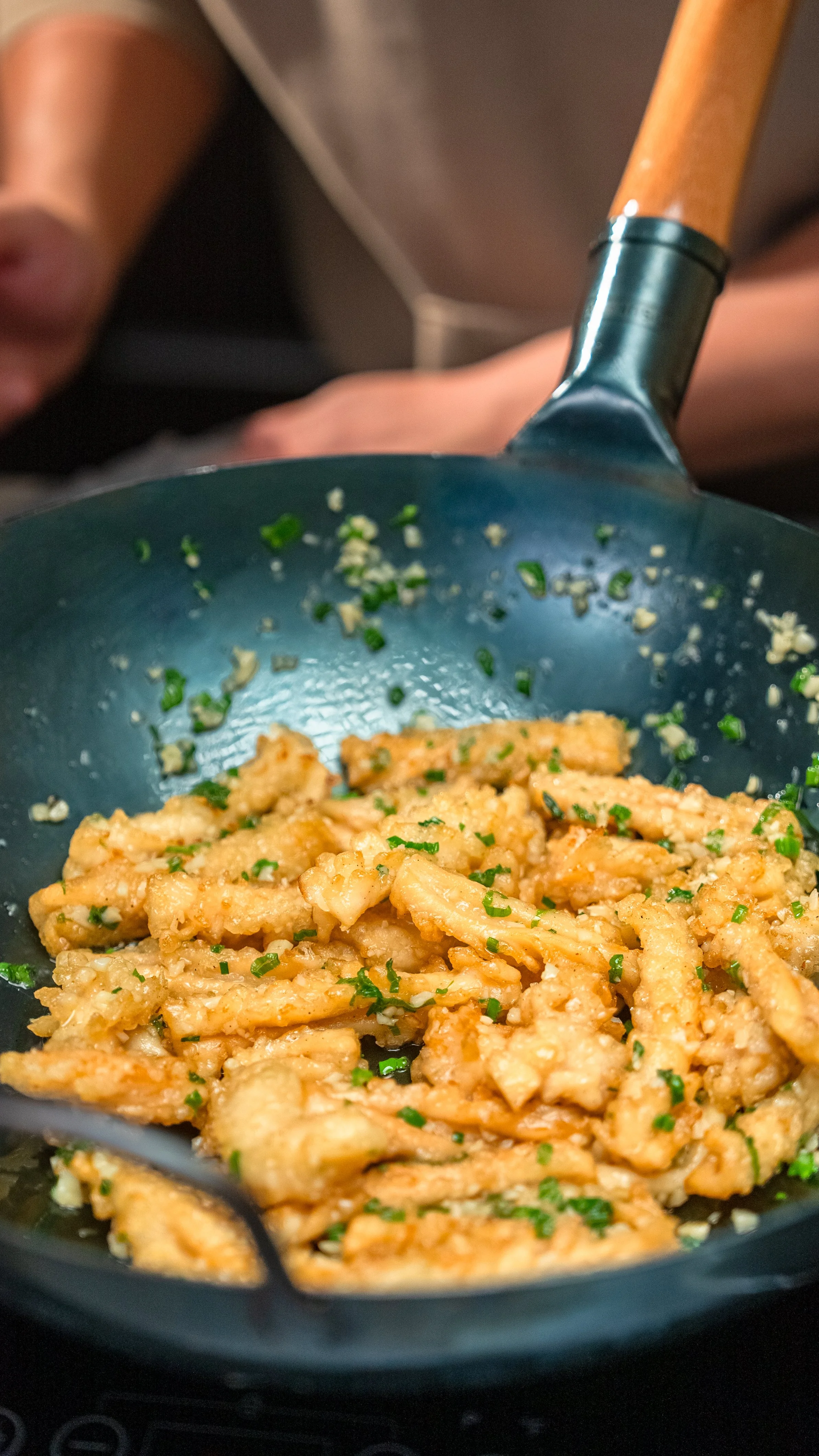
Re-Creation of Phnom Penh Restaurant | Vancouver, BC

What is Squid?
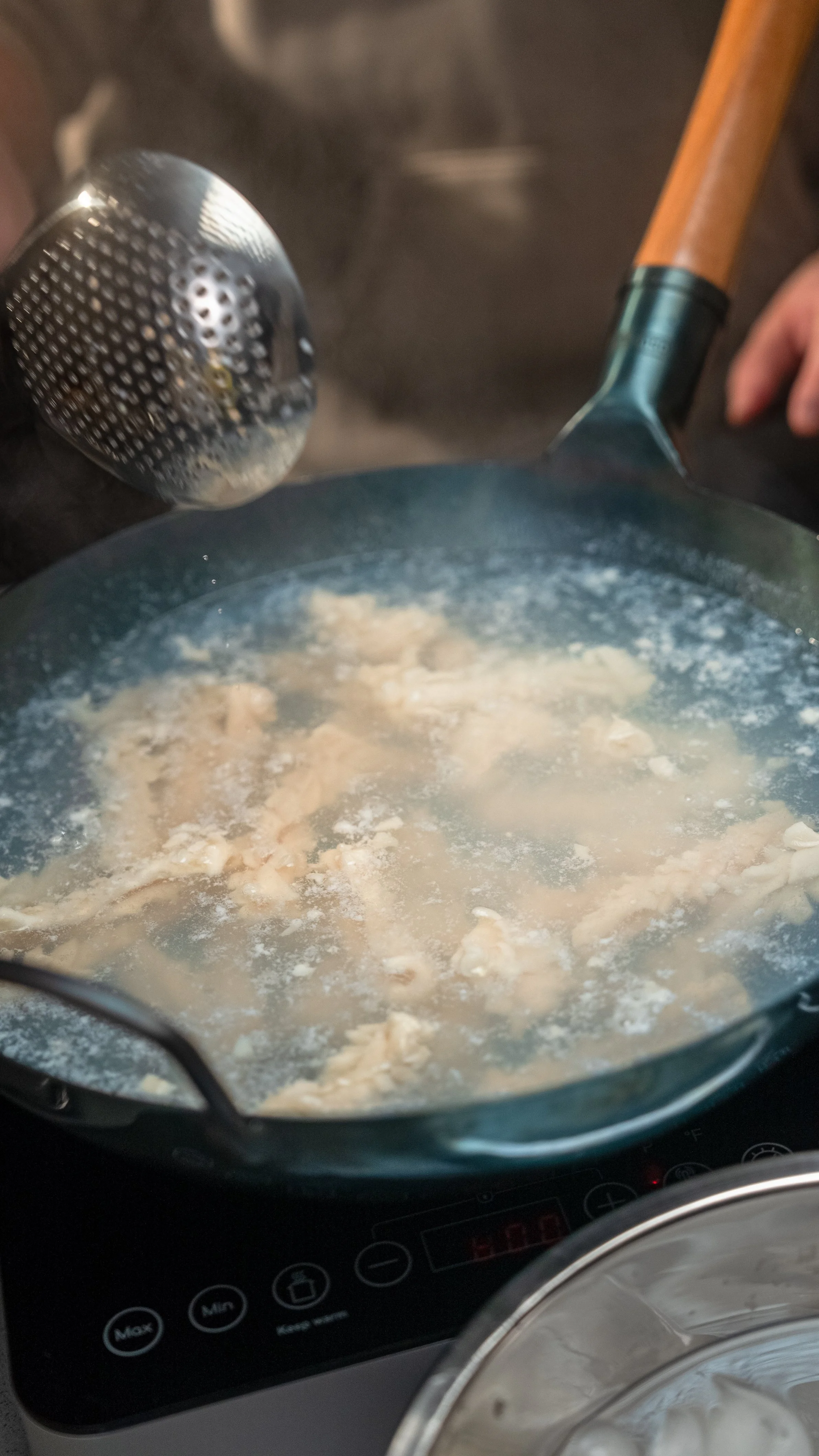
Squid is a type of marine animal belonging to the cephalopod mollusk class. They have a soft body, a head with prominent eyes, and tentacles equipped with suction cups. Squid are a diverse group of animals and are often used as food in various cuisines. There are many ways to prepare squid, such as blanching, deep frying, pan frying, grilling, and sous vide, to name a few.
Key Ingredient?
Squid Tube
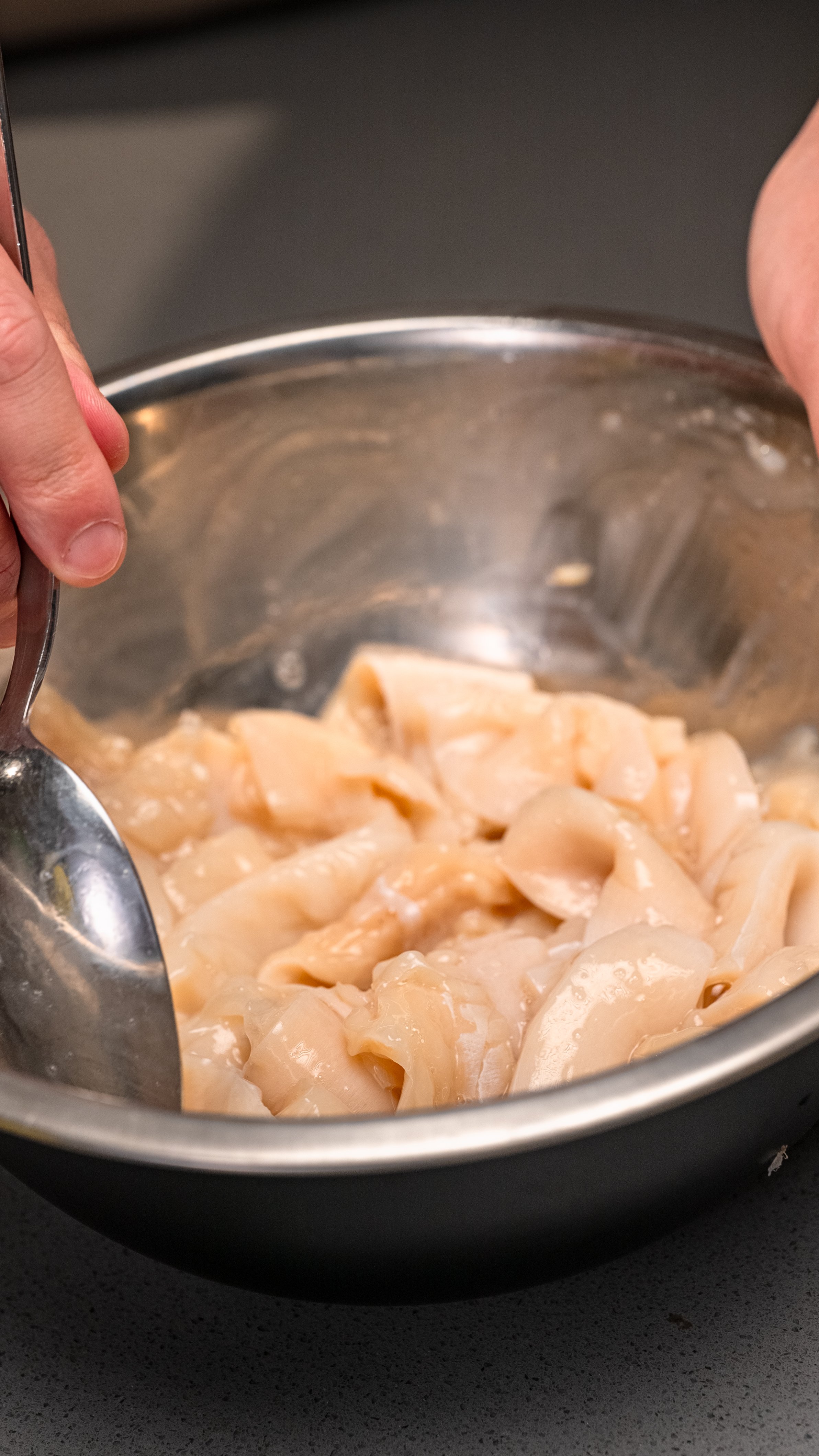
"Squid tube" typically refers to the body of a squid that has been cleaned and prepared for cooking or further processing. When you clean a squid, you remove the internal organs, ink sac, and other parts, leaving behind the tubular body or "tube." This tube is often the main edible part of the squid and is commonly used in various culinary dishes.
Squid tubes are versatile and can be prepared in different ways, such as grilling, frying, baking, or using them in stews and stir-fries. They are valued for their mild flavor and tender texture. Squid tubes are popular in many cuisines around the world and are often featured in dishes like calamari, a popular appetizer where the squid tubes are typically battered and deep-fried.
The preparation of squid tubes can vary depending on the culinary traditions of the region and the specific recipe being followed.




FAQs
What If I Don’t Have It?
See substitution suggestions above. For this recipe, the combination of all other ingredients is mandatory to create this flavorful dish.
Where can I buy squid?
Squid can be found in Asian supermarkets. I found mine frozen with a shelf life of 3 to 6 months at T&T, a local Asian grocery store with many locations in North America. Most of the time, you can find just the tubes frozen; avoid freezer-burned squid, or anything freezer-burned for that matter. Make sure to thaw it in the refrigerator, not at room temperature, to avoid the spread of bacteria.
Fresh squid can also be found at some local seafood suppliers. Use thawed and fresh squid within 1 to 2 days.
What does scoring squid mean?
Scoring squid involves making shallow cuts or incisions in a crisscross pattern on the surface of the squid. This technique is commonly used in cooking to achieve several purposes:
Tenderization: Scoring helps break down the muscle fibers of the squid, making it more tender and preventing it from becoming overly chewy during cooking.
Enhanced Flavor Absorption: The cuts provide more surface area for marinades, sauces, and seasonings to penetrate, allowing the flavors to be absorbed more effectively into the squid.
Aesthetic Presentation: Scoring can create an attractive visual pattern on the surface of the squid. As the squid cooks, the cuts open up, revealing an appealing crosshatch design.
To score a squid, place it on a cutting board and use a sharp knife to make shallow, diagonal cuts on one side of the squid tube, being careful not to cut all the way through. Then, make similar cuts in the opposite direction, creating a crosshatch pattern. Repeat the process on the other side if necessary.
Scoring is often employed in various squid dishes, including calamari, where the goal is to achieve a perfect balance of tenderness, flavor, and visual appeal.
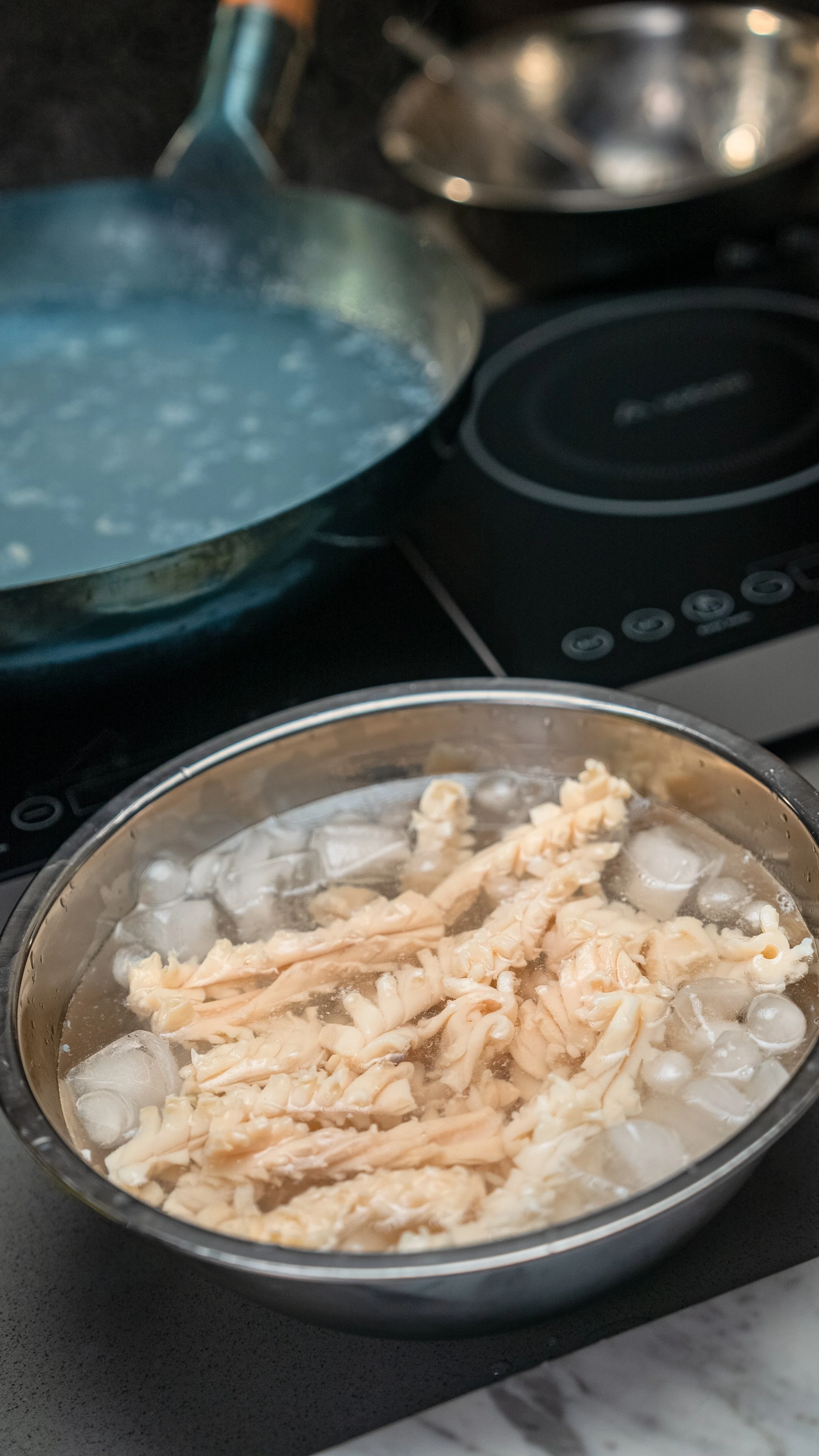
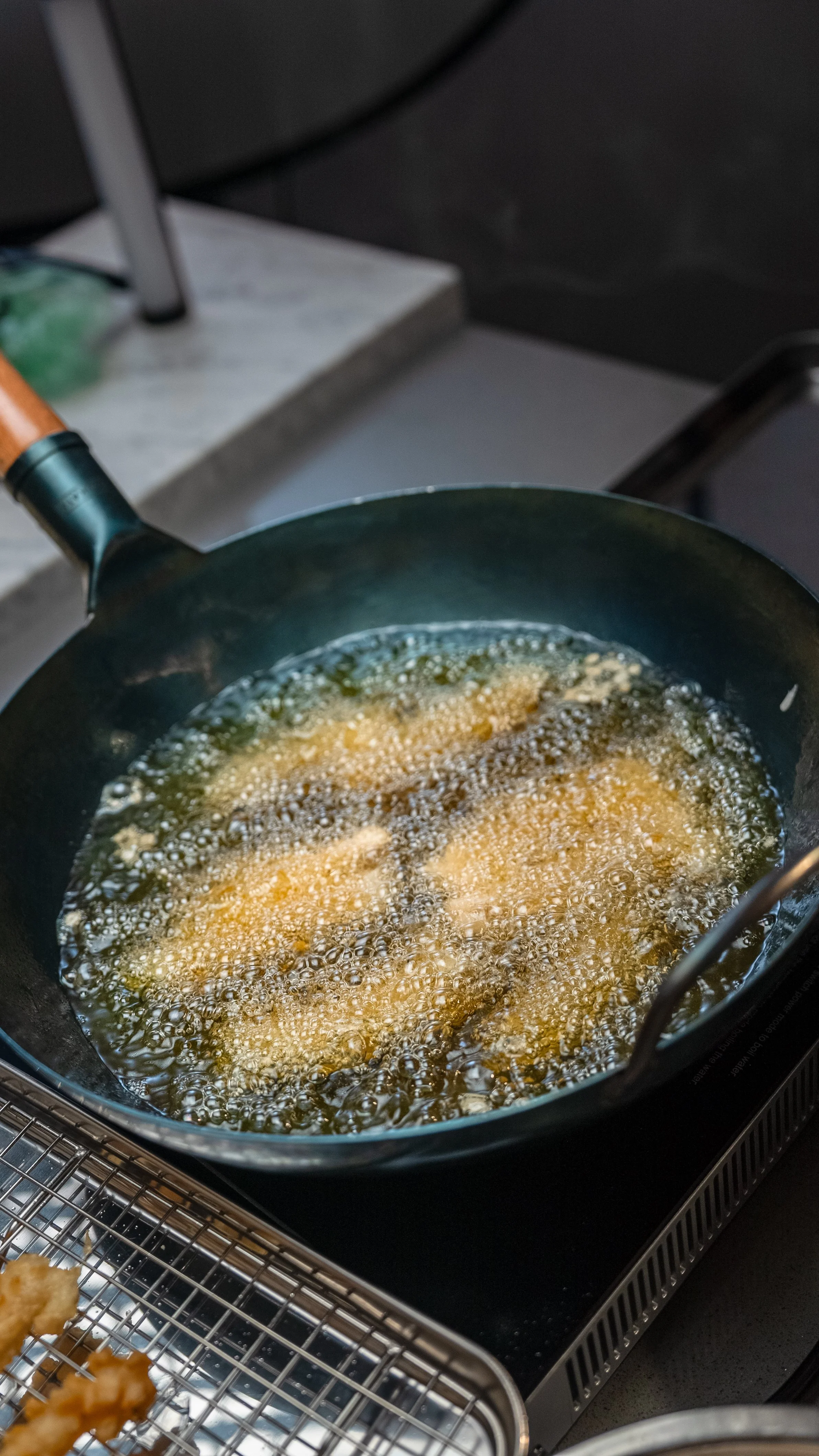
The technique used in this recipe is to score on an angle at 90 degrees, rotate, and then score at a 45-degree angle to achieve diamond cuts and nice texture when blanched and fried.
Why is there thin skin on my squid?
The outer covering or skin of a squid tube is often referred to as the "mantle." The mantle is the muscular, cylindrical body part of the squid that encloses the internal organs. It is the main part of the squid that is cleaned, leaving the tube or mantle for culinary use. The skin of the mantle is typically thin, and it may be removed or left intact depending on the culinary preparation. When used in dishes like calamari, for example, the skin may be removed, leaving only the clean, tubular portion of the squid for cooking.
Why is my squid chewy?
If squid is too chewy and rubbery, you did not leave the squid in the baking soda mixture long enough to tenderize. Another reason could be that you overcooked the squid.
Can I use bottled lemon or lime juice?
It’s suggested to use fresh, as it’s always best, but if you want to cut down on food cost and plan on making larger batches, bottled lemon or lime juice is totally fine. Crack Black Pepper and stir right before serving.
What is self-rising flour?
Self-rising flour is a type of flour that has a leavening agent, usually baking powder, and salt already mixed into it. This pre-mixed combination is designed to simplify the baking process, especially for recipes that require a rise or leavening agent. The inclusion of baking powder eliminates the need for additional leavening agents in a recipe.
The typical composition of self-rising flour is as follows:
All-Purpose Flour: The base flour used is usually all-purpose flour.
Baking Powder: This is the leavening agent that helps the dough or batter rise during baking.
Salt: A small amount of salt is added for flavor enhancement.
Because of the addition of baking powder and salt, self-rising flour is particularly useful in recipes like biscuits, pancakes, and certain quick breads where a light and fluffy texture is desired. It's important to note that using self-rising flour in a recipe that doesn't call for it can affect the overall balance of ingredients, so it's not always interchangeable with other types of flour.
If a recipe calls for self-rising flour, and you don't have it on hand, you can make a substitute by combining all-purpose flour with baking powder and salt in the appropriate proportions. Typically, for every cup of self-rising flour, you can use 1 cup of all-purpose flour, 1 1/2 teaspoons of baking powder, and 1/4 teaspoon of salt.
Other Restaurant Inspired Recipes
Restaurant Inspired (Cactus Club Cafe, Mui Garden, Nobu, Phnom Penh Restaurant, The Lunch Lady)
Love the recipe?
Make sure to follow me on Instagram, TikTok, YouTube, and Pinterest to stay up to date with all of my content!
Sign up for my free newsletter to receive cooking tips & recipe updates!
If you made this recipe, send me a picture and tag it with #W2Recipes.
I would love to see your re-creations on Instagram @willhkwong.
If you liked this recipe, Pin it to Pinterest! 👇🏻


In the culinary world, "Creole" often refers to a style of cooking that originated in Louisiana.