
This post may contain affiliate links. Please read my disclosure policy for details.
As an Amazon Associate, I earn from qualifying purchases.

What is Chicken Brine?
Chicken brine is a solution of salt, water, and often other flavor-enhancing ingredients used to soak chicken before cooking. Brining is a technique employed to enhance the flavor and moisture content of the chicken, particularly lean cuts like breast meat, and to impart additional seasonings into the meat. The process involves immersing the chicken in a brine for a certain period, allowing the meat to absorb the brine's flavors and moisture.
A basic chicken brine typically includes the following components:
Salt: The primary ingredient, salt, helps to both season the chicken and break down its muscle fibers, allowing it to retain more moisture during cooking.
Water: Water is the liquid base for the brine, providing a medium for the salt and other flavors to penetrate the chicken.
Sweetener (optional): Some brines include sweeteners like sugar or honey, which can balance the saltiness and add a touch of sweetness to the chicken.
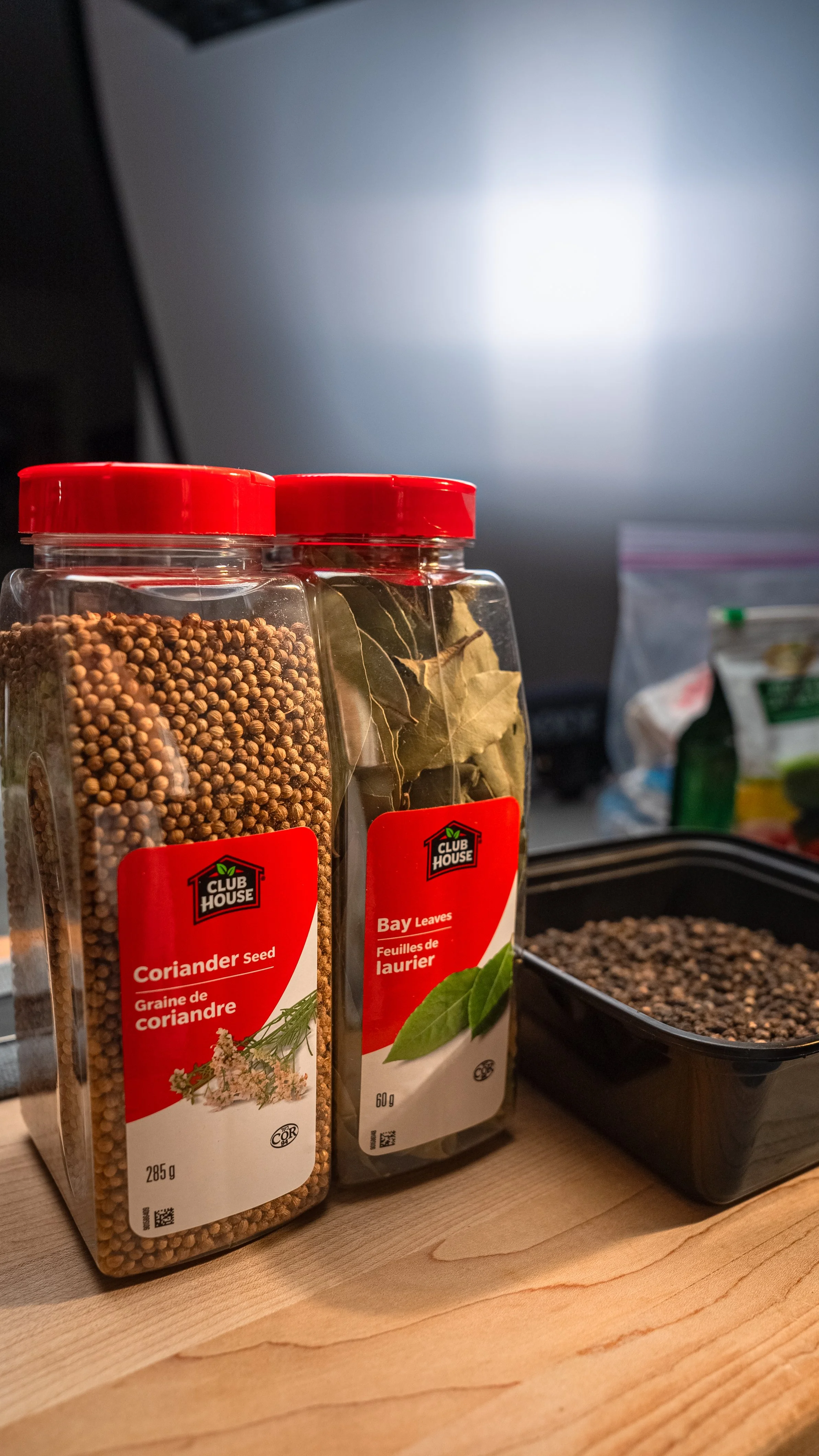
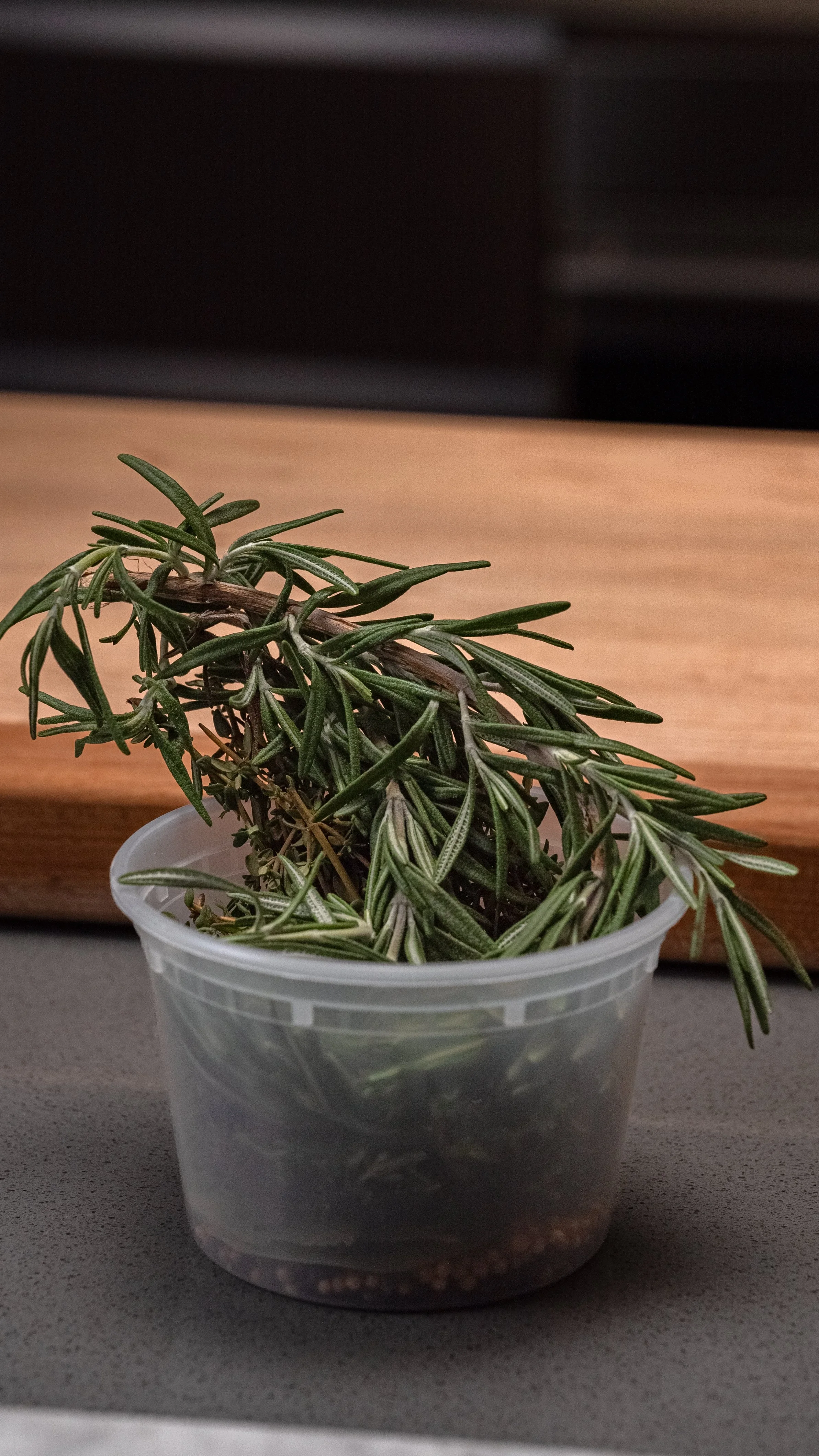
Aromatics (optional): Aromatics such as herbs, spices, garlic, and citrus can be added to the brine to impart additional flavors to the chicken.
Herbs and Spices (optional): Depending on the desired flavor profile, various herbs and spices can be added to the brine, contributing to the overall taste of the chicken.
To use a chicken brine, you would submerge the chicken in the brine solution for a specified period, typically several hours to overnight, depending on the size of the chicken and the strength of the brine. After brining, the chicken is usually rinsed (optional - pat dry well) and then cooked using the desired method (grilling, roasting, smoking, etc.).
Brining is particularly useful for lean cuts of chicken, such as chicken breasts, as it helps prevent them from drying out during cooking, resulting in juicier and more flavorful meat.
The recipe below is a 10 Litre recipe. Adjust to how much brine you think you would need depending on the amount of protein you plan on brining.
Key Ingredient?
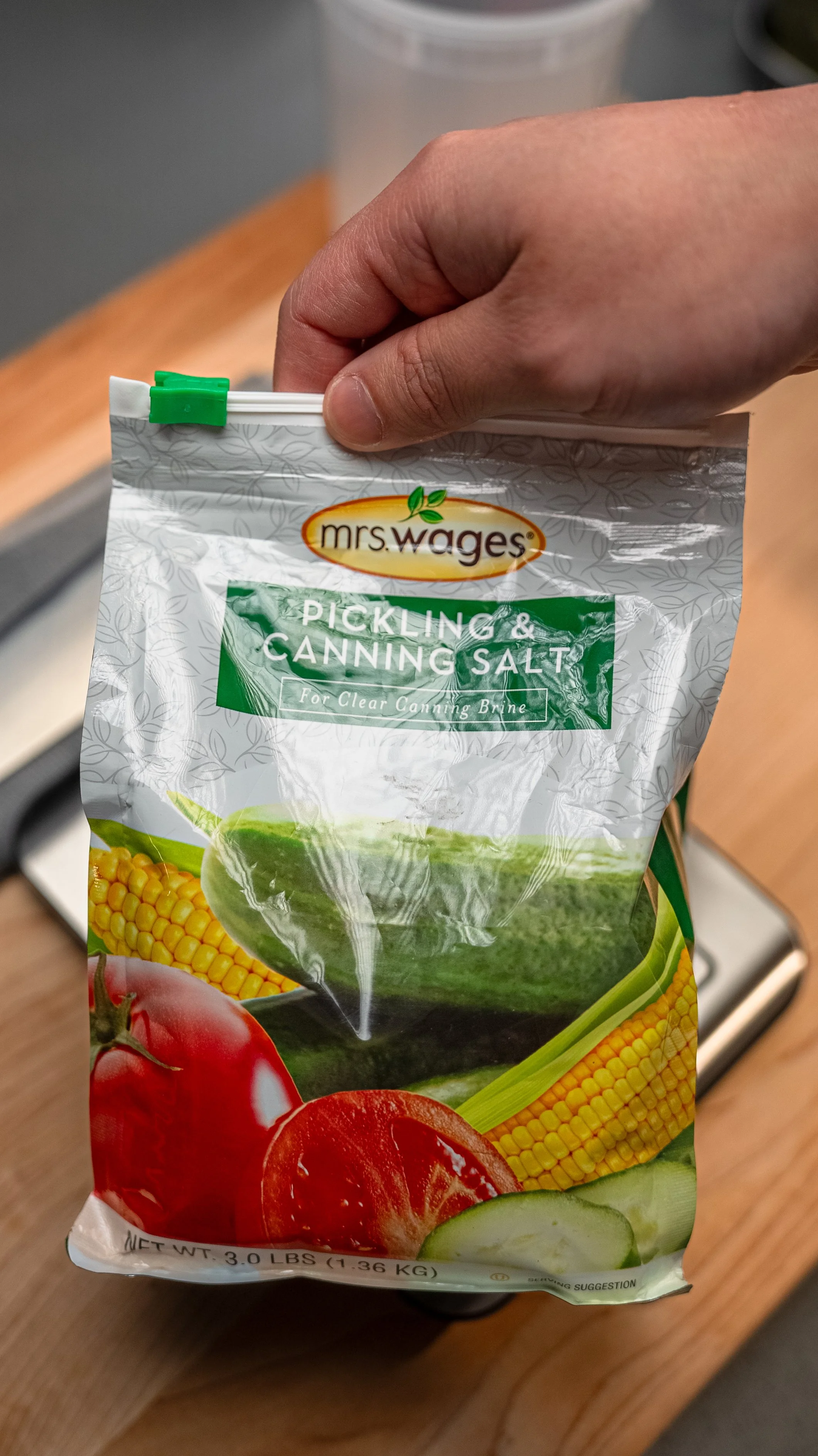
Pickling Salt
Pickling salt, also known as canning salt or preserving salt, is a type of salt that is specifically designed for use in pickling and canning. It is free of additives like iodine and anti-caking agents, which can sometimes affect the appearance and taste of the final product in pickling.
Here are a few characteristics of pickling salt:
Pure Sodium Chloride: Pickling salt is composed of pure sodium chloride without the additional iodine or anti-caking agents found in table salt. This ensures that the salt won't introduce any unwanted flavors or discoloration to the pickling brine.
Fine Texture: Pickling salt usually has a fine texture, making it dissolve easily in liquid. This is beneficial when preparing pickling brines because it ensures that the salt evenly distributes throughout the liquid.
No Additives: Since pickling salt lacks additives, it won't interfere with the clarity of pickling solutions or alter the colors of fruits and vegetables during the pickling process.
When making pickles or other preserved foods, it's often recommended to use pickling salt to achieve the best results. If pickling salt is not available, some recipes may suggest using kosher salt as an alternative, as it also lacks additives, though its texture may be coarser.
It's essential to follow the specific salt recommendations in pickling recipes to maintain the desired taste and appearance of the final product.

How Do Restaurants Make Juicy and Tasty Chicken?
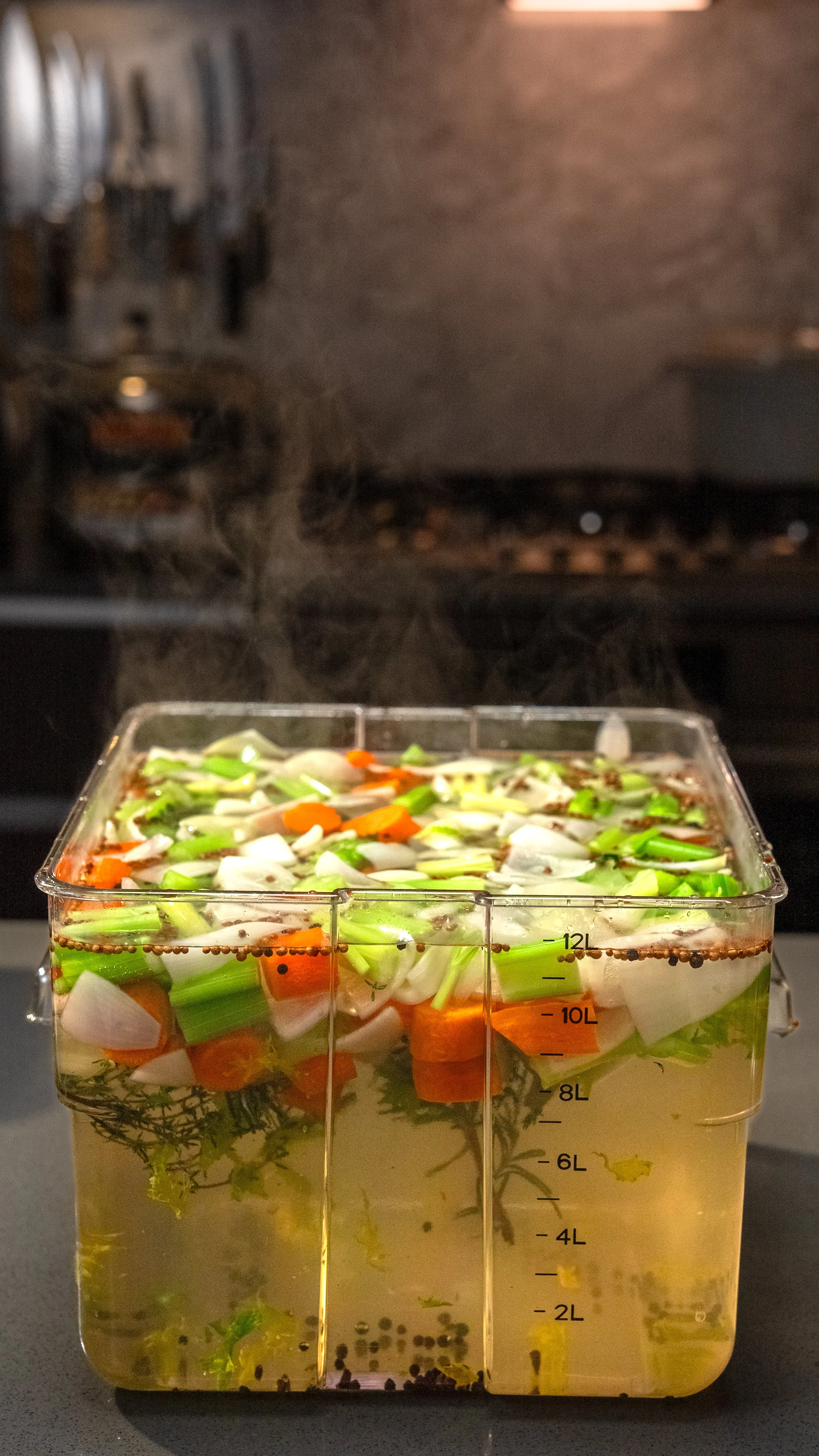
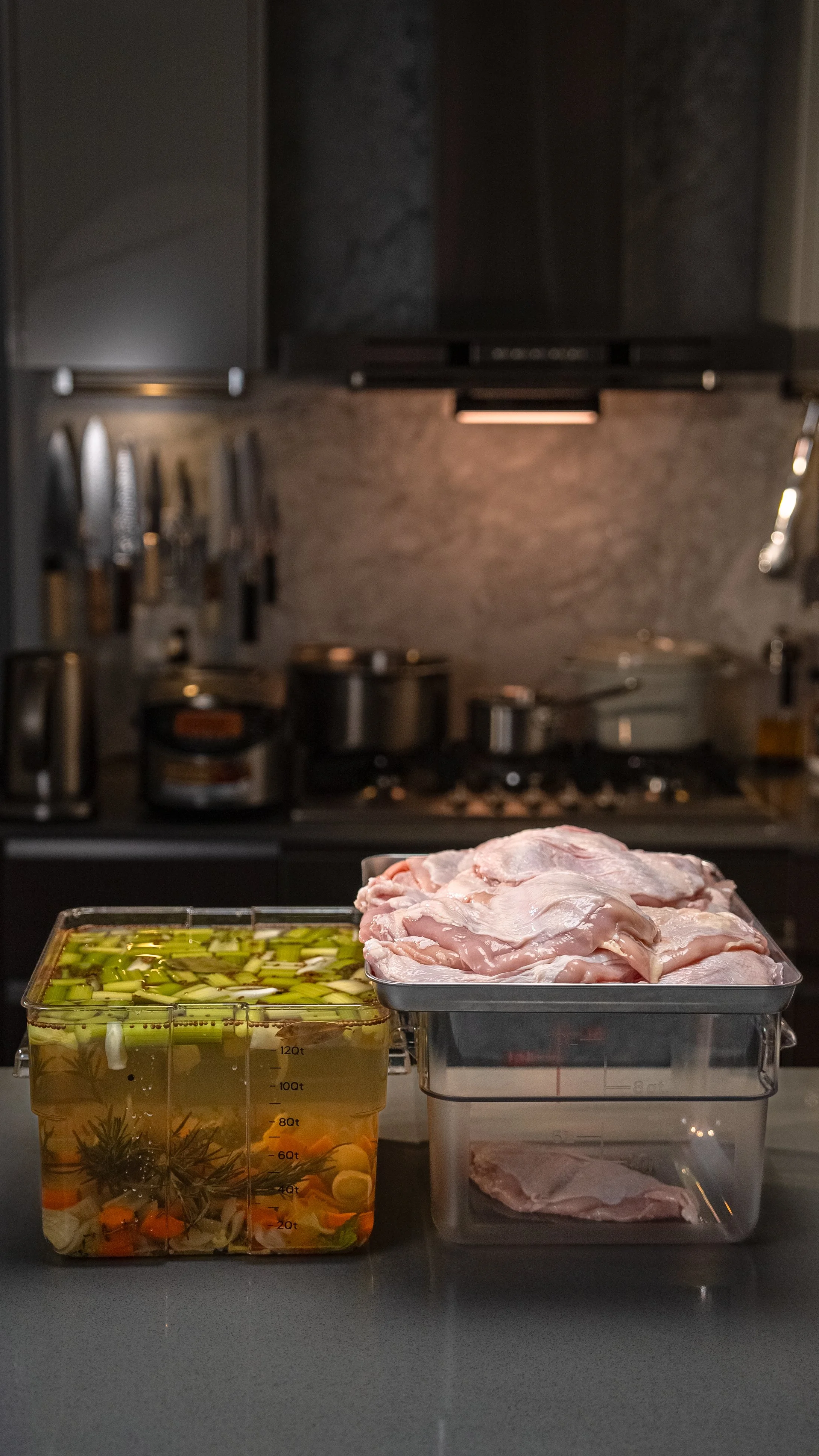
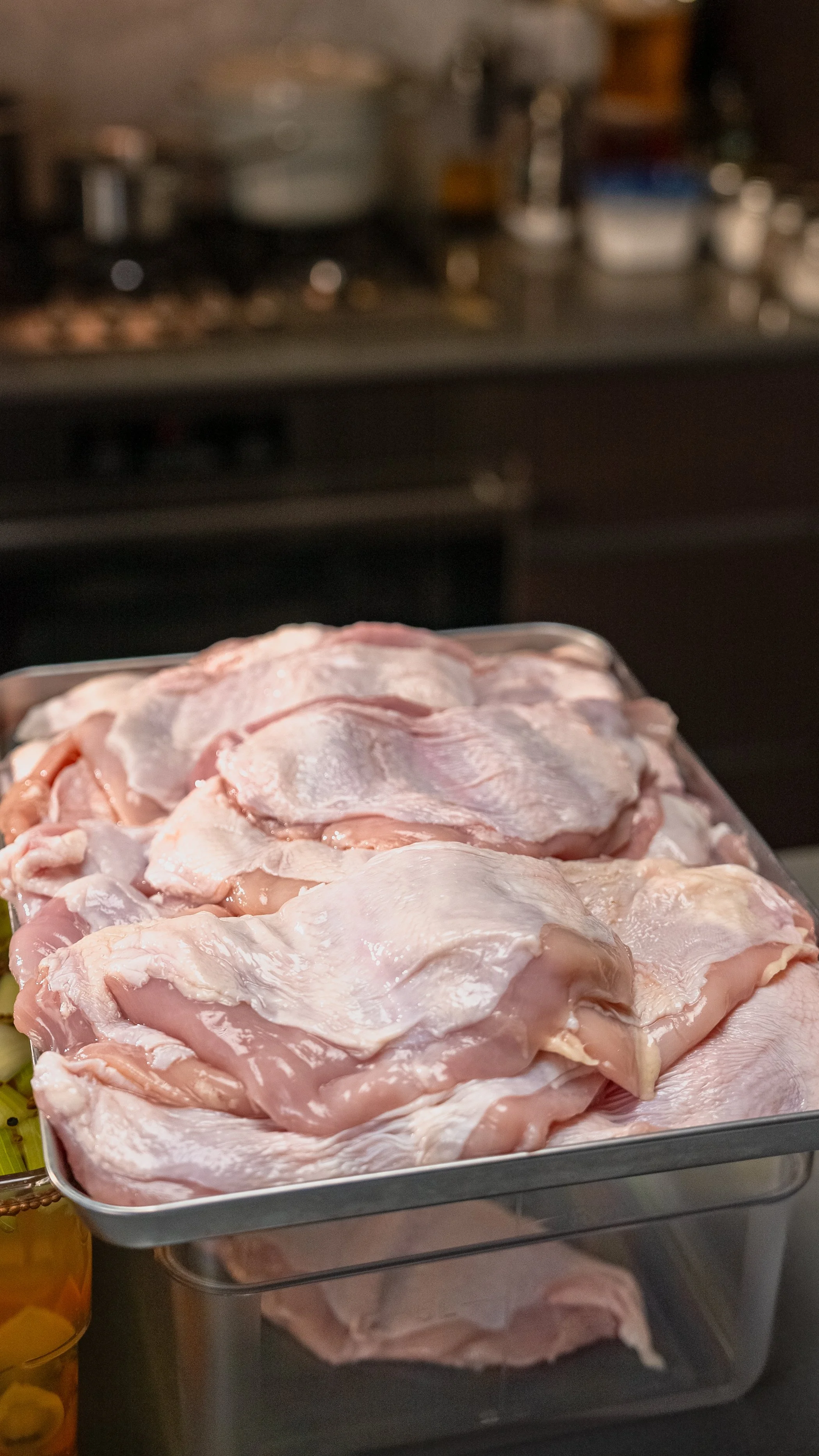
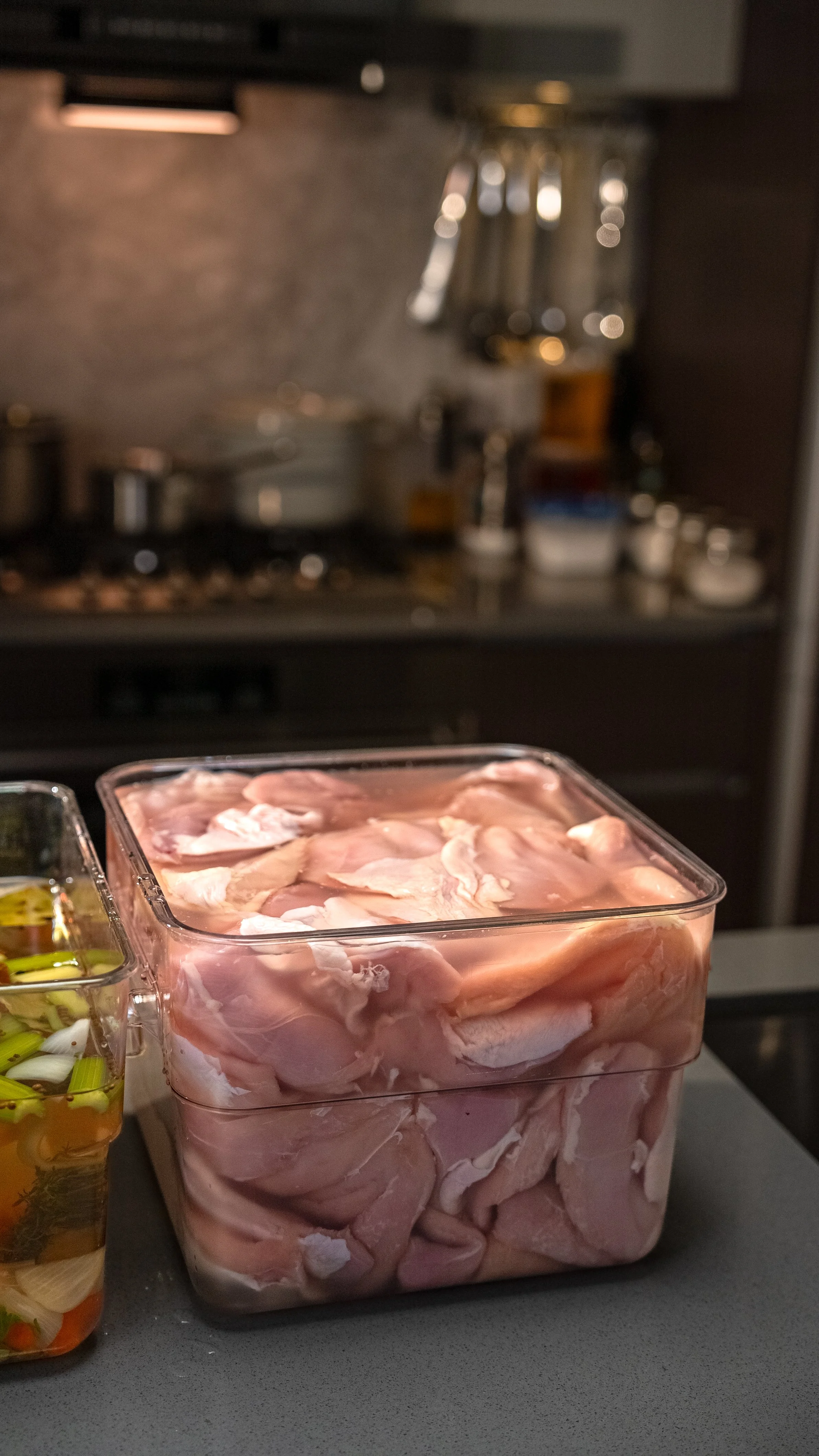

FAQs
How long can brine and chicken last?
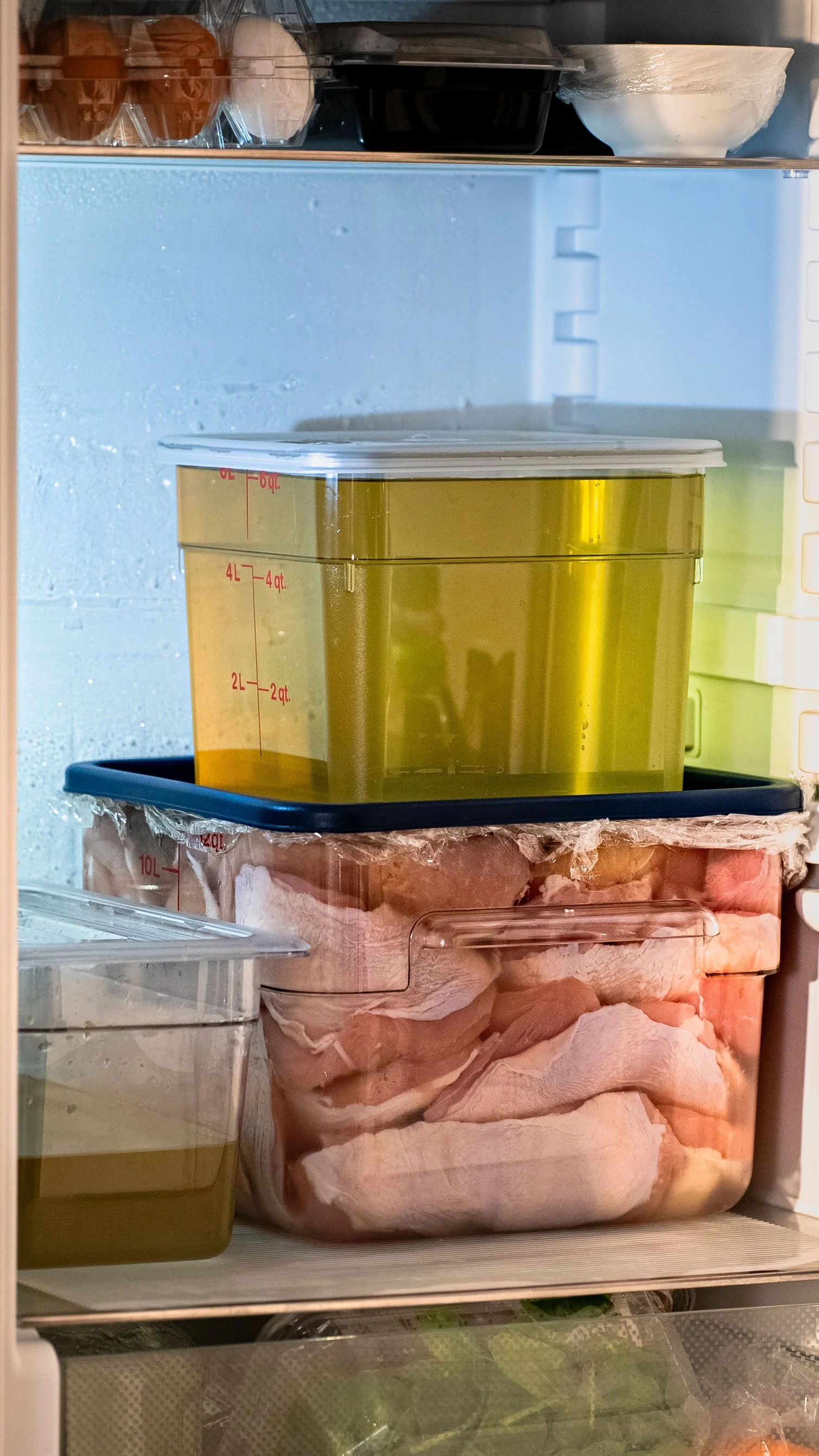
The shelf life of this brine recipe is 5 to 7 days. Obviously the sooner you use it, the better. It takes minimal work to make and a little patience but results in an enhanced protein. Chicken can last longer but this is dependent on how fresh or old your chicken is to begin with. Pickling Salt is a preservative and will permeate into the protein allowing proteins to last longer. An extra 2 to 3 days before it starts to smell funky or up to even 5 days if stored correctly and brined fresh.
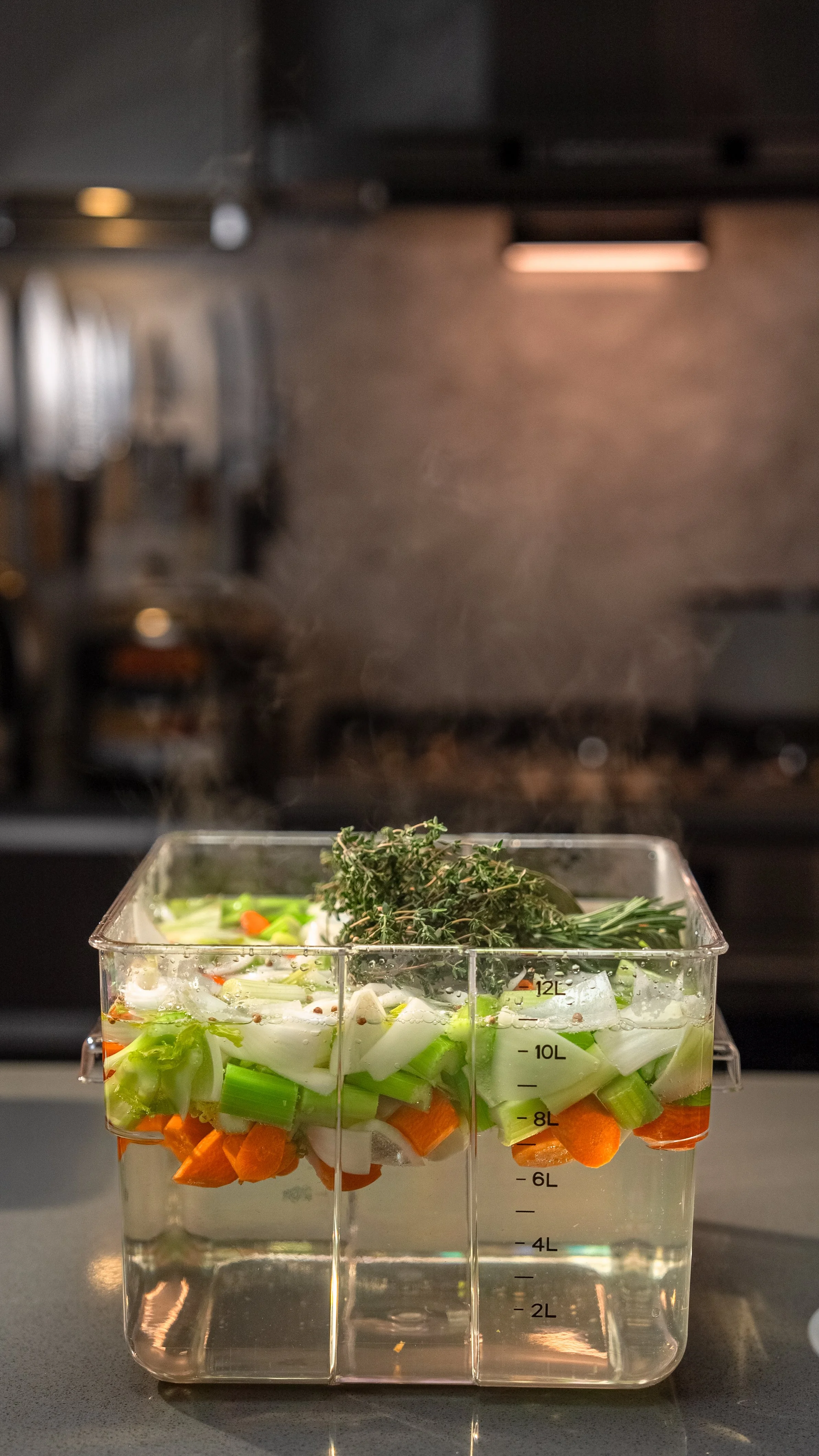
Can you do anything with the vegetables after steeping?
Unless you like briny vegetables, they have served their purpose by adding savoriness, and complexity to the brine. Strain through a chinois immediately once brine has cooled completely.
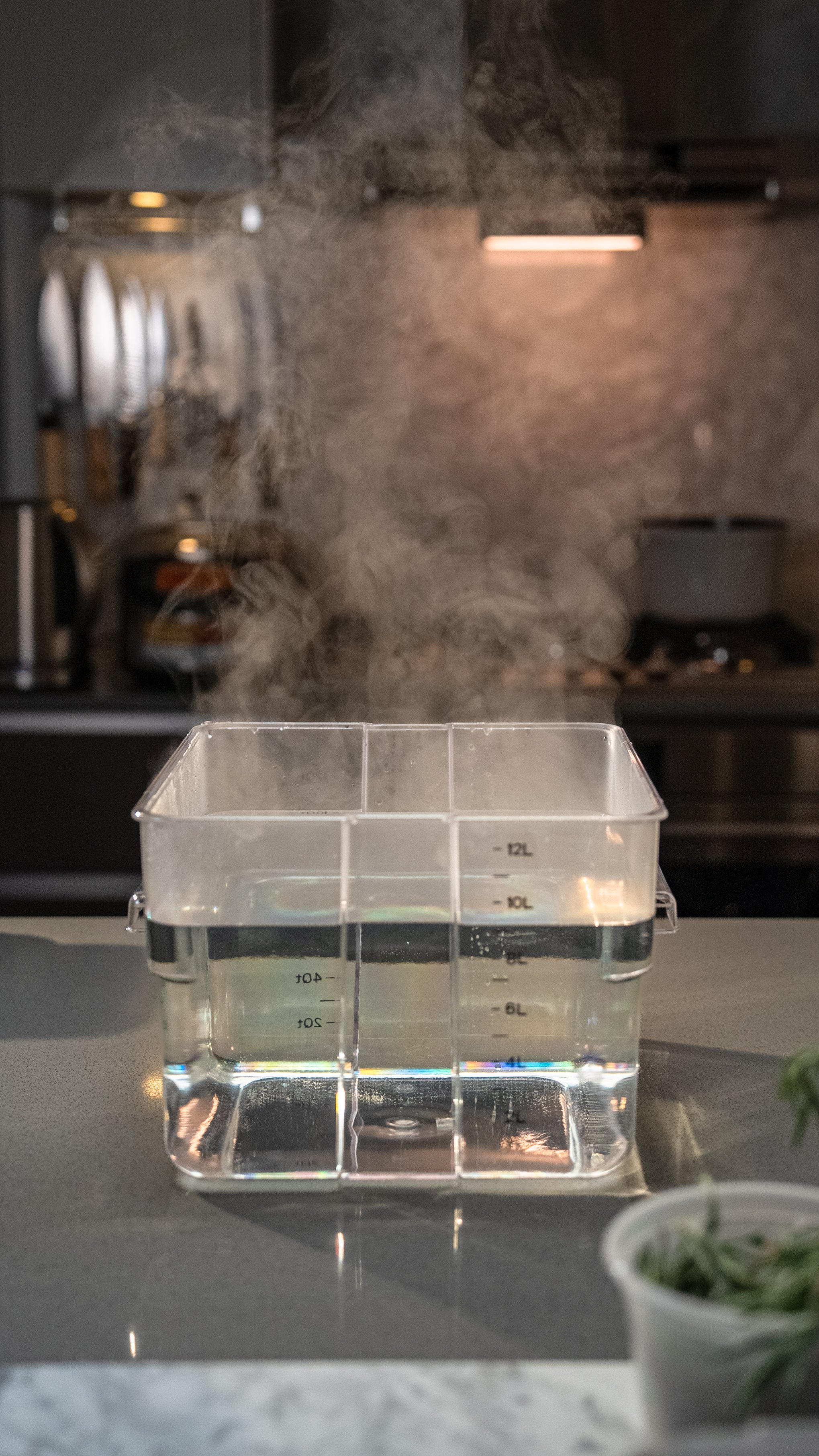
Why is it safe to pour boiling water into plastic?
Cambros and other commercial grade food containers are BPA free and meant to have hot and cold liquids poured into them. They are used in the majority of commercial kitchens and are the industry standard for storage.
Can I freeze my chicken?
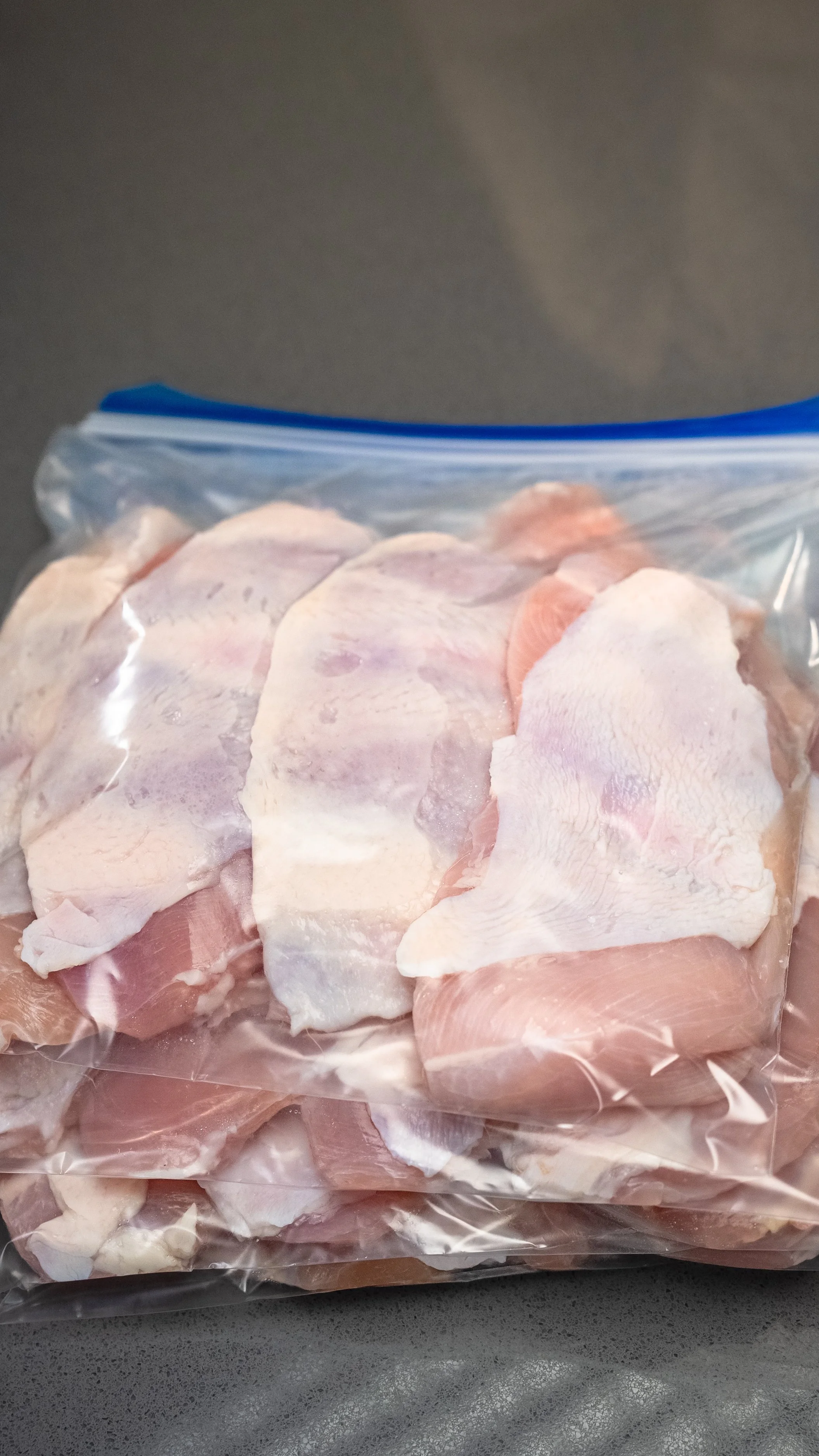
After brining, you can store in the freezer to increase shelf life for up to 1 month. As long as you seal it airtight in a freezer bag or container, you can store in the freezer. Make sure to remove as much air as possible, and chill before freezing to stop the spread of bacteria. Removing air will reduce ice crystals from forming and freezer burn. When ready to use, thaw in the refrigerator a day or two in advance, never at room temperature, which rapidly spreads bacteria. Freezing chicken after brining is perfectly okay and is done commonly.
Why are you reusing chicken brine?
Never reuse chicken brine, it’s like reusing a used sheet of toilet paper after wiping. In the video, while downsizing fresh brine for future proteins, I demonstrated that if you have leftover brine, you can store it for up to 5 to 7 days for proteins throughout the week. You can repeat this process and freeze more protein, pull out ahead of time, and enjoy. This is an efficient way to enjoy enhanced proteins without worrying too much about seasoning and you still get a delicious result.
Can I use Kosher Salt or other salts?
You may use Kosher Salt but Kosher Salt and other salts may contain iodine resulting in a more murky brine that can alter the color of your protein. By using Pickling Salt or Curing Salt, you get a clearer brine that dissolves quicker than most other salts. It has no anti-caking agents and works super well for both wet and dry curing. Other salts are not recommended.
What is mirepoix and what does it do?
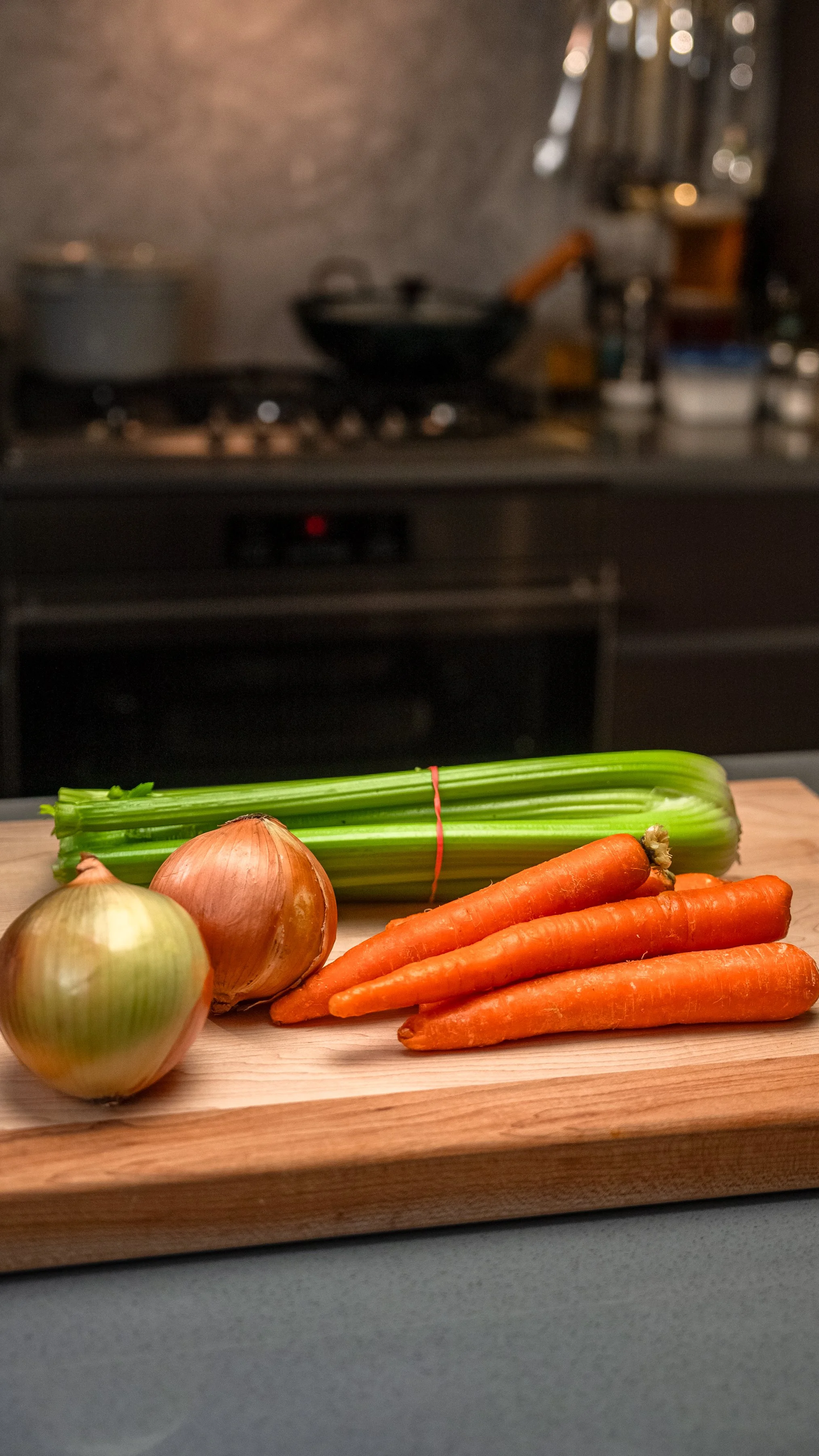
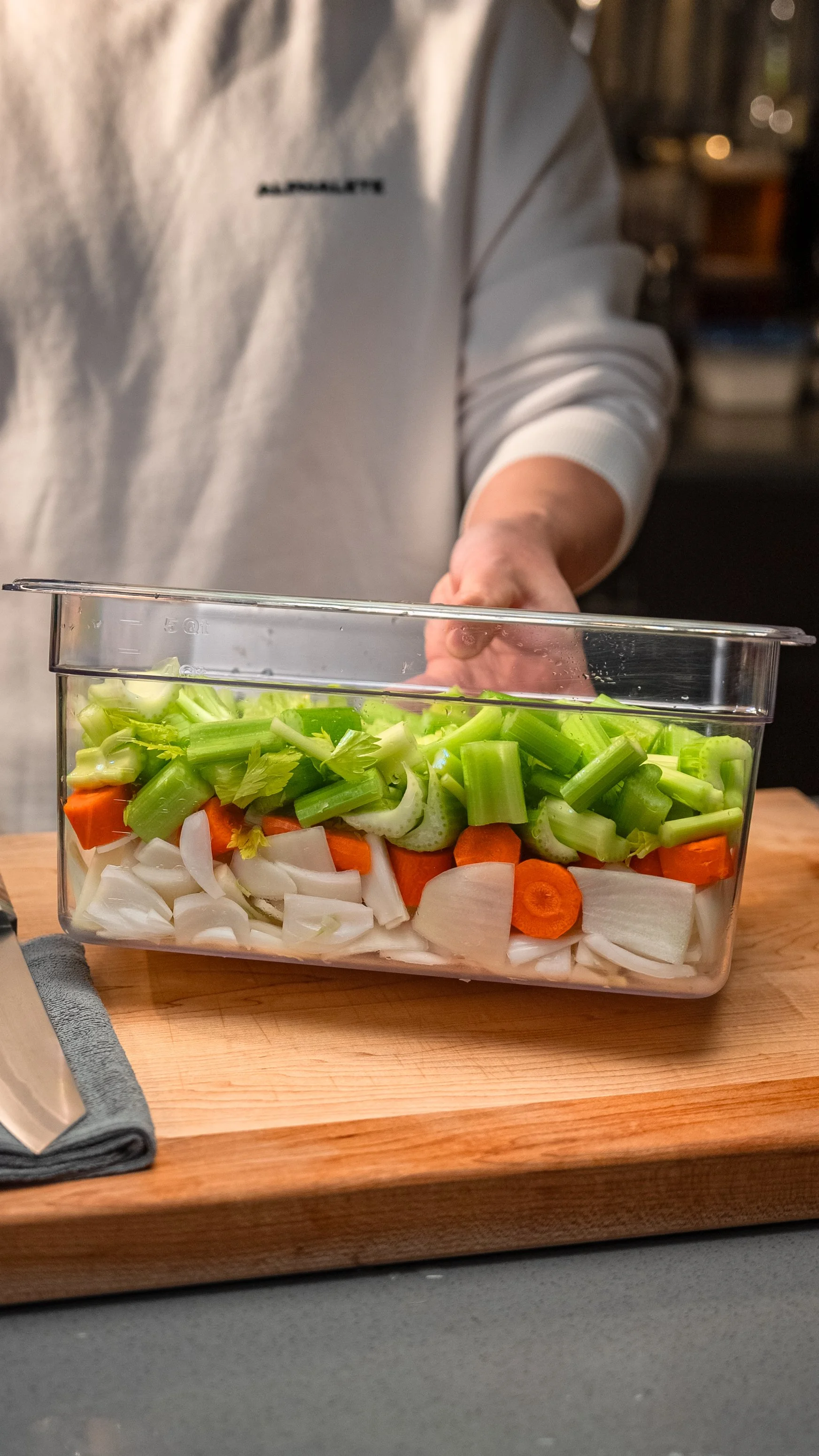
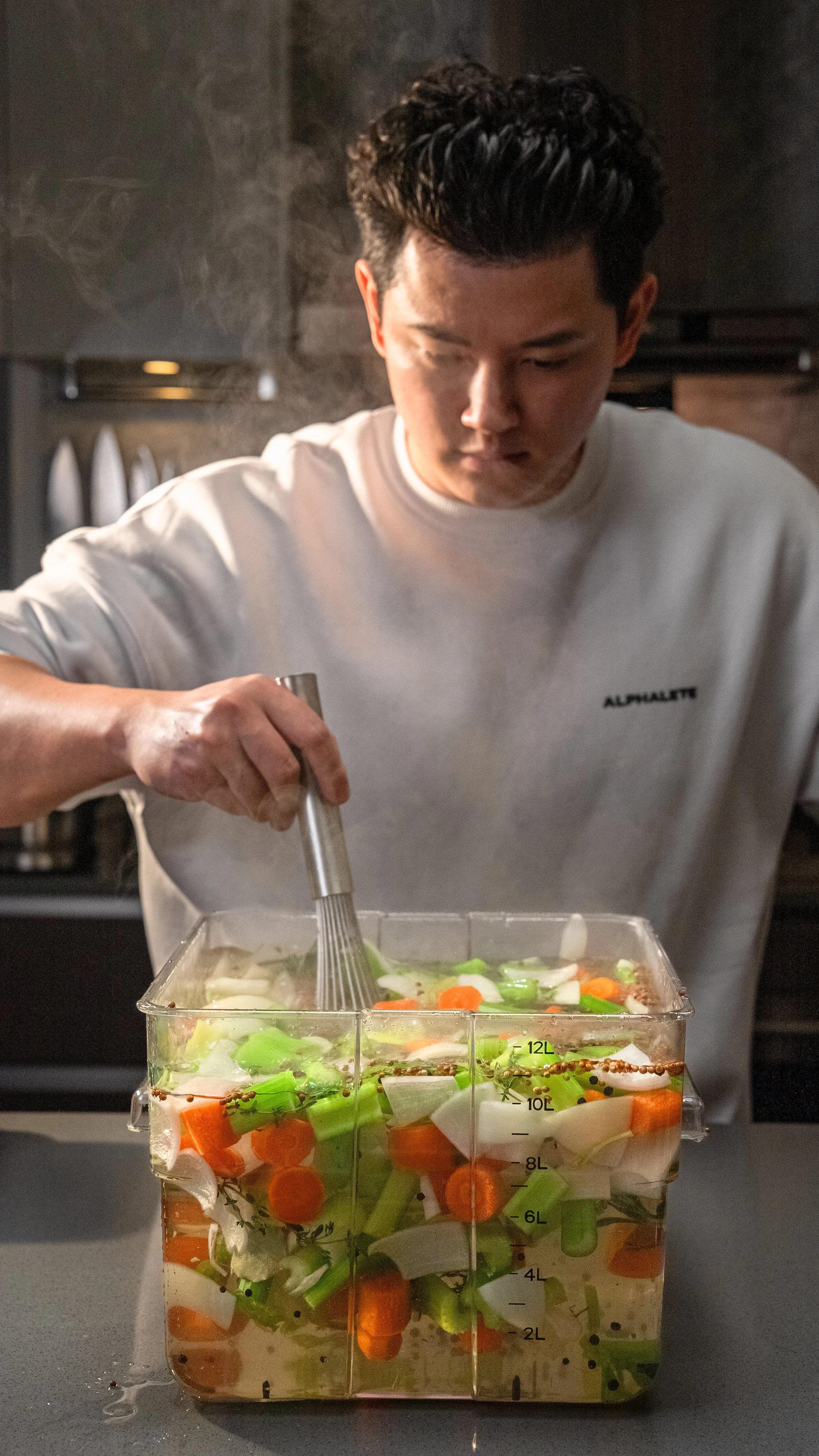
When you hear mirepoix, it refers to the trinity of onions, carrots, and celery. Typically, all three are diced and slow-cooked or sautéed. In this case, we are using the term mirepoix to steep slowly into a sugar and salt solution. Mirepoix helps to add complexity, savoriness, and natural sweetness.
Can I use honey or brown sugar instead of white sugar?
I recommend white sugar because brown sugar is basically white sugar with added molasses. By using brown sugar, you will change the color of the brine and alter the color of your protein. Using honey would also not be ideal because of this. You may remove white sugar completely but by adding white sugar, it balances the saltiness and helps promote browning when cooking the proteins.
Dry brine versus wet brine?
When brining there are a couple of ways to go about depending on the type of end result you’re looking for. When dry brining something like chicken in salt by rubbing it all over, it helps pull out moisture from the skin or protein resulting in a more cartoonish look. I used this method of brining in my “Perfect Roasted Chicken” recipe. Drying out the skin as much as possible before cooking either by deep frying, in the oven, air fryer, or even in a pan will give you a crispier result.
Wet brining helps permeate flavor into the protein to help retain its juices or enhances additional flavor and aromatics before cooking. You can still get a crispy result by patting dry the protein before cooking. After the wet brining period, you should always pat down as much as possible as there can be additional brining if the majority of the wet brine is not removed. I have done 24 hours of brining on chicken breasts, and it still does not taste very salty at all, but I find that it may be borderline so this recipe calls for 6 to 8 hours depending on the size of the breasts (or protein dependent).
Does brining really work?
Yes, it does work, and it is commonly done in a lot of restaurants that have tasty and juicy chicken. I learnt this technique from working at a restaurant for 8 years and have served many of their dishes that had brined chicken. Especially with specialty fried chicken sandwich spots, they like to brine, dredge and then deep fry. By wet brining, you are seasoning each layer inside and out to give an amazing result.
What can you do with brined chicken? How to cook it?
Brined chicken can be cooked however you like! Sous vide, air fried, in the oven, on the pan, on the grill, you name it! If you decide to sous vide after brining, just make sure to pan sear on high heat to give it that nice golden color. Presentation is a big part of a dish.
Can you use this brine recipe for other proteins?
Yes! You can use this brine recipe for turkey, lamb, pork, fish, you name it! I would only recommend brining protein and meats that are larger in thickness and size. Brining super thin proteins and meats is not necessary. You can season properly on the outside or marinate before cooking instead.
How long do I brine for?
For most proteins, go for 6 to 8 hours with this 5% salt brine recipe. There is quite a large forgiveness duration of up to even 24 hours depending on the size of your protein, but I would monitor carefully and use your own judgement.
Can I brine chicken breast without the skin?
Of course! In the video I am using what is called “full skin on chicken breast”, which is two chicken breasts with the skin attached. I love having chicken like this because after brining, I can easily throw it into the air fryer for 12 to 15 minutes and get a crispy puffed skin, and juicy tasty chicken.
Why is my chicken slightly pink inside after cooking it fully?
A pink tint in cooked chicken, even after brining, can be disconcerting, but it doesn't necessarily indicate that the chicken is undercooked or unsafe to eat. There are a few reasons why this might happen:
Myoglobin: Chicken, like other meats, contains a protein called myoglobin. Myoglobin is responsible for the red or pink color in meat. When chicken is cooked, myoglobin undergoes changes in color, turning from pink to tan or white. However, if the chicken is cooked slowly or at lower temperatures, myoglobin may retain a pinkish hue.
Brining: The brining process can affect the color of meat. The salt in the brine can break down muscle fibers and denature proteins, influencing the way myoglobin reacts to heat. Brined chicken might retain more moisture, which can impact the appearance of the cooked meat.
Smoking or Grilling: If you're using a smoker or a grill, the cooking method and the use of wood chips can also influence the color of the meat. Smoke contains compounds that can interact with the surface of the chicken, giving it a pinkish tint.
While a slight pink tint is generally safe, it's crucial to ensure that the chicken reaches a safe internal temperature to eliminate any harmful bacteria. The USDA recommends cooking chicken to an internal temperature of at least 165°F (74°C). Use a meat thermometer to check the temperature at the thickest part of the chicken, avoiding contact with bones.
If you're concerned about the color and want to ensure the chicken is thoroughly cooked, continue cooking until the internal temperature reaches the recommended level. This will help you achieve a balance between food safety and the desired appearance of the cooked chicken.
Other Restaurant Inspired Recipes
Restaurant Inspired (Cactus Club Cafe, Mui Garden, Nobu, Phnom Penh Restaurant, The Lunch Lady)
Love the recipe?
Make sure to follow me on Instagram, TikTok, YouTube, and Pinterest to stay up to date with all of my content!
Sign up for my free newsletter to receive cooking tips & recipe updates!
If you made this recipe, send me a picture and tag it with #W2Recipes.
I would love to see your re-creations on Instagram @willhkwong.
If you liked this recipe, Pin it to Pinterest! 👇🏻


Hainanese chicken rice is a classic dish that originates from Hainan, a province in southern China, but has become…