
This post may contain affiliate links. Please read my disclosure policy for details.
As an Amazon Associate, I earn from qualifying purchases.
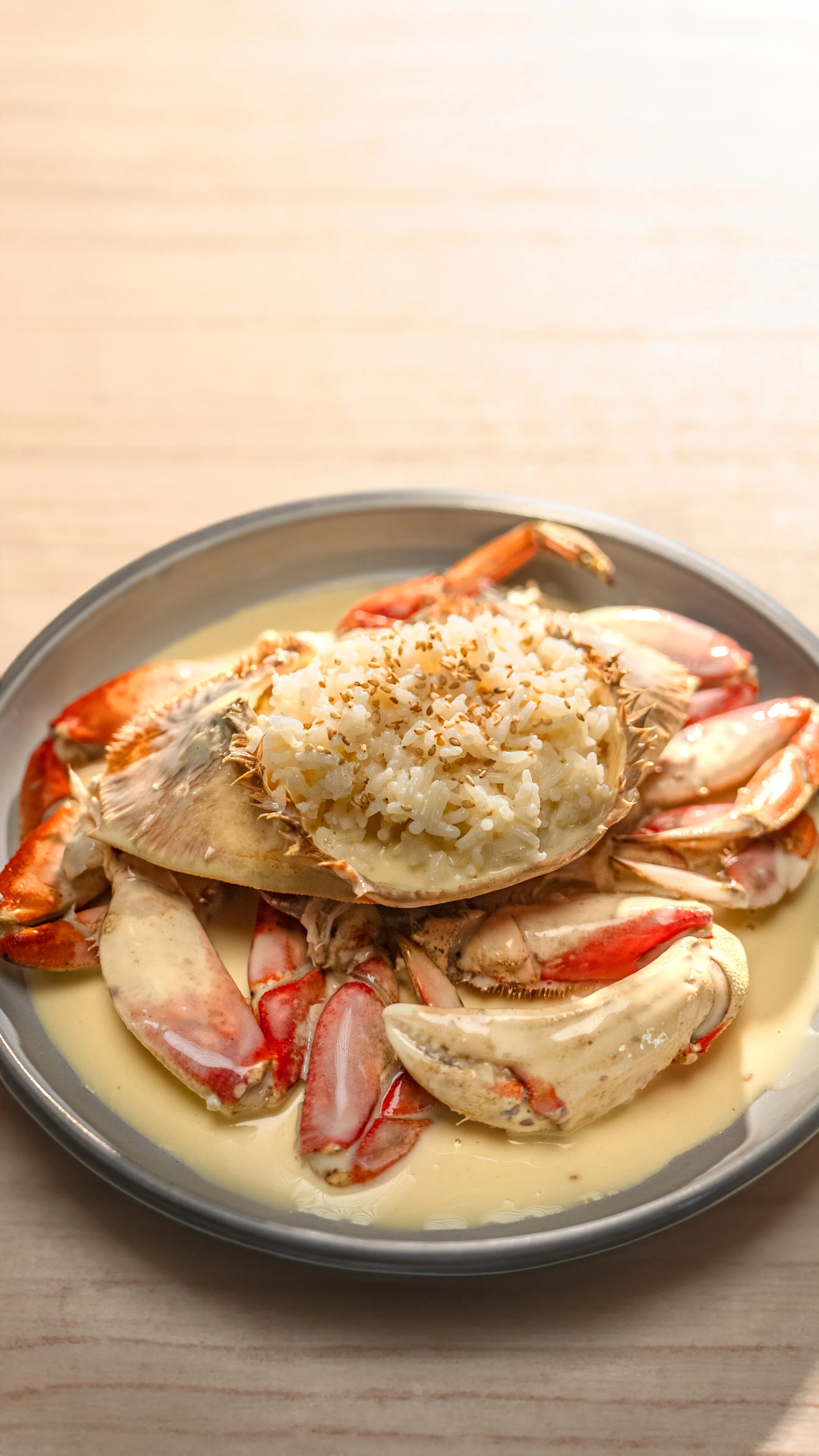
What is Beurre Blanc?
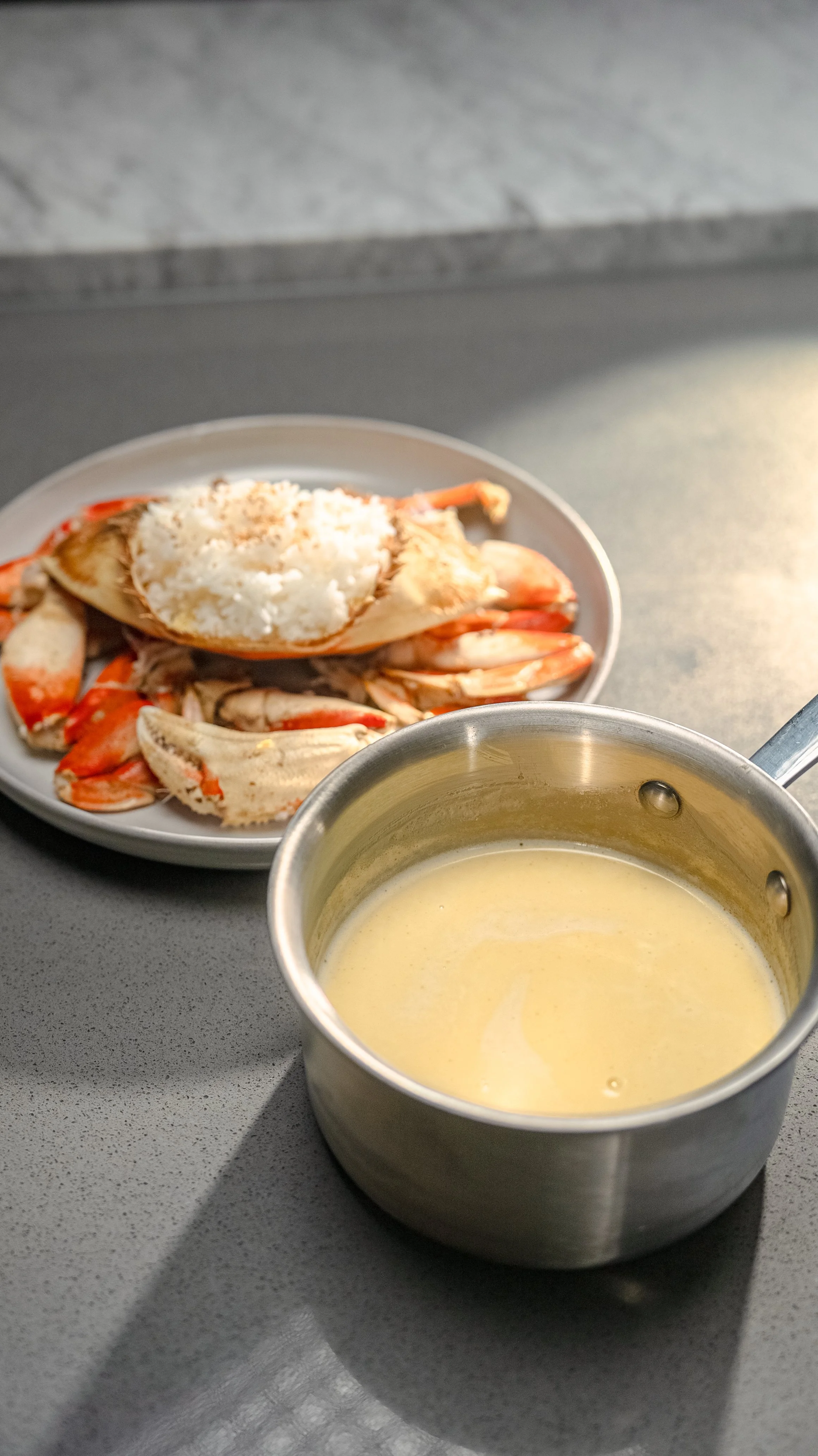
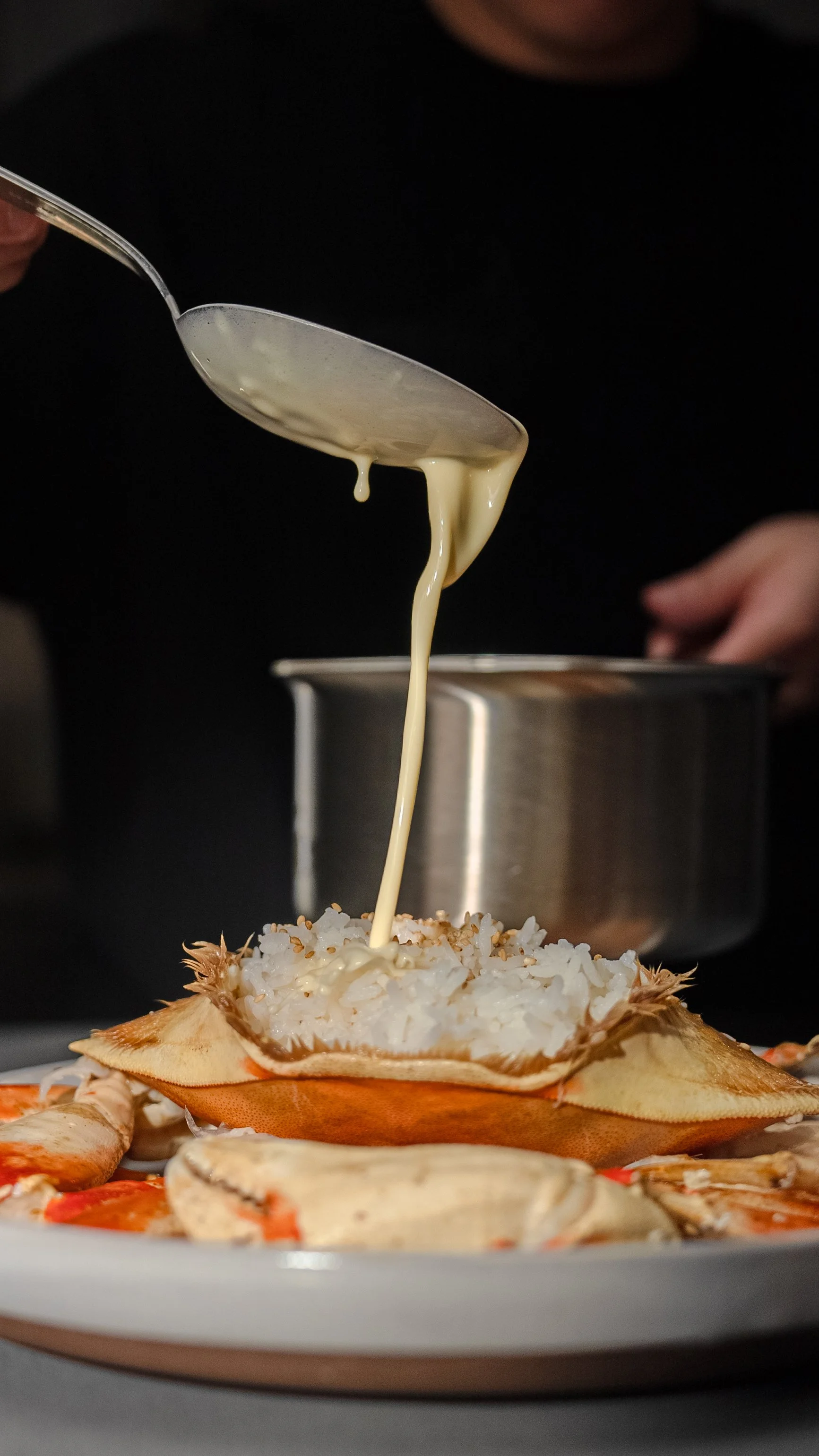
Beurre Blanc, translated from French as "white butter," is a classic French sauce known for its luxurious and velvety texture. It is a flavorful emulsified sauce made with butter, white wine, vinegar, and shallots. Beurre Blanc is often used to accompany fish, seafood, and poultry dishes, adding richness and a delightful balance of flavors.
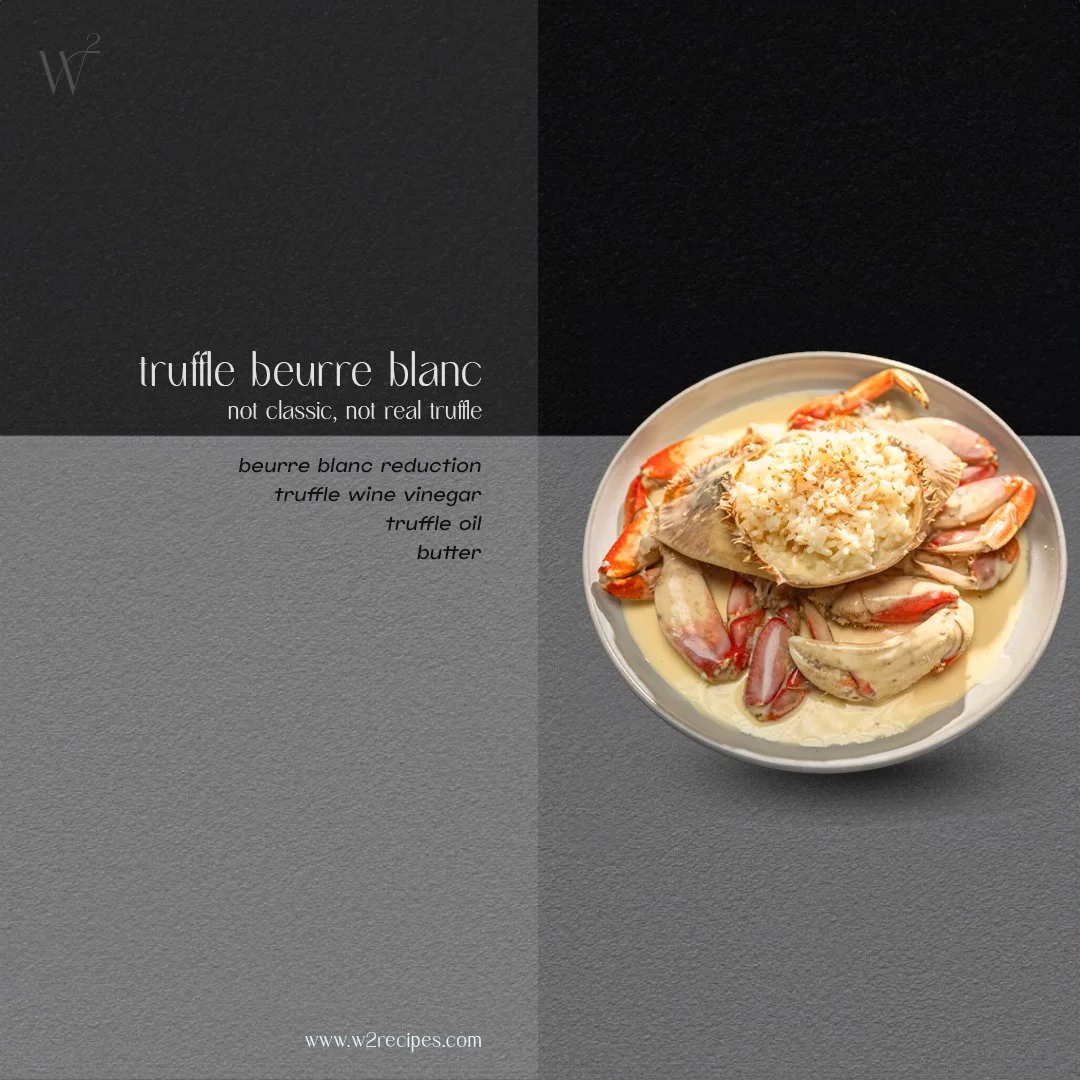
For this variation, I am making it a “Truffle Beurre Blanc” by adding Truffle Oil and Truffle Wine Vinegar. Of course, real truffle will be best.
Key Ingredient?
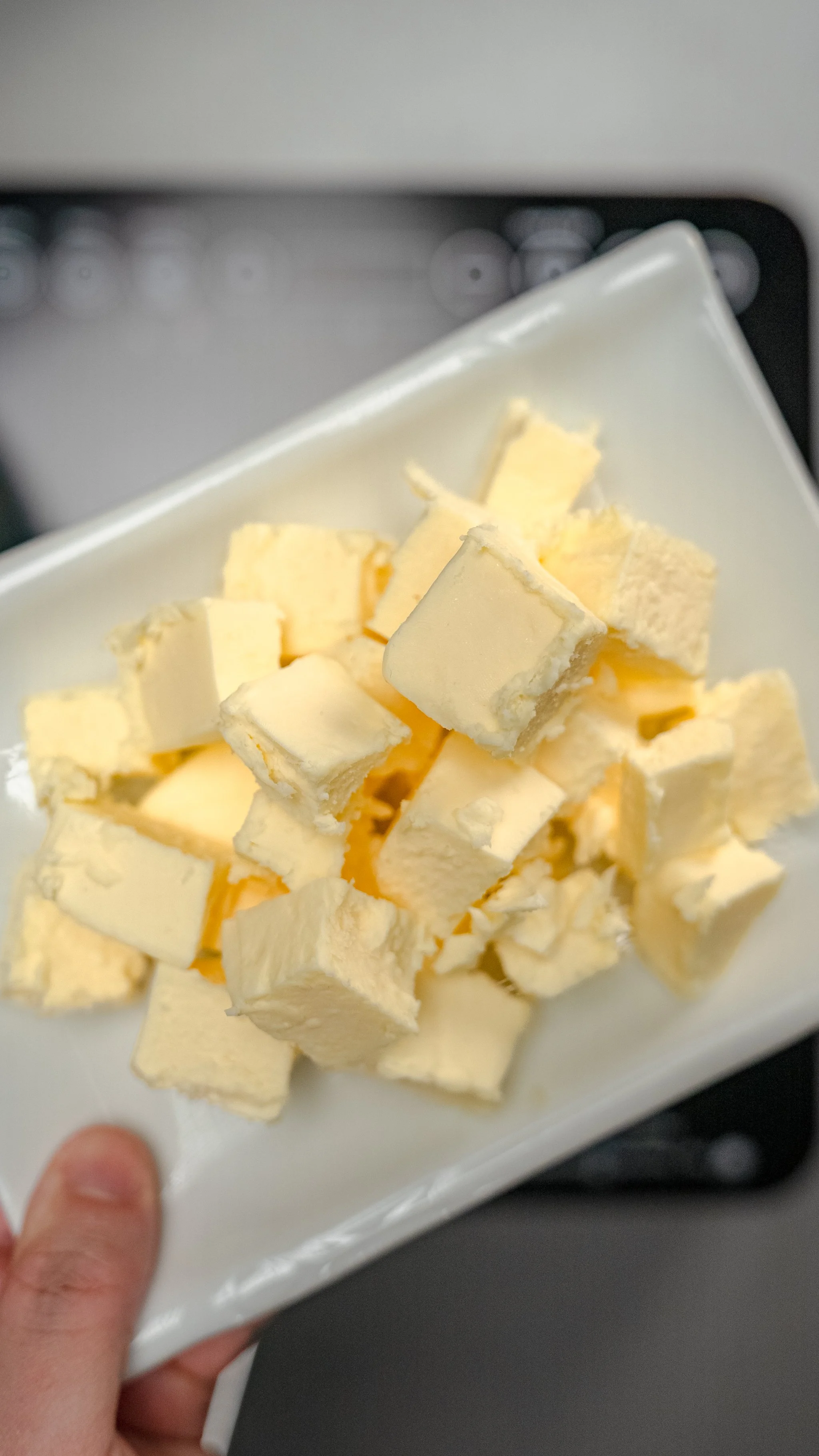
Cold Unsalted Butter
Using cold butter in the preparation of Beurre Blanc is crucial for achieving the desired texture and emulsification in the sauce. The cold butter is gradually incorporated into the reduced wine mixture, and this process is integral to the success of a classic Beurre Blanc for several reasons:
Emulsification: Beurre Blanc is essentially an emulsion of butter in a liquid (white wine reduction). Emulsification is the process of dispersing fat (butter in this case) into a liquid in such a way that a stable mixture is formed. Starting with cold butter and gradually whisking it into the sauce helps create and maintain this emulsion.
Creamy Texture: Cold butter, when slowly incorporated into the sauce, maintains its structure and solid state for longer. This gradual addition ensures a creamy and velvety texture in the final sauce. If the butter were too soft or melted, the emulsion might break, resulting in a separated and greasy sauce.
Controlled Emulsion: Adding cold butter in small increments allows for better control over the emulsion process. The butter is more likely to integrate smoothly with the liquid, creating a stable and uniform sauce. Rapidly melting or overly soft butter could lead to difficulties in achieving and maintaining the emulsion.
Here's a typical process for incorporating cold butter into Beurre Blanc:
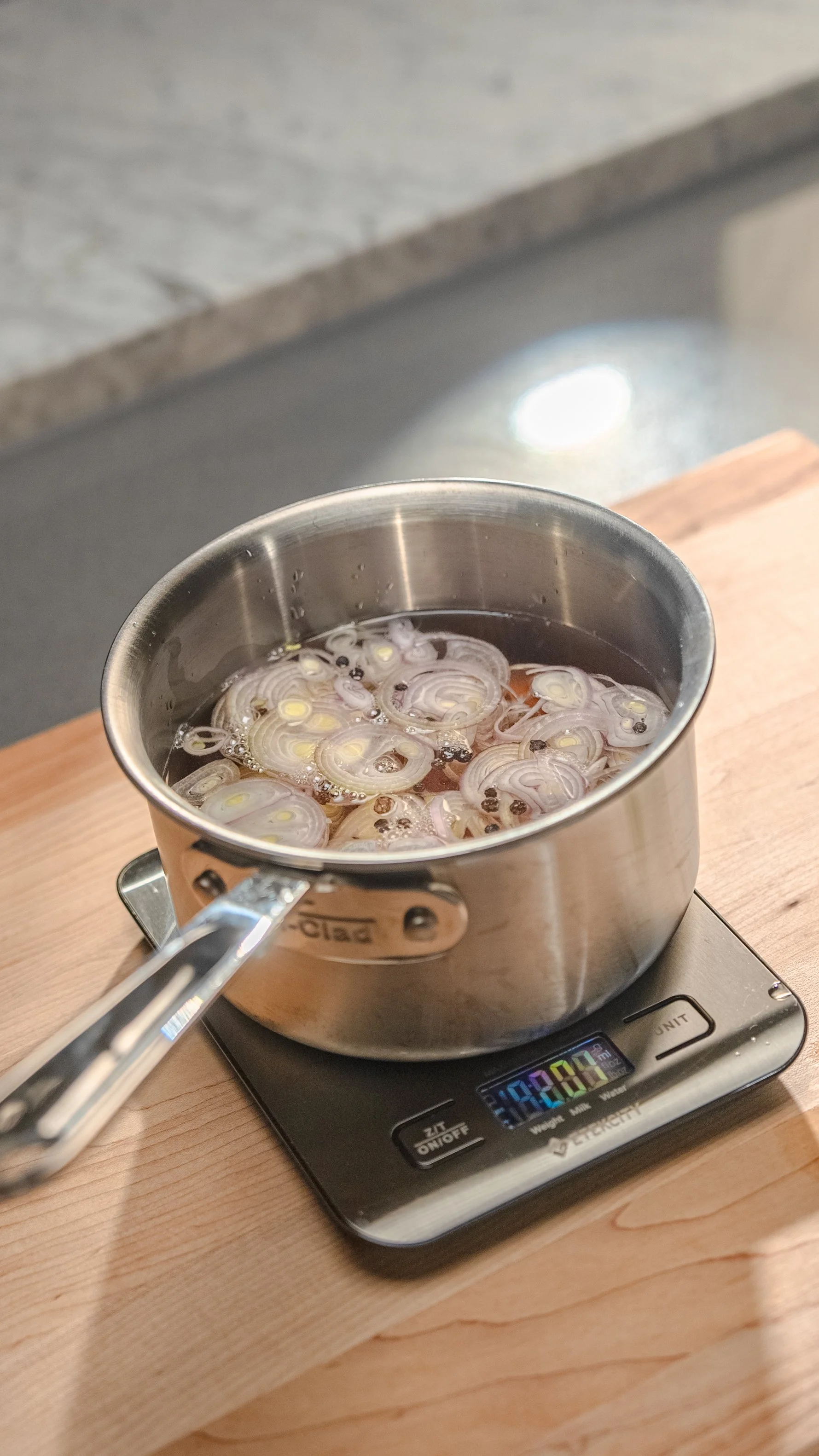
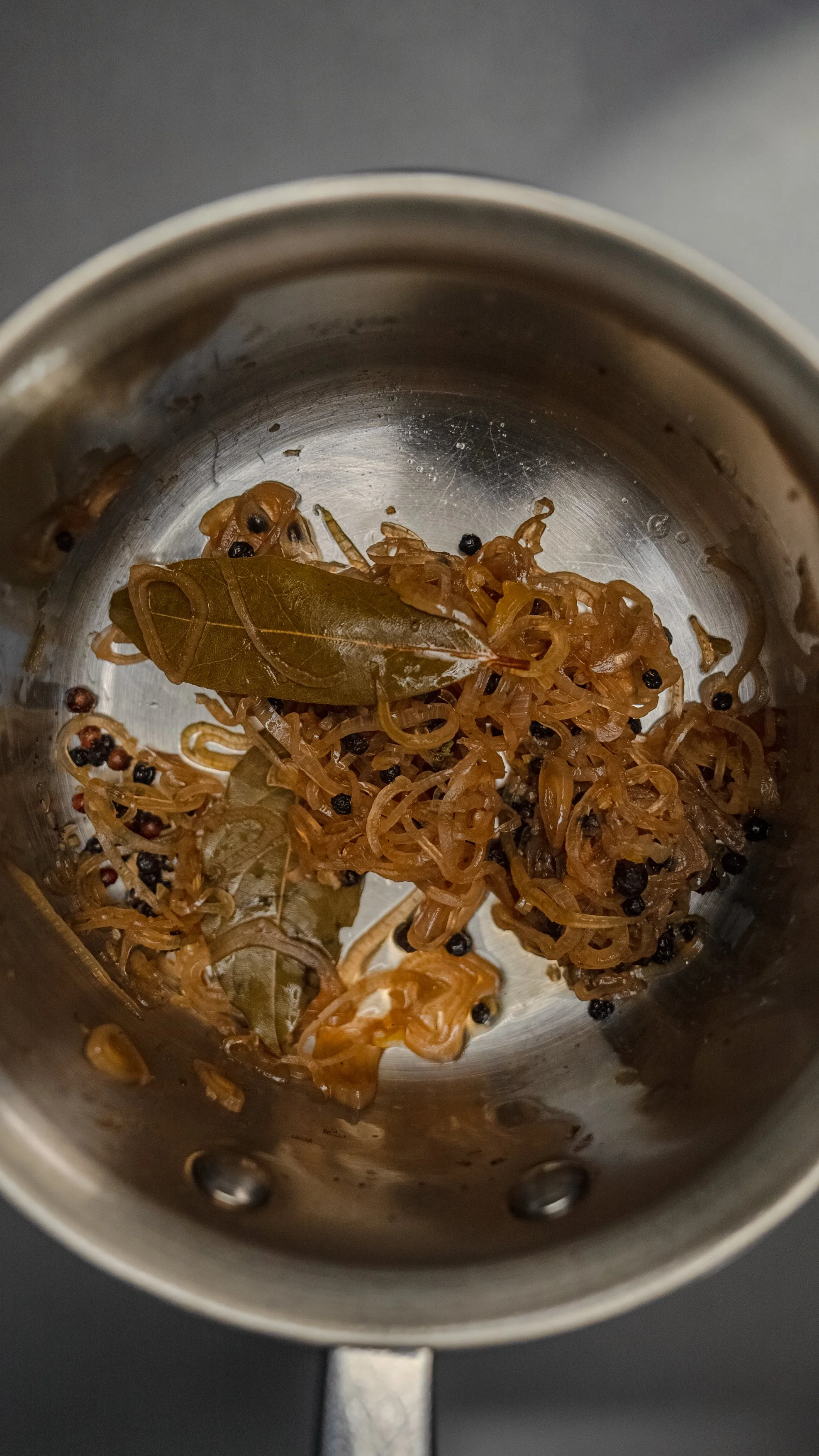
After reducing the wine mixture, the pan is taken off the heat.
Cold butter cubes are gradually whisked into the warm reduction, one or two cubes at a time.
The whisking continues until each addition of butter is fully incorporated before adding more.
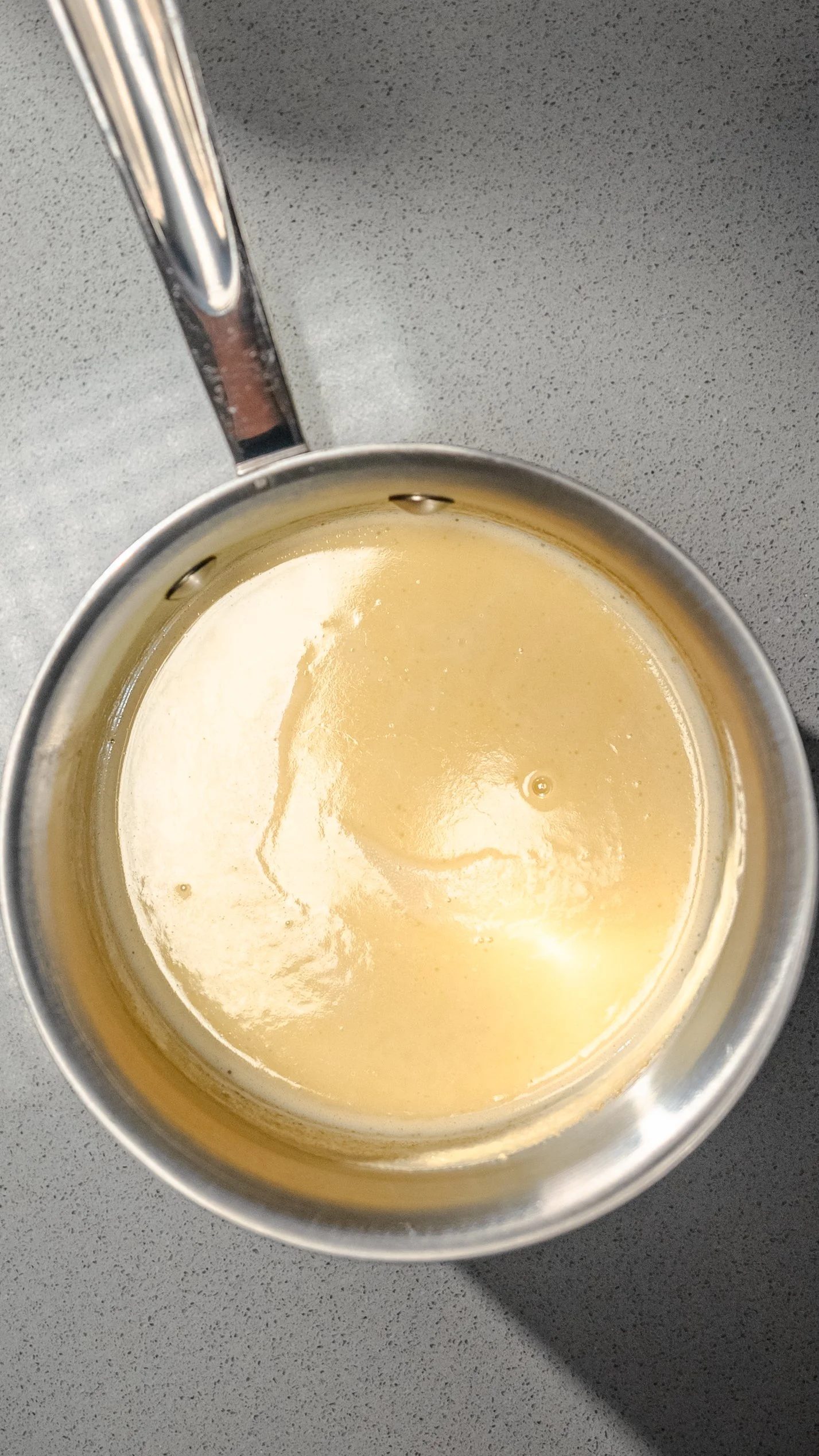
This process is repeated until all the butter is emulsified into the sauce, creating a smooth and glossy texture.
By using cold butter and adding it gradually, you enhance the chances of creating a beautifully emulsified Beurre Blanc that is rich, creamy, and has a velvety consistency.

FAQs
What If I Don’t Have It?
See substitution suggestions above. For this recipe, the combination of all other ingredients is mandatory to create this flavorful dish.
What is emulsification?
Emulsification in Beurre Blanc is the process of combining two immiscible ingredients, in this case, butter and a reduction (usually made from white wine, vinegar, and shallots), into a stable and smooth mixture. The goal of emulsification is to create a sauce with a velvety texture, where the butter is evenly dispersed in the liquid, resulting in a rich and flavorful consistency.
Here's a breakdown of the emulsification process in Beurre Blanc:
Reduction: The process often begins with reducing white wine, vinegar, and shallots to concentrate the flavors. This reduction serves as the liquid component of the Beurre Blanc.
Cold Butter: Cold, unsalted butter is cut into small cubes. The butter's temperature is essential; it should be cold but not rock solid.
Gradual Incorporation: The cold butter is gradually whisked into the warm reduction, typically one or two cubes at a time. The slow and steady addition of butter allows the emulsion to form without breaking.
Continuous Whisking: Whisking is a crucial step in the emulsification process. It ensures that the butter integrates smoothly into the reduction, creating a stable mixture. Continuous whisking helps maintain the emulsion by preventing the separation of the butterfat from the liquid.
Smooth and Glossy Texture: As the butter is incorporated and emulsified into the reduction, the Beurre Blanc transforms into a smooth, glossy sauce with a luxurious texture. The resulting sauce should have a balanced flavor, with the richness of the butter complemented by the acidity of the reduction.
Emulsification is a delicate process, and attention to detail is essential to achieve the desired consistency and flavor in Beurre Blanc. Factors such as temperature, gradual butter incorporation, and continuous whisking play crucial roles in the success of the emulsification process. If done correctly, the result is a decadent sauce that enhances the flavors of various dishes, particularly seafood and poultry.
What causes my sauce to split?
Beurre Blanc can split or break for various reasons, and understanding these factors can help you troubleshoot and prevent it from happening. Here are some common reasons why a Beurre Blanc might split:
Temperature Imbalance: The temperature of the ingredients is crucial in emulsification. If the butter is too cold or the reduction is too hot, the emulsion can break. Ensure that the butter is cold but not rock solid, and the reduction is warm but not boiling.
Adding Butter Too Quickly: Emulsification is a gradual process, and adding the cold butter too quickly can overwhelm the emulsion. Slowly incorporate the butter one or two cubes at a time, allowing each addition to fully incorporate before adding more.
Overheating: Excessive heat can cause the sauce to split. Once the reduction is ready, remove it from direct heat before adding the butter. If the sauce gets too hot during the butter incorporation, it may break.
Incorrect Ratio of Ingredients: The balance of acid (from the reduction) and fat (from the butter) is critical. If the ratio is off, the emulsion may not form properly. Adjust the proportions or try a different method of emulsification.
Old or Improperly Stored Butter: If the butter is old or has been stored improperly, it may not emulsify well. Use fresh, high-quality unsalted butter for the best results.
Inadequate Whisking: Emulsification requires consistent and thorough whisking. If you stop whisking too soon or if the whisking is not vigorous enough, the emulsion may break.
Use of Unsalted Butter: Some chefs recommend using salted butter for Beurre Blanc as the salt can help stabilize the emulsion. If you're using unsalted butter, ensure that you add enough salt to maintain stability.
If your Beurre Blanc does split, you can try to salvage it by removing it from heat, allowing it to cool slightly, and then whisking in a small amount of cold water or cream. If the sauce has fully broken, you might need to start over, paying careful attention to the factors mentioned above.
What can I do to fix my split sauce?
If your Beurre Blanc has split, meaning it has separated into a greasy, liquid layer and small particles of butter, you can try to fix it. Here are some steps you can take to salvage a split Beurre Blanc:
Remove from Heat: Immediately remove the saucepan from the heat source to prevent further separation. Let it cool slightly.
Whisk Vigorously: Whisk the sauce vigorously to encourage the butter to re-emulsify with the liquid. This can sometimes bring the sauce back together.
Add Cold Water or Cream: If whisking alone doesn't resolve the issue, you can try adding a small amount of cold water or cold heavy cream to the sauce while whisking continuously. This can help re-emulsify the sauce.
Use an Immersion Blender: For a more intensive approach, you can use an immersion blender to blend the sauce. This can help break down the butter particles and create a smoother, emulsified texture.
Strain the Sauce: If the above steps don't work, you can strain the sauce through a fine-mesh sieve to remove any remaining butter particles. This will give you a smoother but slightly thinner sauce.
Start Over: If all else fails, you may need to start over with a new reduction and slowly incorporate the split sauce into the new reduction while whisking continuously.
Preventing the sauce from splitting in the first place is ideal, so ensure that you are following best practices for emulsification, such as using cold butter, incorporating it gradually, and maintaining proper temperature control. If you encounter persistent issues with splitting, adjusting the ratio of liquid to butter or using an emulsifying agent like mustard can sometimes help.
Why is there heavy whipping cream?
The addition of heavy whipping cream to Beurre Blanc serves several purposes, enhancing the texture, stability, and flavor of the sauce. While traditional Beurre Blanc recipes rely solely on the emulsification of butter in a reduction (usually white wine, vinegar, and shallots), incorporating heavy whipping cream introduces a few notable benefits:
Stability and Emulsification: Heavy whipping cream contains a higher fat content than the water-based reduction, providing additional stability to the emulsion. The emulsification process becomes more forgiving, making it less prone to breaking or separating. This can be particularly helpful for home cooks or those less experienced with the delicate art of emulsifying a classic Beurre Blanc.
Texture Enhancement: The creaminess of heavy whipping cream contributes to a luxurious and velvety texture in the Beurre Blanc. The sauce becomes richer and silkier, elevating its overall mouthfeel.
Balancing Flavors: Heavy cream adds a touch of sweetness to the sauce, which can help balance the acidity from the reduction and the richness of the butter. This balanced flavor profile enhances the versatility of Beurre Blanc, making it suitable for a wider range of dishes.
Versatility in Pairing: The addition of heavy whipping cream expands the sauce's versatility, allowing it to pair well with a broader spectrum of proteins, including those with higher fat content. It can complement the flavors of poultry, pork, and even certain cuts of beef.
While the inclusion of heavy whipping cream is not a traditional element in classic French Beurre Blanc, it represents a variation that can simplify the emulsification process and add a luxurious touch to the sauce. It's essential to recognize that this variation may result in a sauce with a slightly different flavor profile and texture compared to the traditional version.
Why is my Beurre Blanc loose and thin?
If your Beurre Blanc is turning out loose and thin instead of having the desired creamy and velvety texture, several factors may be contributing to this issue. Here are some common reasons why your Beurre Blanc might be too thin:
Insufficient Reduction: The reduction of the initial liquid (usually white wine, vinegar, and shallots) might not have been reduced enough before adding the butter. A proper reduction concentrates flavors and helps create a stable base for emulsification.
Butter Too Soft: The temperature of the butter is crucial. If the butter is too soft or partially melted before being incorporated into the reduction, it can result in a thinner sauce. Ensure that the butter is cold and added gradually.
Adding Butter Too Quickly: Emulsification is a gradual process. If the butter is added too quickly, the emulsion can break, resulting in a thinner sauce. Add the cold butter one or two cubes at a time, allowing each addition to fully incorporate before adding more.
High Heat: Excessive heat during the emulsification process can cause the sauce to become too thin. The saucepan should be taken off the heat before adding the butter to avoid overheating.
Not Whisking Enough: Proper and continuous whisking during the incorporation of butter is crucial for emulsification. If you stop whisking too soon or if the whisking is not vigorous enough, the emulsion may not form properly.
Improper Ratio of Ingredients: The balance between the reduction and butter is crucial. If there is too much liquid or not enough butter, the sauce may be thinner than desired. Adjust the proportions to achieve the desired consistency.
To fix a Beurre Blanc that is too thin, you can try the following:
Thicken with Butter: Gradually whisk in additional cold butter, one or two cubes at a time, until the desired thickness is achieved.
Reduce Further: If the flavor balance allows, you can return the sauce to heat and continue to reduce it, concentrating the flavors and thickening the sauce.
Add a Starch Slurry: Mix a small amount of cornstarch or flour with cold water to create a slurry. Whisk the slurry into the Beurre Blanc and heat briefly to thicken.
Remember that achieving the perfect Beurre Blanc may require some practice, as it involves finding the right balance between reduction, butter incorporation, and overall technique.
How can I keep my sauce hot?
Keeping Beurre Blanc hot without it breaking or separating requires careful attention to temperature control and timing. Here are some tips to help you maintain the temperature and consistency of your Beurre Blanc:
Use a Double Boiler or Bain-Marie: Place the saucepan with Beurre Blanc over a double boiler or a bain-marie. This indirect heat method helps to keep the sauce warm without exposing it to direct heat, reducing the risk of overheating and breaking.
Low Heat: If using direct heat, keep the burner on the lowest setting. Beurre Blanc is sensitive to high temperatures, and excessive heat can cause it to break. Gentle and consistent low heat is key.
Thermos or Insulated Container: Transfer the Beurre Blanc to a pre-warmed thermos or insulated container. This can help maintain the sauce's temperature for a longer period without exposure to direct heat.
Keep Covered: If you need to hold Beurre Blanc on the stovetop, cover the saucepan with a lid. This helps retain heat and prevent the sauce from cooling too quickly.
Reheat Gradually: If the Beurre Blanc cools down and needs reheating, do it gradually. Use gentle heat and whisk continuously to avoid breaking the emulsion.
Avoid Extended Holding: While Beurre Blanc can be kept warm for a short period, it's best served fresh. Avoid holding it for an extended period, as the risk of separation increases over time.
Warm Serving Dish: If you're serving the Beurre Blanc over a dish, warm the serving dish beforehand. A warm dish can help maintain the temperature of the sauce as it's served.
Remember that Beurre Blanc is a delicate sauce, and maintaining its temperature without breaking requires attention and care. If the sauce does break, you can attempt to salvage it by whisking in a small amount of cold water or cream while gently reheating. However, prevention through proper temperature control during preparation and service is the key to success.
What is truffle wine vinegar?
Truffle wine vinegar is a type of vinegar that is infused with the flavor and aroma of truffles. Truffles are highly prized and aromatic fungi that grow underground, usually near the roots of certain trees. They have a distinct and intense flavor, often described as earthy, pungent, and complex.
Truffle wine vinegar is made by steeping truffle pieces or truffle essence in wine vinegar. The type of wine used in the vinegar can vary, but it's typically a white wine vinegar or red wine vinegar, depending on the desired flavor profile. The infusion process allows the vinegar to absorb the unique and savory characteristics of truffles, creating a rich and aromatic condiment.
This specialty vinegar is often used to add a touch of luxury and depth to a variety of dishes. Its earthy and umami notes make it a popular choice for salad dressings, marinades, sauces, and other culinary creations. Truffle wine vinegar can be a versatile and exquisite ingredient in the kitchen, enhancing the overall flavor profile of dishes with its distinctive truffle essence.
When using truffle wine vinegar, it's advisable to start with a small amount, as its flavor can be potent. The vinegar should be stored in a cool, dark place to preserve its quality and intensity.
Which white wine should I use?
Choosing the best white wine for Beurre Blanc involves selecting a wine that complements the richness of the butter while providing a balanced acidity. Here are some general guidelines for selecting a white wine for Beurre Blanc:
Dry and Crisp: Choose a dry and crisp white wine with good acidity. The acidity will balance the richness of the butter and contribute to the overall flavor profile of the sauce.
Avoid Oaked Wines: While oaked white wines can add complexity to certain dishes, for Beurre Blanc, it's generally advisable to avoid heavily oaked wines. The strong oak flavors may overpower the delicate taste of the sauce.
Sauvignon Blanc: Sauvignon Blanc is a popular choice for Beurre Blanc due to its bright acidity and citrusy notes. It pairs well with seafood and poultry, making it a versatile option.
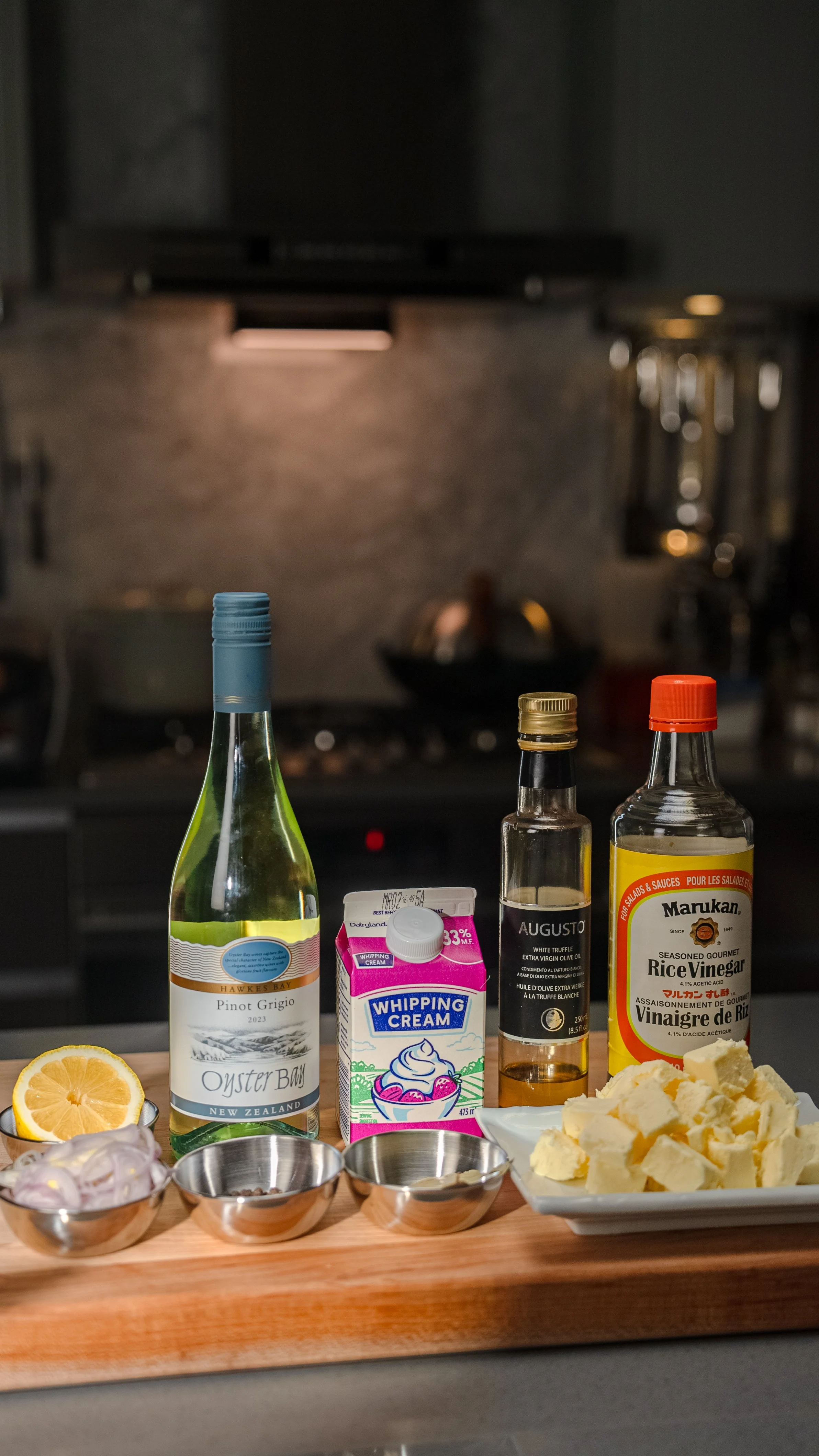
Pinot Grigio: Pinot Grigio is another excellent choice, known for its crisp and refreshing characteristics. It works well in Beurre Blanc, contributing a light and clean flavor.
Chardonnay: If you choose Chardonnay, opt for an unoaked or lightly oaked version. Unoaked Chardonnay can provide a nice balance of acidity without overwhelming the sauce with oak flavors.
Dry Riesling: A dry Riesling can also be a good option, especially if you appreciate a touch of sweetness. Look for a dry Riesling with vibrant acidity to enhance the sauce.
Remember that the wine you choose should be one that you enjoy drinking, as some of the flavors will carry into the final sauce. Additionally, the specific flavor profile you desire in your Beurre Blanc can influence your choice of white wine.
As a general rule, avoid using cooking wines with added salt or other additives, as these can negatively impact the flavor of the sauce. Choose a quality white wine that you would be happy to drink, and it will likely contribute to a delicious Beurre Blanc.
What is the difference between seasoned and unseasoned rice wine vinegar?
Marukan produces both seasoned rice wine vinegar and unseasoned rice vinegar. The main difference between the two lies in their flavor profiles and intended uses:
Seasoned Rice Wine Vinegar:
Ingredients: Seasoned rice wine vinegar typically contains rice vinegar, sugar, and salt. The addition of sugar and salt gives it a milder and slightly sweeter taste compared to unseasoned rice vinegar.
Flavor Profile: The seasoned version has a well-balanced flavor that combines the acidity of rice vinegar with a hint of sweetness and saltiness. It is versatile and is often used in salad dressings, marinades, and various Asian dishes to add a touch of sweetness.
Common Uses: Ideal for dishes where a subtle sweet and tangy flavor is desired. It works well in sushi rice, salad dressings, and sauces.
Unseasoned Rice Vinegar:
Ingredients: Unseasoned rice vinegar contains only rice vinegar, without the addition of sugar or salt.
Flavor Profile: Unseasoned rice vinegar has a clean, sharp, and acidic taste. It lacks the sweetness and saltiness found in the seasoned version, making it more suitable for recipes where those flavors are not desired.
Common Uses: Unseasoned rice vinegar is often used in recipes where a pure and intense acidity is needed. It's a staple in Asian cuisine and is commonly used in pickling, dipping sauces, and certain dressings.
When choosing between seasoned and unseasoned rice vinegar, consider the specific requirements of your recipe. If you want a mild, sweet, and slightly salty flavor, opt for seasoned rice vinegar. If you prefer a pure and tangy acidity without added sweetness or saltiness, choose unseasoned rice vinegar. Both varieties have their applications in the kitchen, and the choice depends on the desired taste in your culinary creation.
In this recipe, I am using Marukan brand Seasoned Rice Wine Vinegar (orange cap).
Other Restaurant Inspired Recipes
Restaurant Inspired (Cactus Club Cafe, Din Tai Fung, Mui Garden, Nobu, Phnom Penh Restaurant, The Lunch Lady)
Love the recipe?
Make sure to follow me on Instagram, TikTok, YouTube, and Pinterest to stay up to date with all of my content!
Sign up for my free newsletter to receive cooking tips & recipe updates!
If you made this recipe, send me a picture and tag it with #W2Recipes.
I would love to see your re-creations on Instagram @willhkwong.
If you liked this recipe, Pin it to Pinterest! 👇🏻


A salmon mosaic typically refers to a dish where salmon fillets are arranged in a decorative or artistic pattern,…