
This post may contain affiliate links. Please read my disclosure policy for details.
As an Amazon Associate, I earn from qualifying purchases.
What is Nam Jim Jaew?
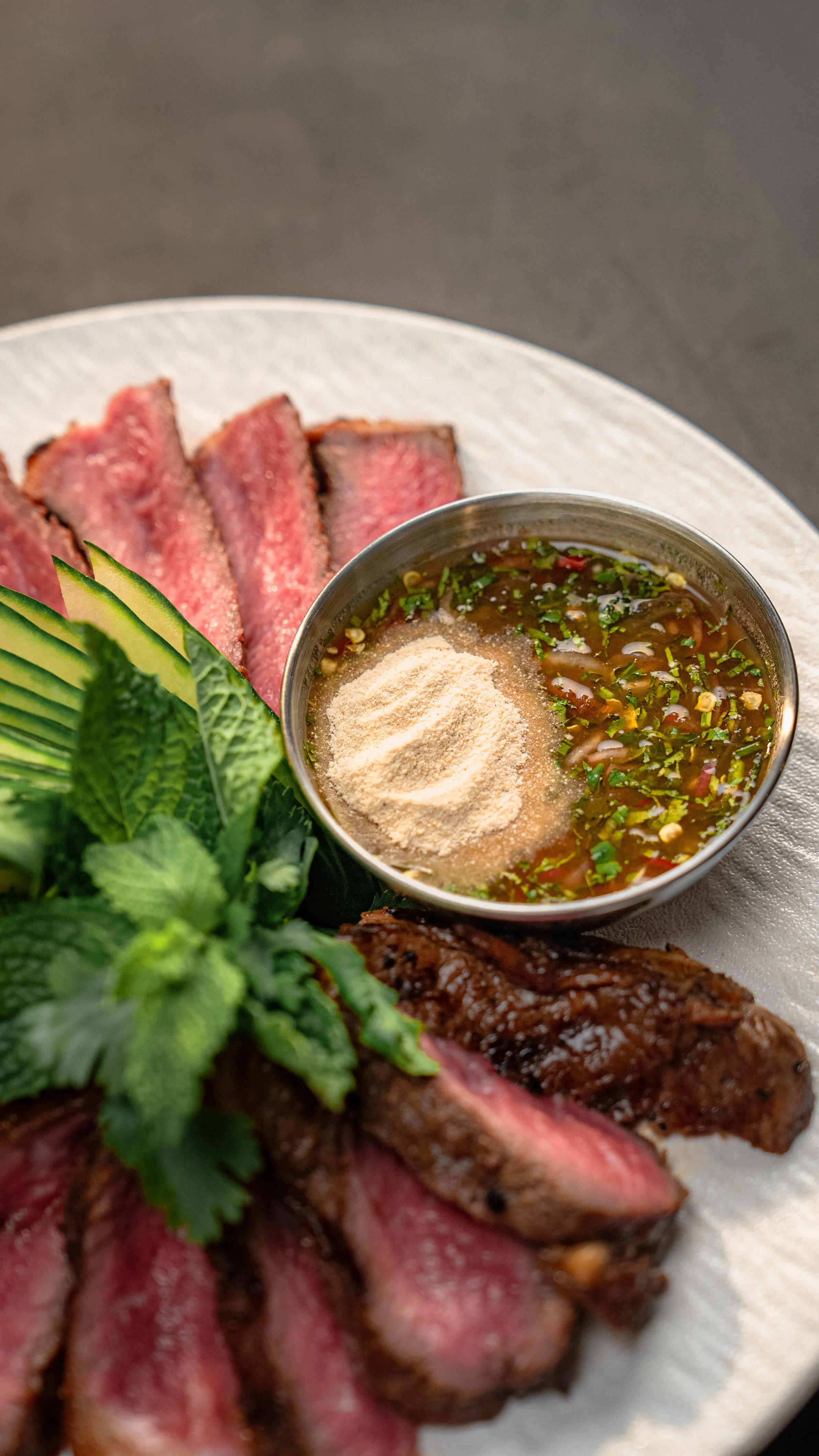
Nam Jim Jaew (น้ำจิ้มแจ่ว) is a popular Thai dipping sauce hailing from the northeastern region of Thailand, known as Isaan. This sauce is characterized by its tangy, spicy, and slightly sweet flavor profile, making it a perfect accompaniment for grilled meats, especially beef, pork, and chicken.
Key Ingredients:
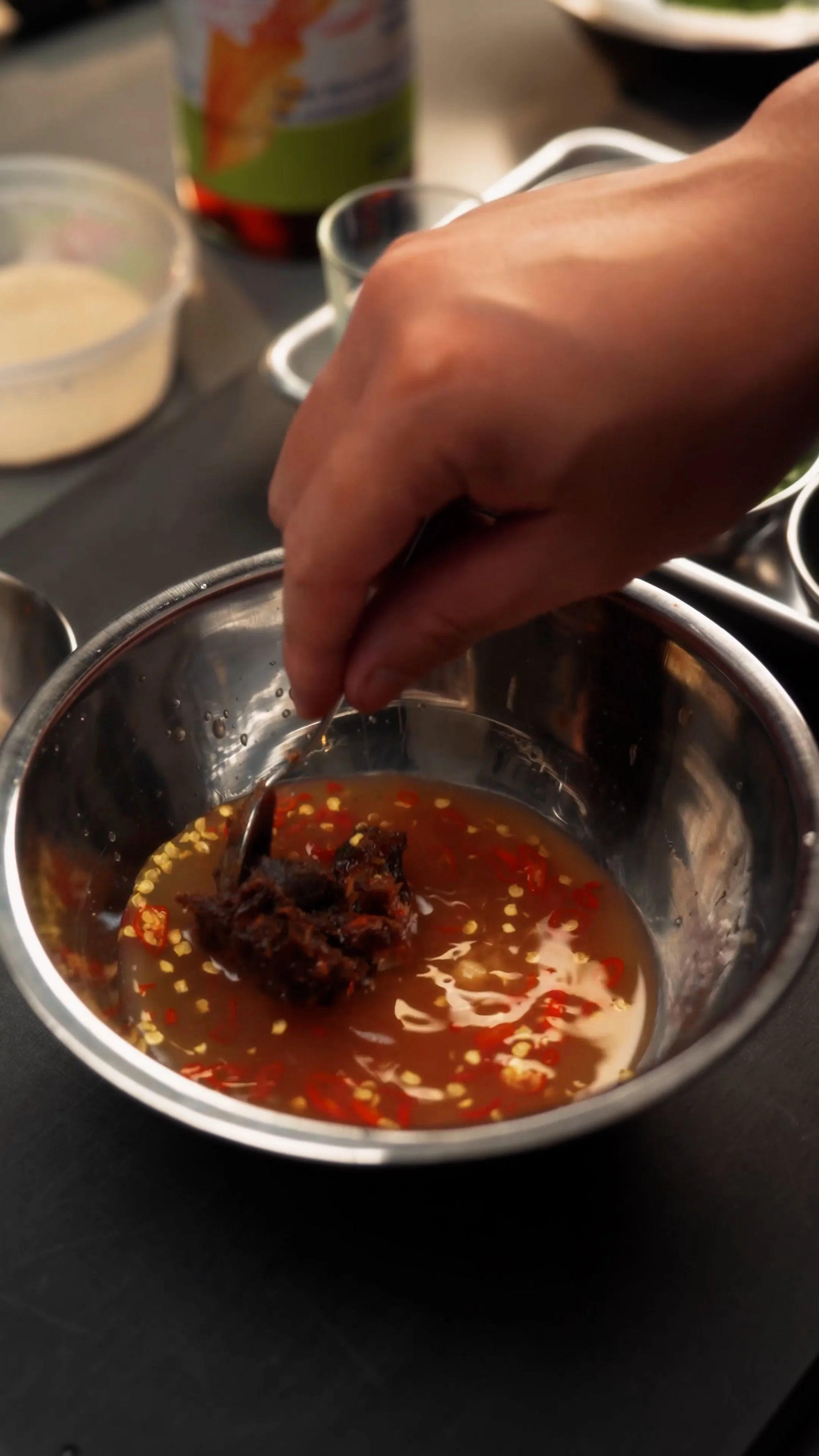
Tamarind Paste: Provides a tangy, slightly sour base.
Fish Sauce: Adds a salty, umami depth.
Lime Juice: Enhances the sourness and adds freshness.
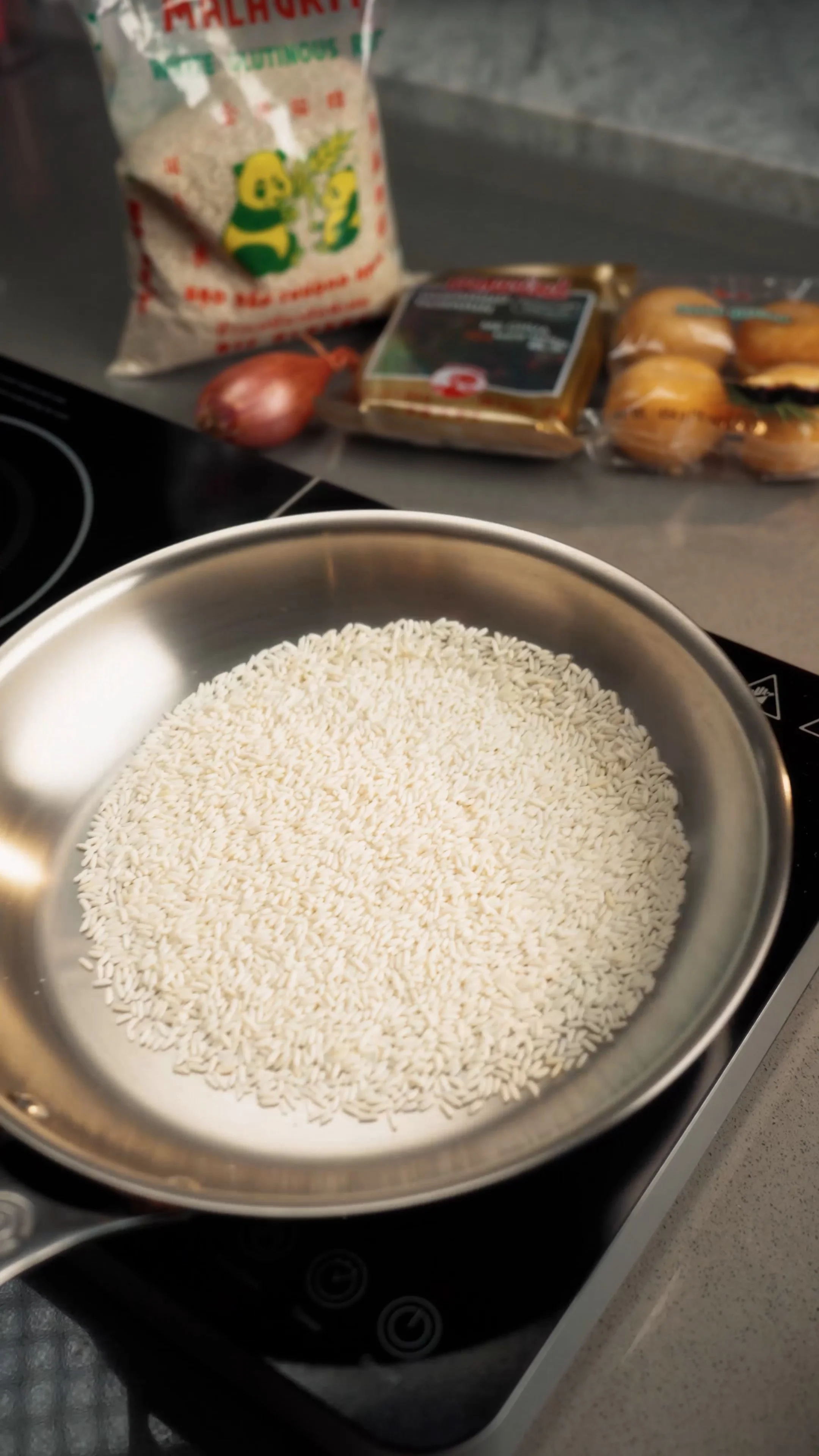
Ground Roasted Rice (Khao Khua): Adds a nutty flavor and slight texture.
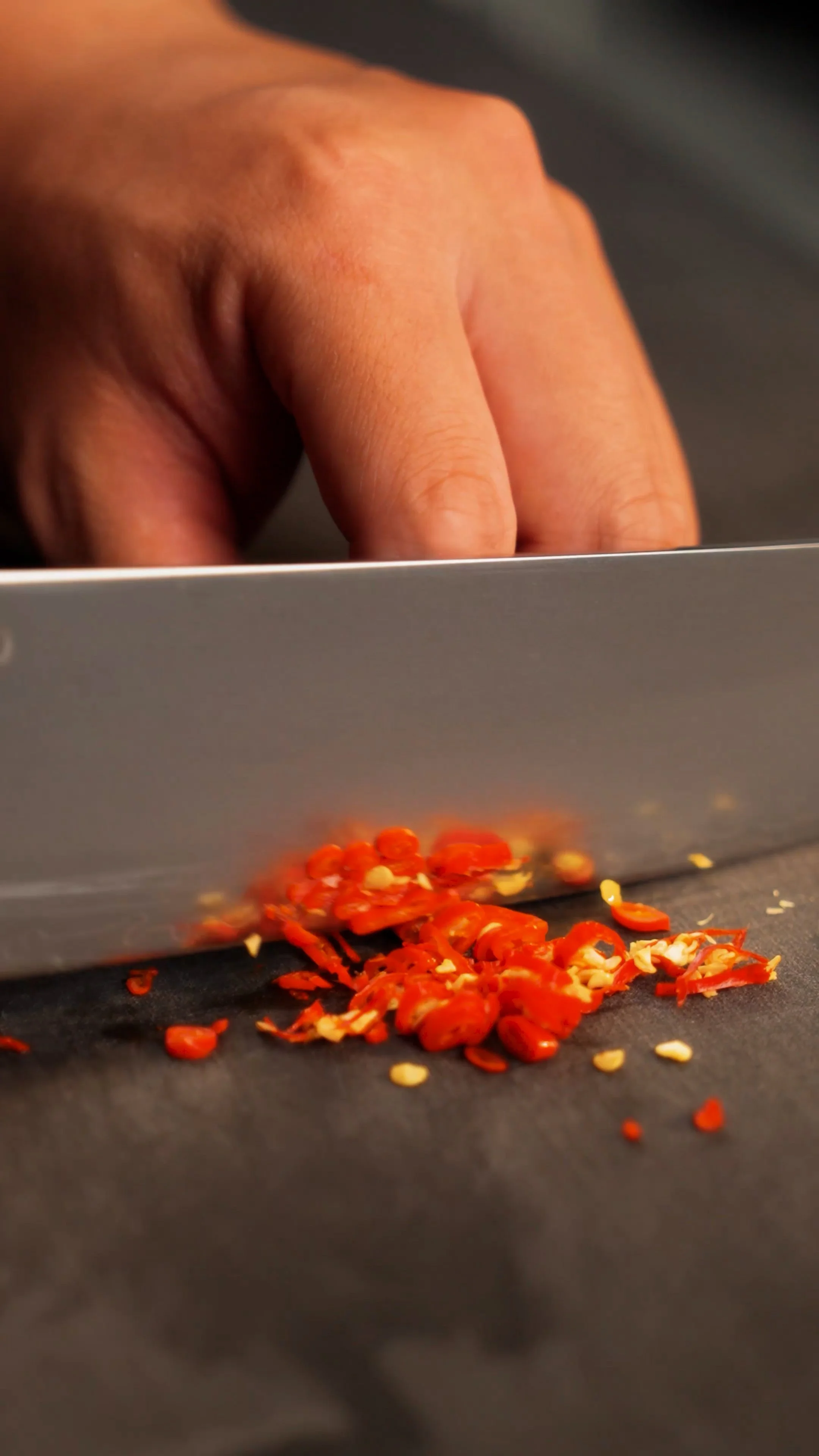
Thai Bird’s Eye Chili: For heat and spiciness.
Palm Sugar: Balances the flavors with a touch of sweetness.
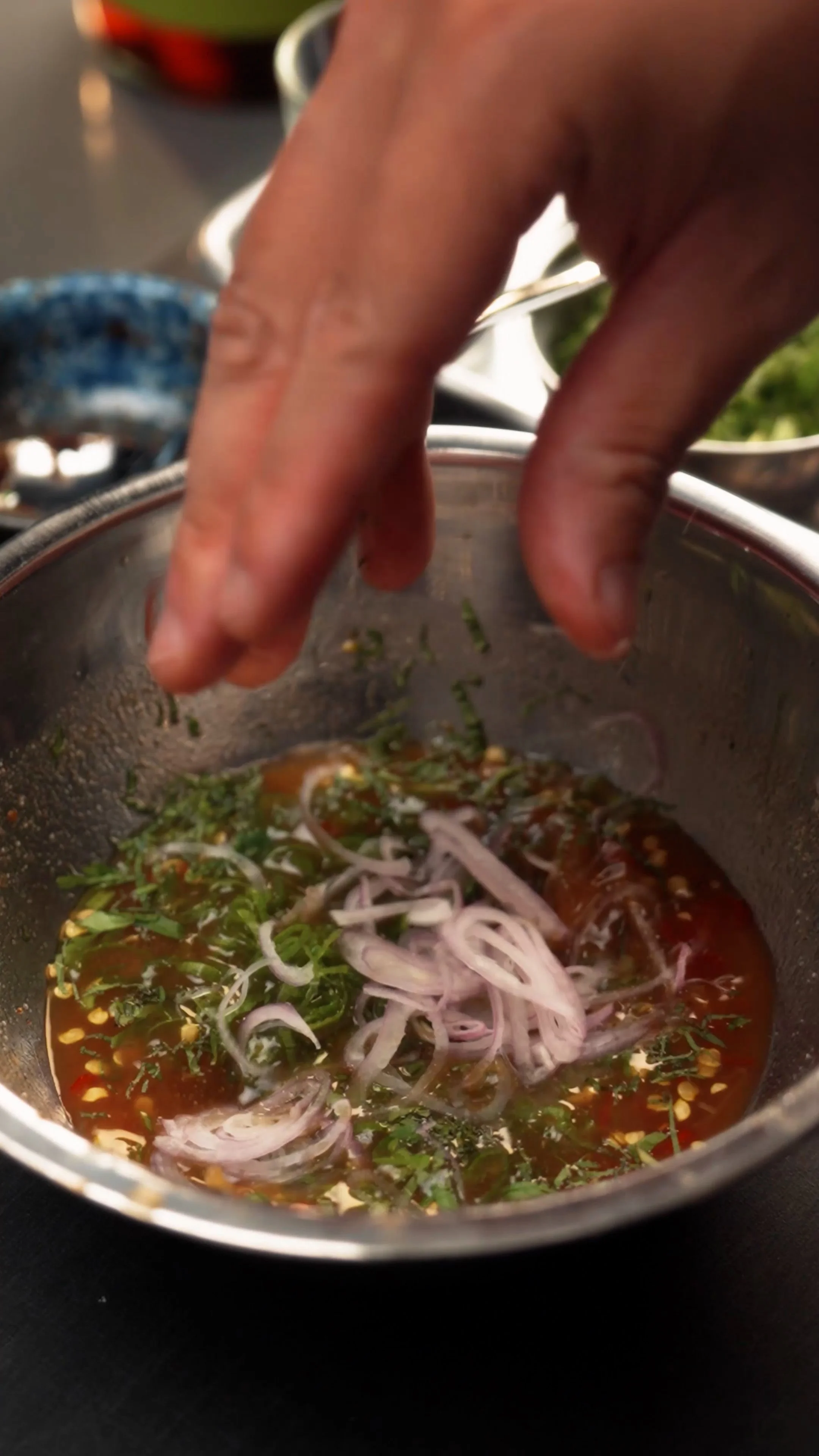
Shallots and Cilantro: Often added for extra flavor and aroma.
Key Ingredient?
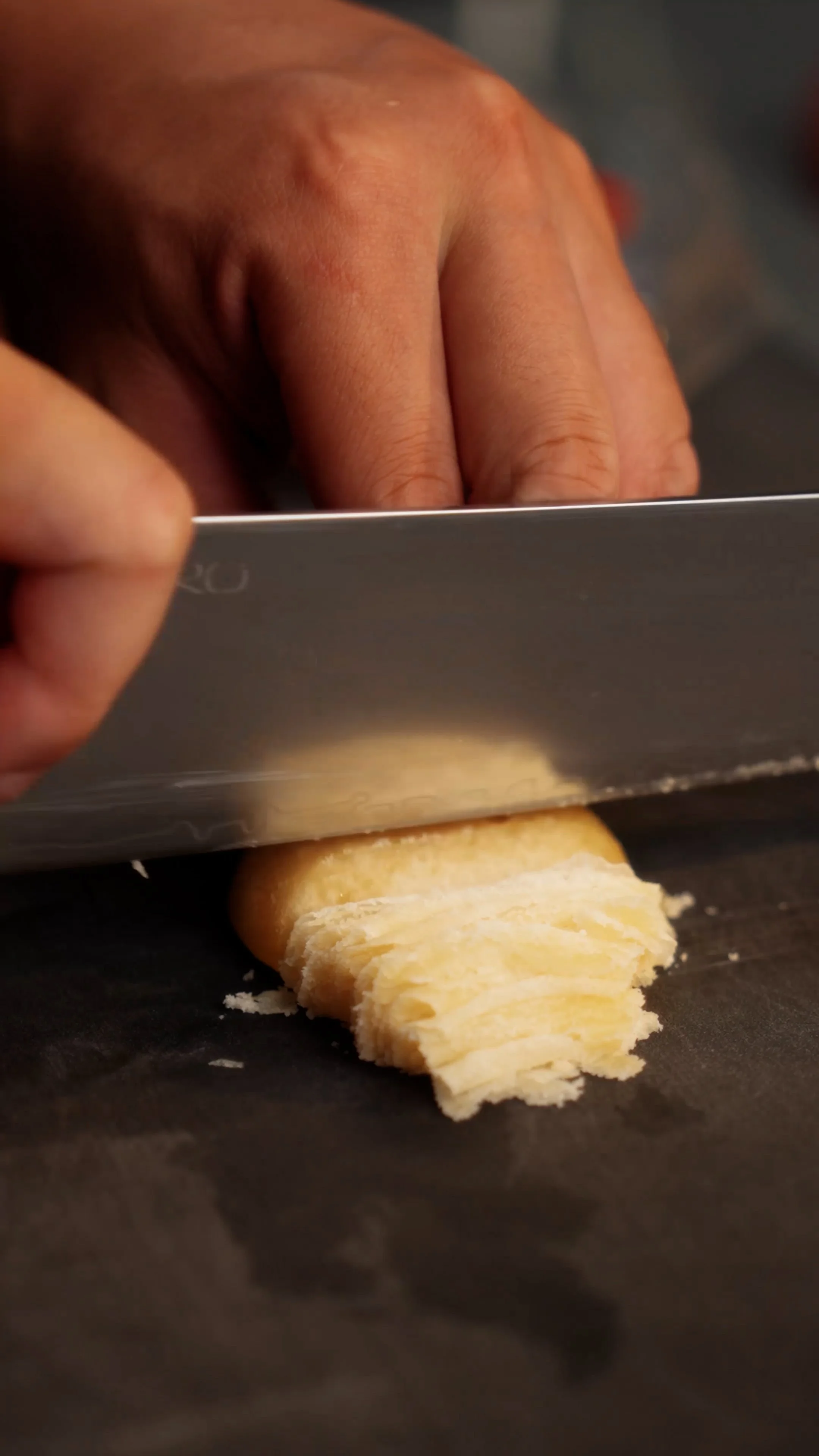
Tamarind Paste
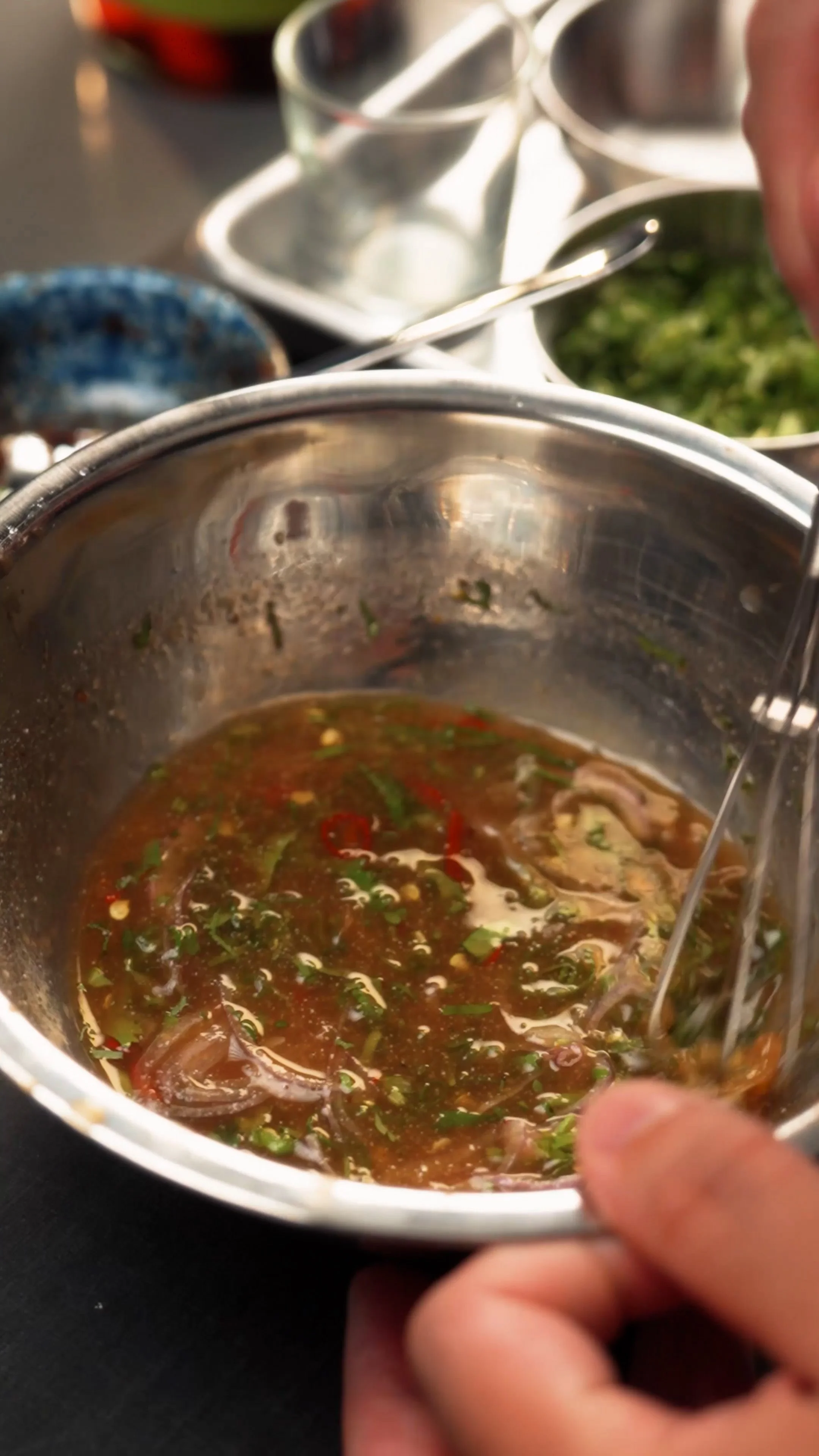
It gives the sauce its signature tangy flavor. Combined with fish sauce, lime juice, ground toasted rice (khao khua), chili flakes, and palm sugar, Nam Jim Jaew offers a balance of spicy, sour, salty, and slightly sweet flavors. The ground toasted rice adds a nutty texture, making this sauce distinct and perfect for grilled meats, especially in northeastern Thai cuisine.
FAQs
What If I Don’t Have It?
See substitution suggestions above. For this recipe, the combination of all other ingredients is mandatory to create this flavorful dish.
Where is the steak recipe for Crying Tiger?
What can I eat this sauce with?
Nam Jim Jaew is a versatile Thai dipping sauce that pairs wonderfully with various dishes, especially those that benefit from its tangy, spicy, and savory flavor profile. Here are some popular foods you can eat with Nam Jim Jaew:
1. Grilled Meats
Examples: Grilled beef, pork, chicken, or lamb.
Why It Works: The smoky, charred flavor of grilled meats complements the tangy and spicy notes of Nam Jim Jaew, making it a perfect dipping sauce.
2. Sticky Rice (Khao Niao)
Why It Works: Sticky rice is a staple in Thai cuisine and pairs well with Nam Jim Jaew, allowing you to scoop up the sauce along with grilled meats.
3. Fried or Grilled Fish
Examples: Grilled whole fish, fried fish fillets.
Why It Works: The tanginess of the tamarind in Nam Jim Jaew cuts through the richness of the fish, adding a refreshing balance.
4. Fresh Vegetables
Examples: Cucumbers, lettuce, cabbage, or fresh herbs.
Why It Works: Nam Jim Jaew adds a flavorful kick to fresh vegetables, making them more exciting as part of a meal or as a healthy snack.
5. Spring Rolls
Why It Works: Dipping fresh or fried spring rolls in Nam Jim Jaew provides a delicious contrast between the crisp rolls and the punchy sauce.
6. Laab or Larb
Why It Works: This spicy, tangy minced meat salad pairs naturally with Nam Jim Jaew, enhancing its flavors and adding extra complexity.
7. Grilled Vegetables
Examples: Grilled eggplant, mushrooms, bell peppers.
Why It Works: The earthy flavors of grilled vegetables are elevated by the sharp, tangy notes of Nam Jim Jaew.
8. Lettuce Wraps
Why It Works: Use Nam Jim Jaew as a dipping sauce for lettuce wraps filled with grilled meat or tofu for a light, refreshing dish.
Nam Jim Jaew’s bold flavors make it an excellent accompaniment to dishes where its spicy, sour, and savory notes can shine, particularly with grilled and fried foods, as well as fresh and grilled vegetables.
How long will this sauce last?
Nam Jim Jaew can last for about 1 to 2 weeks when stored properly in the refrigerator. Here are some tips to ensure it stays fresh:
Airtight Container: Store the sauce in a clean, airtight container to prevent it from absorbing other flavors from the fridge and to minimize exposure to air, which can degrade the sauce faster.
Refrigeration: Always keep Nam Jim Jaew refrigerated. The cold temperature slows down the growth of bacteria and helps preserve the freshness of the ingredients.
Freshness of Ingredients: The longevity of Nam Jim Jaew also depends on the freshness of the ingredients used, particularly if fresh herbs or shallots were added. The fresher the ingredients, the longer the sauce will last.
Check for Signs of Spoilage: Always check for signs of spoilage before using the sauce, such as changes in color, texture, or smell. If the sauce develops an off smell or unusual appearance, it's best to discard it.
Can I use other types of rice instead of Glutinous Sticky Rice?
While glutinous sticky rice (often referred to as "Khao Niao" in Thai) is the traditional choice for making Nam Jim Jaew, particularly when using ground roasted rice (khao khua) as an ingredient, you can use other types of rice as a substitute in some cases. However, the texture and flavor will differ. Here’s how other rice types compare:
1. Jasmine Rice:
Use: Jasmine rice can be used as a substitute for glutinous rice when making khao khua (ground roasted rice).
Difference: Jasmine rice has a lighter texture and less sticky consistency compared to glutinous rice. The flavor is more aromatic, but the ground rice will be less crunchy and less substantial than when using glutinous rice.
2. Brown Rice:
Use: Brown rice can be an alternative if you want a nuttier flavor and a slightly healthier option.
Difference: Brown rice has a chewier texture and a more pronounced nutty flavor, which can change the overall taste of Nam Jim Jaew. It’s less sticky, so the ground roasted rice won’t bind as well in the sauce.
3. Basmati Rice:
Use: Basmati rice can be used, but it’s not ideal because of its distinct flavor and dry, fluffy texture.
Difference: Basmati rice has a unique aroma and texture that doesn’t mimic the sticky and cohesive nature of glutinous rice. The roasted rice from basmati will be less crunchy and less flavorful in the sauce.
4. Arborio Rice:
Use: Arborio rice, used in risotto, can mimic the sticky texture to some extent.
Difference: Arborio rice is creamy and somewhat sticky, but it’s much starchier and denser than glutinous rice, which may alter the sauce’s texture and consistency when used in Nam Jim Jaew.
5. Sushi Rice:
Use: Sushi rice can be a good alternative as it is short-grain and slightly sticky.
Difference: Sushi rice is closer in texture to glutinous rice, making it a suitable substitute for creating ground roasted rice, though it may still lack the exact stickiness and sweetness of glutinous rice.
Conclusion:
While you can use other types of rice, the best results in terms of flavor and texture for Nam Jim Jaew will come from using glutinous sticky rice. Substituting with jasmine, brown, or other rice varieties will change the sauce's character, but they can still work if you're in a pinch or prefer a different flavor profile. Adjustments in quantity or preparation might be necessary to achieve the desired consistency and flavor.
Why wash Glutinous Sticky Rice before toasting?
Washing glutinous sticky rice before toasting for Khao Khua is an essential step for achieving a clean, evenly toasted, and flavorful result. This preparation step helps to ensure that the final ground roasted rice adds the perfect texture and taste to the dishes it's used in, like Nam Jim Jaew or Larb.
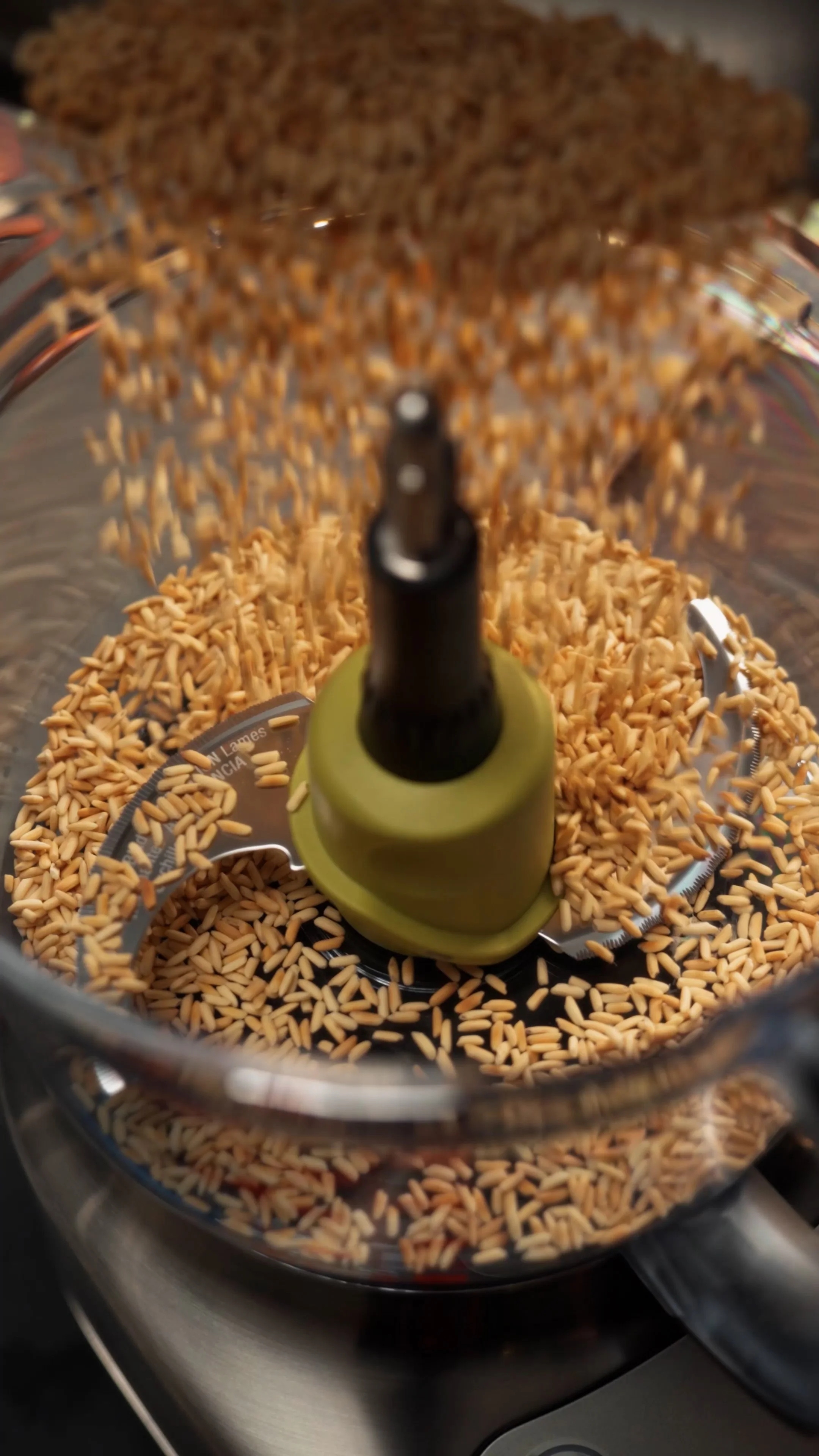
What can I use to grind Khao Khua?
To grind Khao Khua (roasted rice), you have several options depending on the texture you want to achieve and the tools you have available:
1. Mortar and Pestle:
Traditional Method: This is the most traditional way to grind Khao Khua. It allows you to control the coarseness by how much you grind. Simply add the roasted rice to the mortar and pound it with the pestle until you reach the desired consistency.
Texture: Using a mortar and pestle typically results in a coarser grind, which is ideal for adding texture to dishes like Nam Jim Jaew and Larb.
2. Spice Grinder or Coffee Grinder:
Modern Method: A spice grinder or coffee grinder can quickly grind the roasted rice to a fine or coarse consistency, depending on how long you process it. This method is efficient and easy, especially if you're making a larger batch.
Texture: These grinders allow you to achieve a finer consistency if desired, or you can pulse the grinder for a coarser texture.
3. Blender:
Alternative Option: A high-speed blender can also be used to grind Khao Khua. However, you may need to work in small batches and pulse the blender to avoid over-grinding the rice.
Texture: A blender can give you a more varied texture, with some pieces finer than others, unless you blend very carefully.
4. Food Processor:
Larger Quantities: If you're preparing a large batch of Khao Khua, a food processor can be used. Like with a blender, you’ll want to pulse the rice to control the grind and avoid turning it into a powder.
Texture: A food processor typically produces a coarser grind unless processed for longer.
5. Rolling Pin (Manual Option):
Manual Option: If you don't have any grinding tools, you can place the roasted rice in a plastic bag and crush it with a rolling pin. This method is more labor-intensive and may not produce as even a grind.
Texture: The result will be coarser and less consistent, but it can work in a pinch.
Each method has its advantages, and the choice depends on your desired texture and the tools at your disposal. For the most control over the texture, a mortar and pestle or spice grinder is recommended.
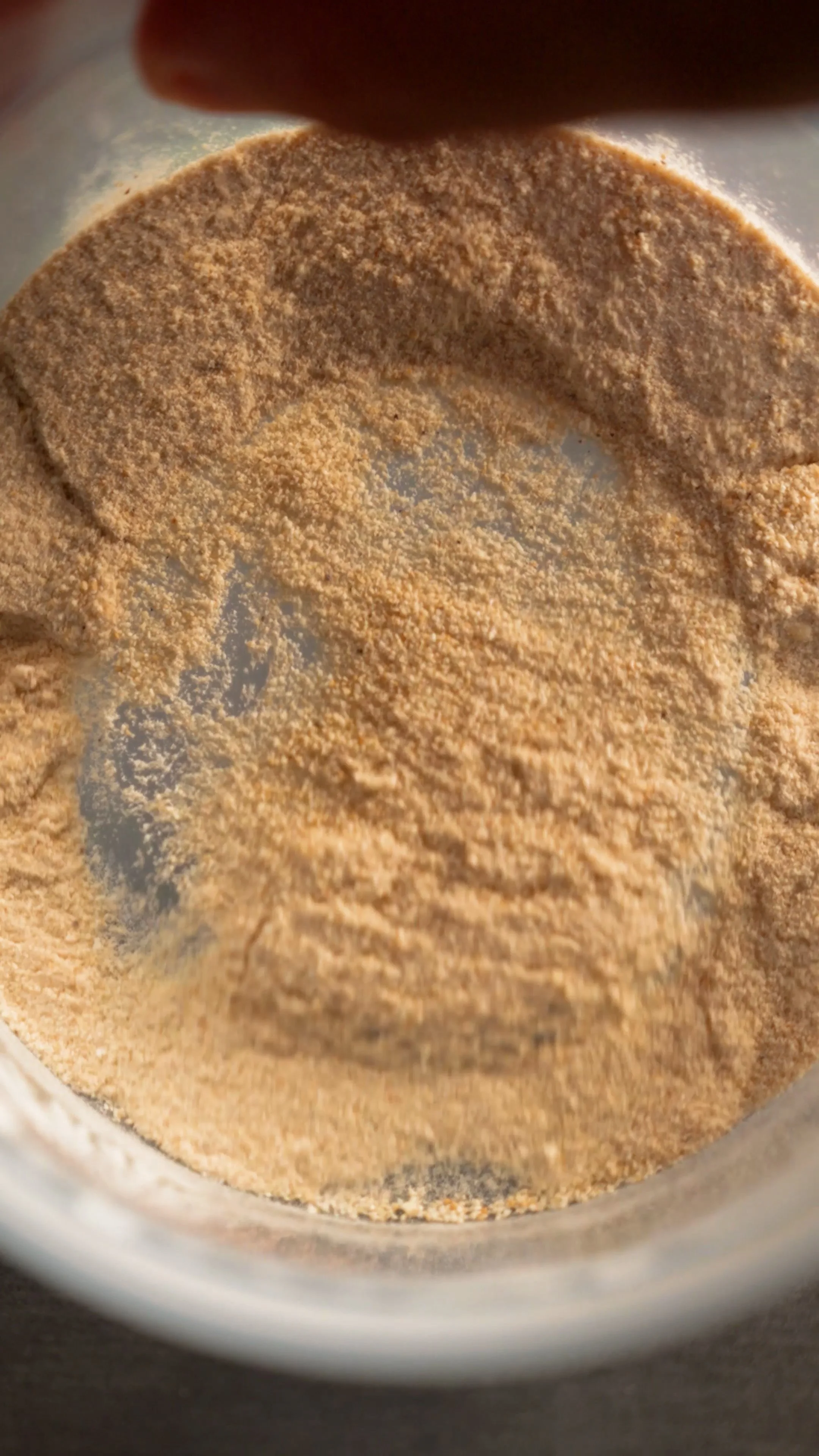
Why is this Khao Khua fine?
Khao Khua, or ground roasted rice, can vary in texture depending on your preference and the dish you're preparing. Traditionally, it is ground to a coarse consistency for use in dishes like Nam Jim Jaew or Larb (a Thai minced meat salad), where the coarser texture adds a pleasant crunch and nuttiness to the dish.
However, you can also grind it to a slightly finer consistency if you prefer a more subtle texture in your sauce. Finer Khao Khua will still provide the nutty flavor but with a less pronounced crunch.
Considerations:
Coarse Khao Khua: Adds noticeable texture and crunch, making it stand out more in the dish. This is the more traditional approach.
Fine Khao Khua: Blends more smoothly into sauces and salads, offering a more integrated flavor without as much texture.
In Practice:
For Nam Jim Jaew: A slightly coarse texture is typically preferred to provide that classic crunch.
For Dressings or Soups: A finer texture might be preferred to avoid overwhelming the dish.
Ultimately, the choice between coarse and fine Khao Khua depends on the texture you desire in your final dish. Both forms can work well, so it's largely a matter of personal preference.
Personally, I like Khao Khua mixed in and served on top of the sauce for dipping.
What can I do if it’s too spicy?
Reduce the amount of Thai Bird’s Eye chili to your liking.
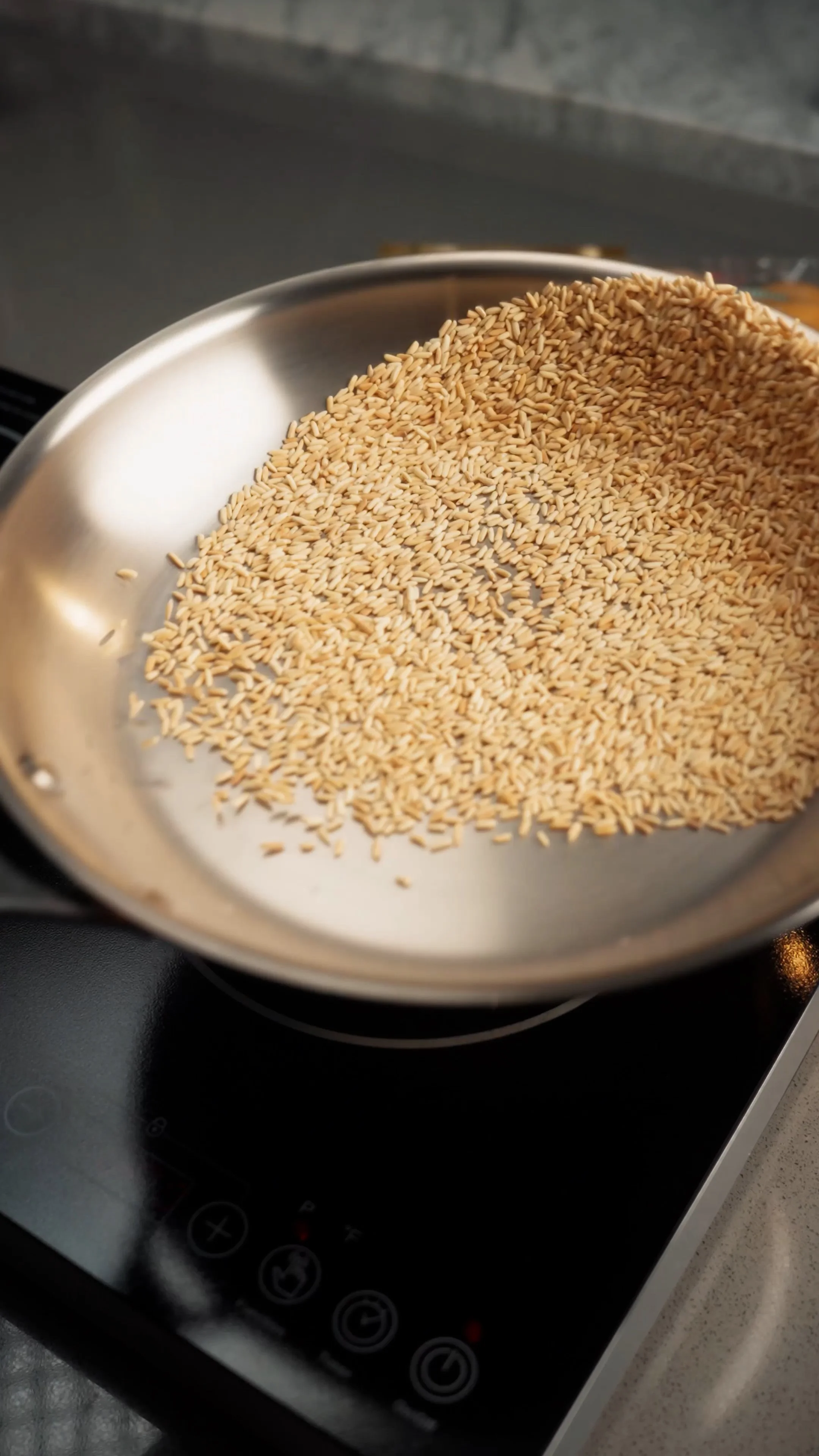
What if my toasted rice is too dark/burnt?
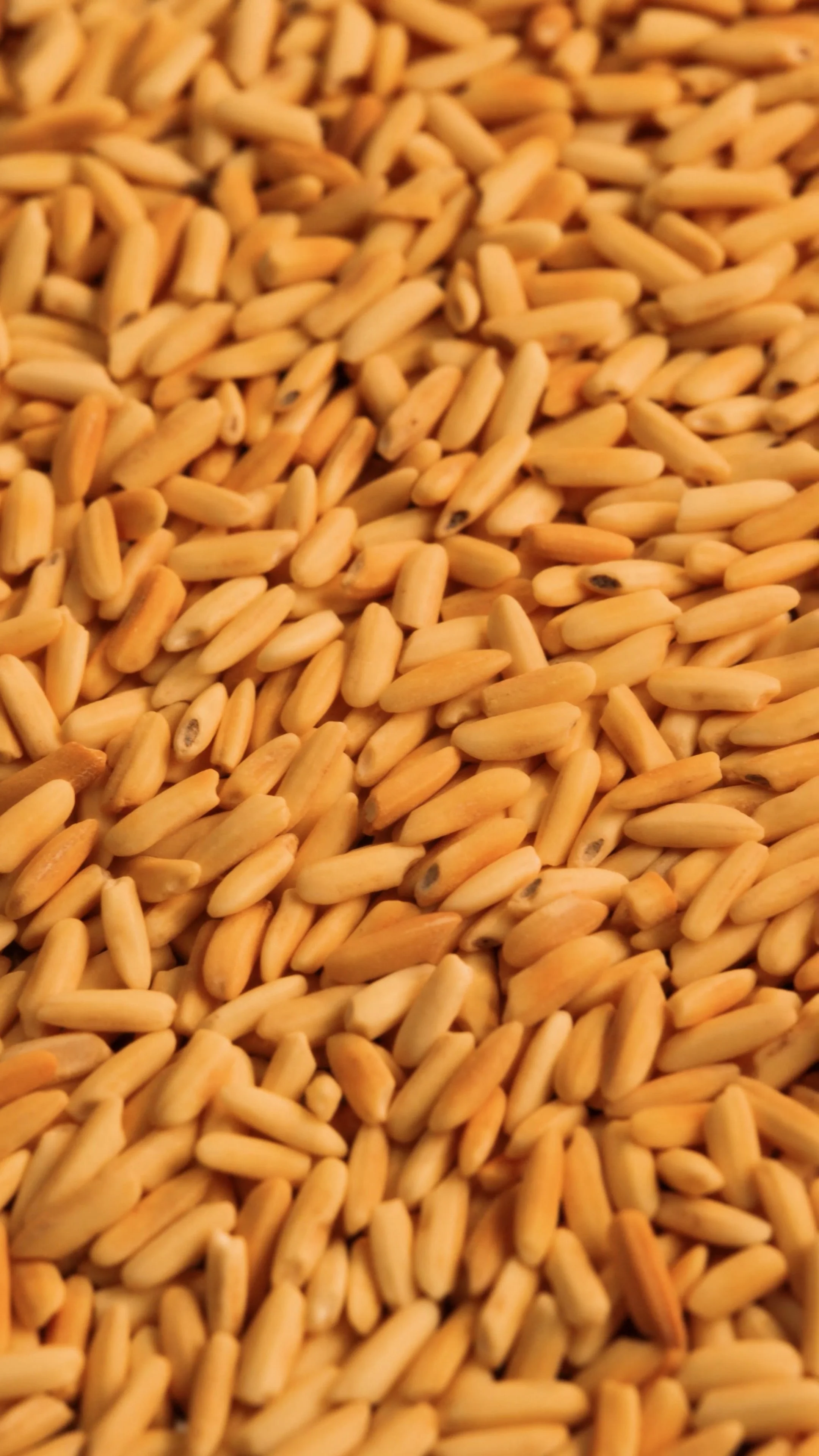
The trick is to toast in a dry pan on medium heat while constantly tossing and moving your pan for an even golden coverage. Using rice that is too light will not maximize the nutty flavor of this sauce, and using toasted rice that is too dark or burnt will make your sauce… well, taste burnt and unpleasant.
Other Recipes You’ll Love
Love the recipe?
Make sure to follow me on Instagram, TikTok, YouTube, and Pinterest to stay up to date with all of my content!
Sign up for my free newsletter to receive cooking tips & recipe updates!
If you made this recipe, send me a picture and tag it with #W2Recipes.
I would love to see your re-creations on Instagram @willhkwong.
If you liked this recipe, Pin it to Pinterest! 👇🏻


Ginger Scallion Sauce is a versatile and flavorful condiment commonly used in Asian cuisine, particularly in Chinese…