
This post may contain affiliate links. Please read my disclosure policy for details.
As an Amazon Associate, I earn from qualifying purchases.
Re-Creation of Nobu | Global

Nobu is a renowned international restaurant and hotel chain known for its fusion of traditional Japanese and Peruvian ingredients, flavors, and culinary techniques. The first Nobu restaurant was co-founded by Japanese chef Nobu Matsuhisa, actor Robert De Niro, and film producer Meir Teper. The opening of the first Nobu restaurant took place in New York City in 1994.
Nobu restaurants have gained worldwide acclaim for their innovative dishes and sophisticated atmosphere. The culinary style of Chef Nobu Matsuhisa, often referred to as "Nobu-style" or "Nobu-Matsuhisa cuisine," incorporates Japanese techniques with Peruvian influences, resulting in a unique and memorable dining experience.
Key features of Nobu restaurants include:
Signature Dishes: Nobu is known for its signature dishes such as Black Cod Miso, Yellowtail Jalapeño, and Tiradito, among others. These dishes showcase Chef Nobu's creativity and the fusion of flavors from different culinary traditions.
High-Quality Ingredients: Nobu emphasizes the use of high-quality, fresh ingredients in its dishes, with an emphasis on seafood.
Sushi and Sashimi: While Nobu is famous for its innovative hot dishes, the restaurants also offer a variety of sushi and sashimi options, prepared with a modern twist.
Sake and Cocktails: Nobu often features an extensive selection of sake, as well as creative cocktails that complement the flavors of the cuisine.
International Presence: Since the opening of the first Nobu in New York, the brand has expanded globally with locations in major cities around the world, including London, Tokyo, Los Angeles, Dubai, and more.
Luxury Hotels: In addition to restaurants, the Nobu brand has expanded into the hospitality industry with Nobu Hotels. These hotels often feature the signature Nobu restaurant as part of their offerings.
It's important to note that each Nobu restaurant may have its own unique menu and atmosphere, but they generally share a commitment to delivering an elevated dining experience with a blend of Japanese and Peruvian culinary influences.
What is Black Cod?
Black Cod, also known as sablefish or butterfish, is a species of fish found in the North Pacific Ocean. Despite its name, black cod is not a type of cod but belongs to the Anoplopomatidae family. The scientific name for black cod is Anoplopoma fimbria.
Key characteristics of Black Cod include:
Appearance: Black Cod has a distinctive appearance with a sleek, elongated body and large pectoral and pelvic fins. The skin is typically dark, ranging from olive green to black, and the flesh is white and delicate.
Flavor and Texture: Black Cod is prized for its rich, buttery flavor and tender, flaky texture. The high oil content in its flesh contributes to its moist and succulent taste.
Habitat: Black Cod is primarily found in the North Pacific, ranging from the Bering Sea to the coast of California. It is commonly associated with deep-sea habitats and is often caught at depths of several hundred meters.
Sustainability: Black Cod is known for its sustainability, as fisheries generally manage the population carefully to prevent overfishing. The fish has a relatively long lifespan and matures slowly, contributing to its sustainability profile.
Culinary Uses: Black Cod is a popular choice in seafood cuisine, particularly in Japanese and Pacific Northwest dishes. It is often praised for its versatility in cooking and is used in various preparations, including grilling, baking, and broiling.
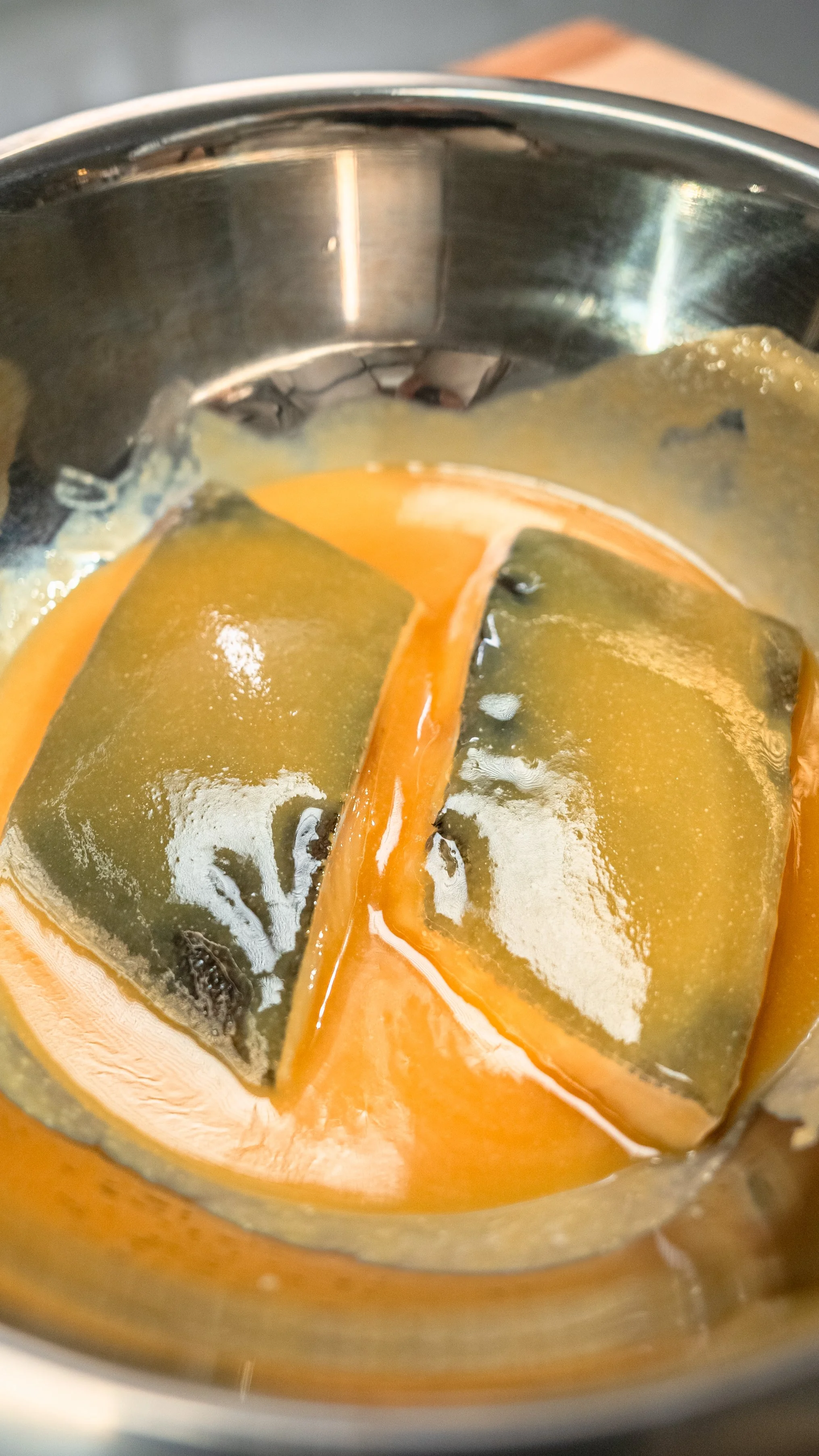
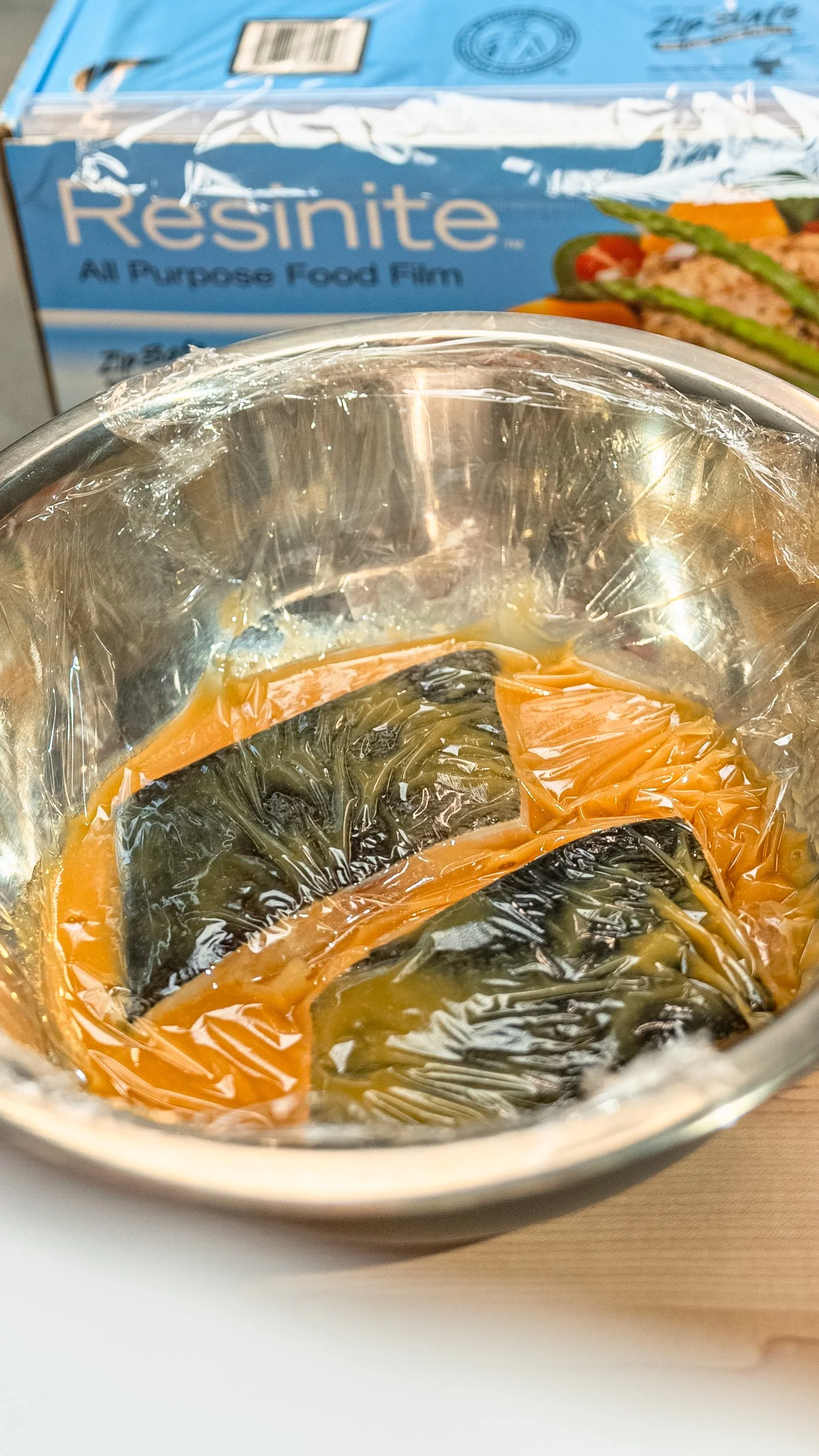
One of the most famous and beloved dishes featuring black cod is the "Black Cod Miso," a signature dish created by Chef Nobu Matsuhisa. In this preparation, the fish is marinated in a sweet miso-based glaze before being cooked, resulting in a flavorful and caramelized exterior.
Due to its rich taste and texture, black cod is considered a delicacy and is commonly featured in upscale seafood restaurants. It is also valued for its high omega-3 fatty acid content, making it a nutritious choice.
Key Ingredient?
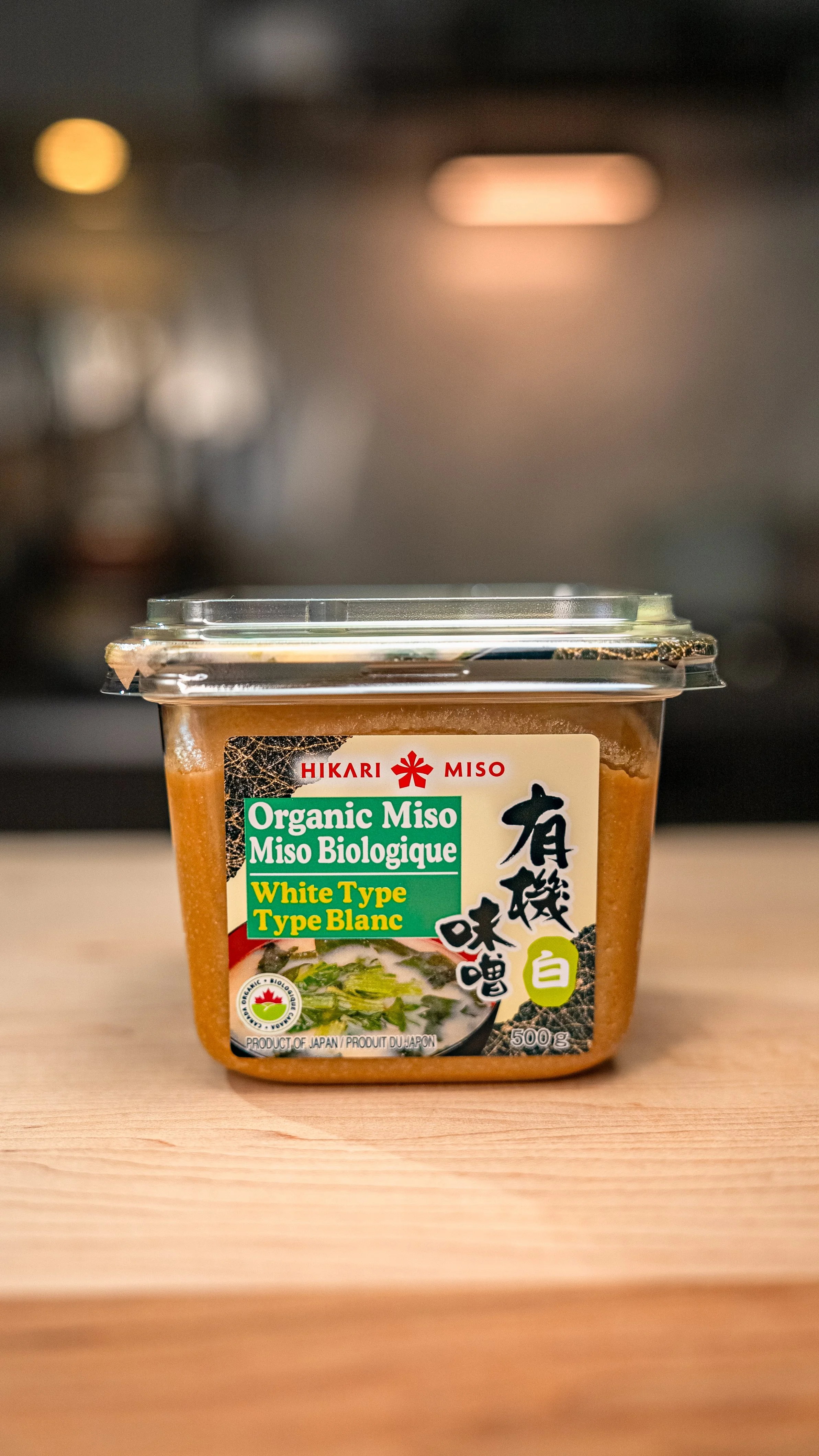
White Miso Paste, also known as "shiromiso" in Japanese, is a type of miso paste used in Japanese cuisine. Miso is a traditional Japanese seasoning made by fermenting soybeans with salt and koji (a type of fungus) and often other grains like rice or barley. The fermentation process can vary in length, resulting in different varieties of miso, each with its own flavor profile.
White miso is generally milder and sweeter compared to darker varieties of miso like red or brown miso. Here are some key characteristics of white miso:
Color and Appearance:
White miso is light beige to pale yellow in color. It has a smoother texture compared to darker miso varieties.
Flavor Profile:
White miso has a mild, slightly sweet, and less salty flavor compared to red or brown miso. The shorter fermentation period contributes to its lighter taste.
Ingredients:
White miso is typically made from soybeans, rice, or barley, and salt. The ratio of these ingredients, as well as the fermentation time, affects the final taste and texture.
Usage:
Due to its mild and slightly sweet flavor, white miso is often used in dishes where a lighter miso flavor is desired. It is commonly used in soups, dressings, marinades, and glazes.
Cooking Applications:
White miso is versatile and can be used in both traditional Japanese dishes and non-Japanese recipes. It can add depth of flavor to a variety of dishes without overpowering them.
Nutritional Benefits:
Like other types of miso, white miso is a fermented product that contains beneficial probiotics. It also provides some protein, vitamins, and minerals.
Popular dishes that often feature white miso include miso soup, salad dressings, glazes for fish or vegetables, and certain types of marinades. It's worth noting that while white miso is more commonly used in light-colored dishes, the choice of miso can be a matter of personal preference, and you can often experiment with different types of miso in your cooking.

FAQs
What If I Don’t Have It?
See substitution suggestions above. For this recipe, the combination of all other ingredients is mandatory to create this flavorful dish.
Why is my fish breaking apart?
Black Cod/Sablefish is a flaky, tender, and delicate fish. Avoid removing the pin bones from marinating through plating to keep the fillet from splitting. Just be careful and remove them while eating. If presentation is not a priority, then you can remove the pin bones before marinating.
What if I don’t have a torch?
Using a torch gives a more consistent, well-cooked presentation without looking burnt due to the distance of the oven rack from the broiler. If you do not have a torch, be mindful of how close your oven rack is to the broiler and keep an eye on it! You can still achieve a slightly charred look without a torch.
Why is my fish mushy?
It’s likely overcooked or on the wrong oven setting; cook on broil mode! Make sure your oven rack is placed closer to the top heating element.
Broiling is a cooking method that involves exposing food to direct heat from above, typically in an oven. This method is commonly used for cooking meats, fish, poultry, and certain vegetables. In a standard oven, the broil element is located at the top, and when activated, it emits intense heat that quickly cooks and browns the food's surface.
Here's a basic overview of the broiling process:
Setting Up:
Before starting the broiling process, you typically need to preheat the broiler. Most ovens have a "broil" setting, which activates the top heating element. Some ovens have a high and low broil setting.
Positioning the Rack:
Adjust the oven rack to a position that allows the food to be relatively close to the broiling element. The exact distance may vary depending on the recipe and the food being cooked.
Preparing the Food:
Season or marinate the food as desired. Since broiling is a high-heat method, it's often used for thin cuts of meat, fish fillets, or vegetables that can quickly cook under the intense heat.
Placing the Food:
Place the food on a broiler pan or a baking sheet lined with aluminum foil. The pan should allow excess fat to drain away from the food.
Broiling:
Slide the food under the broiler element and cook for a relatively short period, often a few minutes on each side. It's crucial to monitor the cooking process closely to prevent burning, as broiling can quickly lead to browning or charring.
Flipping (Optional):
Depending on the recipe, you may need to flip the food halfway through the broiling process to ensure even cooking on both sides.
Checking Doneness:
Use a meat thermometer or visual cues to determine when the food is cooked to the desired level of doneness. The exterior of broiled food can develop a flavorful crust while the interior remains tender.
Broiling is a versatile cooking method that's particularly effective for achieving a nicely browned exterior on meats or adding a caramelized finish to vegetables. It's a quick and efficient way to cook, making it suitable for a variety of dishes. However, because of the intense heat involved, it's essential to stay attentive during the broiling process to avoid overcooking or burning.
More Re-Creations You’ll Love
Love the recipe?
Make sure to follow me on Instagram, TikTok, YouTube, and Pinterest to stay up to date with all of my content!
Sign up for my free newsletter to receive cooking tips & recipe updates!
If you made this recipe, send me a picture and tag it with #W2Recipes.
I would love to see your re-creations on Instagram @willhkwong.
If you liked this recipe, Pin it to Pinterest! 👇🏻


Uni Toast is a super quick and easy 10-minute recipe, but before getting to the stage of curating this Uni Toast, check…